Content last revised on September 10, 2026
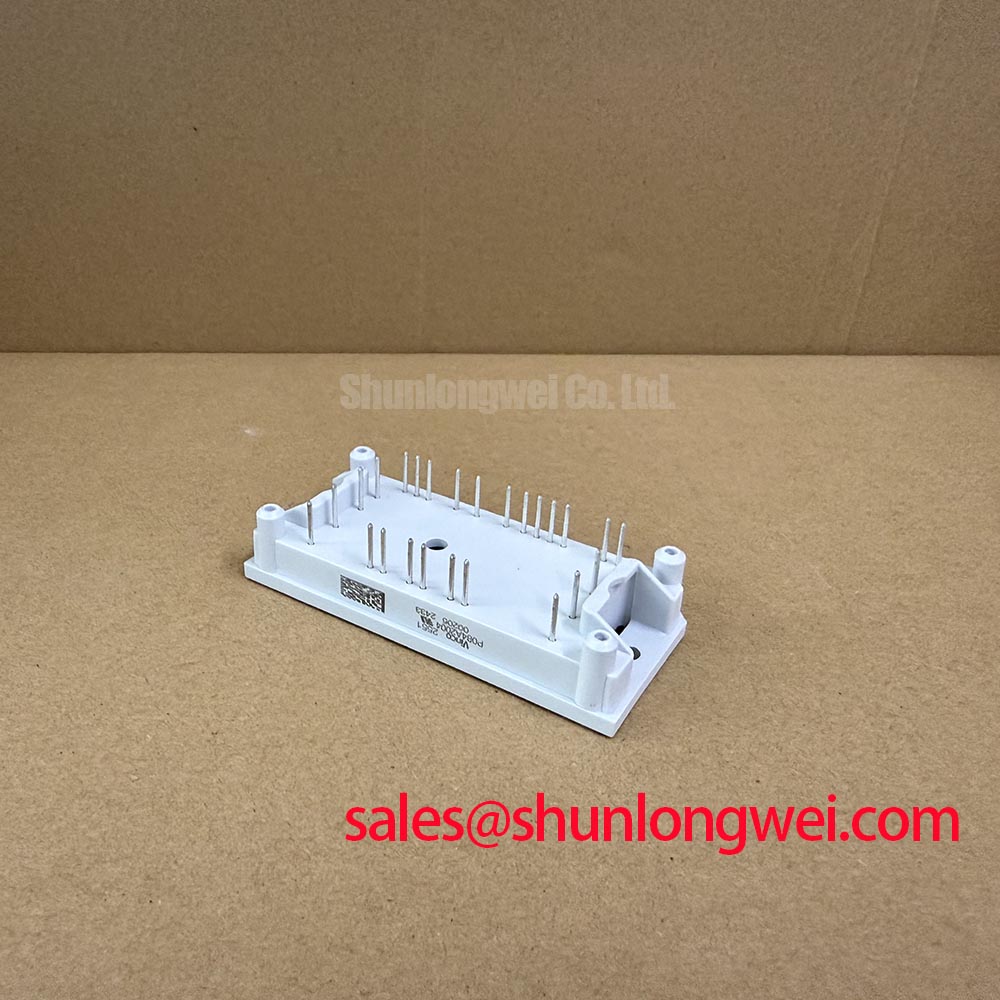
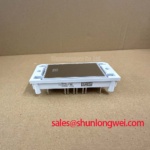
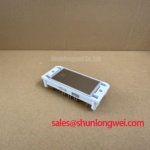
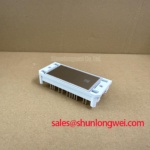
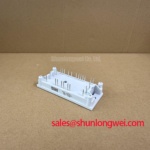
P084A2004 Vincotech flowPIM 0 1200V 10A Power Integrated Module
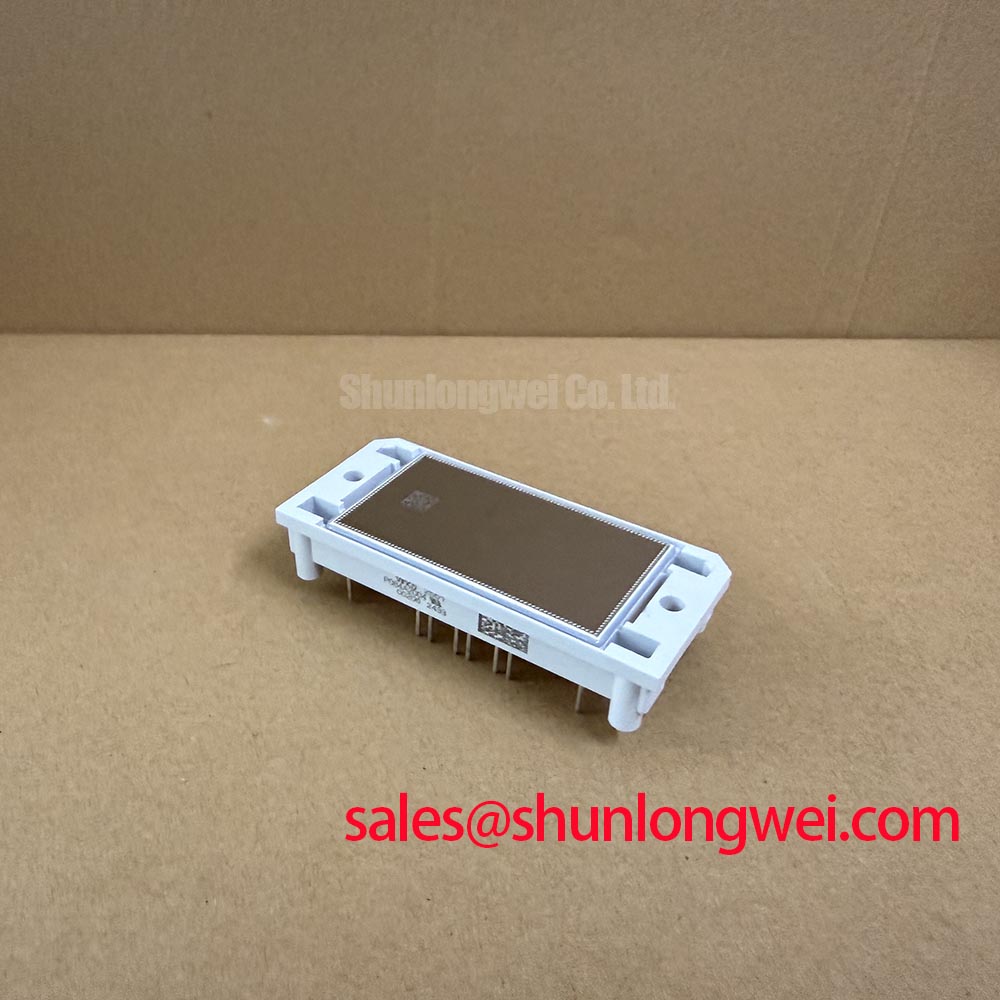
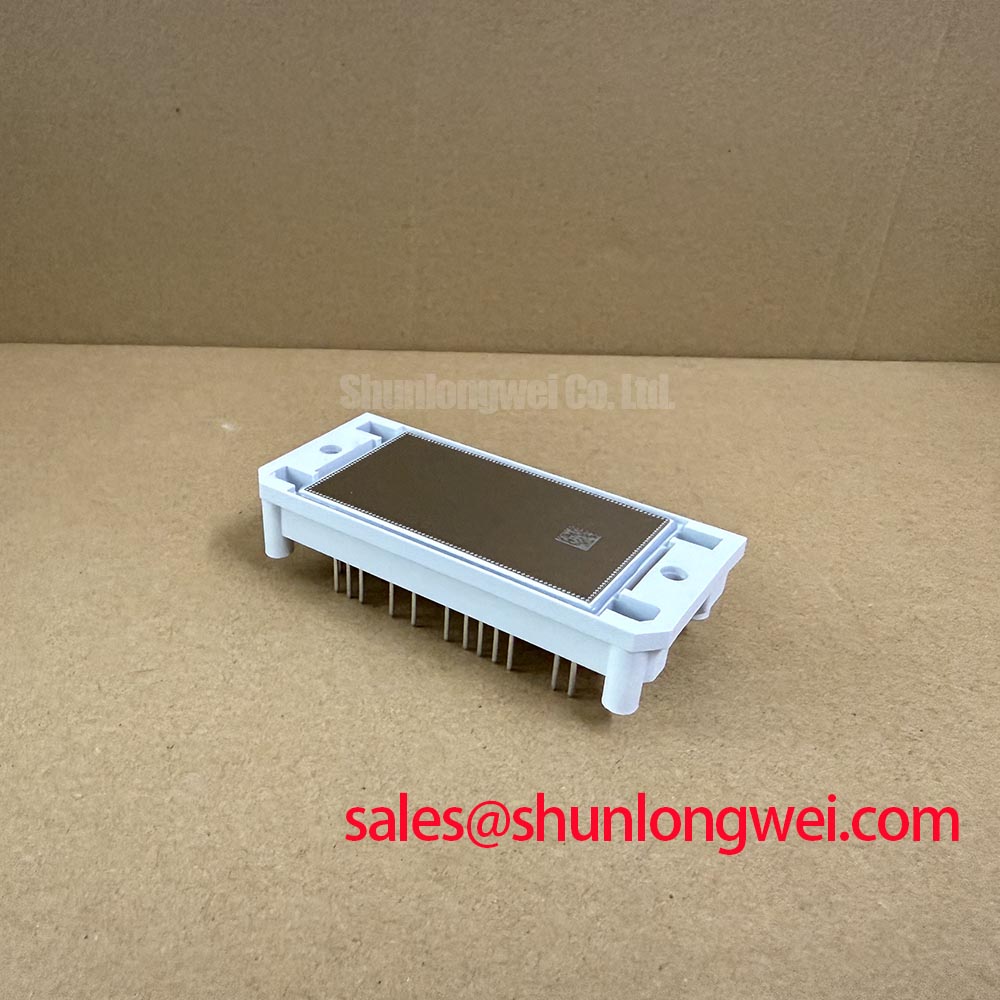
The P084A2004 represents a benchmark in high-density power integration, offering a complete flowPIM 0 architecture that consolidates a three-phase rectifier, a brake chopper, and a three-phase inverter into a single, compact housing. This 1200V, 10A module is designed to empower engineers seeking to minimize PCB footprint without compromising on thermal performance or electrical isolation. For designers balancing space constraints with the rigorous demands of industrial motor control, the P084A2004 provides a streamlined path to high-efficiency power stage implementation. Utilizing the P084A2004 ensures a reduction in parasitic inductance and assembly complexity compared to discrete solutions.
Key Parameter Overview
Decoding the Specs for Enhanced Thermal Reliability
| Technical Specification | Official Rating | Engineering Value Interpretation |
|---|---|---|
| Collector-Emitter Voltage (Vces) | 1200V | Provides substantial safety margin for 400V–480V AC line applications, ensuring robustness against voltage transients. |
| Continuous DC Collector Current (Ic) | 10A (@ Tc=80°C) | Optimized for low-to-medium power industrial drives, offering stable performance under continuous load conditions. |
| Module Topology | flowPIM 0 (Rectifier+Brake+Inverter) | A "system-in-a-package" approach that drastically reduces the bill-of-materials (BOM) and simplifies PCB routing. |
| Isolation Voltage (Visol) | 2500V | Meets stringent industrial safety standards for electrical isolation between power circuitry and the baseplate. |
| Maximum Junction Temperature (Tjmax) | 175°C | Higher thermal headroom allows for more aggressive duty cycles or smaller heatsink designs in enclosed environments. |
Application Scenarios & Value
Achieving System-Level Benefits in High-Frequency Power Conversion
The integration level of the P084A2004 makes it a primary choice for Variable Frequency Drives (VFD) where the total system volume is a critical KPI. Engineers often face the challenge of managing heat in compact IP65-rated enclosures; the flow 0 housing helps solve this by providing a low-profile thermal path. For instance, in an industrial conveyor system, the module's integrated brake chopper allows for controlled deceleration of high-inertia loads without requiring external discrete switches for the braking resistor.
Beyond standard drives, this module excels in HVAC fan and pump controllers. The internal NTC thermistor allows for real-time monitoring of the module’s temperature, which is vital for maintaining long-term reliability in varying ambient conditions. For systems requiring higher current handling or different topology, the related FP25R12KE3 offers a different current rating while maintaining a similar integration philosophy. Furthermore, the P084A2004 is often utilized in servo drives where precision and high switching frequency are required. Integrating this module into your design supports compliance with IEC 61800-3 standards by minimizing the loop area of high-speed switching signals.
Technical & Design Deep Dive
A Closer Look at the flowPIM Housing for Long-Term Reliability
The engineering brilliance of the P084A2004 lies in its flow 0 packaging technology. Unlike traditional modules that rely on heavy copper baseplates, the Vincotech flow series often utilizes a direct bonded copper (DBC) substrate that interfaces closely with the heatsink. This significantly reduces the Thermal Resistance (Rth) from junction to case. To visualize the importance of this, think of the thermal path as a high-speed highway; the flow 0 design removes the "traffic jams" caused by thick internal layers, allowing heat to exit the silicon much faster.
Another critical factor is the internal layout. The P084A2004 is designed to minimize internal stray inductance. In high-power switching, stray inductance acts like a spring—when you suddenly stop the current flow, it "snaps" back, causing voltage spikes that can destroy the IGBT. By keeping internal connections extremely short through PIM integration, these spikes are naturally suppressed. This makes the Gate Drive design less complex, as engineers can use simpler Snubber Circuits or, in some cases, eliminate them entirely. This module aligns perfectly with the transition toward more modular and high-efficiency Power Integrated Modules (PIM) in modern industrial automation.
FAQ
How does the integrated NTC thermistor in the P084A2004 simplify the control board design?
The integrated NTC eliminates the need for an external temperature sensor mounted on the heatsink. Since it is located directly on the DBC substrate near the IGBT chips, it provides a much more accurate and faster reading of the actual junction temperature, allowing the MCU to implement precise thermal throttling.
What are the primary advantages of the flow 0 package over discrete TO-247 components?
The flow 0 package provides pre-verified isolation and a significantly lower parasitic inductance. While discrete components require individual mounting, isolation pads, and complex busbar or PCB trace work, the P084A2004 offers a single-component solution that reduces assembly time and potential failure points.
Can the P084A2004 be used in 110V or 220V AC input systems despite the 1200V rating?
Yes. While its 1200V rating is designed for 400V/480V systems, it can safely operate in lower voltage systems. The high Vces rating simply provides an extra-wide safety margin against surges and dV/dt stress, though it may not be as cost-optimized as a 600V module for those specific applications.
How does the 175°C maximum junction temperature impact the selection of the heatsink?
A higher Tjmax of 175°C means the module can safely operate at higher internal temperatures. This allows for a smaller, lighter, or even passively cooled heatsink in certain duty cycles, effectively increasing the overall power density of the inverter system.
Is the P084A2004 compatible with standard solder processes?
Yes, the module features robust pins designed for reliable wave soldering or hand soldering onto a PCB. The flow 0 housing is designed to withstand standard industrial soldering temperatures while maintaining mechanical integrity and hermeticity of the internal components.
From a field engineering perspective, the P084A2004 is less about the individual silicon specs and more about the predictability of the integrated power stage. By moving the complexity of the rectifier-inverter-brake interface inside a single module, you effectively eliminate a major variable in your electromagnetic compatibility (EMC) and thermal modeling. This transition from discrete-heavy designs to integrated IGBT Modules is a strategic move towards system-level reliability and faster time-to-market.