
Content last revised on February 10, 2026
LTM270DL06: Engineering a New Caliber of Visual Precision for Professional Applications
Delivering High-Density Imaging and Simplified System Integration
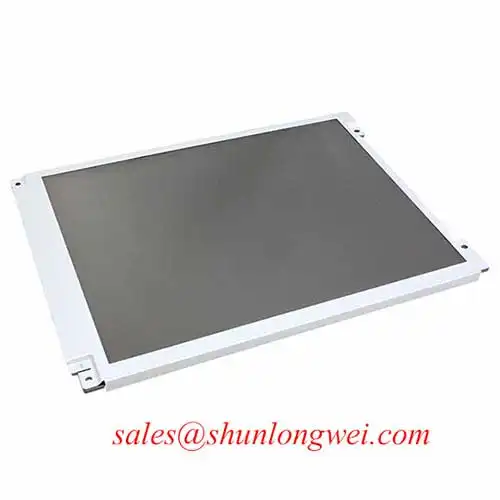
The Samsung LTM270DL06 is an a-Si TFT-LCD panel engineered to deliver superior visual fidelity for professional-grade systems where data clarity is paramount. Its core value proposition is rooted in its high-resolution display capabilities, offering a unique combination of pixel density and color performance. This panel provides 27.0-inch diagonal screen space, a 2560x1440 Quad-HD resolution, and a standard LVDS (4 ch, 8-bit) interface. Key engineering benefits include exceptional detail for complex datasets and simplified integration with established controller hardware. For system designs where higher pixel density is the primary driver, this QHD panel provides a significant upgrade over standard Full HD displays, making it an optimal choice for applications like non-diagnostic medical imaging and professional graphic design workstations. For applications demanding even higher resolution such as 4K video editing, the related G270ZAN01.3 offers an increased pixel count in a similar form factor.
Key Parameter Overview
Decoding the Specs for Enhanced Visual Performance
The technical specifications of the LTM270DL06 are purpose-built for environments requiring high-resolution and reliable color reproduction. The panel's performance is defined by its optical and electrical characteristics, which are critical for design engineers to evaluate.
| Display Characteristics | |
|---|---|
| Model | LTM270DL06 |
| Panel Size | 27.0 inch |
| Resolution | 2560(RGB)×1440 (Quad-HD) |
| Pixel Density | 108 PPI |
| Panel Type | a-Si TFT-LCD, LCM |
| Optical Characteristics | |
| Brightness | 300 cd/m² (Typ.) |
| Contrast Ratio | 1000:1 (Typ.) |
| Display Colors | 16.7M (8-bit) |
| Color Gamut | 100% sRGB |
| Viewing Angle | 89/89/89/89 (Typ.)(CR≥10) |
| Surface | Antiglare (Haze 35%), Hard coating (3H) |
| Interface & Electrical | |
| Signal Interface | LVDS (4 ch, 8-bit), 61 pins Connector |
| Input Voltage | 5.0V (Typ.) |
| Backlight | WLED, 40K Hours (Typ.) |
Application Scenarios & Value
Achieving System-Level Benefits in High-Resolution Visual Systems
The LTM270DL06 is engineered for applications where visual precision directly impacts operational effectiveness. For a design engineer developing a non-diagnostic Medical Imaging review station, the primary challenge is displaying intricate anatomical details without pixelation. The LTM270DL06, with its 2560x1440 QHD resolution, offers 1.77 times the pixel density of a conventional Full HD panel of the same size. This specification is not just a number; it translates directly to the ability to render finer lines and subtler gradients in radiological images, enhancing the user's ability to analyze detailed visual data. Think of it like trying to read fine print on a photograph—with more pixels (higher resolution), the letters become sharp and distinct instead of a blurry suggestion. This capability is also critical in Graphic Design Monitors, where accurate representation of layouts and typography is essential before printing.
Furthermore, the panel's reliance on a standard LVDS interface simplifies the design process. It allows engineers to leverage a wide ecosystem of existing, validated controller boards and cabling solutions, significantly de-risking the integration phase and shortening the time-to-market for a new product line. This focus on proven technology makes it a reliable building block for systems in fields such as Broadcast Video Monitoring, where uptime and stability are non-negotiable. For more insights into how display technology is chosen for specific end-uses, see this guide on industrial versus consumer displays.
Frequently Asked Questions (FAQ)
Getting the Most from the LTM270DL06 Panel
What are the main considerations when integrating the LTM270DL06 into a system using its LVDS interface?
Integration requires a controller board that supports a 4-channel, 8-bit LVDS output and can handle the QHD resolution at the panel's typical 65Hz frame rate. Engineers must ensure the 61-pin connector is correctly mated and that the 5.0V power supply is stable and free from excessive noise to maintain signal integrity.
How does the 100% sRGB color gamut impact its use in professional applications?
The 100% sRGB coverage ensures that the colors displayed on the screen are a faithful representation of the standard digital color space used by most web content, cameras, and software. For a graphic designer, this means what they see on the screen will closely match the final output, a critical factor for brand consistency and print accuracy. This is a significant advantage over panels with a lower gamut that may show washed-out or inaccurate colors.
What is the engineering benefit of the 108 PPI pixel density?
A pixel density of 108 Pixels Per Inch (PPI) means that individual pixels are very difficult to discern at a typical viewing distance. This creates exceptionally smooth fonts and sharp image details, similar to the quality of a printed page. For applications displaying fine lines, such as CAD drawings or detailed maps, this high PPI prevents the "screen-door effect" and allows for a more natural and less fatiguing viewing experience.
For procurement and technical inquiries regarding the LTM270DL06, our team can provide further details to support your design and evaluation process. We recommend referencing the official datasheet for comprehensive performance graphs and mechanical drawings to ensure seamless integration into your application.