


Content last revised on June 29, 2026
LB104S01(TL)(02): 10.4-inch SVGA Industrial TFT-LCD Engineered for Longevity
Product Overview: Resilience by Design
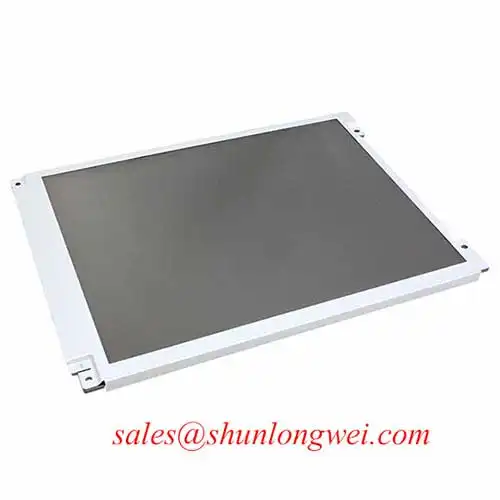
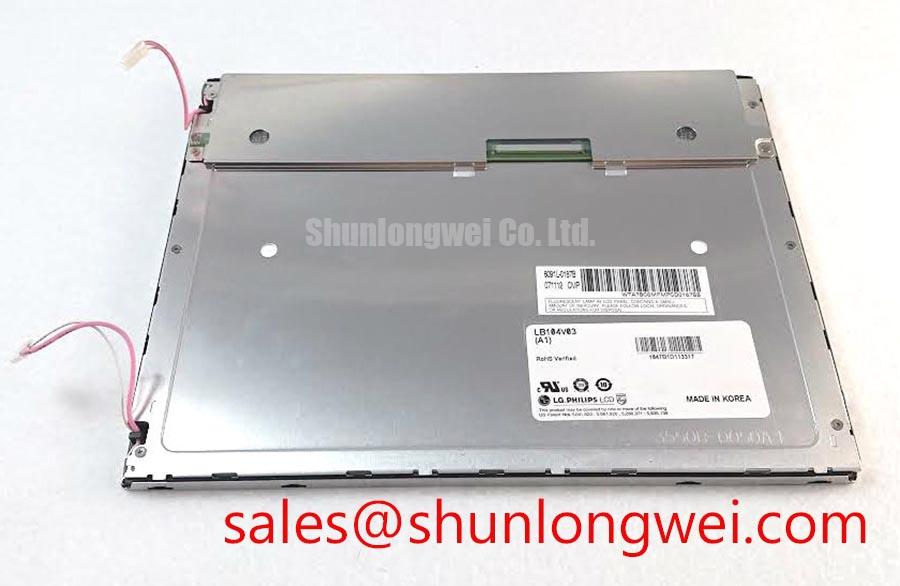
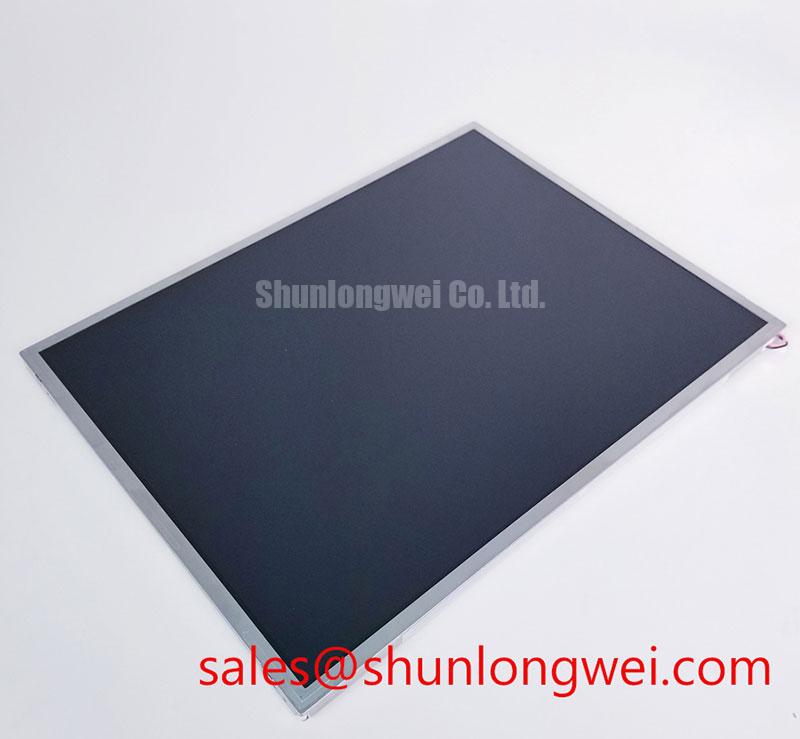
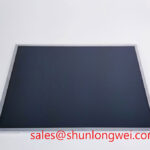
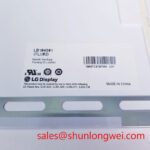
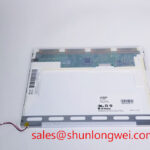
The LB104S01(TL)(02) is a robust 10.4-inch SVGA TFT-LCD engineered for long-term operational reliability in demanding industrial environments. Featuring key specifications of 800x600 SVGA | -10 to 70°C Operating Temp | 230 cd/m² | LVDS Interface, this display is built to perform where commercial-grade panels fail. Its design delivers two critical engineering benefits: extended system lifespan and simplified field maintenance. The standard SVGA resolution and LVDS interface ensure straightforward integration into existing industrial control systems, minimizing redesign efforts. For industrial HMIs requiring proven durability and a low total cost of ownership, the LB104S01(TL)(02) is a strategically sound choice.
Key Parameter Overview
Highlighting the Specifications for Environmental Durability
The technical specifications of the LB104S01(TL)(02) underscore its suitability for challenging industrial applications. The parameters are optimized not just for visual performance but for sustained operation over an extended lifecycle.
| Parameter | Specification | Engineering Significance |
|---|---|---|
| Screen Size | 10.4 inch | Standard diagonal for a wide range of industrial enclosures and HMI panels. |
| Resolution | 800(RGB)×600, SVGA | Ensures backward compatibility with a vast installed base of industrial software and controllers. |
| Display Technology | a-Si TFT-LCD, Transmissive | A mature and reliable TFT-LCD technology known for its stability and cost-effectiveness. |
| Operating Temperature | -10 ~ 70 °C | Critical for deployment in non-climate-controlled environments like factory floors or outdoor kiosks. |
| Storage Temperature | -20 ~ 80 °C | Provides resilience during transport and storage in extreme conditions. |
| Brightness | 230 cd/m² (Typ.) | Sufficient for most indoor industrial HMI and process control applications. |
| Interface Type | LVDS (1 ch, 6-bit) | A robust, low-noise digital interface standard in industrial systems. |
| Backlight System | 1 pcs CCFL, 40K hours (Typ.), Replaceable | The replaceable backlight is a key feature for extending the display's service life and lowering TCO. |
| Surface Treatment | Antiglare, Hard coating (3H) | Improves readability in varied lighting and adds a layer of physical protection. |
Application Scenarios & Value
System-Level Benefits in Industrial Automation and Control
The LB104S01(TL)(02) is not merely a component; it is an enabling technology for creating dependable human-machine interfaces. Its primary value is realized in environments where consumer-grade displays would quickly fail. Consider a process control HMI on a manufacturing floor, subject to significant ambient temperature swings from nearby machinery. The LB104S01(TL)(02)'s wide -10 to 70°C operating range ensures the display remains stable and functional without requiring complex and costly active cooling or heating systems within the NEMA enclosure. This directly translates to higher system reliability and uptime. The anti-glare surface treatment further enhances value by ensuring critical process data is legible to operators under harsh overhead factory lighting, reducing the risk of errors. While this model provides excellent performance for its class, for applications requiring higher brightness in a similar form factor, the G104S1-L01 presents an alternative.
Technical Deep Dive
A Closer Look at Serviceability and Total Cost of Ownership
A defining feature of the LB104S01(TL)(02) is its serviceable design, specifically the replaceable Cold Cathode Fluorescent Lamp (CCFL) backlight. In the lifecycle of an industrial display, the backlight is often the first component to degrade, leading to a gradual decrease in brightness. What is the benefit of its replaceable backlight? It decouples the lifespan of the backlight from the lifespan of the entire TFT panel. This design choice has a significant impact on the Total Cost of Ownership (TCO). Instead of a costly and time-consuming replacement of the entire HMI unit, a technician can perform a field replacement of just the CCFL unit. This is analogous to changing a fuse rather than replacing an entire power supply; it minimizes downtime, reduces spare parts inventory costs, and extends the operational life of the capital equipment it is integrated into, a critical consideration detailed in guides comparing industrial versus consumer displays.
Frequently Asked Questions (FAQ)
Engineering Questions on Longevity and Integration
What is the primary advantage of the replaceable CCFL backlight unit?
The key advantage is a significantly lower Total Cost of Ownership (TCO). It allows for targeted, low-cost field maintenance to restore display brightness, extending the service life of the entire HMI or host system without requiring a full panel replacement. This maximizes the return on the initial hardware investment.
How does the -10°C to 70°C operating temperature range impact system design?
This wide range simplifies thermal management. It allows the display to be integrated into sealed, fanless enclosures in environments with poor climate control, reducing system complexity, cost, and potential points of failure associated with active cooling components.
Is the LVDS interface on the LB104S01(TL)(02) compatible with modern single-board computers?
Yes, the single-channel, 6-bit LVDS interface is a widely adopted standard. Many industrial single-board computers (SBCs) and controller boards offer direct LVDS outputs or can be adapted easily, ensuring broad compatibility for both new designs and legacy system upgrades.
What makes the SVGA (800x600) resolution a strategic choice for industrial applications?
SVGA resolution remains a cornerstone for a vast number of industrial control software applications. Choosing an SVGA panel like this one guarantees compatibility without requiring software redevelopment or driver modification, making it an ideal, low-risk drop-in replacement or choice for new systems based on proven platforms.
Strategic Considerations for System Architecture
Integrating the LB104S01(TL)(02) is a decision that prioritizes long-term reliability and serviceability over cutting-edge resolution or features. It represents a commitment to operational continuity, particularly for equipment with an expected service life of a decade or more. For engineering managers and system architects, this display provides a stable, predictable platform that mitigates the risks of premature failure and costly, unplanned downtime. Its design philosophy aligns with the core tenets of industrial equipment manufacturing: build for durability, design for maintainability, and ensure a low total cost of ownership over the product's entire lifecycle.