


Content last revised on February 4, 2026
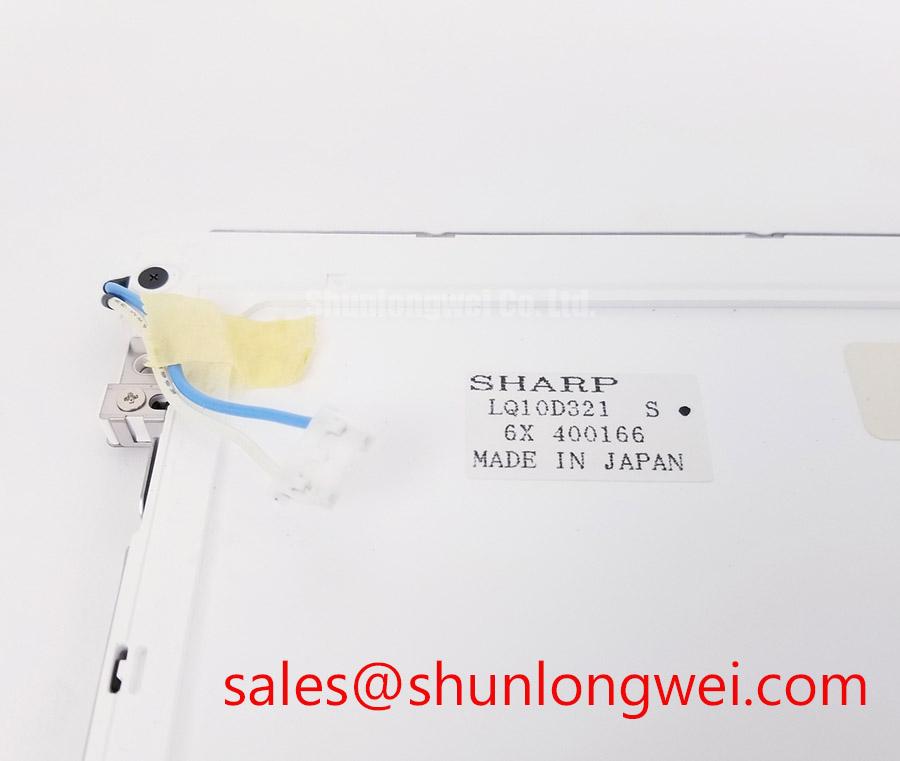
LQ10D321 | Sharp 10.4" 640x480 VGA TFT-LCD Display | Legacy System Sustainment
A Form-Fit-Function Solution for Sustaining Critical Systems
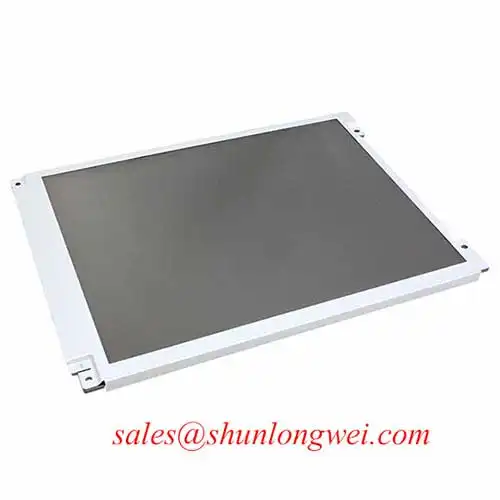
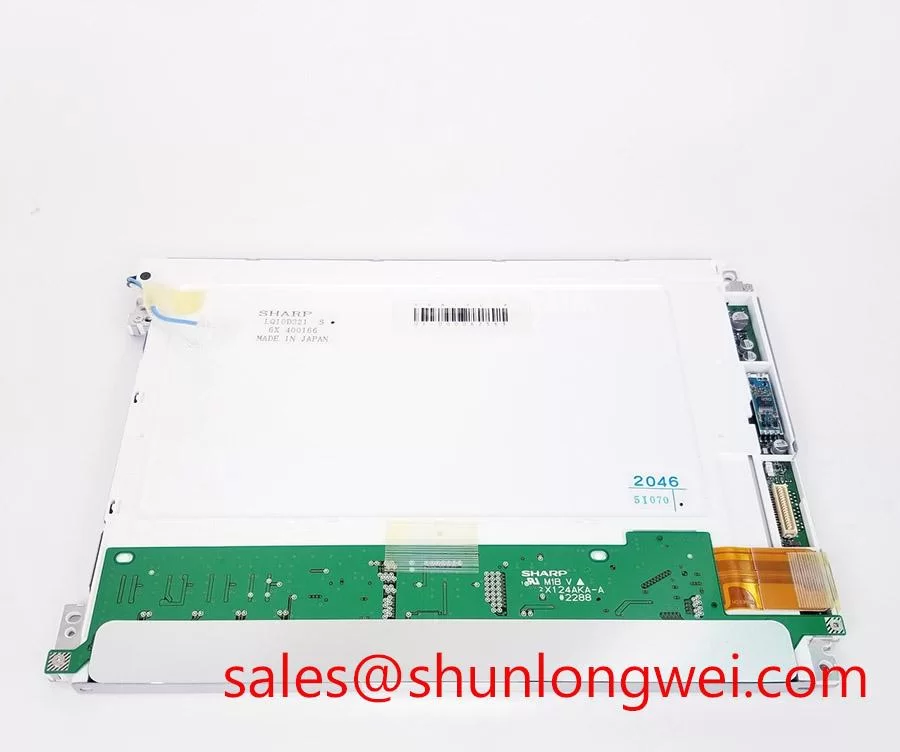
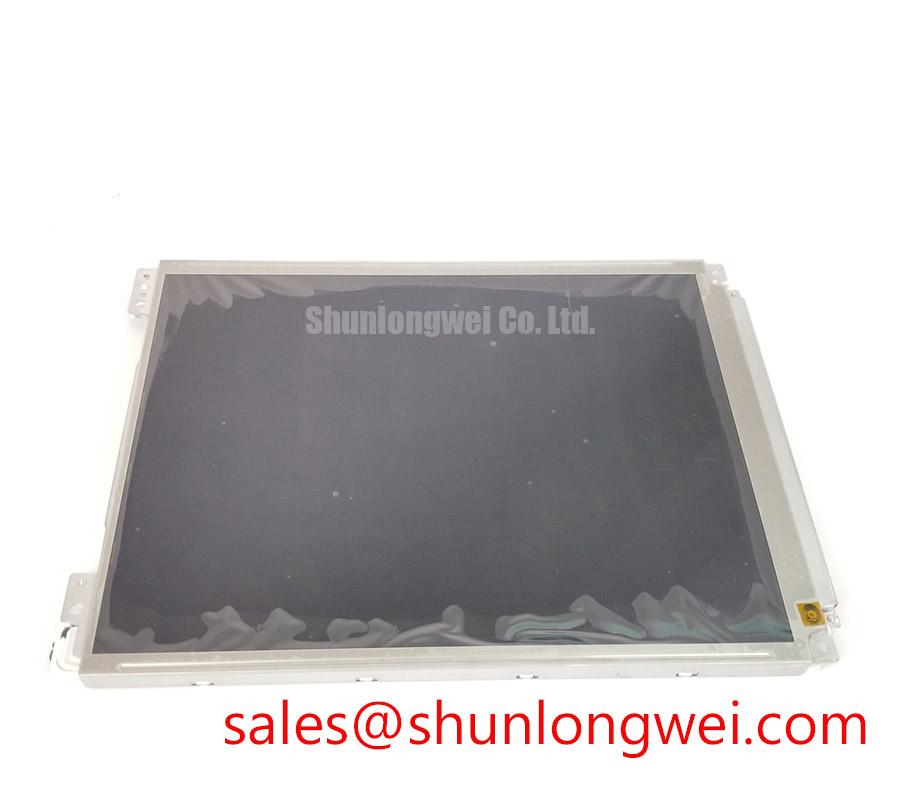
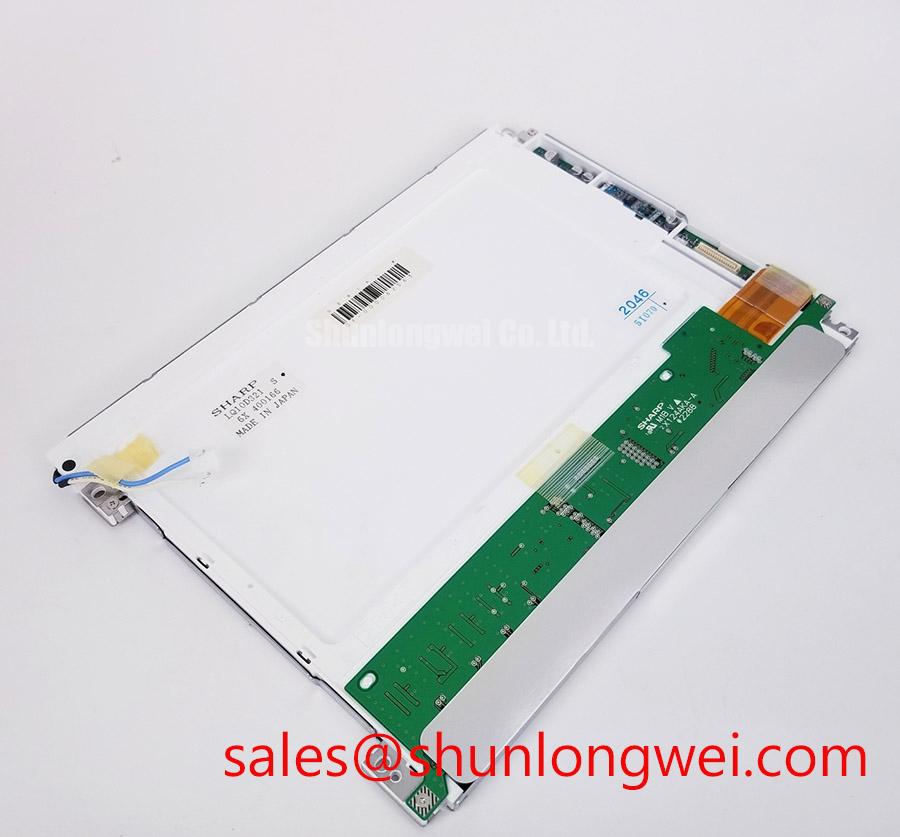
The Sharp LQ10D321 is a 10.4-inch a-Si TFT-LCD engineered to ensure operational continuity for legacy industrial and medical systems demanding a native VGA interface. Key specifications include a 640x480 resolution, 200 cd/m² brightness, and an integrated CCFL backlight inverter. Its defining advantages are its function as a drop-in mechanical replacement and its simplified electrical integration with vintage host controllers. This module provides a direct, form-fit-function solution for replacing obsolete 10.4" VGA panels, minimizing system downtime and re-qualification costs. For sustaining industrial HMIs or medical monitors originally designed with CCFL-backlit VGA displays, the LQ10D321 is the definitive component choice.
Key Parameter Overview
Technical Specifications for Legacy System Integration
The technical profile of the Sharp LQ10D321 is tailored for seamless integration into existing equipment. Its parameters are designed to match the performance and interface requirements of systems developed in an earlier technological era, thereby eliminating the need for costly redesigns. The integrated nature of its backlight system is a crucial feature for maintenance and repair operations.
| Feature Category | Specification | Engineering Significance |
|---|---|---|
| Display Characteristics | 10.4-inch a-Si TFT-LCD Panel | Provides the exact physical dimensions for replacing existing panels without mechanical modification. |
| Optical Performance | Resolution: 640(RGB) x 480 [VGA] | Ensures 1:1 pixel mapping with legacy VGA controllers, preventing image scaling artifacts. |
| Brightness: 200 cd/m² (typ.) | Standard luminosity suitable for indoor industrial and medical environments. | |
| Contrast Ratio: 150:1 (typ.) | Delivers clear differentiations for text and graphical user interfaces in control applications. | |
| Electrical Interface | Interface: Parallel RGB (1 channel, 6-bit) | Guarantees direct electrical compatibility with a wide range of older microcontrollers and graphics chips. |
| Color Depth: 262K | Supports the color palettes commonly used in legacy HMI and diagnostic software. | |
| Integrated Components | Backlight: 2 x CCFL with bundled inverter | A single-module solution that simplifies sourcing and reduces repair complexity and time. |
| Physical Dimensions | Active Area: 211.2(W) x 158.4(H) mm | Matches the viewing area of the original components it is designed to replace. |
Application Scenarios & Value
Ensuring Longevity in Critical Industrial and Medical Equipment
The primary value of the Sharp LQ10D321 lies in lifecycle sustainment for high-value capital equipment. Consider a CNC machine tool from the late 1990s or early 2000s; while its mechanical systems remain robust, its original HMI panel may fail. The engineering challenge is not just finding a screen, but finding one that avoids a costly system-level overhaul. The LQ10D321's native 640x480 VGA resolution and parallel interface directly address this challenge. It allows a technician to replace a failed display without needing to install signal converters, create new mounting brackets, or, most critically, recompile or validate the machine's control software. This is a direct enabler of MRO (Maintenance, Repair, and Operations) strategies that prioritize uptime and minimize total cost of ownership. What is its core application? Its function is a form-fit-function replacement for legacy VGA panels.
This module is foundational for extending the operational life of systems in sectors such as process automation, medical monitoring, and specialty instrumentation. While the LQ10D321 is purpose-built for native VGA systems, platforms that require a higher 800x600 resolution might consider the G104S1-L01. For designs based on the same 640x480 format but requiring a modern LED backlight and significantly higher brightness, the G104VN01 V0 presents an alternative technological path.
Industry Insights & Strategic Advantage
The Role of Legacy Components in Maximizing Industrial Asset ROI
In the context of Industry 4.0, the focus is often on new technology. However, a significant portion of the world's industrial infrastructure is built on proven, long-serving equipment. The concept of lifecycle sustainment is a critical economic driver for asset managers. The greatest expense in replacing a component like a display is rarely the component itself, but the associated costs of re-engineering, testing, and re-certification. The Sharp LQ10D321 is a strategic asset in this framework. Its existence allows manufacturers of high-value systems, from CNC machine controls to medical monitoring equipment, to offer extended service life agreements and spare parts support, thereby increasing customer loyalty and maximizing the return on the original capital investment.
Frequently Asked Questions
Engineering Questions on Implementation and Reliability
What is the primary advantage of the integrated backlight inverter for the LQ10D321?
The integrated inverter simplifies the entire supply chain and repair process. It provides a pre-validated, single-module solution, eliminating the need to source and match a separate, often difficult-to-find, high-voltage inverter for the CCFL tubes. This reduces engineering overhead and system downtime during maintenance.
How does the 18-bit parallel RGB interface impact integration with older industrial controllers?
This interface is a key feature for backward compatibility. It provides a direct, low-latency connection to the frame buffer of many legacy processors without requiring an LVDS or eDP converter chip. This is analogous to having a key that fits an old lock perfectly, avoiding the need to hire a locksmith to change the entire door mechanism. It ensures electrical "drop-in" compatibility.
The specified viewing angle is relatively narrow. For which applications is this acceptable?
The viewing angles are optimized for a single operator positioned directly in front of the screen, which is typical for many industrial machine controls and embedded instrumentation panels. In these scenarios, the operator's position is fixed, making wide viewing angles unnecessary. This design choice was standard for a-Si TFT technology of its era.
Is this display a suitable drop-in replacement for other 10.4" VGA panels?
In many cases, yes. However, an engineer must always verify three key aspects before procurement: the mechanical dimensions and mounting points, the pinout of the 31-pin connector, and the electrical characteristics (voltage and current) of the logic and backlight power rails. While the LQ10D321 is a strong candidate, confirming these details against the original panel's datasheet is a critical step for guaranteed success.
The strategic deployment of the Sharp LQ10D321 is not merely about repairing old equipment; it is about making a calculated decision to preserve the value and functionality of a proven, certified system. By providing a direct replacement path, this display allows engineering resources to be focused on future innovation rather than being diverted to costly and time-consuming legacy redesigns.