Content last revised on September 23, 2026
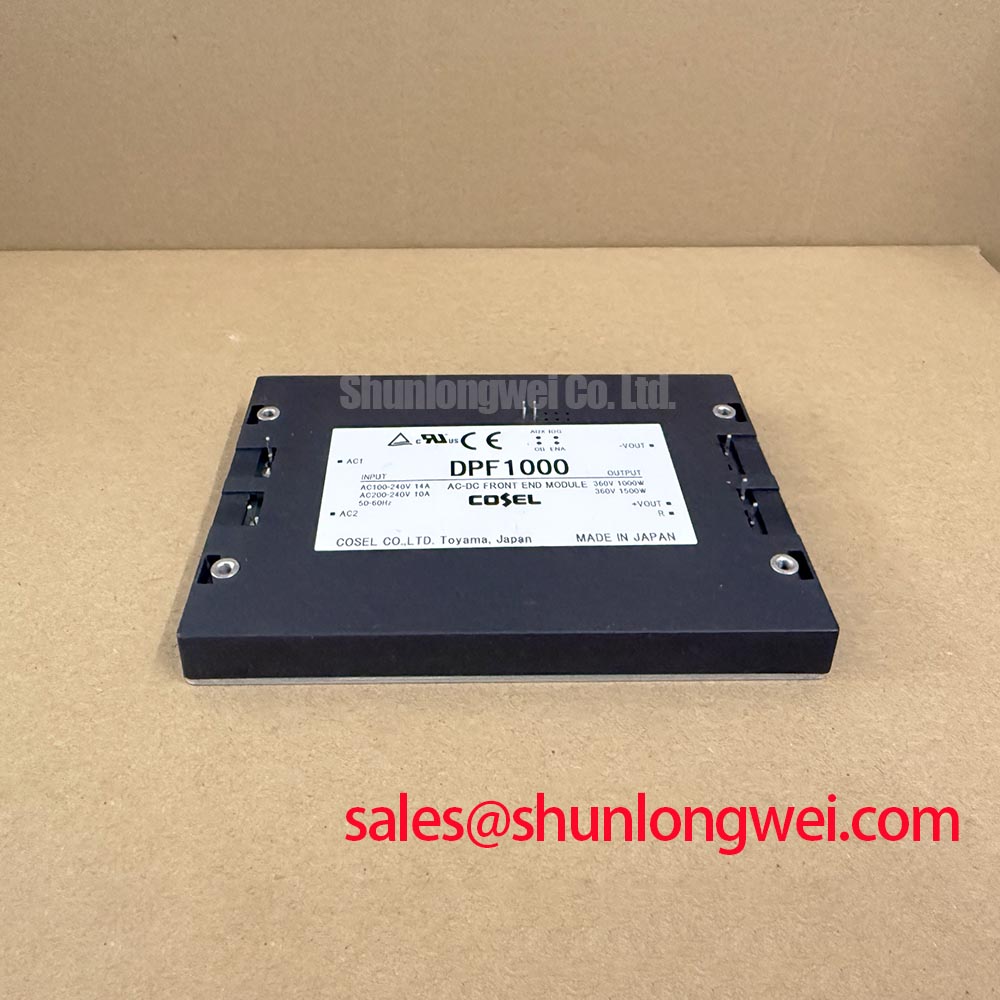
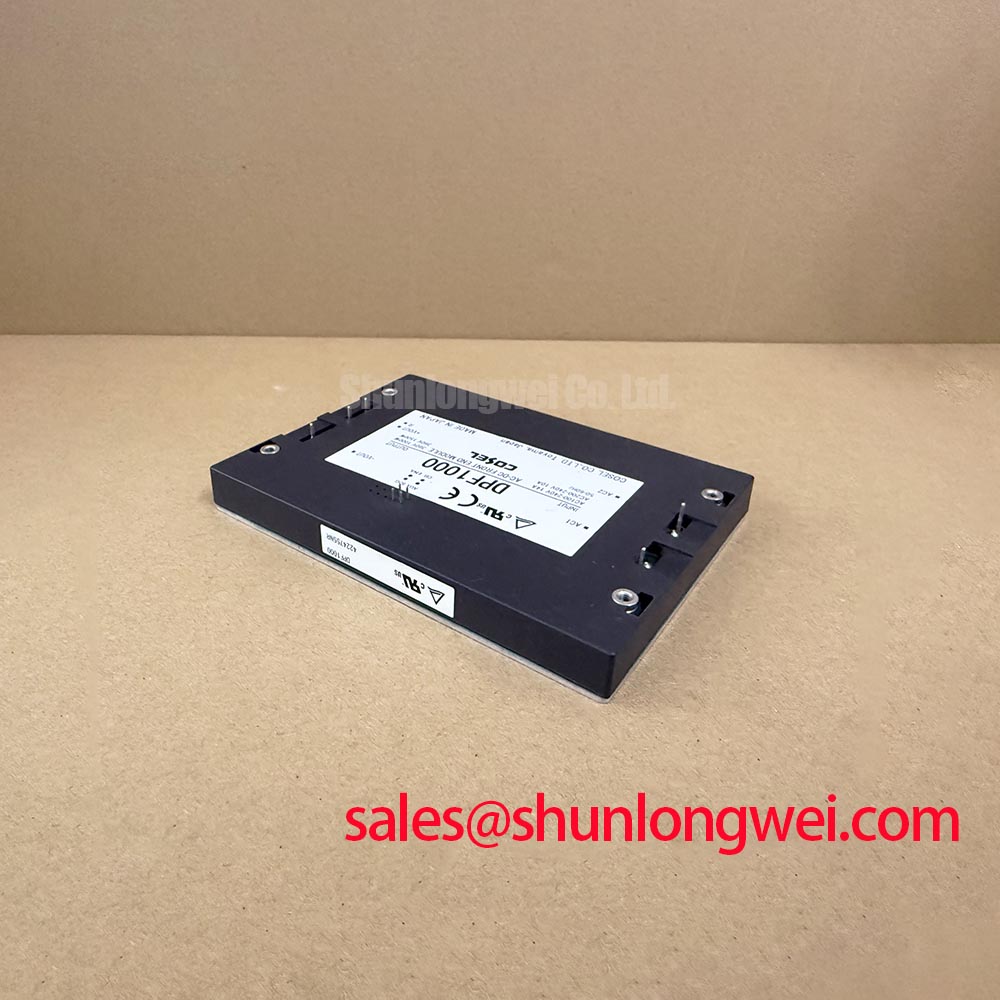
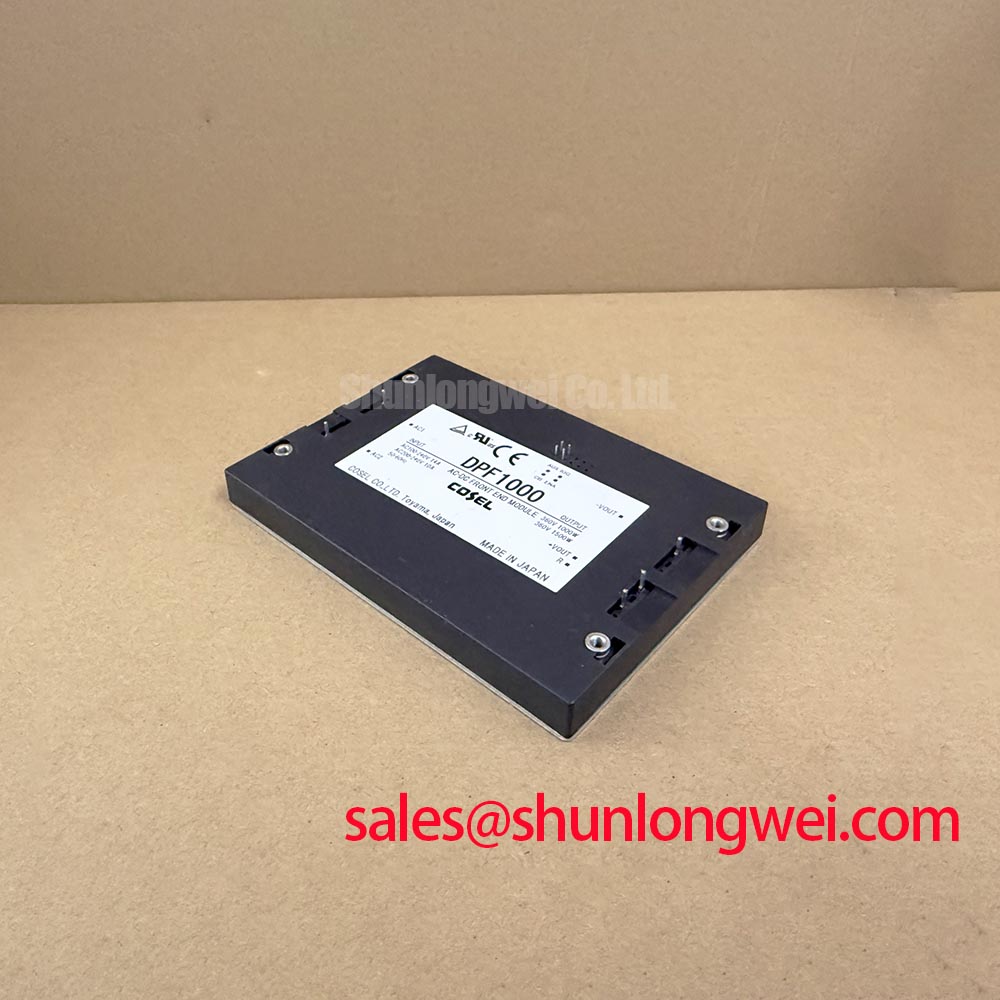
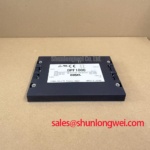
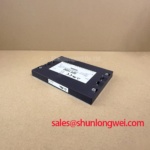
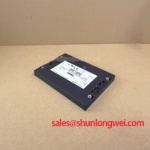
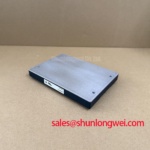
DPF1000 Danfoss Standard Industrial Rating IGBT Module
Before installing a replacement, isolate the drive, inspect the Danfoss Silicon Power housing, verify the terminal markings against the original assembly, and perform a cold-state impedance check without applying gate or DC-link voltage. The DPF1000 is identified in the supplied product data as a Danfoss IGBT module with a Standard Industrial Rating for operating voltage and a Standard Operating Current designation. The available specification context does not provide a numerical voltage, current, dimensional drawing, internal circuit topology, or terminal map, so those values must be confirmed from the original equipment documentation before procurement or installation.
| Parameter | Available product information | Engineering use |
|---|---|---|
| Model | DPF1000 | Use the complete marking when matching the installed power stage. |
| Manufacturer | Danfoss | Confirm the manufacturer marking and equipment bill of materials. |
| Product category | IGBT Module | Evaluate as a power switching module, not as a complete drive assembly. |
| Working voltage | Standard Industrial Rating | Verify the numerical rating against the applicable datasheet and DC-link design. |
| Rated current | Standard Operating Current | Verify the numerical current rating, duty cycle, switching conditions, and cooling path. |
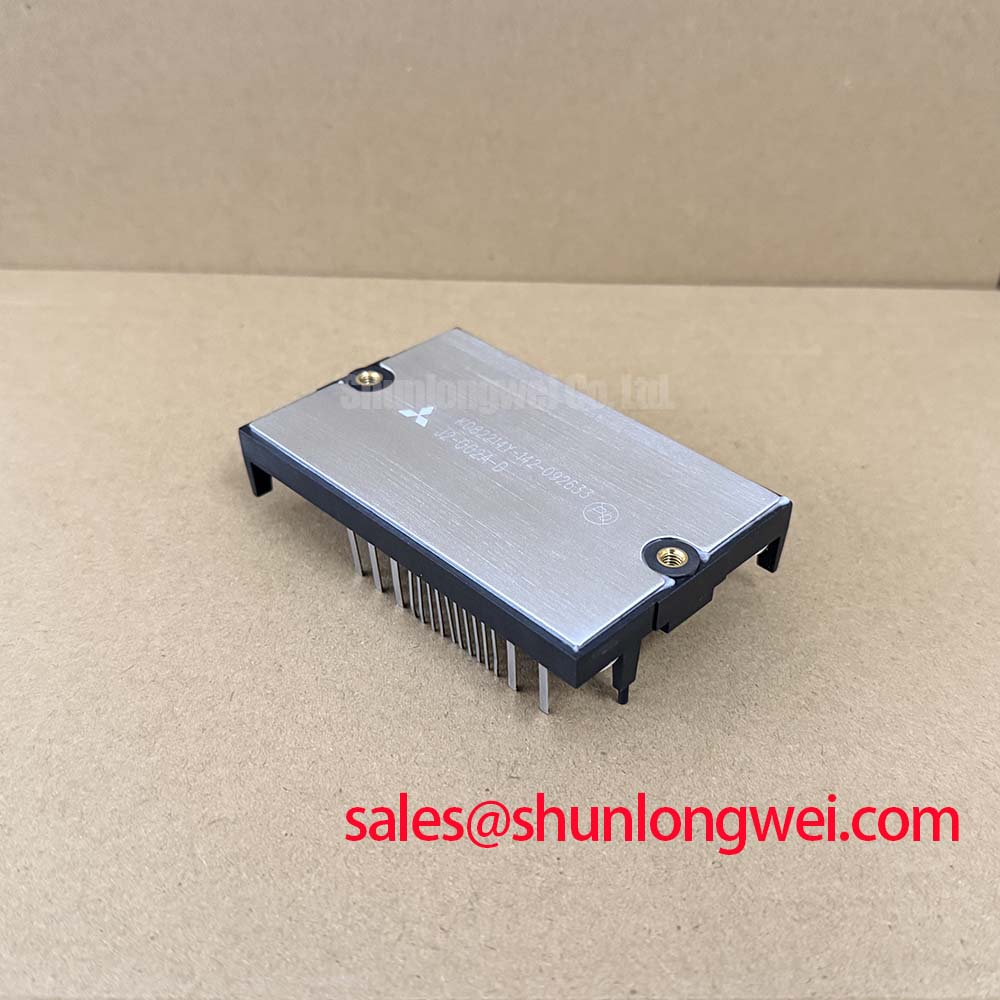
| Package or housing | Danfoss Silicon Power | Check mechanical fit, terminal geometry, insulation interfaces, and baseplate contact. |
For a heavy-duty variable frequency AC motor drive, a replacement decision should include the DC-link voltage, motor current, overload profile, carrier frequency, braking duty, gate-drive arrangement, cooling method, and busbar geometry. These are system compatibility checks rather than additional factory specifications for DPF1000. A module that fits mechanically still requires electrical and thermal validation under the actual switching conditions.
DPF1000 Operational Boundaries: Evaluating Auxiliary Emitter Return Trace Separation Limits
Start the inspection at the power terminals and work back toward the gate-drive connector. If the original assembly uses an auxiliary emitter or Kelvin-style return, do not assume that this terminal can share the same copper path as the main high-current emitter connection. The gate-driver reference should follow the terminal definition documented for the installed module, while the high-current return should use a separate, low-impedance path designed for the commutation current. This is a Design Consideration for the surrounding circuit, not a confirmed internal feature of every DPF1000 configuration.
Shared return paths can introduce voltage developed by common inductance into the gate-control reference. During turn-off, the resulting disturbance may appear as ringing, delayed switching, or an apparent false trigger. The practical layout principle is to keep the auxiliary return physically separate from the main emitter current loop until the intended reference point. Minimize the area of the gate-drive loop, avoid routing it alongside high-current collector or emitter conductors for long distances, and verify the result with a differential probe at the module terminals rather than at a remote driver test point.
When a drive trips after a module replacement, inspect the terminal stack, copper washers, busbar pressure, connector seating, and driver reference continuity before changing gate resistors. Compare the suspect phase with a known-good phase under controlled low-energy testing. An oscilloscope can help identify impedance mismatch, excessive common-emitter movement, or unequal turn-on and turn-off behavior, but the acceptable waveform must be determined by the complete drive design and the module documentation.
For parallel switching devices, static and dynamic current sharing require separate checks. A positive temperature coefficient can support current balancing in some operating regions, but it should not be assumed without the relevant transfer and thermal data. Match gate-drive timing, emitter path impedance, thermal contact, and busbar geometry, then validate current sharing during the intended load cycle. The neutral comparison option MBM200H45E2-H should be assessed from its own datasheet rather than treated as an automatic substitute for DPF1000.
Benchtop Waveform Tuning: Mitigating Stress via Isolated DC-DC Power Supply Sizing for DPF1000
Bench testing should begin with the drive disconnected from the motor and with the DC link controlled by an approved laboratory procedure. Confirm the gate-driver supply voltage from the original drive documentation; the supplied DPF1000 information does not state a gate-emitter voltage, undervoltage lockout threshold, isolation rating, or common-mode transient immunity value. Any requirement for a reinforced galvanic barrier above 5 kV or a CMTI capability above 100 kV/µs is therefore a system-level selection criterion for the isolated driver supply, not an official DPF1000 specification.
Size the isolated DC-DC supply from the real gate-charge demand, switching frequency, driver quiescent current, start-up behavior, and transient current capability. The correct value is determined by the selected gate driver and switching profile. Observe the driver supply with an appropriately rated differential probe while checking turn-on, turn-off, fault reset, and repeated phase-angle conduction events. If the supply dips during a switching burst, investigate source impedance, transformer capacity, decoupling placement, and driver demand before attributing the behavior to the IGBT module.
Line-frequency ripple smoothing should be evaluated at the rectifier and DC-link levels. A drive that shows stable behavior with a stiff laboratory supply may respond differently when supplied through the original rectifier, precharge circuit, and capacitor bank. The auxiliary power supply and the power circuit should be tested together so that common-mode transients, control reference movement, and gate-driver reset behavior are visible in the same capture.
RC snubbers can reduce ringing when their values are selected from measured parasitic behavior and switching loss limits. They are not universal corrective parts. First inspect the commutation loop, laminated busbar condition, capacitor connection, and probe technique. Then compare collector-emitter voltage and gate-emitter voltage during controlled switching. Any snubber change should be confirmed against device temperature, switching energy, and the DC-link voltage margin established by the system engineer.
The front-end topology may include an associated rectifier or auxiliary power stage. In that context, engineers can review P950A as a separate, neutrally described component reference. It should not be treated as a prescribed companion part for DPF1000 without checking the complete circuit and the applicable electrical ratings.
Transient Dynamics & Electrical Design: Dynamic Braking Chopper Operation on DPF1000
When DPF1000 is evaluated in a variable frequency AC motor drive with dynamic braking, identify whether the braking switch is integrated into the module or implemented as a separate power stage. The supplied product data does not confirm an internal braking transistor, diode arrangement, terminal assignment, or braking voltage threshold. The drive schematic and the original module documentation must establish that topology before a replacement is ordered.
The braking circuit transfers motor deceleration energy into the DC link and then into a high-power ballast resistor. Resistor selection is determined by motor inertia, stopping time, repetition rate, DC-link operating range, thermal duty, and the drive protection strategy. Do not select the resistor from continuous motor current alone. The switching device, resistor, wiring, fuse protection, and enclosure ventilation must be evaluated as one energy-management path.
During troubleshooting, inspect the braking resistor for open connections, thermal discoloration, loose lugs, and evidence of intermittent contact. Check the chopper command at the driver interface and compare it with the DC-link waveform during a controlled deceleration. A trip during braking may involve DC-link sensing, precharge behavior, resistor thermal protection, gate-drive interruption, wiring inductance, or motor regeneration. These observations narrow the fault area without assigning a single cause prematurely.
Busbar arrangement matters during turn-off. Minimize the commutation loop and keep the gate-drive wiring away from the high-current braking path. Excess parasitic inductance can increase voltage overshoot during rapid current change, so the system engineer should verify the measured peak against the applicable DC-link and semiconductor limits. The relationship between inductance, current slew rate, and overshoot is an Engineering Calculation only when the measured circuit values and switching conditions are known.
For high-voltage installation work, creepage distance, clearance, pollution level, material group, and enclosure conditions should be assessed under the applicable insulation-coordination method. The general principles described in Insulation Coordination for High Voltage Equipment provide background, but they do not certify DPF1000 or the complete drive. Avalanche behavior should also be considered when reviewing turn-off stress; the discussion at Avalanche Breakdown in High Voltage Power Semiconductors is a general technical reference rather than a device-specific rating.
Transient Dynamics & Electrical Design: Baseplate Convexity Compensation and Screw on DPF1000
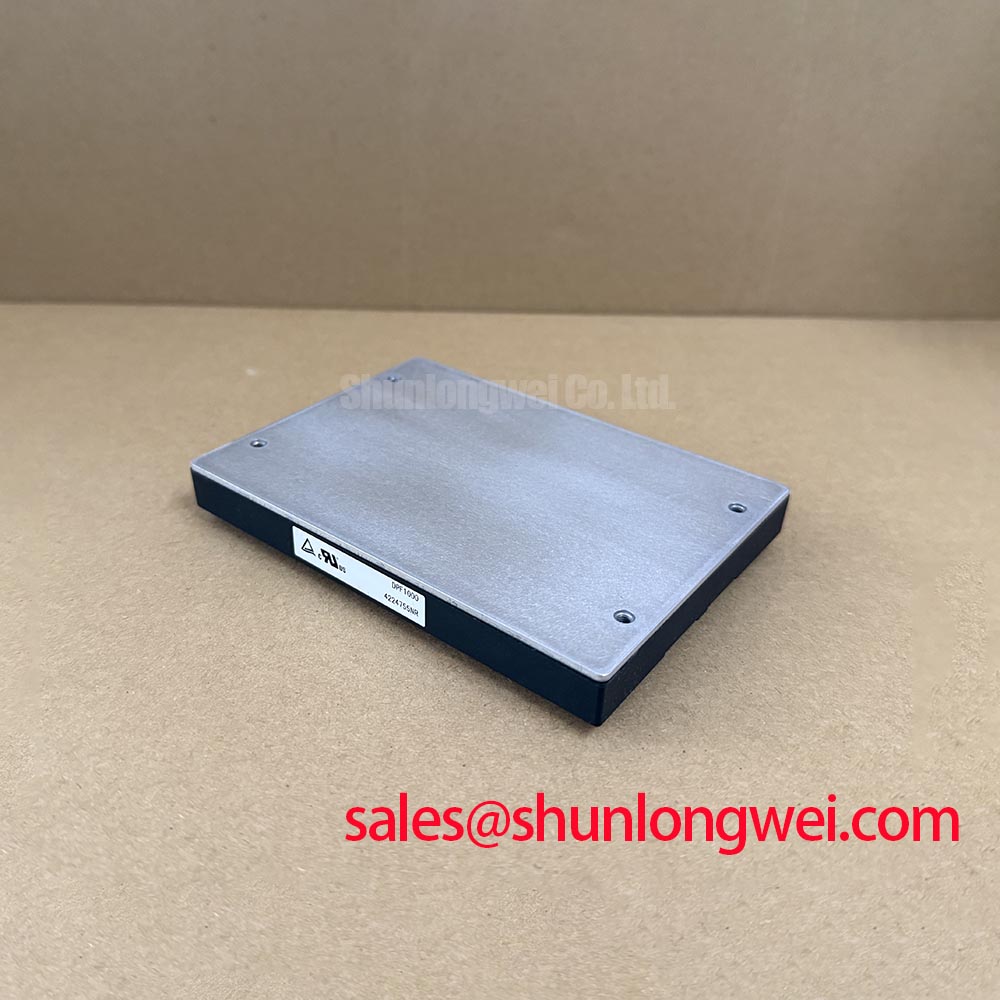
Remove the module only after the DC link, auxiliary supplies, and stored energy have been verified safe with the site-approved procedure. Before fitting DPF1000, clean the heatsink surface, inspect the baseplate for burrs or contamination, and check that the mounting surface is free from distortion that could concentrate pressure at one edge. The package is identified as Danfoss Silicon Power, but the supplied information does not state the baseplate dimensions, flatness tolerance, screw size, or manufacturer torque value.
Thermal interface material should cover the intended contact area with a uniform, controlled layer. A typical industry starting point may involve a thin application in the tens-of-micrometres range, but the correct thickness depends on the selected compound, surface finish, pressure, and manufacturer instructions. Designers should avoid trapped air, excessive compound, and dry zones. If a thermal pad is specified by the original assembly, do not replace it with grease without checking thermal impedance, electrical insulation, and mechanical compression requirements.
Baseplate convexity compensation is a mechanical integration issue. A compliant interface can accommodate limited surface variation, but it cannot correct a damaged heatsink, tilted fastener boss, or uneven clamping sequence. Tighten fasteners progressively in a cross-pattern where the hardware instructions require it, allowing the baseplate to settle without forcing one corner down first. After assembly, verify that the module remains seated, the power terminals are not mechanically loaded, and the thermal interface has not been displaced.
Field Alert: De-energize and verify the DC link before touching terminals, and use the exact mounting hardware and torque procedure specified for the original assembly rather than applying an assumed value.
After installation, measure phase resistance and gate-control continuity using a method suitable for the circuit, then inspect insulation from the correct test points with the module manufacturer’s limits and the drive service procedure in hand. A thermal camera during a controlled load test can reveal uneven contact or current sharing, while an oscilloscope can confirm switching symmetry. Record the actual terminal configuration, cooling arrangement, and test conditions in the service report. The Field Engineer’s Handbook can be used as a supporting reference for structured testing and failure analysis.