Content last revised on September 10, 2026
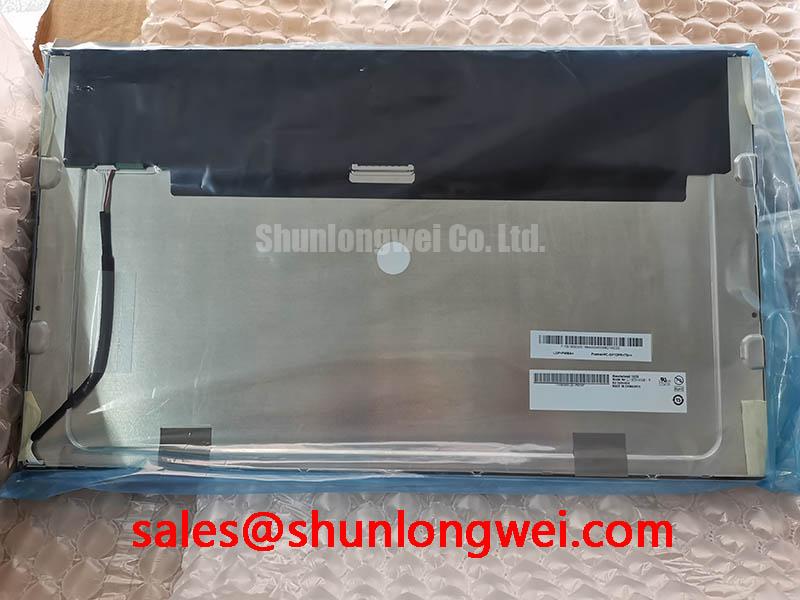
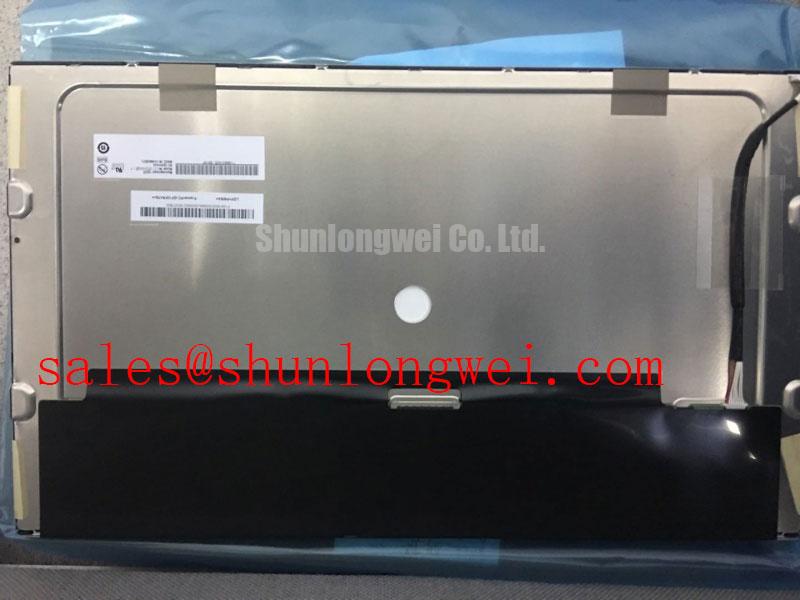
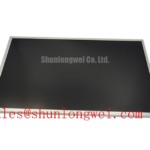
G185HAN01.3: 18.5-inch FHD Display for High-Clarity Industrial HMI and Medical Imaging
Engineering a Superior Visual Experience
Delivering Clarity and Durability for Demanding Professional Environments
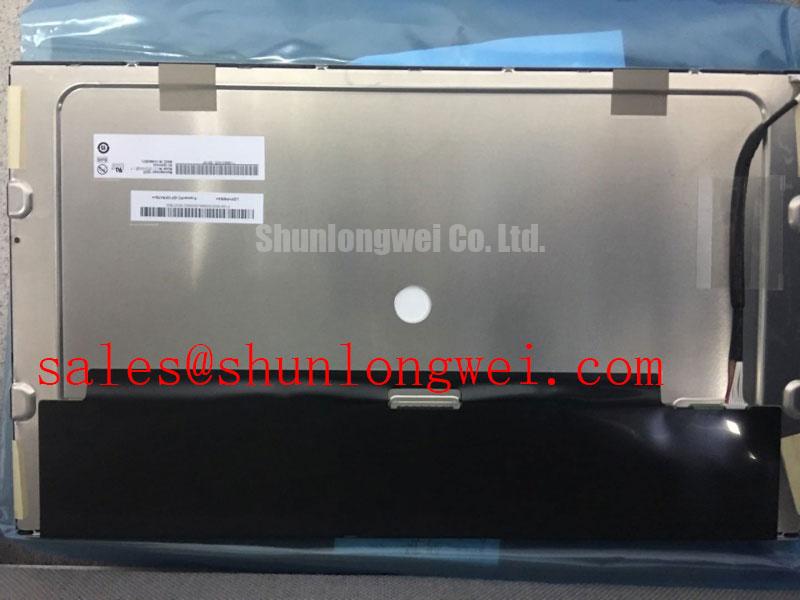
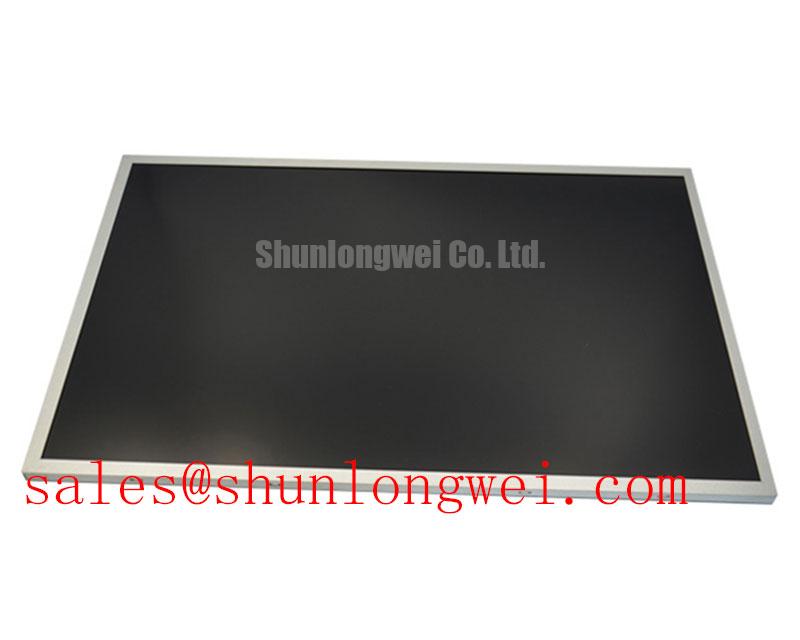
The AUO G185HAN01.3 is an 18.5-inch a-Si TFT-LCD module engineered for applications where visual precision and operational reliability are non-negotiable. It delivers a full HD experience built upon AHVA technology for consistent, wide-angle viewing. For systems requiring robust, long-life performance in challenging settings like factory floors or medical facilities, the G185HAN01.3 provides a stable and high-quality visual interface. What is the primary benefit of its wide viewing angle? It ensures image fidelity and color accuracy for multiple viewers from off-axis positions, critical for collaborative environments.
This display integrates a high-brightness WLED backlight and a durable anti-glare surface to maintain excellent readability under varied ambient lighting. Best fit for industrial control panels and diagnostic displays, its combination of high brightness and wide operational temperature range ensures consistent performance. Key specifications include: 1920x1080 FHD | 500 cd/m² Brightness | -20 to 70°C Operating Temperature. The key benefits are superior image clarity from any angle and a 50,000-hour backlight lifespan for reduced total cost of ownership.
Application Scenarios & Value
System-Level Benefits in High-Fidelity Visualization
The G185HAN01.3 is optimized for integration into systems where data accuracy and visual clarity directly impact operational efficiency and safety. Its core value lies in translating digital information into unambiguous, easily readable visual output under demanding conditions.
A high-fidelity engineering scenario is its use in advanced medical imaging carts. In such an environment, multiple clinicians often view diagnostic data simultaneously from different positions around the display. A typical challenge is off-axis color or contrast shift, which can lead to misinterpretation. The G185HAN01.3 directly solves this with its AHVA technology and symmetrical 89/89/89/89 viewing angles, ensuring that critical details and grayscale subtleties remain consistent regardless of the viewing position. This performance is analogous to ensuring everyone in a conference room sees the exact same presentation, eliminating ambiguity. The 500-nit brightness further enhances visibility in brightly lit hospital environments. What is the impact of its wide temperature range? It guarantees reliable startups and stable operation in environments without precise climate control, from factory floors to mobile diagnostic stations.
While the G185HAN01.3's 18.5-inch format is ideal for many panel-mount applications, systems requiring a larger diagnostic canvas may find the related G215HAN01.0 a suitable alternative, offering similar FHD performance in a 21.5-inch form factor. For more compact HMI designs, the G156HAN02.1 provides a 15.6-inch solution.
Key Parameter Overview
Specifications and Their Engineering Significance
The G185HAN01.3's specifications are tailored for industrial and professional applications, emphasizing performance, durability, and ease of integration.
| Parameter | Specification | Engineering Value |
|---|---|---|
| Display Technology | 18.5-inch a-Si TFT-LCD, AHVA, Normally Black | AHVA (Advanced Hyper-Viewing Angle) technology provides superior color fidelity and consistent brightness from ultra-wide viewing angles (89/89/89/89), critical for multi-user interfaces and off-axis readability. |
| Resolution & Pixel Density | 1920(RGB)×1080 (FHD) / 119 PPI | Full HD resolution ensures sharp, detailed rendering of complex GUIs, schematics, and diagnostic imagery. A 119 PPI density provides crisp text and smooth graphics. |
| Luminance & Contrast | 500 cd/m² (Typ.) / 1000:1 (Typ.) | High brightness paired with a strong contrast ratio delivers vibrant, punchy images that are easily legible in typical indoor industrial and commercial lighting conditions. |
| Backlight System | WLED, 50,000 Hours (Min.), Integrated LED Driver | A long-life backlight significantly reduces maintenance cycles and total cost of ownership. The integrated driver simplifies the system's power architecture and reduces design complexity. |
| Operating Temperature | -20°C to +70°C | The wide operating range ensures reliable performance in thermally demanding environments, such as non-climate-controlled factory floors, outdoor kiosks, or transportation systems. |
| Signal Interface | eDP (2 Lanes), 30-pin Connector | The modern eDP Interface offers a high-bandwidth, low-power, and reduced-cabling solution compared to legacy interfaces, streamlining system design and improving EMI performance. |
Download the G185HAN01.3 datasheet for detailed specifications and performance curves.
Industry Insights & Strategic Advantage
Meeting the Visual Demands of Modern Automation and Healthcare
The deployment of advanced HMI is a cornerstone of Industry 4.0 and modern healthcare informatics. These trends demand displays that are not just screens, but reliable data visualization tools. The G185HAN01.3 aligns with this by providing a feature set that addresses key industry requirements for longevity and performance. The specified 50,000-hour backlight lifetime directly supports the goal of maximizing equipment uptime and reducing the total cost of ownership—a critical metric for both factory automation and medical device procurement. Think of this long lifespan as a built-in reliability buffer, ensuring the display does not become the system's point of failure for over five years of continuous operation. This durability is essential for equipment governed by stringent reliability standards, such as those found in environments compliant with IEC 60950-1 safety standards for IT equipment.
Frequently Asked Questions
What is the primary advantage of the AHVA technology used in the G185HAN01.3?
AHVA (Advanced Hyper-Viewing Angle) is an IPS-like technology from AUO. Its key benefit is providing extremely wide viewing angles (89/89/89/89) with minimal color distortion. This is critical in collaborative settings, such as medical operating rooms or industrial control centers, where multiple operators must view the screen from different angles without loss of image fidelity.
How does the 500-nit brightness impact its use in industrial settings?
A luminance of 500 cd/m² provides excellent readability in typical indoor industrial and commercial environments, which often have bright overhead fluorescent or LED lighting. It ensures the screen content remains clear and visible, reducing operator eye strain and potential errors, unlike standard consumer-grade displays which may appear washed out.
Is the integrated LED driver a significant feature?
Yes, for system designers, the integrated LED driver is a crucial advantage. It simplifies the electronic design by eliminating the need for a separate, external driver board to power the backlight. This reduces component count, saves space within the enclosure, and can lead to a more streamlined and reliable power delivery system.
What does the -20°C to +70°C operating temperature range enable?
This wide temperature range certifies the display for use in environments that are not climate-controlled. It can withstand the cold startups of a factory in winter or the high ambient heat of an enclosed kiosk or control cabinet, ensuring consistent and reliable performance where consumer-grade displays would fail.
What is the significance of the eDP (Embedded DisplayPort) interface?
The eDP interface is a modern, high-speed digital interface that uses fewer conductors than older standards like LVDS. This results in simpler and thinner cabling, reduced potential for electromagnetic interference (EMI), and lower power consumption, all of which are valuable benefits in complex industrial and medical system design.
An Engineer's Perspective on Integration
Design Considerations for Reliability
From an integration standpoint, the G185HAN01.3 is engineered for straightforward implementation into robust systems. The side mounting holes (4-M3) provide a secure and standardized method for chassis integration, ensuring mechanical stability against vibration (rated to 1.5G). The use of a single 30-pin eDP connector for both signal and power simplifies the internal wiring harness, reducing assembly time and potential points of failure. When designing the enclosure, engineers should ensure adequate ventilation to keep the panel surface temperature within the -20 to 70°C operational window to maximize the 50,000-hour backlight life and maintain stable optical performance over the product's entire lifecycle.