



Content last revised on November 20, 2025
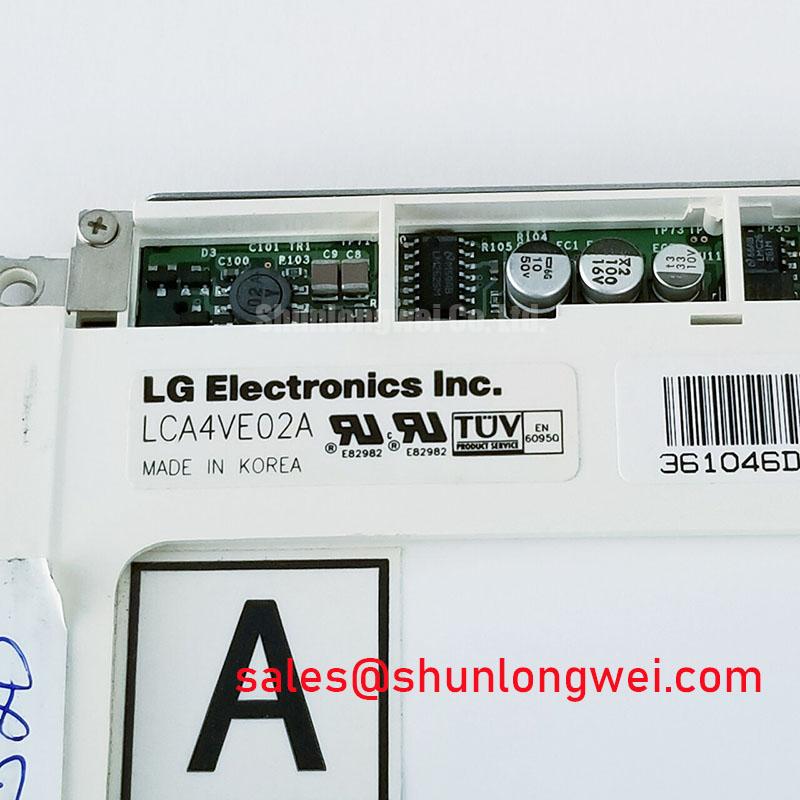
LCA4VE02A: 4.1-inch 480x128 Bar-Type Display for Industrial HMI & Legacy Systems
An Engineering-Focused Overview
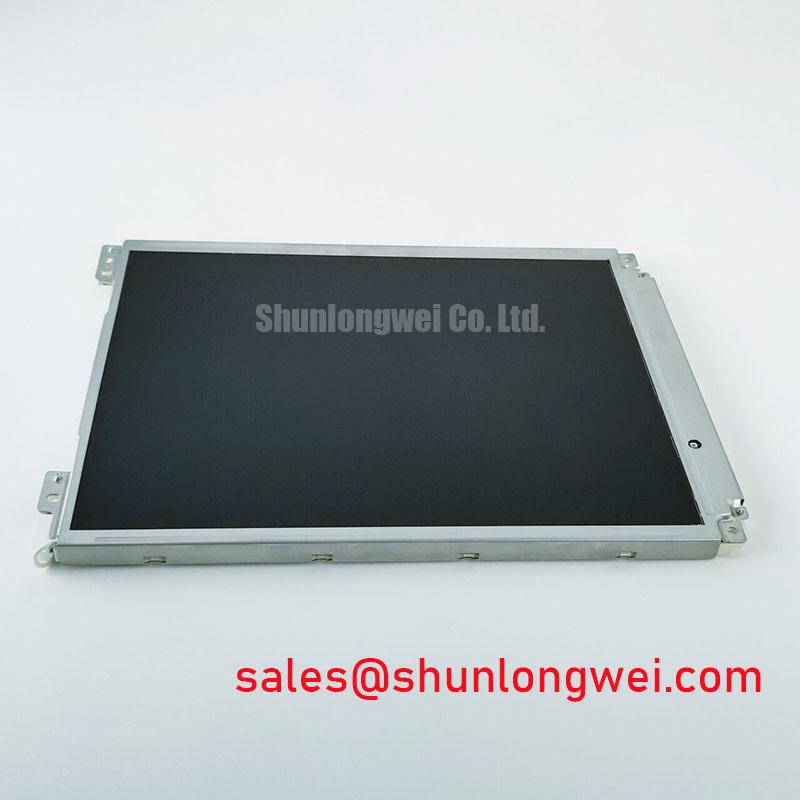
The LCA4VE02A is a robust, bar-type CSTN-LCD engineered for straightforward integration into space-constrained industrial HMIs and legacy system upgrades. This display features key specifications of a 4.1-inch diagonal size, 480x128 resolution, and a wide -20 to 70°C operating temperature range. Its primary engineering benefits include reliable performance across a wide industrial temperature envelope and a simplified parallel RGB interface for reduced development overhead. It utilizes a standard 8-bit parallel RGB digital interface, simplifying connection to many legacy and industrial single-board computers. For industrial control panels requiring a wide-format data display within a constrained vertical footprint, the LCA4VE02A is a purpose-built solution.
Application Scenarios & Value
System-Level Benefits in Specialized and Legacy Instrumentation
The unique form factor of the LCA4VE02A makes it a critical component for applications where standard aspect ratio displays are not viable. What is the benefit of a bar-type display? It fits into space-constrained designs like 1U racks or narrow control panels. Consider an engineering challenge involving the upgrade of a legacy data acquisition (DAQ) system housed in a 1U rack-mount chassis. The limited vertical height prohibits the use of conventional 4:3 displays. The LCA4VE02A's elongated 480x128 profile allows for the clear presentation of multiple data channels, status indicators, or simple menus without requiring a complete mechanical redesign of the front panel.
Furthermore, its wide operating temperature range of -20 to 70°C is a decisive factor for reliability. This specification ensures that the display can be integrated into passively cooled enclosures or deployed in environments with significant temperature fluctuations, such as factory floors or field-based monitoring equipment. This removes the need for auxiliary heating or cooling components, simplifying the overall system's thermal design and improving its long-term reliability. While the LCA4VE02A is ideal for crisp data readouts in legacy systems, applications demanding high-resolution graphics in a similar wide format might evaluate the C123HAN01.0.
Key Parameter Overview
Decoding the Specs for System Integration
The technical specifications of the LCA4VE02A are optimized for industrial utility and integration simplicity. The following table groups key parameters by function to aid in the engineering evaluation process.
| Panel Specifications | |
| Display Type | CSTN-LCD, Normally White, Transmissive |
| Diagonal Size | 4.1 inches |
| Resolution | 480×128 pixels |
| Outline Dimensions | 120.0(W) × 42.8(H) mm |
| Optical & Environmental Characteristics | |
| Luminance | 80 cd/m² (Typ.) |
| Contrast Ratio | 25:1 (Typ.) |
| Viewing Angle | 45/45/20/40 (L/R/U/D) |
| Operating Temperature | -20 ~ 70 °C |
| Storage Temperature | -30 ~ 80 °C |
| Interface & Backlight | |
| Signal Interface | Parallel RGB (1 ch, 8-bit) |
| Backlight Type | 1 pcs CCFL with Inverter |
Technical Deep Dive
A Closer Look at the Form Factor and Interface for Seamless Integration
Two core attributes of the LCA4VE02A directly address common challenges in industrial design: its physical dimensions and its electrical interface. The 480x128 "bar-type" form factor is not merely an aesthetic choice; it's a solution for information-dense displays in mechanically constrained environments. This allows HMI designers to present sequential data, status alerts, or soft-key labels horizontally, a common requirement in test equipment and process control systems where panel height is at a premium.
The choice of a parallel RGB interface further simplifies system design, particularly in the context of legacy system maintenance or cost-sensitive new designs. What is the advantage of a parallel interface? It simplifies integration with legacy controller hardware by eliminating the need for specialized high-speed serial transceivers. Think of the parallel RGB interface as a multi-lane highway for color data, where information for a pixel is sent across several wires simultaneously. This direct protocol can be driven from the standard I/O pins of many microcontrollers, FPGAs, or single-board computers without the need for dedicated LVDS or eDP controller hardware. This reduces both component count and software complexity, accelerating development and lowering the barrier for integration.
Frequently Asked Questions
Engineering Clarifications
What is the primary advantage of the -20 to 70°C operating temperature range for an industrial HMI?
This wide temperature range ensures operational reliability in uncontrolled environments, such as on a factory floor, in an outdoor kiosk, or within a non-climate-controlled equipment enclosure. It reduces the risk of display failure due to cold startups or high ambient heat, directly contributing to higher system uptime and a lower total cost of ownership by avoiding the need for external heating or cooling systems.
How does the 480x128 resolution benefit instrumentation displays?
This specific resolution is highly effective for displaying long strings of text, multiple numerical readouts side-by-side, or simple graphical timelines. For a device like a network analyzer or power monitor, this "letterbox" format allows for critical parameters and status messages to be displayed simultaneously without requiring the user to navigate through multiple screens, enhancing usability and efficiency.
For engineering teams designing or maintaining equipment with specific dimensional constraints, the LCA4VE02A provides a reliable display solution with a straightforward integration path. We encourage you to review the official datasheet to fully evaluate its performance characteristics against your project's unique requirements.