
Content last revised on January 13, 2026
LG LP150X05-A2C1 | Reliable 15.0" XGA Display for Legacy Industrial Systems
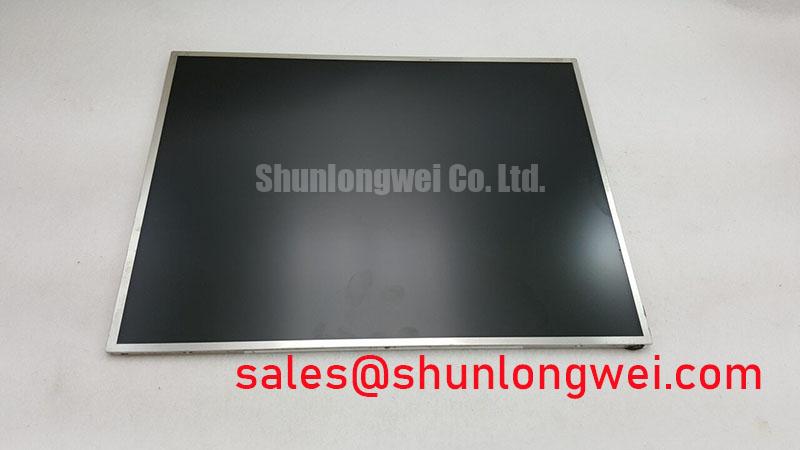
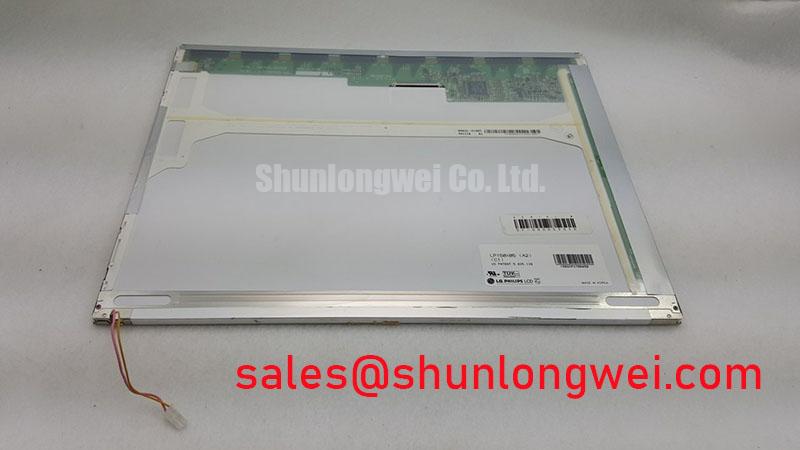
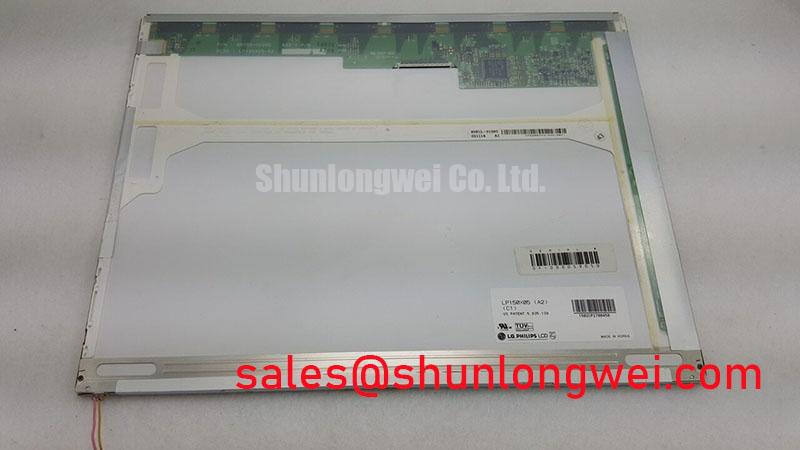
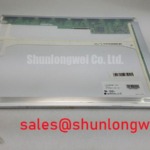
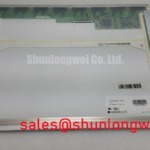
The LG LP150X05-A2C1 is a 15.0-inch TFT-LCD panel engineered for longevity and consistent performance in established industrial applications. While the display landscape evolves, the need for reliable, form-fit-function replacements for critical legacy systems remains paramount. This panel serves as a workhorse solution, designed to extend the life of equipment where a complete system redesign is neither practical nor cost-effective. It offers a stable and proven platform for Human-Machine Interfaces (HMIs), control systems, and specialized instrumentation.
Key Parameters at a Glance
For engineers and technicians requiring precise specifications for integration or repair, the following table outlines the critical performance metrics of the LP150X05-A2C1. For a comprehensive list of all parameters, you can Download the LP150X05-A2C1 Datasheet.
| Parameter | Specification |
|---|---|
| Screen Size | 15.0 inch |
| Resolution | 1024(RGB)×768, XGA |
| Panel Technology | a-Si TFT-LCD, TN, Normally White |
| Luminance | 200 cd/m² (Typ.) |
| Contrast Ratio | 300:1 (Typ.) |
| Viewing Angle | 40/40/10/30 (L/R/U/D) |
| Interface Type | LVDS (1 ch, 6-bit) |
| Backlight | 1 pcs CCFL |
| Operating Temperature | 0 ~ 50 °C |
Technical Deep Dive: Engineering for Reliability
The value of the LG LP150X05-A2C1 lies not in cutting-edge features, but in its robust and well-understood technology stack, which ensures seamless integration into existing infrastructure.
- Proven a-Si TFT Technology: The display is built on an Amorphous Silicon (a-Si TFT) substrate. This technology is mature, highly reliable, and offers predictable performance over a long operational life. For industrial environments, this translates to fewer unexpected failures and a stable supply chain for maintenance and repair cycles.
- Standard LVDS Interface: Equipped with a single-channel, 6-bit LVDS interface, the panel guarantees compatibility with a vast range of legacy controller boards. This eliminates the engineering challenges and costs associated with developing signal converters or redesigning system electronics, making it a true drop-in replacement.
- CCFL Backlight System: While modern displays have moved to LED, the Cold Cathode Fluorescent Lamp (CCFL) backlight in the LP150X05-A2C1 is a key feature for backward compatibility. It allows the panel to connect directly to existing inverter power supplies, preserving the original system's power architecture and simplifying the repair process significantly.
Optimized Application Scenarios
The LP150X05-A2C1 is specifically targeted at maintaining the operational readiness of equipment where consistency and compatibility are the primary engineering drivers.
- Legacy HMI Panels: In manufacturing facilities, many control panels and HMIs were designed around this exact form factor and interface. This panel allows for the targeted repair of failing displays without the need to replace and re-validate an entire control unit.
- Medical and Laboratory Instruments: Older diagnostic machines and test equipment often use displays with specific performance characteristics. The stable, known performance of this panel ensures that user interfaces remain consistent, which is critical in regulated environments.
- Point-of-Sale (POS) and Kiosk Systems: For established retail and information kiosk networks, maintaining a uniform hardware base is essential for software compatibility and field service efficiency. This panel provides a reliable source for servicing these long-deployed systems.
If you are managing the lifecycle of older equipment, explore our ultimate guide to TFT-LCDs for more insights into display technologies.
Frequently Asked Questions (FAQ)
1. Can this display be used in a new design project?
While possible, the LP150X05-A2C1 is primarily recommended for service and replacement in systems originally designed for it. For new designs, we typically recommend modern industrial LCD displays with LED backlights and higher brightness, as they offer better energy efficiency and longevity. However, for specific applications requiring a CCFL backlight, this remains a viable option.
2. What is the primary difference between this TN panel and a modern IPS panel?
The main difference is the Viewing Angle and color reproduction. This TN (Twisted Nematic) panel is optimized for a direct, head-on view, which is common in many industrial control applications. An IPS (In-Plane Switching) panel offers much wider viewing angles and superior color accuracy, making it suitable for collaborative or multi-angle viewing environments. The choice depends entirely on the original system's requirements.
For expert guidance on selecting the right display for your specific lifecycle management or repair needs, please contact our technical team for a consultation.