
Content last revised on November 24, 2025
N116BGE-E42: An In-Depth Technical Review for Portable System Integration
Introduction to the N116BGE-E42 Display Module
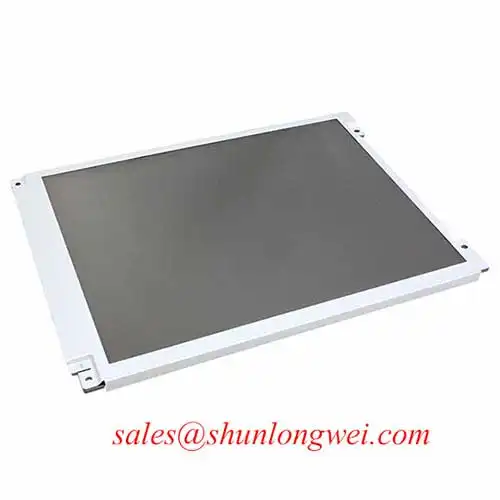
The Innolux N116BGE-E42 is an 11.6-inch a-Si TFT-LCD module engineered for streamlined integration into modern, compact portable devices. Centered around key specifications of 1366x768 HD Resolution | eDP 1.2 Interface | 3.2mm Slim Profile, this panel delivers significant engineering advantages. Its primary benefits include simplified system design and enhanced power efficiency stemming from its modern interface technology. This directly addresses the critical need for efficient, easily integrated displays in the competitive portable computing market. For designers of compact laptops or educational devices requiring a balance of performance and efficiency, the N116BGE-E42's eDP interface and slim form factor make it a compelling choice.
Application Scenarios & Value
System-Level Benefits in Compact Computing and Portable Devices
The N116BGE-E42 is optimized for applications where space, power consumption, and ease of integration are paramount. Its most significant value is demonstrated in the design of next-generation Chromebooks, educational laptops, and portable industrial terminals. In these scenarios, engineers face the challenge of connecting the display to a compact motherboard, often built around a power-efficient System-on-Chip (SoC), without introducing signal integrity issues or excessive power drain. The panel's native eDP (Embedded DisplayPort) 1.2 interface is the critical enabler here. Unlike older LVDS interfaces that require more conductors and are more susceptible to EMI, the eDP interface uses a packetized data structure and fewer lanes—in this case, a single lane—to transmit high-speed video data. This is analogous to upgrading from a bulky parallel printer cable to a slim, efficient USB-C cable; it simplifies the physical connection, reduces the potential for noise, and lowers overall system power consumption, directly contributing to longer battery life in the end product. The 11.6-inch diagonal and 1366x768 (WXGA) resolution provide a standard, widely supported canvas for user interfaces in this class of device, ensuring broad software compatibility without the higher power and processing demands of a full HD panel. While this model is ideal for HD applications, systems requiring higher pixel density in a similar compact form factor might evaluate panels such as the G101UAN02.0 for WUXGA resolution.
Key Parameter Overview
Decoding the Specs for Efficient System Design
The technical specifications of the N116BGE-E42 are tailored for performance and integration efficiency in portable applications. The parameters below highlight the panel's core capabilities.
| Feature | Specification | Engineering Implication |
|---|---|---|
| Display Technology | a-Si TFT-LCD, TN, Normally White | Provides a cost-effective solution with fast response times suitable for general computing and video. |
| Screen Size & Resolution | 11.6-inch, 1366x768 (WXGA), 135 PPI | Standard HD resolution for this form factor ensures compatibility and efficient use of GPU resources. |
| Signal Interface | eDP (1 Lane), eDP1.2, 30-pin Connector | Crucial for modern designs; simplifies motherboard layout, reduces EMI, and lowers power consumption. |
| Brightness & Contrast | 220 cd/m² (Typ.), 600:1 (Typ.) | Delivers adequate visual performance for indoor and controlled lighting environments typical for laptops. |
| Backlight System | WLED, Edge Light Type, 15K hours (Min.) | Energy-efficient white LED backlight contributes to longer device battery life and reliable long-term operation. |
| Physical Dimensions | 268 x 174.5 x 3.2 mm (Slim, PCBA Flat) | Extremely thin profile enables sleek, lightweight end-product designs. |
| Operating Temperature | 0°C to 50°C | Suitable for standard consumer and commercial portable device environments. |
Frequently Asked Questions (FAQ)
Diving Deeper into Integration and Performance
How does the eDP 1.2 interface on the N116BGE-E42 benefit system designers compared to traditional LVDS?
The eDP 1.2 interface offers several key advantages. It uses fewer physical connections (1 lane for this model) which simplifies PCB routing, reduces cable bulk, and lowers the chance of signal integrity issues. Its packet-based architecture is more power-efficient, allowing for features like panel self-refresh that can reduce system power draw, a critical factor for extending battery life in portable devices. For more on display interfaces, explore LVDS interface standards.
What are the implications of the panel's 3.2mm slim depth for product design?
The ultra-slim 3.2mm maximum depth is a defining feature that directly enables the creation of thinner and lighter notebooks, tablets, and other portable devices. This thin profile reduces the overall Z-height of the final product, allowing for more compact and aesthetically modern industrial designs without compromising the display's structural integrity, which is supported by a hard-coated (3H) surface.
What is the significance of the TN (Twisted Nematic) display mode in this panel's intended applications?
The use of TN technology in the N116BGE-E42 is a strategic engineering choice to balance performance and cost. TN panels are known for their very fast response times (3/7 ms Tr/Td for this model), which minimizes motion blur in video playback and user interface animations. While its viewing angles (45/45/20/45) are more constrained than IPS panels, they are entirely sufficient for its primary application as a single-user laptop display, making it a highly cost-effective solution. For a broader understanding of different panel technologies, refer to resources on TFT-LCD technology.
The N116BGE-E42's value proposition is strategically positioned for the high-volume portable computing market. Its adoption of the eDP standard and its slim, lightweight construction provide a clear path for engineers to develop competitive, power-efficient devices while managing system complexity and bill-of-materials costs. This thoughtful integration of features makes it a workhorse panel for mainstream HD portable applications.