



Content last revised on April 4, 2026
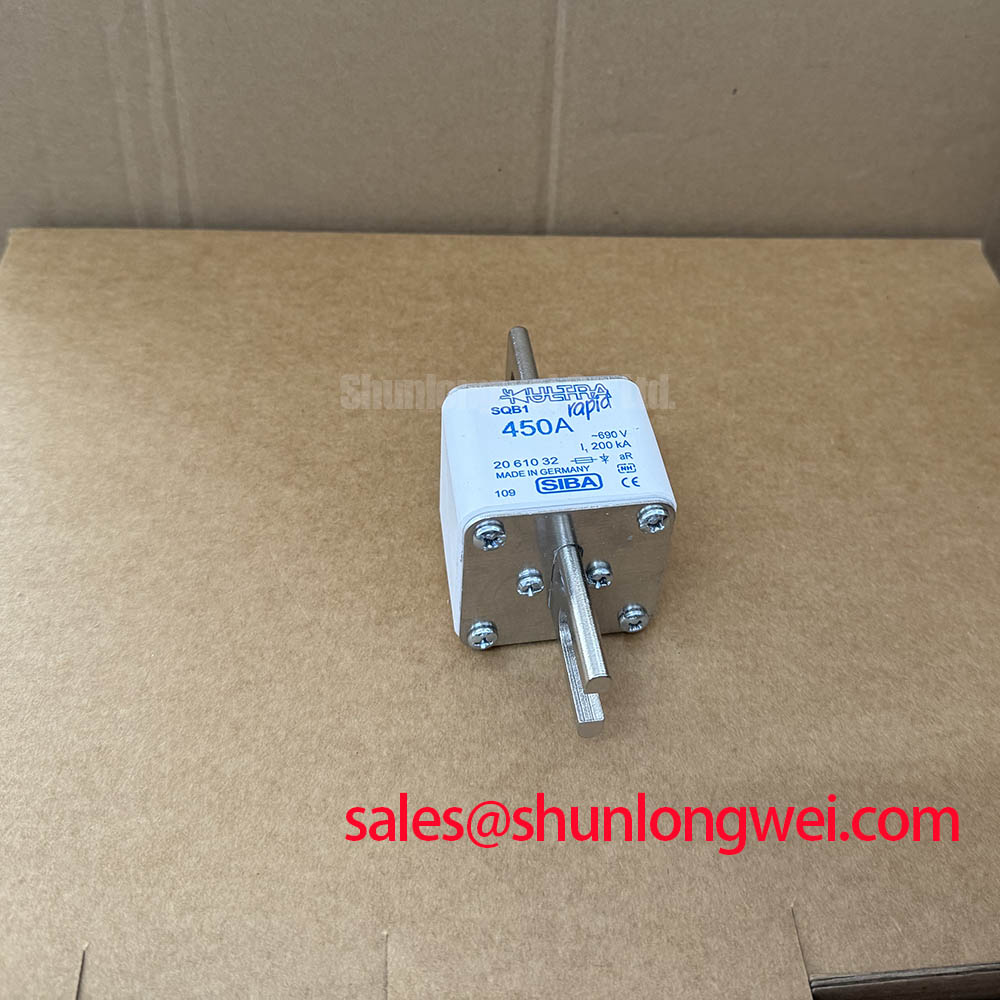
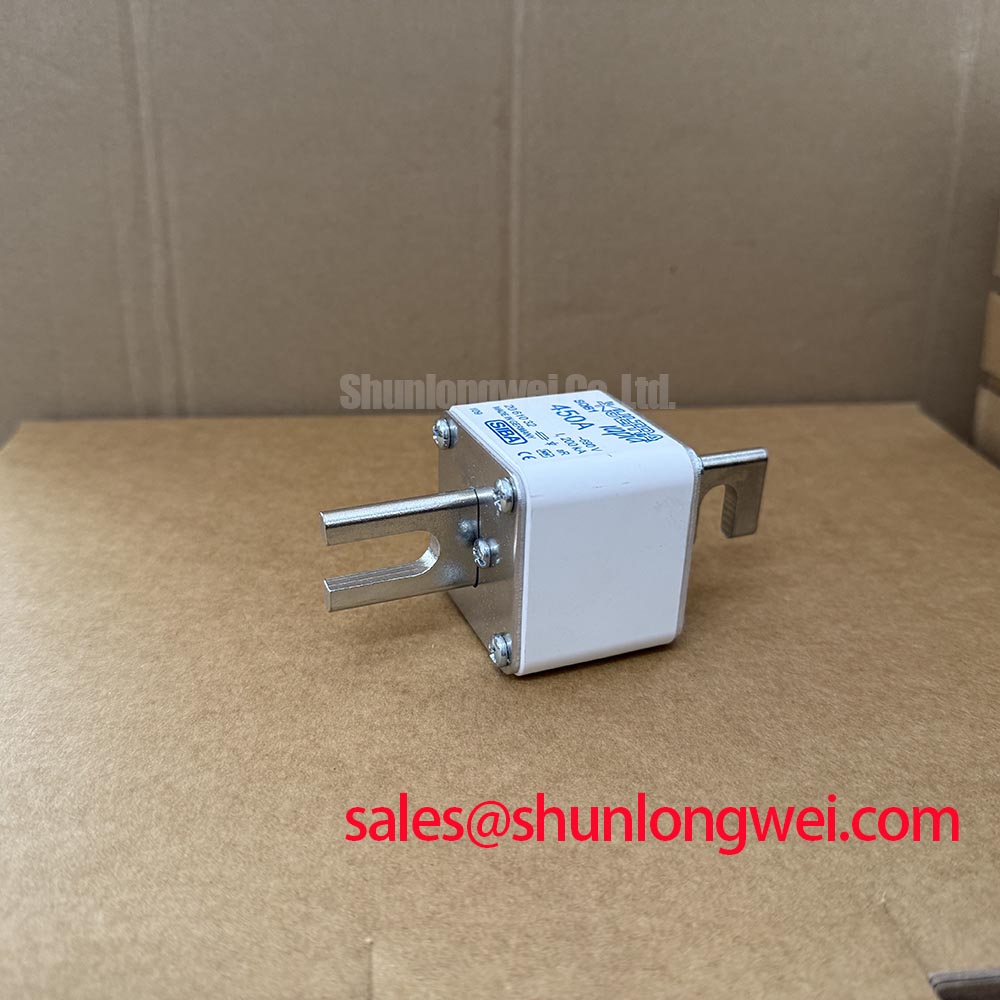
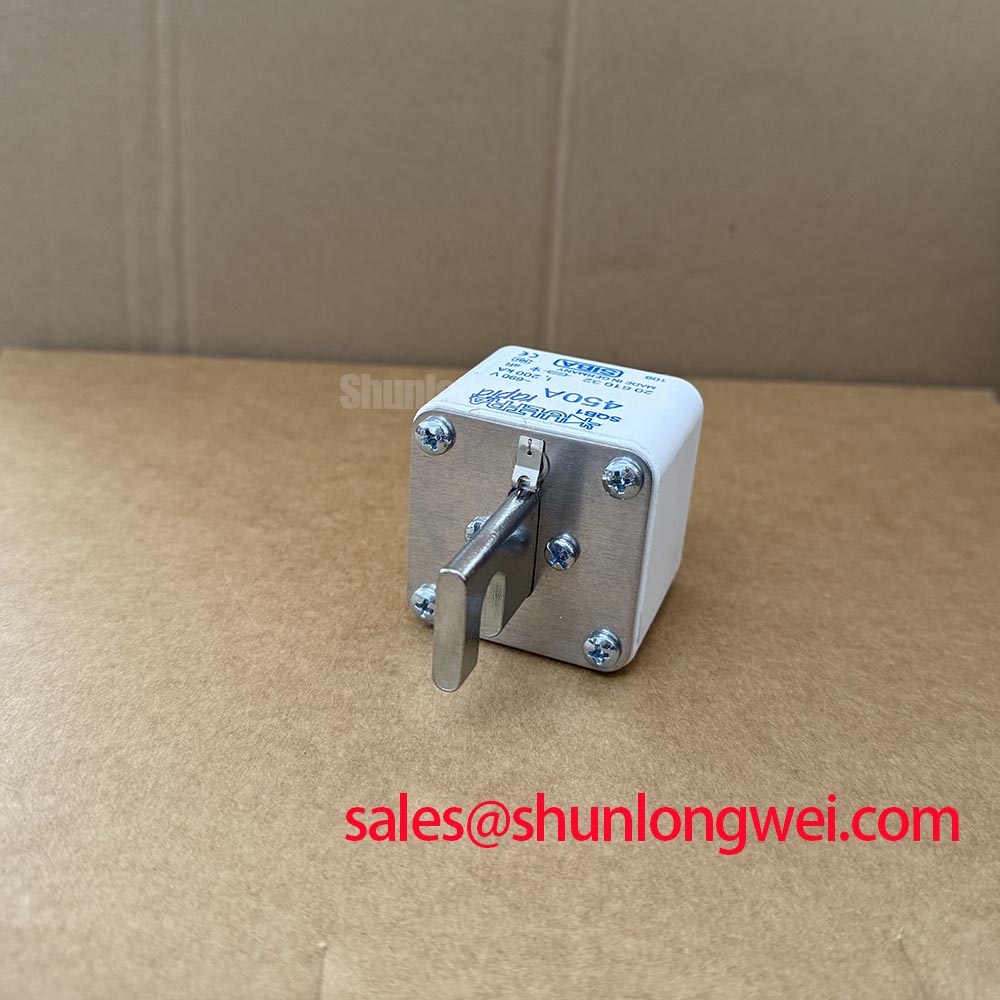
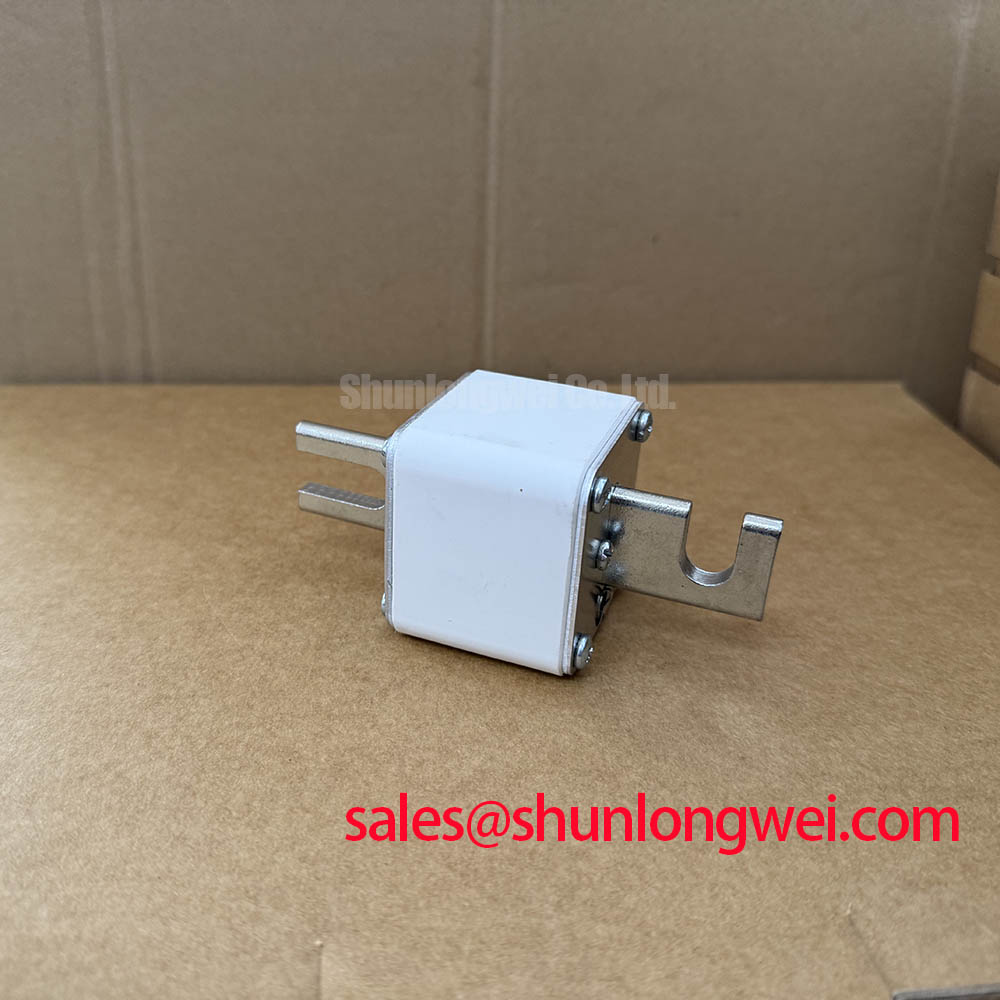
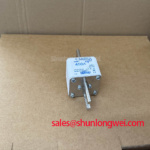
SIBA 2061032 Series: Ultra-Rapid aR Fuses for High-Power Semiconductor Protection
What is the primary benefit of the aR protection class? It delivers ultra-fast clearing times to prevent catastrophic semiconductor failures. The SIBA 2061032 is a premium ultra-rapid fuse engineered specifically for safeguarding expensive power silicon, such as IGBTs and thyristors. Featuring a robust square-body (SQB1) design, it boasts core specifications of 690VAC / 700VAC, current ratings up to 400A, and a massive 200kA breaking capacity. These metrics ensure exceptional short-circuit interruption and thermal stability. By minimizing let-through energy, it completely eliminates severe collateral damage during unexpected system faults.
Key Parameter Overview
Decoding the Specs for Enhanced Thermal Reliability
| Parameter | Specification | Engineering Impact |
|---|---|---|
| Rated Voltage | 690VAC / 700VAC | Accommodates standard industrial line voltages and typical DC link overheads. |
| Current Rating | Up to 400A | Supports high-power continuous loads without premature nuisance tripping. |
| Operating Class | aR (Ultra-Rapid) | Specifically tuned for partial-range semiconductor short-circuit protection. |
| Breaking Capacity | 200kA | Safely interrupts massive prospective fault currents without physical rupture. |
| Package Size | SQB1 (Square Body) | Ensures optimal heat dissipation (up to 65W) and secure bolt-on mounting. |
Download the 2061032 datasheet for detailed specifications and performance curves.
Application Scenarios & Value
Achieving System-Level Benefits in High-Frequency Power Conversion
For 690V industrial drives prioritizing thermal margin and component survivability, this high-speed fuse is the optimal choice. Engineers designing robust power conversion systems face the constant challenge of protecting sensitive, expensive silicon from explosive short-circuit currents. In heavy industrial environments, such as high-capacity UPS platforms, EV inverter testing rigs, or active PFC stage implementations, a sudden load fault can generate catastrophic current spikes. The 2061032 series is specifically tailored to mitigate these risks.
When an inverter experiences a dangerous shoot-through fault, the 200kA breaking capacity safely interrupts the surge before the internal bond wires of the silicon chip vaporize. Its exceptionally low let-through energy—such as the 96,000 A²s rating for the 400A variant—ensures the fault is isolated faster than the thermal limits of the protected semiconductor. This performance is vital for maintaining compliance with stringent reliability standards, including IEC 61800-3. Furthermore, the implementation of such high-speed fusing reduces the overall stress on the DC link capacitors and the surrounding busbar infrastructure. By truncating the fault current waveform early, the 2061032 minimizes the electro-dynamic forces that could otherwise physically deform busbars. While this SQB1 format excels in standard drive systems, for architectures demanding different mounting profiles, the related 170M6499 provides an excellent complementary solution for high-speed line protection.
Technical Deep Dive
A Closer Look at the aR Characteristic for Semiconductor Survivability
Protecting modern power modules requires more than just breaking an overcurrent; it demands precision timing at the microsecond level. The 2061032 utilizes specialized melting elements that respond almost instantaneously to extreme di/dt fault conditions. Think of a standard industrial line fuse as a heavy steel floodgate—incredibly strong, but slow to close. In contrast, the aR semiconductor fuse operates like an automotive airbag, deploying instantly at the very first sign of a catastrophic electrical collision. This distinction forms the core of effective SQB1 fuse for IGBT protection strategies.
This rapid reaction time is critical because power devices like the CM400DY-24A have extremely narrow Safe Operating Area (SOA) margins during a short circuit. The internal silica sand arc-quenching medium rapidly cools and extinguishes the highly conductive plasma arc generated during the interruption. By effectively managing its 65W power dissipation, the SQB1 package prevents localized overheating within densely populated control panels. Additionally, operating much like a high-performance suspension system that absorbs continuous bumps without losing calibration, the engineered elements within the 2061032 are optimized to withstand continuous thermal expansion and contraction from cyclic loading without altering their precise melting curves. To master the balance between protection and thermal overhead, reviewing our guide to voltage, current, and thermal management provides deeper insight into system longevity.
Frequently Asked Questions
Field Insights and Engineering Inquiries
- How does the 200kA breaking capacity of the 2061032 impact overall panel safety?
A high breaking capacity ensures the fuse can safely absorb and interrupt the massive prospective short-circuit currents (PSCC) found in stiff industrial grids. This prevents the fuse body from rupturing violently during a major fault, thereby containing the arc and protecting nearby components and personnel from explosive shrapnel. - Why is an aR-class fuse mandatory for protecting power modules instead of standard gG line fuses?
Standard gG fuses are intended for general cable protection and have a purposely delayed clearing time to allow for motor inrush currents. This delay is far too slow to save silicon. The aR (partial-range, ultra-rapid) characteristic is mathematically tuned to clear faults before the electrical let-through energy (I²t) can exceed the destructive thermal limits of the semiconductor die.