Content last revised on September 10, 2026
EL320.256-F6 Electroluminescent Display: Unmatched Reliability for Extreme Environments
Engineered for Unfailing Performance Where Other Displays Fail
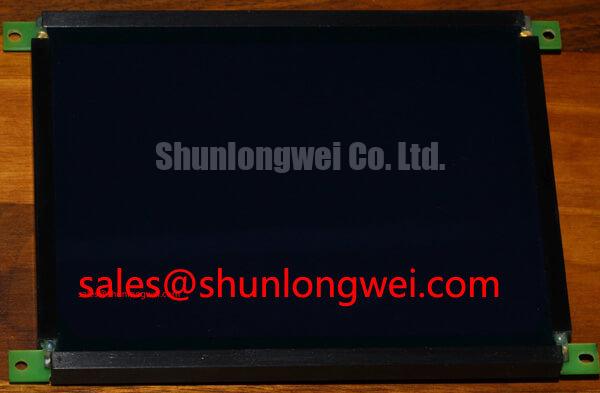
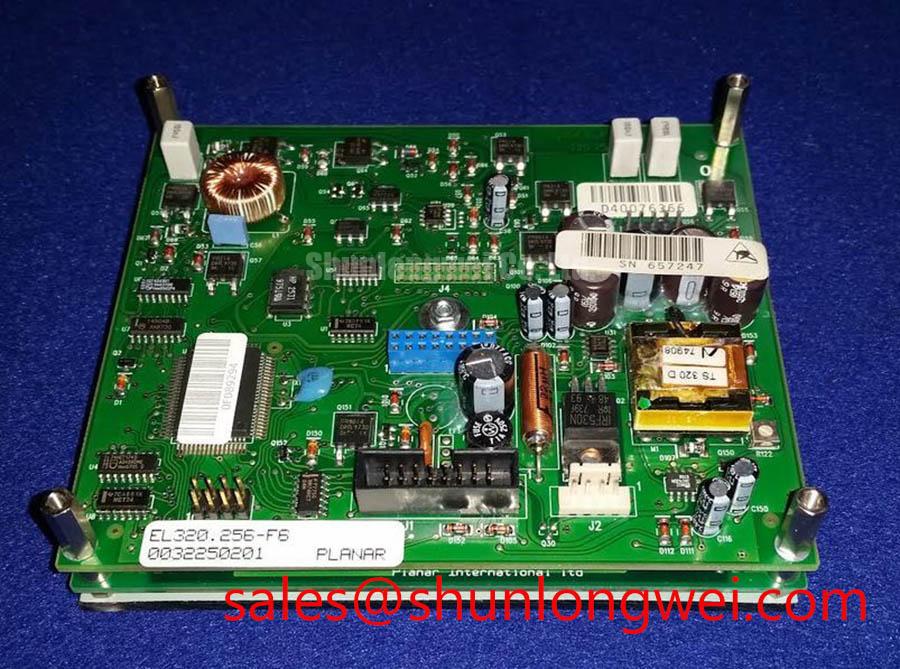
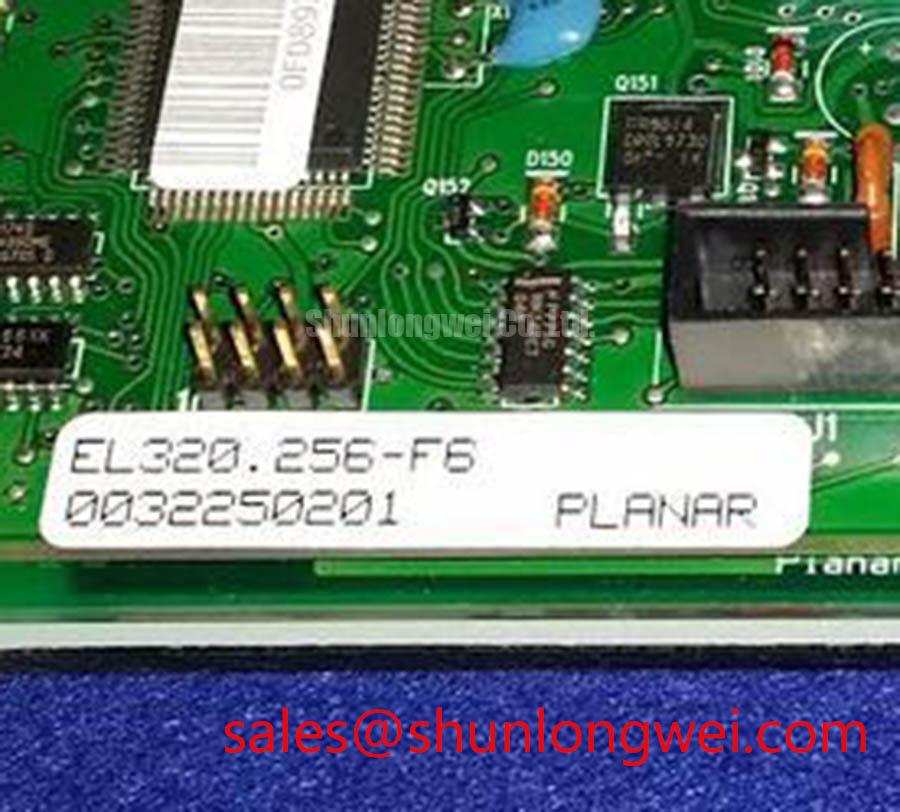
The EL320.256-F6 is a high-performance electroluminescent (EL) display engineered for absolute reliability in harsh industrial, medical, and instrumentation applications. Its core value lies in delivering crisp, high-contrast images with exceptional durability derived from its solid-state TFEL technology. With key specifications of 320x256 Resolution | 77 cd/m² Brightness | 4W Typical Power Consumption, this display provides two critical engineering benefits: extreme environmental immunity and superior long-term stability. The inherent robustness of its design directly addresses the need for a display that can function flawlessly under significant shock and vibration. For critical HMIs in industrial or instrumentation roles demanding absolute readability and resilience, the EL320.256-F6 is the definitive choice.
Application Scenarios & Value
System-Level Benefits in High-Stress Operational Environments
The true value of the EL320.256-F6 is realized in applications where conventional displays represent a point of failure. Consider a control panel for a geological surveying rig or a CNC machine in a high-vibration factory. In such environments, the constant mechanical stress can cause liquid crystal separation or backlight failure in standard LCDs. The EL320.256-F6, with its completely solid-state construction, mitigates these risks entirely. What is the primary benefit of its solid-state design? It eliminates fragile layers and moving parts, ensuring data remains legible and the unit remains operational despite persistent shock. This allows engineers to design systems with higher field reliability and lower total cost of ownership, reducing the need for costly replacements or protective enclosures. This focus on durability makes it an ideal choice for legacy system upgrades or new designs in process control systems where uptime is paramount. For applications requiring a different form factor but similar industrial-grade performance, the G104S1-L01 provides a TFT LCD alternative for less demanding environments.
Key Parameter Overview
Decoding the Specs for Mechanical and Environmental Resilience
The specifications of the EL320.256-F6 are tailored for performance under duress. The parameters below highlight its suitability for deployment in challenging conditions, moving beyond simple optical performance to underscore its mechanical and thermal robustness.
| Parameter | Specification | Engineering Significance |
|---|---|---|
| Display Technology | Thin Film Electroluminescent (TFEL) | Inherently solid-state, providing superior resistance to shock, vibration, and temperature extremes compared to liquid-based displays. |
| Resolution | 320 x 256 pixels | Offers clear, precise data and graphical representation suitable for instrumentation and control interfaces. |
| Brightness (Typical) | 77 cd/m² | Delivers excellent readability in a wide range of indoor and controlled lighting conditions. |
| Viewing Angle | Greater than 160° | Ensures critical information is clearly visible from virtually any angle, a key requirement for industrial HMIs and shared instrument panels. |
| Power Consumption (Typical) | 4 W | Low power draw simplifies thermal management and reduces the load on the system's power supply. |
| Operating Temperature | -25°C to +65°C | A wide operational range that allows for deployment in unconditioned environments, from cold-start industrial settings to high-heat enclosures. |
Frequently Asked Questions (FAQ)
How does the solid-state EL technology of the EL320.256-F6 contribute to its performance in high-shock environments?
The display's panel is constructed from thin films deposited on a glass substrate. Unlike LCDs, it contains no liquid crystal fluid or complex layered backlight units that can be damaged by impact or sustained vibration. This monolithic structure is inherently rugged, preventing common mechanical failures and ensuring operational longevity in physically demanding applications.
What is the specified operating temperature range for the EL320.256-F6, and why is it significant?
The EL320.256-F6 is specified for operation from -25°C to +65°C. This wide range is critical for equipment used outdoors, in vehicles, or in industrial facilities without climate control. The technology's stability at low temperatures prevents the slow response times seen in LCDs, while its high-temperature tolerance ensures reliability without requiring complex cooling systems.
What is the significance of the 1:1 pixel aspect ratio for instrumentation displays?
A 1:1 pixel aspect ratio means each pixel is perfectly square. For technical and instrumentation displays, this is crucial for rendering graphics, schematics, and measurement circles without distortion. It guarantees that geometric shapes are displayed accurately, preventing misinterpretation of critical data by the operator.
A Strategic Choice for Long-Lifecycle Systems
Integrating the EL320.256-F6 is more than a component choice; it's a strategic decision to enhance system reliability and reduce lifetime service costs. For engineers designing equipment intended for a decade or more of service in challenging fields such as heavy machinery, avionics, or critical infrastructure control, the display's proven durability provides a foundational advantage. Its resilience ensures consistent performance, safeguarding against the high cost of downtime and field repairs, thereby maximizing the return on investment for the end equipment.