


Content last revised on January 22, 2026
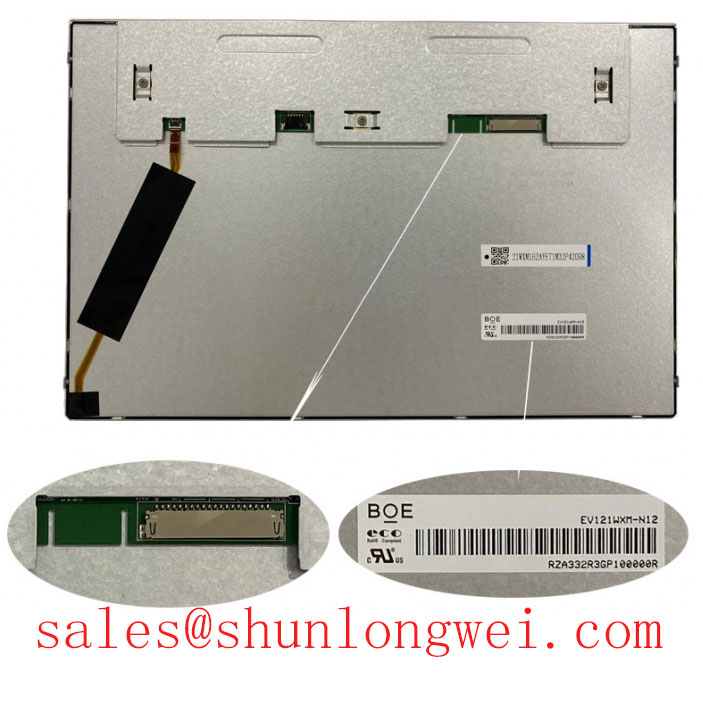
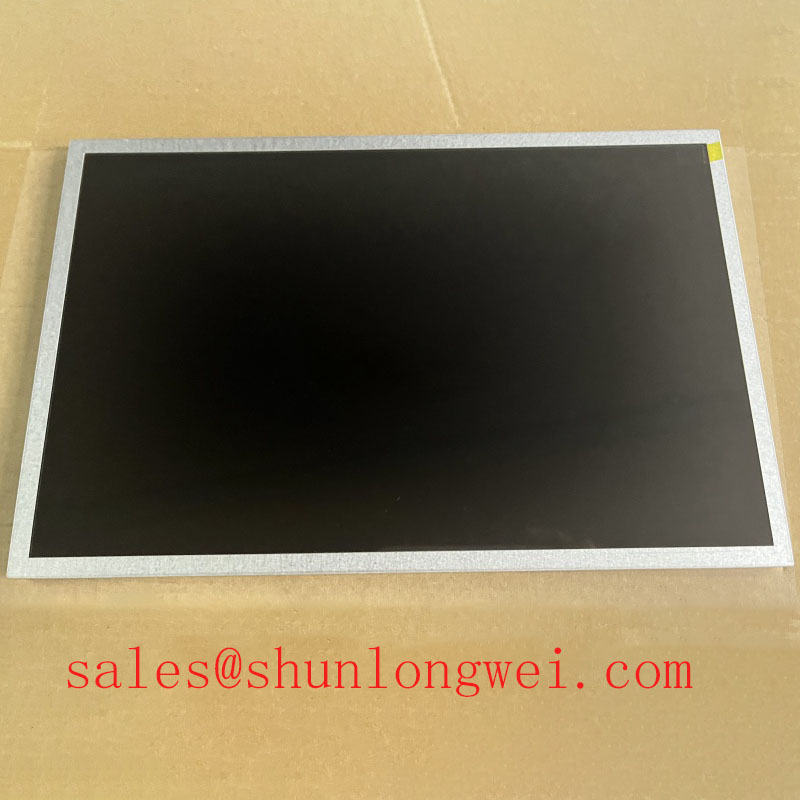
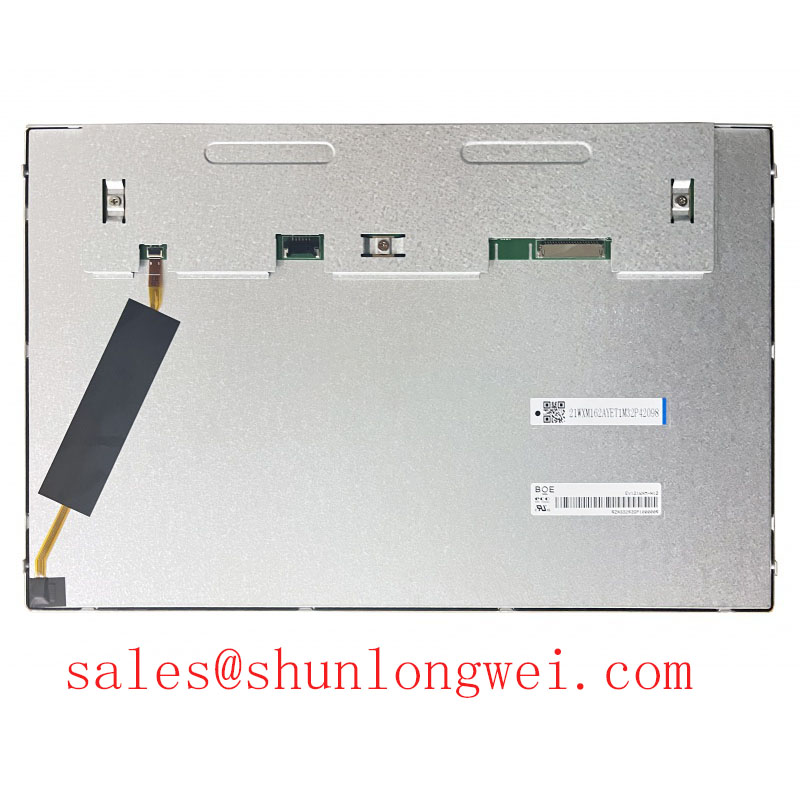
BOE EV121WXM-N12: WXGA 12.1" LCD for Resilient Systems
Engineered for visual consistency and mechanical reliability, the BOE EV121WXM-N12 integrates advanced display technology for demanding industrial and medical applications. This 12.1-inch TFT-LCD delivers stable optical performance across wide thermal and viewing ranges. What is the core technology behind its stability? It leverages Advanced Super Dimension Switch (ADS) technology, which maintains color fidelity and prevents washout, even when viewed from extreme angles or subjected to external pressure, a critical factor for interactive or vibration-prone environments.
Top Specs: 1280x800 WXGA | 500 cd/m² | -20 to 70°C Op. Temp. | ADS Technology
Key Benefits: Exceptional off-axis viewability, robust wide-temperature operation.
Technical Inquiries on the EV121WXM-N12's Durability
- What are the primary advantages of the ADS (Advanced Super Dimension Switch) technology in the EV121WXM-N12?ADS technology, a form of In-Plane Switching (IPS), utilizes a lateral electric field to arrange liquid crystal molecules. This design significantly enhances performance in two key areas critical for industrial use. First, it provides exceptionally wide viewing angles (85/85/85/85 degrees) with minimal color shift, ensuring that data is legible from nearly any operator position. Second, it offers superior "touch pressure resistance," meaning the display shows little to no image distortion or whitening when the screen surface is pressed, a common occurrence in touchscreen integrations and high-vibration settings.
- How does the specified operating temperature range of -20 to 70°C impact system design and application scope?The wide operating temperature range is a cornerstone of this module's reliability, enabling its deployment in environments where commercial-grade displays would fail. For system designers, this specification (-20 to 70°C) reduces the need for complex and costly external heating or cooling systems in many control cabinets or outdoor-housed equipment. It directly translates to a wider operational latitude for devices like cold chain logistics terminals, unheated factory floor HMIs, and in-vehicle systems that experience significant temperature swings.
Deployment Scenarios Demanding Robust Visuals
The technical attributes of the EV121WXM-N12 support its use in a variety of sectors where operational resilience is a primary design requirement. Its combination of thermal tolerance, optical stability, and a durable WLED backlight system with a 50,000-hour lifespan makes it a suitable candidate for long-service-life equipment.
- Medical Imaging and Diagnostics: In applications such as portable ultrasound systems and patient monitoring stations, the high contrast ratio (1200:1) and consistent color reproduction across all viewing angles are essential for accurate diagnostic assessments.
- Industrial Human-Machine Interfaces (HMI): The module's resilience to surface pressure and wide temperature range allow for integration into factory control panels, heavy machinery dashboards, and process automation terminals that operate in challenging physical and thermal conditions.
- Transportation and Logistics: From in-cab displays in specialty vehicles to information kiosks in public transit hubs, the 500-nit brightness and anti-glare surface treatment ensure clear readability in variable ambient lighting. For systems requiring a different form factor or resolution, the G101EVN01.0 offers a compact 10.1-inch alternative.
Best Fit: For industrial or medical systems operating in fluctuating temperatures (-20 to 70°C) that require off-axis readability, the EV121WXM-N12's ADS technology provides a distinct advantage over traditional TN panels.
Key Specifications for Resilient System Design
The design of the BOE EV121WXM-N12 is centered on providing a stable and reliable display foundation for system integrators. The following parameters are crucial for engineering evaluation. For a comprehensive list of specifications, please consult the official product datasheet.
| Optical Characteristics | |
|---|---|
| Screen Size | 12.1 inches |
| Resolution | 1280(RGB)×800 (WXGA) |
| Luminance | 500 cd/m² (Typ.) |
| Viewing Angle (L/R/U/D) | 85/85/85/85 (Typ.) (CR≥10) |
| Contrast Ratio | 1200:1 (Typ.) |
| Display Colors | 16.7M (6-bit + Hi-FRC) |
| Surface Treatment | Antiglare (Haze 25%) |
| Environmental and Mechanical Specifications | |
| Operating Temperature | -20 ~ 70 °C |
| Storage Temperature | -30 ~ 80 °C |
| Outline Dimensions (W×H×D) | 277.7 × 180.6 × 8.7 mm |
| Interface and Electrical Characteristics | |
| Signal Interface | LVDS (1 ch, 6/8-bit), 20 pins |
| Backlight | WLED, 50,000 hours (Min.), with included LED driver |
Interpreting the Parameters
- Operating Temperature (-20 to 70°C): This range signifies the module's ability to function reliably in both sub-freezing and high-heat environments without dedicated climate control. This is a key differentiator from consumer-grade displays and is critical for outdoor, vehicular, and heavy industrial applications.
- Viewing Angle (85/85/85/85): The viewing angle defines how far off-center an image can be viewed before a significant drop in quality occurs. The EV121WXM-N12's symmetrical, wide angles are like having a clear view of a car's dashboard from both the driver's and passenger's seat. This ensures that multiple operators or passersby can read the display accurately without being positioned directly in front of it. This is a direct benefit of its AUO-pioneered IPS-type technology.
A Data-Centric Look at Display Technologies
When evaluating a display module, the underlying panel technology is a critical factor. The EV121WXM-N12 utilizes ADS, an advanced variant of IPS technology. For context, it is useful to compare its inherent characteristics against other common technologies like Twisted Nematic (TN).
- ADS/IPS Panels: As demonstrated by this model, these panels are defined by superior color accuracy and extremely wide viewing angles. They maintain image integrity when viewed off-axis, making them essential for applications where data must be shared visually or where the operator's position may vary.
- TN Panels: Traditionally, TN panels offer faster response times, which can be beneficial for high-speed video. However, they typically exhibit narrower viewing angles and are susceptible to significant color and contrast shifts when not viewed head-on. They are often a cost-effective choice for applications where the viewing position is fixed and directly in front of the screen.
The choice between these technologies is a data-driven decision based on application priorities. For systems where visual accuracy from multiple perspectives is paramount, the specifications of the EV121WXM-N12 present a clear data point in favor of ADS technology. Further reading on display technologies can be found in our guide to TFT-LCDs for industrial applications.
Field Report: Integration in a Portable Diagnostic System
A hypothetical deployment in a ruggedized, portable diagnostic tool for field service engineers highlights the value of the EV121WXM-N12's features. In this scenario, the device is used outdoors and in factory settings. The 500-nit brightness combined with an anti-glare surface allows technicians to read complex schematics even in challenging lighting. Its slim 8.7mm depth facilitates a compact and lightweight final product design. Furthermore, the wide operating temperature ensures the tool can be left in a service vehicle overnight in cold weather and still function correctly the next morning.
The Shift Towards Hardened Displays in Industrial IoT
The proliferation of Industrial Internet of Things (IIoT) and edge computing devices is increasing the demand for displays that can function reliably outside of traditional, climate-controlled rooms. As more data is processed and visualized at the operational edge—from factory floors to remote infrastructure sites—the environmental resilience of components like the EV121WXM-N12 becomes a strategic advantage. This module reflects the industry trend of embedding high-quality, durable visual interfaces directly into industrial equipment, reducing reliance on separate, less-durable monitoring hardware. This approach supports enhanced operational efficiency and lowers the total cost of ownership by selecting components built for the environment. For additional information on designing robust HMI solutions, explore the engineer's guide to sunlight-readable displays.
Inside the ADS Technology: The Foundation of Visual Stability
At the core of the EV121WXM-N12's performance is its a-Si TFT (Amorphous Silicon Thin-Film Transistor) panel with Advanced Super Dimension Switch (ADS) technology. Unlike conventional displays where the electric field is applied perpendicularly, ADS technology creates a lateral electric field that runs parallel to the panel's substrate. This causes the liquid crystal molecules to rotate in-plane, akin to the iris of an eye opening and closing horizontally.
This fundamental difference in operation yields significant engineering benefits. The in-plane rotation minimizes light leakage and color distortion when viewed from an angle, resulting in the module's symmetrical 85-degree viewing cone. It also creates a more stable liquid crystal layer that is less susceptible to disturbance from physical pressure, a key requirement for reliable touchscreen integration or use in high-vibration environments. What is the primary benefit of its ADS technology? Enhanced visual performance and reliability under physical and environmental stress.
For technical inquiries or to evaluate the EV121WXM-N12 for your design, please contact our team to discuss your specific application requirements and access detailed documentation.