


Content last revised on September 10, 2026
IRKT260-12 Thyristor/Diode Module: Engineering Analysis for High-Reliability Power Control
An In-Depth Look at Robust Thermal Management and Electrical Ruggedness
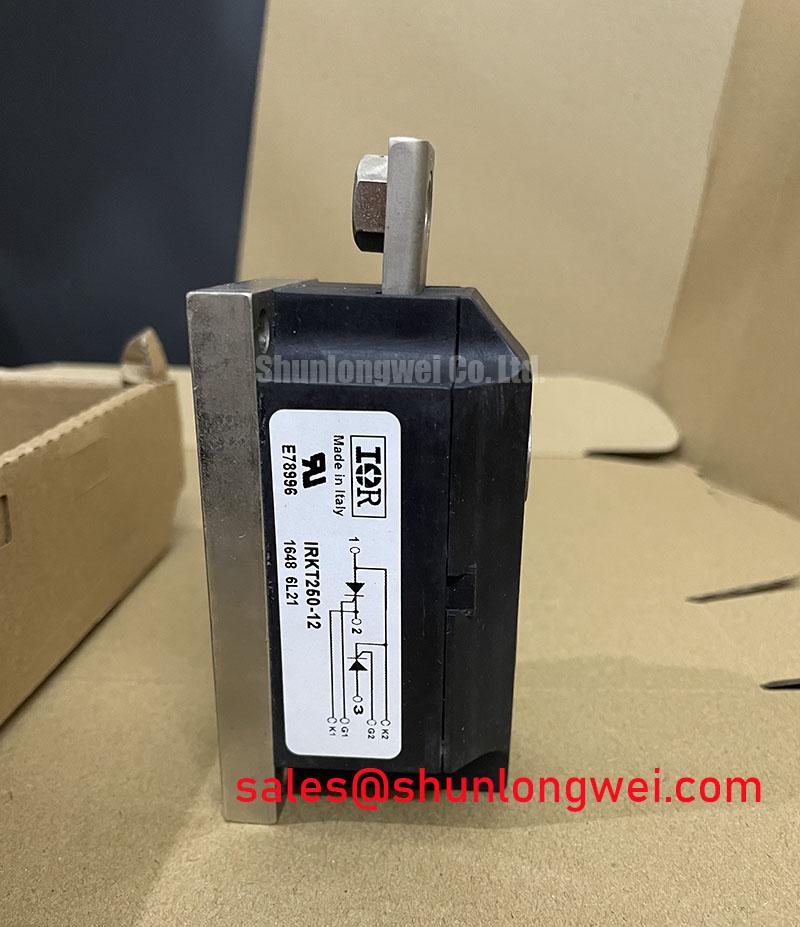
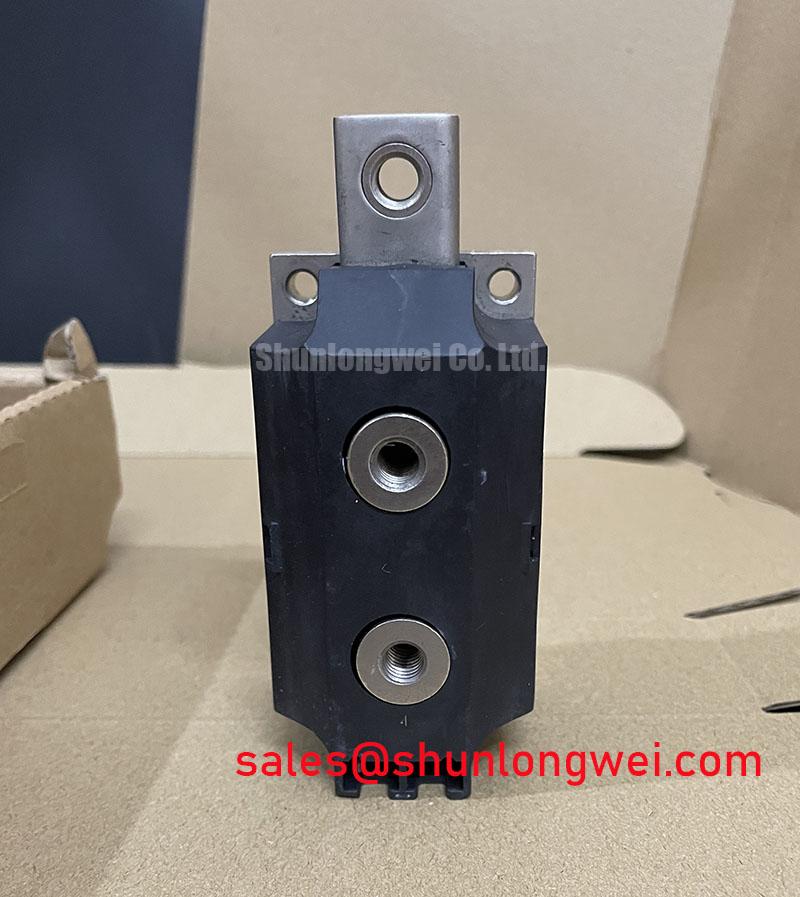
The IRKT260-12, a member of the ADD-A-PAK Gen V series, is a high-performance thyristor/diode module engineered for superior thermal stability and electrical robustness in demanding power conversion systems. With its key specifications of 1200V | 260A | 400A, this module provides a dependable foundation for power control. Its core advantages include exceptional surge handling capability and enhanced thermal transfer. The design directly addresses the critical engineering challenge of ensuring long-term operational integrity in applications subject to frequent thermal cycling and high inrush currents. For power systems requiring robust phase control under demanding industrial conditions, the IRKT260-12's thermally efficient and mechanically sound construction offers an optimal solution.
Application Scenarios & Value
System-Level Benefits in Industrial Power Control Architectures
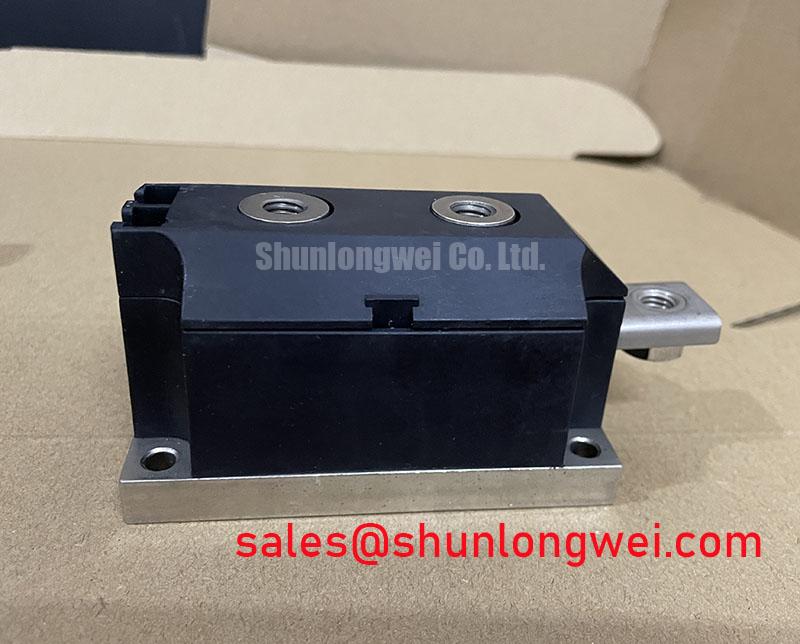
The IRKT260-12 is engineered to excel in high-voltage industrial applications where reliability is paramount. Its robust design makes it a cornerstone component for systems such as motor speed controls, high-voltage regulated power supplies, and battery chargers. A key engineering challenge in these systems, particularly in motor drives, is managing the significant thermal stress and electrical transients that occur during start-up and load changes. The module's integration of a solid copper baseplate directly confronts this issue. This feature improves the thermal pathway to the heatsink, allowing for more effective heat dissipation and providing a greater tolerance for heatsink surface imperfections. This translates to enhanced reliability and potentially smaller thermal management hardware, optimizing system cost and volume. The result is a more resilient power stage, capable of sustained operation in factory automation, Welding Power Supply , and UPS (Uninterruptible Power Supply) environments. For applications requiring a different current or voltage class, related components such as the IRKT250-12 provide alternative specifications within a similar design framework.
Key Parameter Overview
Decoding Specifications for Thermal and Electrical Reliability
The technical specifications of the IRKT260-12 are tailored for high-reliability power applications. Each parameter is a critical piece of data for the design engineer, directly influencing thermal management strategies, fault-protection schemes, and overall system longevity. The values below represent the component's capability to manage demanding electrical loads while maintaining thermal stability, a crucial balance for modern industrial power electronics.
| Parameter | Value | Engineering Significance |
|---|---|---|
| VRRM (Max. Repetitive Peak Reverse Voltage) | 1200 V | Provides the necessary voltage headroom for operation on standard industrial AC lines, ensuring reliability against line voltage fluctuations and transients. |
| IT(AV) (Max. Average On-state Current) | 260 A (per Thyristor) | Defines the module's continuous current handling capability, making it suitable for high-power motor drives and rectifier circuits. |
| IF(AV) (Max. Average On-state Current) | 400 A (per Diode) | Indicates the substantial current capacity of the diode section, critical for freewheeling or rectification paths in power converters. |
| ITSM (Max. Peak Non-Repetitive Surge Current) | 6500 A (at 50Hz, TJ=125°C) | This high surge rating is a critical safety margin, allowing the module to withstand significant inrush currents during motor starts or fault conditions without failure. It's analogous to a circuit's structural reinforcement, providing resilience against sudden, powerful stresses. |
| VT0 (Threshold Voltage) | 0.864 V (Thyristor) / 0.83 V (Diode) | A key value for calculating conduction losses. This low threshold voltage contributes to higher efficiency by minimizing power dissipation during operation. |
| TJ (Operating Junction Temperature) | -40 to 125 °C | Specifies a wide operational temperature range, ensuring reliable performance in harsh industrial environments from cold starts to peak thermal loads. |
Frequently Asked Questions (FAQ)
What is the primary benefit of the solid copper baseplate in the IRKT260-12's design?
The copper baseplate significantly enhances thermal performance and mechanical ruggedness. It ensures a uniform, low-resistance thermal path to the heatsink, improving heat dissipation and making the module less sensitive to mounting surface imperfections. This directly contributes to higher operational reliability and a longer service life.
How does the 6500 A surge current rating (ITSM) impact system design in a motor control application?
This high ITSM rating provides a crucial safety margin to handle the large inrush currents typical of motor startup sequences or unexpected fault conditions. It allows engineers to design more robust systems without oversizing components, ensuring the module can survive transient events that might otherwise lead to catastrophic failure.
Are the electrical terminals on the IRKT260-12 designed to withstand mechanical stress?
Yes, the terminals are secured against axial pull-out using a click-stop feature. This design detail, proven on other modules from the manufacturer, prevents connection failures due to vibration or mechanical stress during assembly and operation, which is a key consideration for industrial equipment.
Industry Insights & Strategic Advantage
Meeting the Demand for Durability in Industrial Automation
In the landscape of industrial automation and power conversion, the emphasis on Total Cost of Ownership (TCO) and operational uptime is intensifying. Components are no longer selected on specifications alone but on their ability to contribute to long-term system reliability. The IRKT260-12 directly aligns with this trend. Its ADD-A-PAK construction, featuring a Direct Bonded Copper (DBC) substrate and the aforementioned copper baseplate, is a strategic response to the known failure mechanisms in power modules, such as solder fatigue from thermal cycling. By creating a mechanically robust and thermally efficient package, the module provides a strategic advantage for designers of industrial equipment intended for long service life, such as in conveyor systems, industrial HVAC, and phase-controlled rectifiers. This focus on intrinsic durability helps systems meet the rigorous demands of modern manufacturing environments and contributes to overall energy efficiency by minimizing thermal losses.
A Strategic Approach to Power Module Selection
Selecting a power module like the IRKT260-12 is a strategic decision that impacts not just immediate performance but the entire lifecycle of the end equipment. Its design prioritizes thermal management and mechanical stability, directly addressing the core operational stresses found in high-current industrial applications. This focus on fundamental reliability ensures that systems built around this module are better equipped to deliver consistent performance, reducing the likelihood of costly downtime and maintenance. For engineering teams, this translates into greater design confidence and a more predictable, robust final product.