



Content last revised on January 22, 2026
LB040Q02-TD03 4.0" QVGA LCD | Built for Industrial Use
Technical Overview for Engineering Evaluation
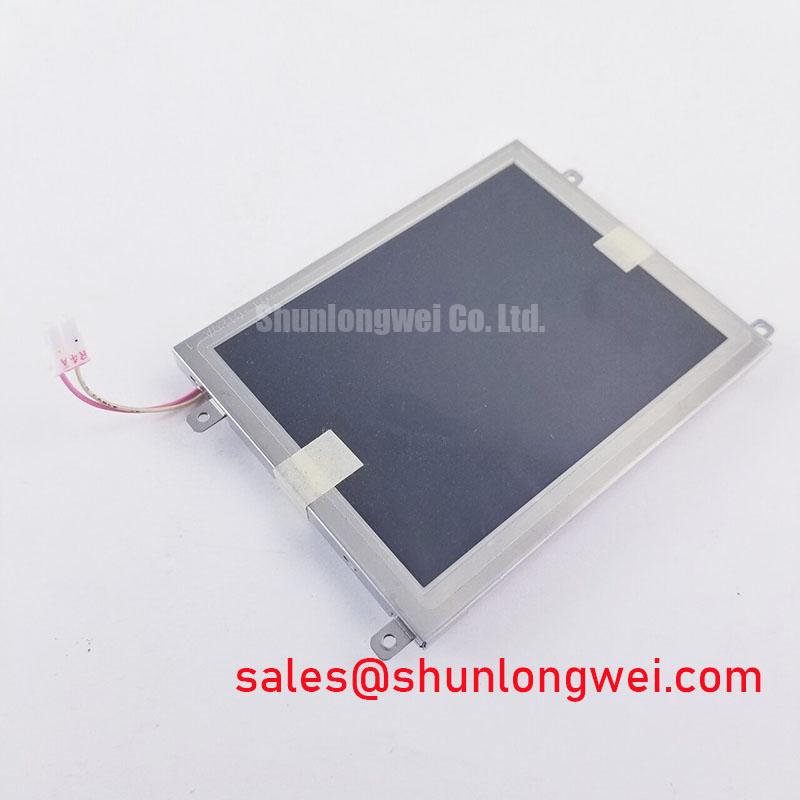
The LG Philips LB040Q02-TD03 is a 4.0-inch a-Si TFT-LCD module engineered for consistent performance in applications where environmental resilience is a primary design criterion. With its core specifications of 320x240 QVGA | 250 cd/m² Brightness | -10 to 60°C Operating Temperature, this display provides a durable visual interface. Key engineering benefits include sustained operational stability across a wide temperature spectrum and enhanced readability in variable lighting conditions. For systems requiring a compact, robust display, its construction directly addresses the challenge of long-term reliability in non-consumer environments by integrating an anti-glare surface and industrial-grade temperature tolerance.
Dissecting the Architecture for Environmental Stability
The foundation of the LB040Q02-TD03 is its amorphous silicon (a-Si) thin-film transistor (TFT) active matrix. This technology provides a cost-effective and highly reliable platform for industrial display applications. The panel's 320(RGB)×240 [QVGA] resolution is rendered through an RGB vertical stripe pixel configuration, which is optimal for rendering sharp text and clear graphical elements in user interfaces. What is the benefit of its display technology? The a-Si TFT structure ensures stable performance and a long operational life, critical for industrial equipment.
Visual performance is driven by a single Cold Cathode Fluorescent Lamp (CCFL) backlight system. An external inverter is required to power this backlight, giving system designers flexibility in selecting a driver that matches their power supply and control requirements. The display surface is treated with an anti-glare (Haze 25%) coating, which diffuses ambient light rather than reflecting it. This significantly improves screen legibility in brightly lit factory floors or field environments, reducing eye strain and minimizing potential for operator error. For deeper insights into display technologies, explore The Ultimate Guide to TFT-LCD.
Field-Proven Integration in Portable and Fixed Systems
The LB040Q02-TD03 is frequently integrated into systems that operate beyond the confines of a typical office. One common deployment is in portable diagnostic instruments for automotive or network testing. In this context, its wide operating temperature range ensures that the device provides reliable readings whether used in a cold warehouse or a warm engine bay. The anti-glare screen is also essential for field technicians who may be working under direct overhead lighting or near windows.
Another area of deployment is in fixed-position human-machine interface (HMI) panels on industrial machinery. These control panels are often subjected to constant vibration and significant temperature fluctuations. The robust mechanical design of the LB040Q02-TD03 helps ensure a long service life in such settings, supporting the overall reliability of the capital equipment it is part of.
Core Specifications for System Design
The following table highlights key performance metrics for the LB040Q02-TD03 to support your design and integration process. For complete details, please refer to the official datasheet.
| Parameter | Specification |
|---|---|
| Screen Diagonal | 4.0 inch |
| Resolution | 320(RGB)×240, QVGA |
| Active Area | 81.3(H) × 61.0(V) mm |
| Brightness | 250 cd/m² (Typical) |
| Operating Temperature | -10 ~ 60 °C |
| Interface Type | 40 pins CMOS (1 ch, 6-bit), FPC |
Data-Informed Selection for QVGA Displays
When evaluating 4.0-inch QVGA displays, the decision often extends beyond core optical performance. The table below provides a comparative framework based on typical application requirements, positioning the LB040Q02-TD03 against a generic consumer-grade alternative to highlight its specific engineering advantages.
- Environmental Tolerance: With an operating range of -10 to 60°C, the LB040Q02-TD03 is specified for environments where consumer displays (often 0 to 50°C) would fail or exhibit degraded performance.
- Surface Readability: The anti-glare treatment is a key differentiator for industrial use, whereas consumer displays often feature a glossy surface that prioritizes color vibrancy in controlled lighting but suffers from severe reflections in bright conditions.
- Backlight System: The CCFL backlight, while requiring an inverter, is a mature technology known for its long operational lifetime, a crucial factor in calculating the Total Cost of Ownership for industrial equipment. A related display for different system requirements is the LB064V02-B1, which offers a different size and feature set.
Where Reliability Meets Readability
The design of the LG Philips LB040Q02-TD03 makes it a strong candidate for a range of specialized applications where durability and clarity are paramount.
- Handheld Test & Measurement Equipment: Its compact size and robust temperature performance are ideal for portable devices used by technicians in the field.
- Industrial HMI Panels: The anti-glare screen and reliable construction support always-on operation in factory automation and process control systems.
- Medical Monitoring Devices: Provides a clear, reliable display for patient data in settings that may have varied ambient lighting.
- Point-of-Sale (POS) Systems: Offers a durable operator-facing screen that can withstand the rigors of a commercial environment.
For systems that require a compact QVGA display with proven environmental stability, the LB040Q02-TD03's industrial specification provides a definitive advantage. What is the display's best-fit application? Its -10°C low-end operating temperature makes it a superior choice for unheated, semi-outdoor terminals over standard commercial-grade panels.
The Strategic Role of Robust Displays in Modern Systems
The increasing decentralization of control and monitoring functions in industries like manufacturing, logistics, and field service places greater demands on component-level reliability. A user interface is often the most critical point of interaction, and its failure can bring an entire system to a halt. Investing in an industrially-rated display like the LB040Q02-TD03 is a strategic decision that enhances the overall resilience and perceived quality of the end product. It enables the deployment of sophisticated graphical interfaces in environments previously limited to simple LED indicators, aligning with the broader trends of Industry 4.0 and the demand for data accessibility at every point of operation. Understanding the principles of display durability is key, as explored in this guide to industrial versus consumer displays.
Frequently Asked Questions
What makes the LB040Q02-TD03 suitable for industrial or semi-outdoor environments?
Its suitability stems from two primary features derived from its datasheet: a wide operating temperature range of -10 to 60°C and an anti-glare surface treatment. The temperature range allows it to function reliably in unheated or variable conditions, while the anti-glare screen ensures readability under strong ambient or overhead lighting, preventing reflective glare from obscuring critical information.
What are the backlight and driver requirements for this module?
The LB040Q02-TD03 uses a single Cold Cathode Fluorescent Lamp (CCFL) as its backlight. This requires an external inverter board to supply the necessary high-voltage AC power. The datasheet specifies a lamp voltage of 330V (typical) and a frequency between 40-80 kHz. Engineers must source a compatible inverter to integrate this display into their system.
How does the anti-glare (AG) surface treatment affect image quality compared to a glossy screen?
The anti-glare coating microscopically roughens the surface to diffuse incoming light, which drastically reduces reflections. This is a crucial benefit for usability in bright environments. The trade-off is a slight reduction in perceived sharpness and contrast compared to a glossy screen, which allows for deeper blacks but is highly susceptible to mirror-like reflections.
Is the 40-pin FPC interface on this module a common standard?
Yes, the 40-pin CMOS (1 channel, 6-bit) interface is a relatively common parallel RGB interface for displays of this size and resolution from its manufacturing era. However, engineers must carefully verify the pinout provided in the LB040Q02-TD03 datasheet to ensure compatibility with their host processor's display controller, as pin assignments can vary between manufacturers.
From a strategic perspective, specifying a component like the LB040Q02-TD03 is about future-proofing a design. By building in a tolerance for challenging environmental conditions from the start, you enhance the marketability and reduce the total cost of ownership of your final product. This focus on upfront component resilience is a cornerstone of creating systems that are not only functional but also fundamentally dependable over their entire lifecycle.