

Content last revised on January 31, 2026
Lumex LCM-S01602DSF/B: Engineering an Industrial-Grade 16x2 Character LCD
Accelerating Development with a Robust, Integration-Ready Display
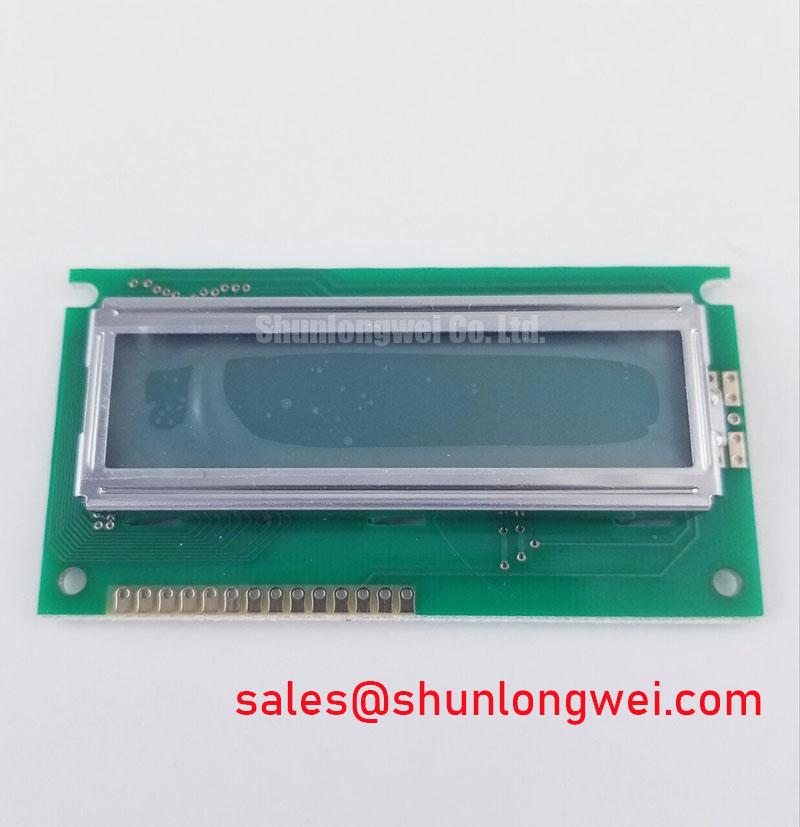
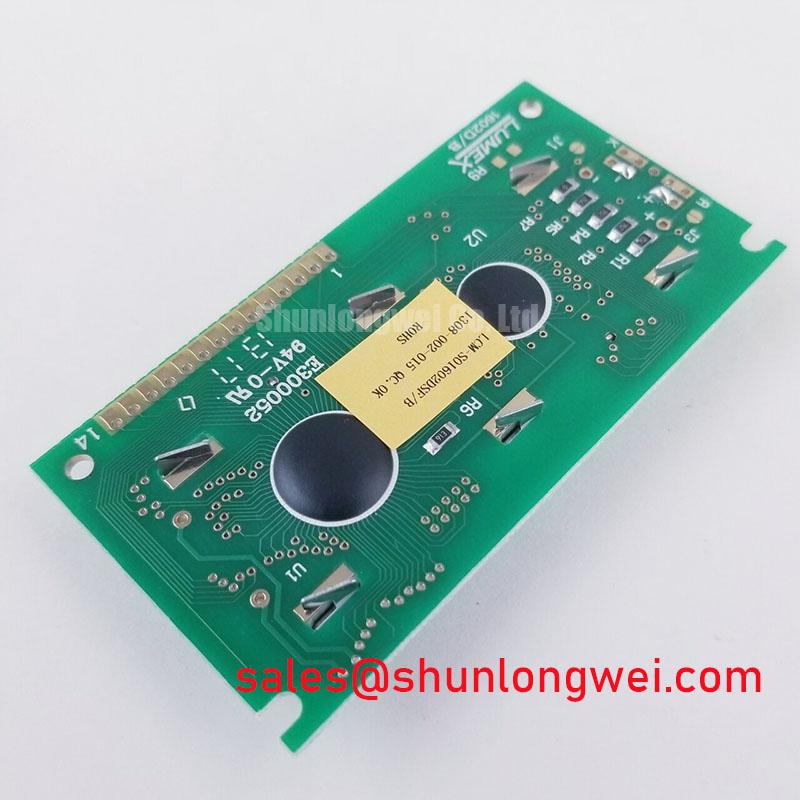
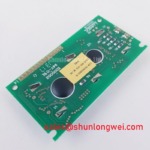
The Lumex LCM-S01602DSF/B is a 16x2 character LCD engineered for rapid and reliable integration into industrial and embedded systems. It combines key specifications—16 Characters x 2 Lines | STN Transflective Display | -20°C to +70°C Operating Range—with design features focused on accelerating development cycles and ensuring long-term field performance. This module provides a clear, versatile display solution with its HD44780-compatible instruction set and simplifies power architecture by operating from a single +5V supply. For embedded systems requiring a proven, easy-to-implement user interface with wide temperature tolerance, the LCM-S01602DSF/B offers a definitive solution.
Key Parameter Overview
Decoding the Specs for Seamless System Integration
The specifications of the LCM-S01602DSF/B are tailored for straightforward implementation and dependable operation in demanding environments. The parameters below highlight the module's electrical and physical characteristics, which are critical for hardware design and system validation.
| Electrical & Optical Characteristics (Ta=25°C, VDD=5.0V) | |
|---|---|
| Parameter | Specification |
| Display Format | 16 Characters x 2 Lines |
| Supply Voltage for Logic (VDD) | +5.0V (Typ.) |
| Input High Voltage (VIH) | 2.2V (Min) |
| Input Low Voltage (VIL) | 0.6V (Max) |
| Operating Current (IDD) | 1.5mA (Typ.) |
| Mechanical & Environmental Specifications | |
| Module Dimensions (W x H x D) | 80.0mm x 36.0mm x 13.5mm |
| Viewing Area (W x H) | 64.5mm x 13.8mm |
| Character Size (W x H) | 2.95mm x 5.55mm |
| Operating Temperature Range | -20°C to +70°C |
| Storage Temperature Range | -30°C to +80°C |
Application Scenarios & Value
System-Level Benefits in Industrial Controls and Field Instrumentation
The LCM-S01602DSF/B is engineered to solve common challenges in designing human-machine interfaces (HMIs) for equipment that operates outside of climate-controlled settings. Its value extends beyond simply displaying information to enhancing system reliability and reducing development overhead.
A prime engineering scenario is the development of portable diagnostic tools for HVAC, automotive, or utility technicians. These devices face a significant challenge: they must remain functional and readable whether used inside a freezing vehicle in winter or on sun-drenched pavement in summer. The module's wide operating temperature range of -20°C to +70°C directly addresses this, ensuring the display does not fail or become unreadable at environmental extremes. This is a critical differentiator when comparing industrial vs. consumer displays, where a standard 0°C to +50°C range would be inadequate and lead to field failures. The transflective properties of the STN display further enhance usability, providing clear visibility in bright ambient light without full reliance on the backlight, conserving power for battery-operated devices.
Other key applications include:
- Industrial Control Panels: Displaying status messages, error codes, and menu options on factory floor machinery.
- Test and Measurement Equipment: Providing clear numerical readouts for benchtop and portable devices.
- Medical Devices: Showing vital information on non-critical patient monitoring systems and lab equipment.
- Network Appliances: Offering a simple interface for initial setup and diagnostics of rack-mounted hardware.
This module, the LCM-S01602DSF/B, serves as a foundational component for designers who need a reliable, no-frills text display that integrates easily into a wide range of embedded systems.
Frequently Asked Questions (FAQ)
Engineering-Focused Inquiries
How does the built-in ST7066U controller simplify firmware development?
The Sitronix ST7066U controller uses an instruction set that is compatible with the industry-standard Hitachi HD44780. This is a major advantage for engineers as it allows them to leverage a vast ecosystem of existing, well-tested code libraries and drivers available for virtually all microcontrollers, from 8-bit PICs and AVRs to 32-bit ARM cores. Instead of writing low-level display drivers from scratch, development teams can integrate the display and have it operational in a fraction of the time, significantly accelerating the prototyping and production phases of a project.
What is the advantage of a transflective Super-twisted Nematic (STN) display in a device used in variable lighting?
A transflective display combines the features of both transmissive and reflective displays. In low-light conditions, the LED backlight (transmissive mode) ensures the characters are bright and clear. In high ambient light, such as outdoors, the reflective layer behind the liquid crystals uses the external light to illuminate the display (reflective mode). This dual-mode capability ensures readability across all lighting conditions and can reduce power consumption in bright environments by allowing the backlight to be dimmed or turned off. What is the key benefit of its transflective screen? It ensures readability in both dark rooms and direct sunlight.
Technical Deep Dive
Inside the Integration-Friendly Architecture
The design philosophy of the Lumex LCM-S01602DSF/B centers on minimizing the engineering effort required for implementation. Two core features exemplify this: the controller interface and the single-supply power design.
The choice of the ST7066U controller is a strategic decision for compatibility. Its instruction set mirrors the de-facto standard HD44780, which can be likened to a universal communication protocol for character displays. Thinking of it like a USB port for peripherals, this compatibility ensures that the display will "just work" with existing software stacks. This eliminates the steep learning curve and debugging time associated with proprietary or obscure controller interfaces, a critical factor in time-to-market for new products. Whether an engineer is working within the Arduino ecosystem or developing a bespoke TFT-LCD based embedded system, the fundamental control logic for this module is already a solved problem.
Furthermore, the module operates on a single +5V power supply. This streamlines the power delivery network on the PCB. Older character displays often required a separate negative voltage rail for the LCD contrast adjustment, which necessitated additional components like a charge pump IC, capacitors, and inductors. By integrating the voltage generation for the LCD drive, the LCM-S01602DSF/B reduces the bill of materials (BOM), shrinks the required PCB area, and simplifies the overall power design, contributing to both cost savings and system reliability.
Request for Quotation
To evaluate the LCM-S01602DSF/B for your design, please submit a request for quotation. Our team will provide the necessary information to support your procurement process. We are committed to facilitating your engineering and purchasing decisions with accurate and timely data.