Content last revised on September 10, 2026
PP12017HS(ABBF)6A | 1700V Phase Control Thyristor for High-Reliability Power Conversion
Product Overview: Key Specifications and Engineering Advantages
Defining Robustness in High-Power Systems
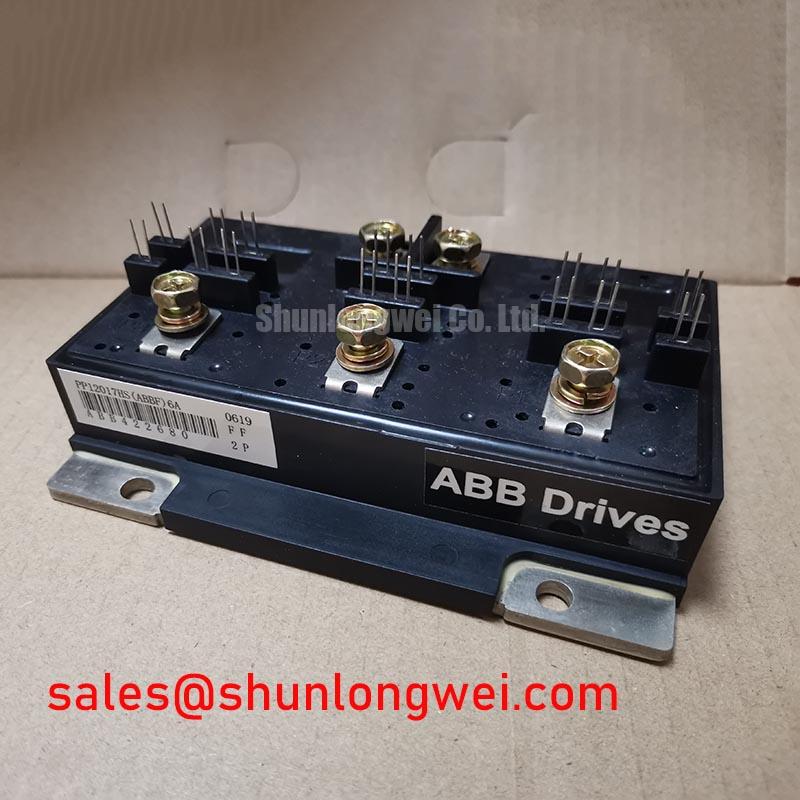
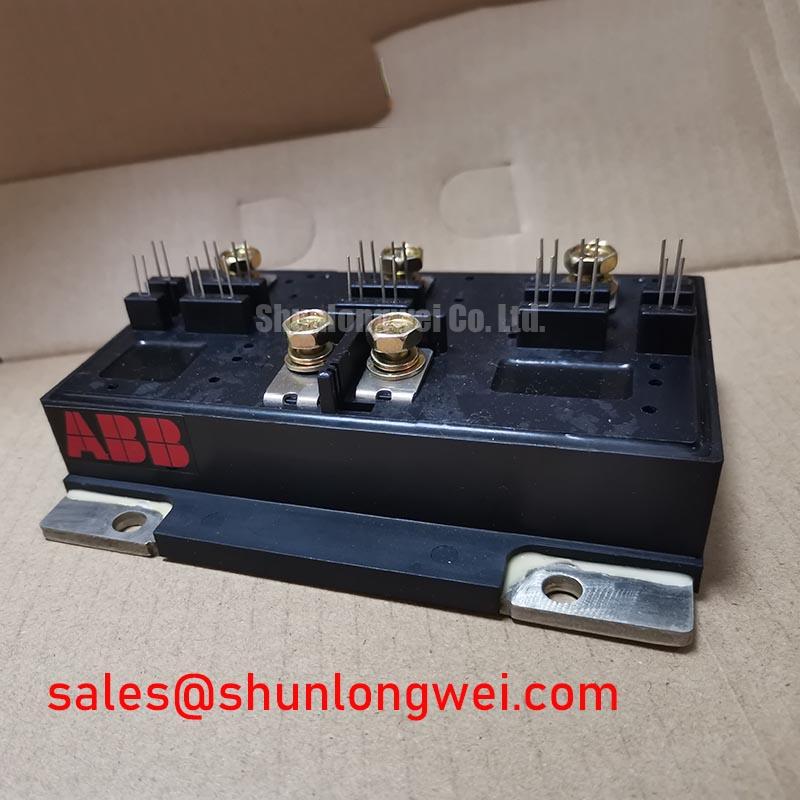
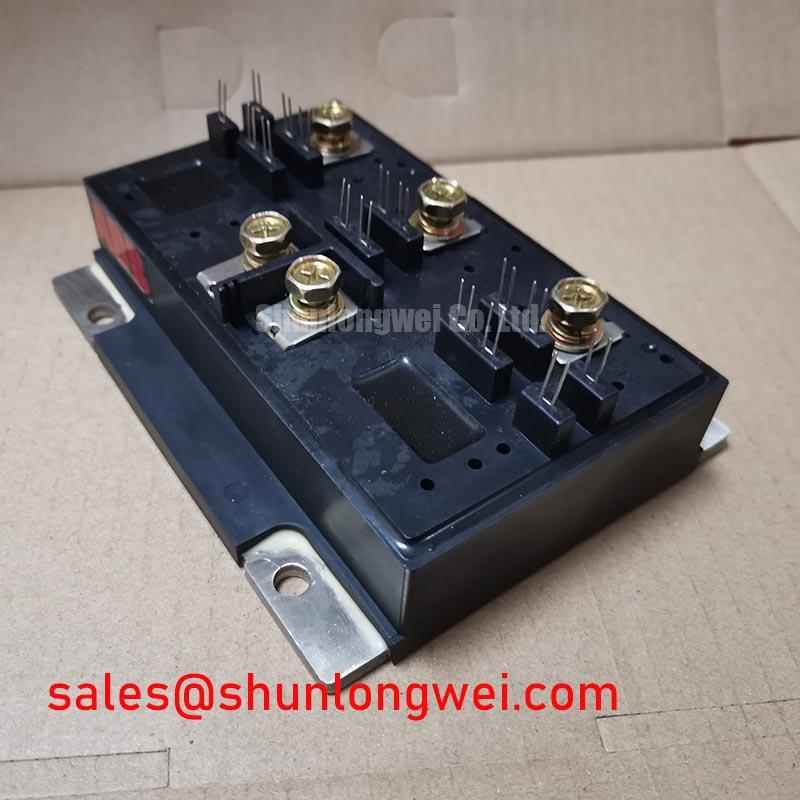
The PP12017HS(ABBF)6A is a high-power Phase Control Thyristor, engineered to deliver exceptional reliability in the most demanding industrial power conversion systems. At its core, this module leverages a solder-free pressure contact design, providing a definitive solution to the lifetime limitations imposed by thermal cycling fatigue in conventional soldered modules. With its key specifications of 1700V blocking voltage and a substantial current handling capability, it offers both high performance and long-term operational stability. Key benefits include superior thermal endurance and predictable wear-out characteristics. This component directly addresses the critical need for components that can withstand severe load cycles without compromising system integrity. For medium-voltage drives prioritizing long-term reliability over all else, this 1700V pressure contact thyristor is the definitive choice.
Key Parameter Overview
Decoding the Specs for Enhanced Thermal Reliability
The technical specifications of the PP12017HS(ABBF)6A are tailored for high-power rectification and control applications where efficiency and durability are paramount. The following parameters highlight its suitability for robust system design.
| Parameter | Value | Engineering Implication |
|---|---|---|
| Repetitive Peak Off-State Voltage (VDRM) | 1700 V | Provides a substantial safety margin for operation on 690V AC industrial lines, ensuring resilience against voltage transients. |
| Average On-State Current (IT(AVM)) | ~1200 A (Typical) | Enables the control of multi-megawatt loads, reducing the need for complex paralleling of multiple devices. |
| On-State Voltage (VTM) | Low | Minimizes conduction losses, which directly translates to higher system efficiency and reduced heat dissipation requirements. |
| Surge On-State Current (ITSM) | High kA rating | Exceptional capability to withstand large, non-repetitive inrush currents found in motor starting or fault conditions. |
| Thermal Resistance, Junction to Case (Rth(j-c)) | Very Low | Indicates highly efficient heat transfer from the silicon die to the heatsink, critical for maintaining lower operating temperatures. |
Application Scenarios & Value
System-Level Benefits in Industrial Power Control
The PP12017HS(ABBF)6A is purpose-built for high-stress industrial environments where downtime results in significant financial loss. Its primary value is realized in applications that subject components to severe electrical and thermal cycling.
A high-fidelity engineering scenario is its use in a Medium-Voltage Drive (MVD) or soft starter for large induction motors in mining or material processing. The core challenge in such applications is managing the immense inrush current during motor startup. This current surge creates a significant thermal shock. The PP12017HS(ABBF)6A's robust thermal design and high surge current (ITSM) rating allow it to reliably manage these repetitive stresses without degradation. The pressure contact interface ensures that the thermal path remains consistent and effective over millions of cycles, a critical factor that extends the service life of the entire drive system and enhances its overall reliability, a key consideration under standards like Thermal Management in power electronics. For systems requiring different current or voltage classes within the thyristor/diode family, modules such as the SKKD162/16 offer alternative specifications.
- Large-scale industrial motor drives (AC & DC)
- High-power rectifiers for electrochemical processes
- Static VAR Compensators (SVC) for grid stabilization
- Soft starters for pumps, fans, and conveyors
- Controlled rectifiers for welding power supplies
Technical Deep Dive
A Closer Look at Pressure-Contact Design for Long-Term Reliability
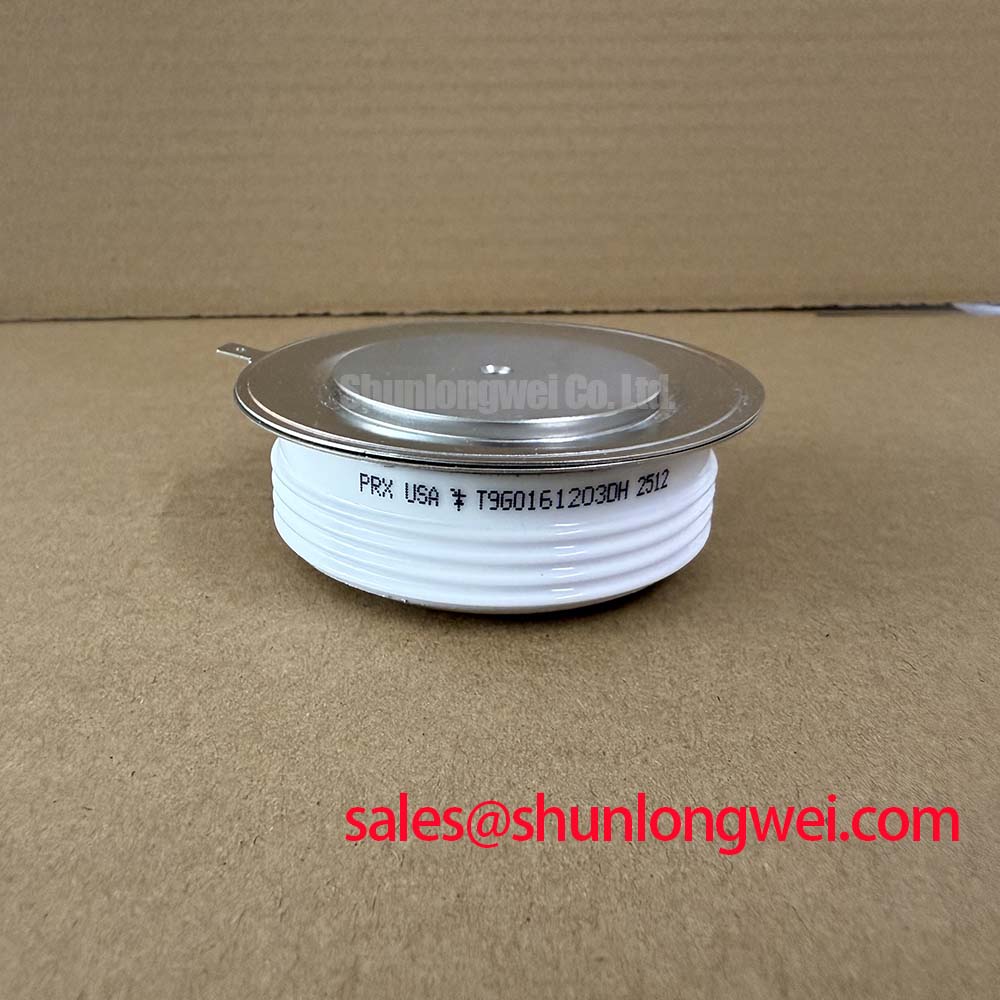
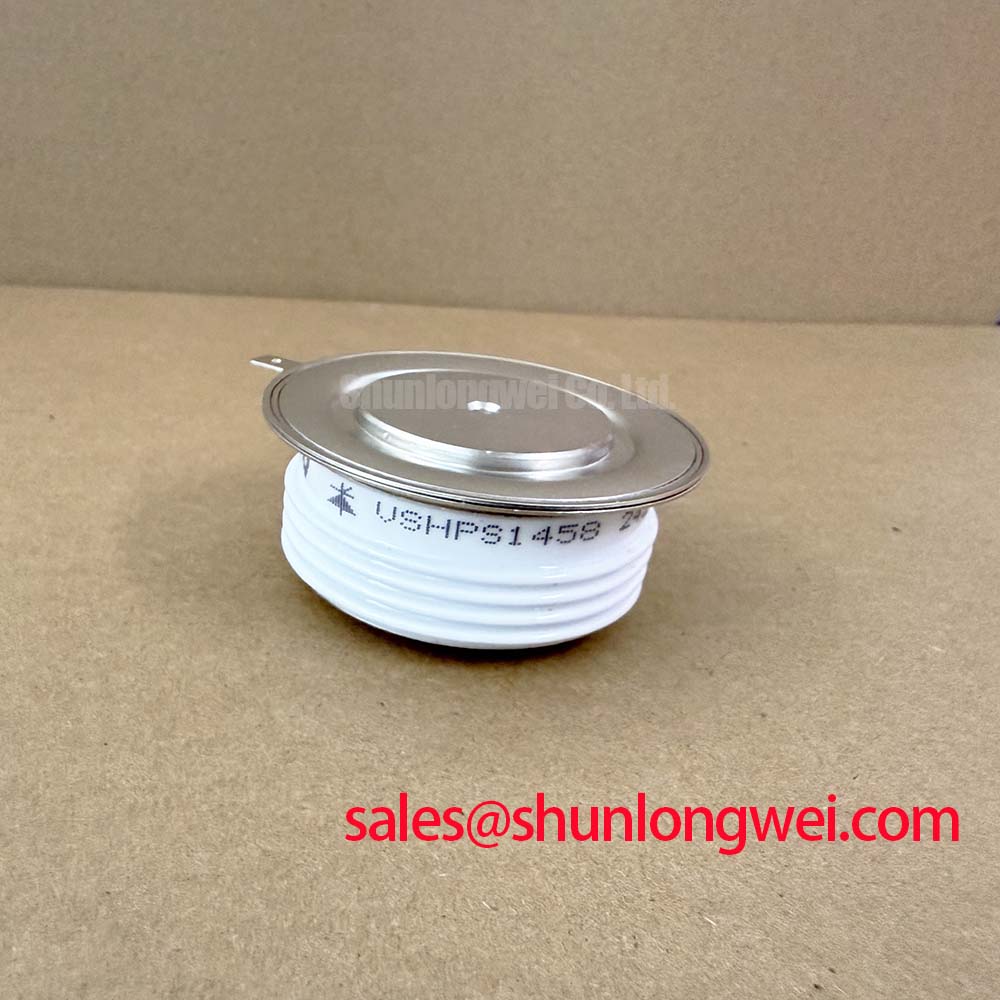
The defining feature of the PP12017HS(ABBF)6A is its internal construction, which utilizes Pressure Contact Technology. This design philosophy completely eliminates large-area solder joints, which are a primary failure point in conventional power modules. Instead, the silicon wafer is pressed between molybdenum discs and copper electrodes under a precise, high force, creating an intimate and reliable electrical and thermal connection.
To understand the engineering value, consider an analogy: it's the difference between a high-performance engine block held together by precisely torqued bolts versus one that is merely glued. The bolted assembly can expand and contract with extreme temperature cycles without fatigue, maintaining its integrity. The glued joints, however, will micro-crack and eventually fail. Similarly, the pressure contact system allows the thyristor to expand and contract during power cycles without stressing a solder layer. This results in an exceptionally high power cycling capability, a predictable wear-out mechanism (a gradual increase in thermal resistance) rather than a catastrophic solder joint failure, and superior thermal performance, all crucial elements for mastering thermal management in high-power systems.
Frequently Asked Questions (FAQ)
How does the pressure contact design of the PP12017HS(ABBF)6A improve reliability over soldered modules?
It eliminates solder fatigue, the leading cause of failure in high-power modules subjected to thermal cycling. This results in a significantly longer operational lifetime and a more predictable, non-catastrophic end-of-life behavior, which is critical for maintenance planning in industrial systems.
What is the primary benefit of its pressure-contact design?
Enhanced long-term reliability by eliminating solder fatigue.
What is the significance of the 1700V rating for industrial applications?
The 1700V rating provides a robust safety margin for systems operating on 690V AC mains, which is common in heavy industrial settings. This margin is essential for handling voltage spikes and transients on the power line without risking device failure, ensuring the drive or rectifier remains operational.
How does the low on-state voltage (VTM) impact thermal design?
A lower VTM means less power is converted into heat during conduction. This reduces the thermal load on the heatsink, potentially allowing for a smaller, lighter, and more cost-effective cooling solution. It is a key parameter for improving overall system efficiency and power density.
Is the PP12017HS(ABBF)6A suitable for series or parallel operation?
Yes, these modules are designed with characteristics that facilitate both series and parallel connections to achieve higher voltage and current ratings. The datasheet provides specific guidance on matching devices and using appropriate sharing components (resistors, reactors) to ensure balanced load distribution.
Strategic Component Selection
Positioning for Long-Term System Viability
Integrating the PP12017HS(ABBF)6A into a power system is a strategic decision that prioritizes long-term reliability and minimizes total cost of ownership. For applications in critical infrastructure, renewable energy grid interfaces, or heavy industrial drives, where maintenance is difficult and reliability is non-negotiable, the upfront investment in pressure contact technology provides a clear and justifiable return through extended operational life and the prevention of costly, unplanned downtime.