



Content last revised on September 10, 2026
BSM22GD120D Infineon 1200V 22A Six-Pack IGBT Module: Engineering Perspectives on Power Density and Reliability
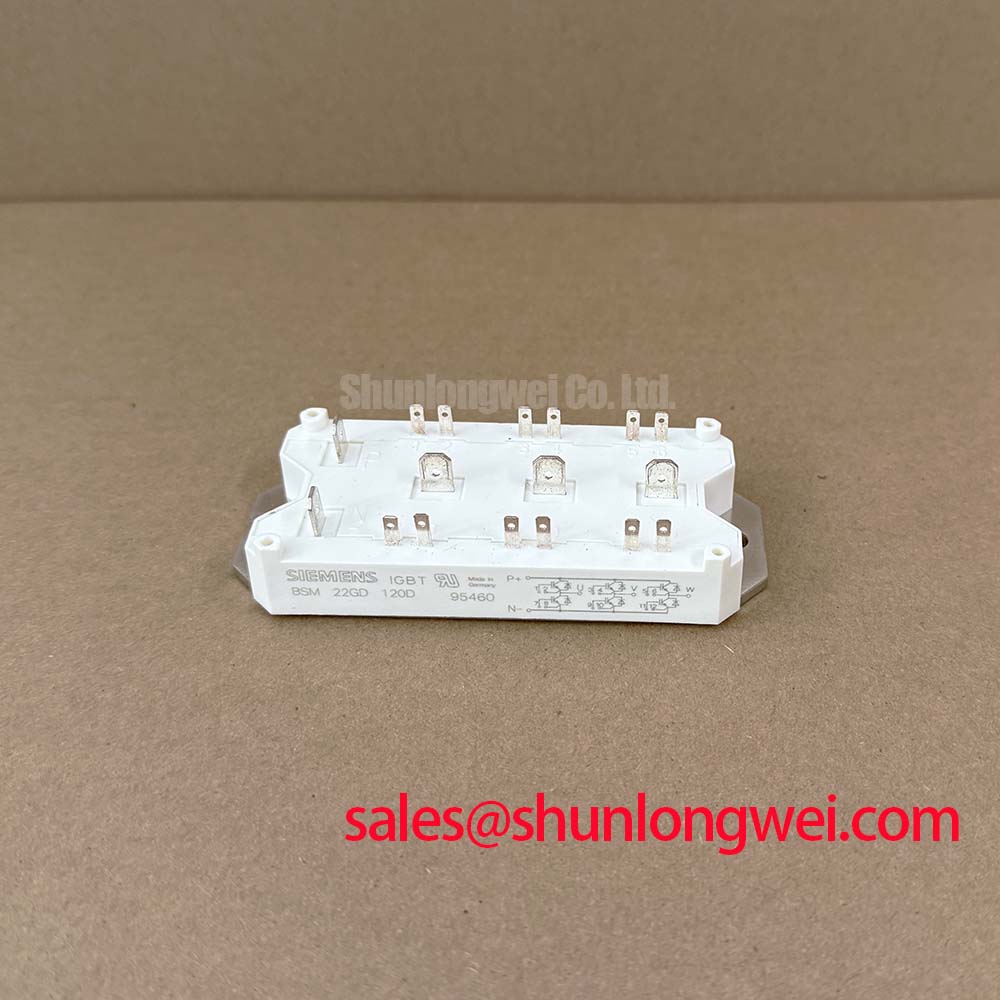
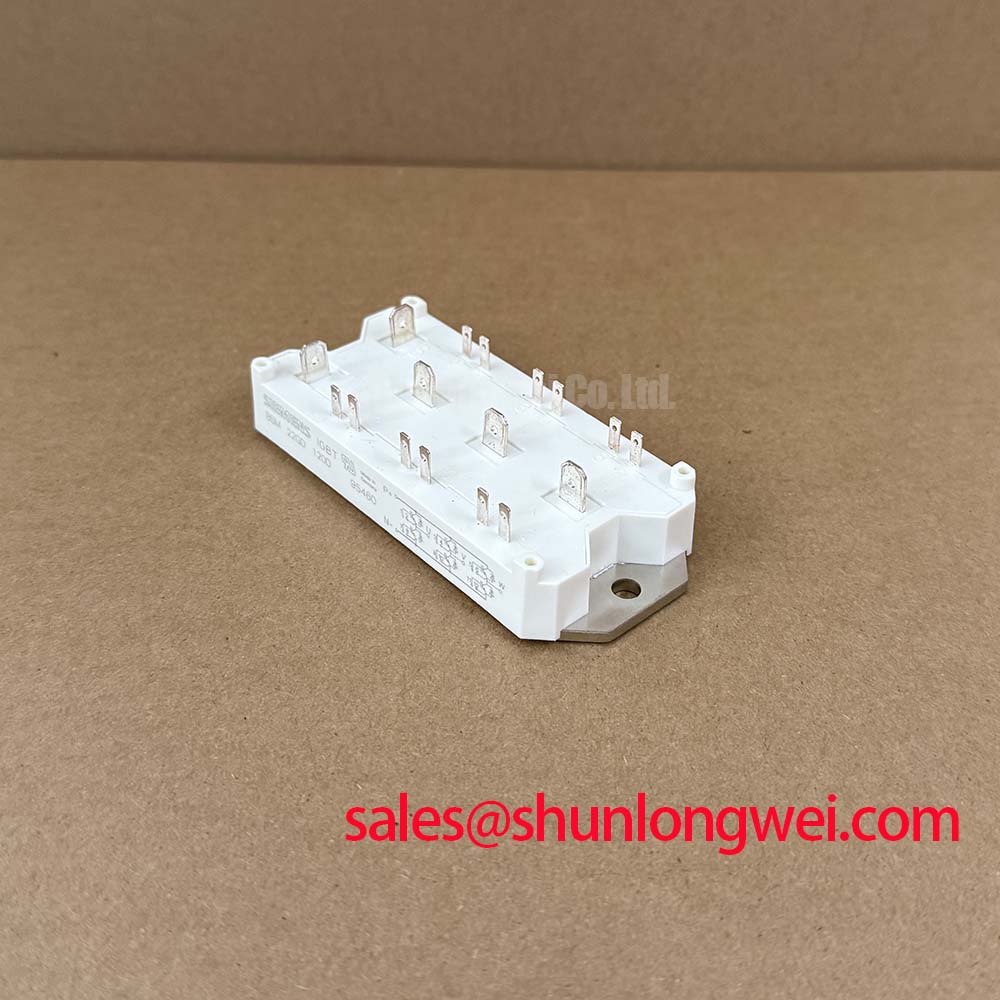
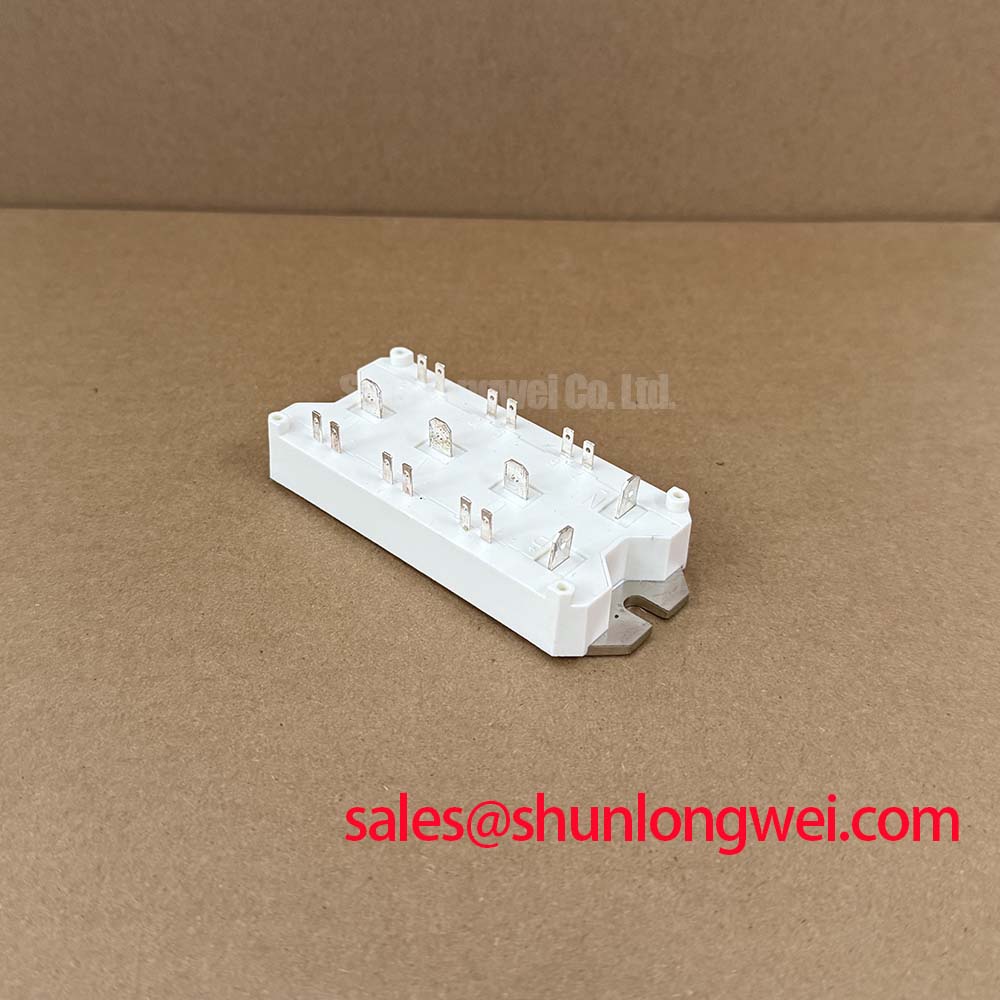
The BSM22GD120D is a high-performance power module designed to address the rigorous demands of industrial automation and motor control. By integrating a three-phase inverter bridge (Six-Pack configuration) into the compact EconoPACK 2 housing, this module enables engineers to maximize power density while maintaining the thermal margins necessary for long-term operational stability.
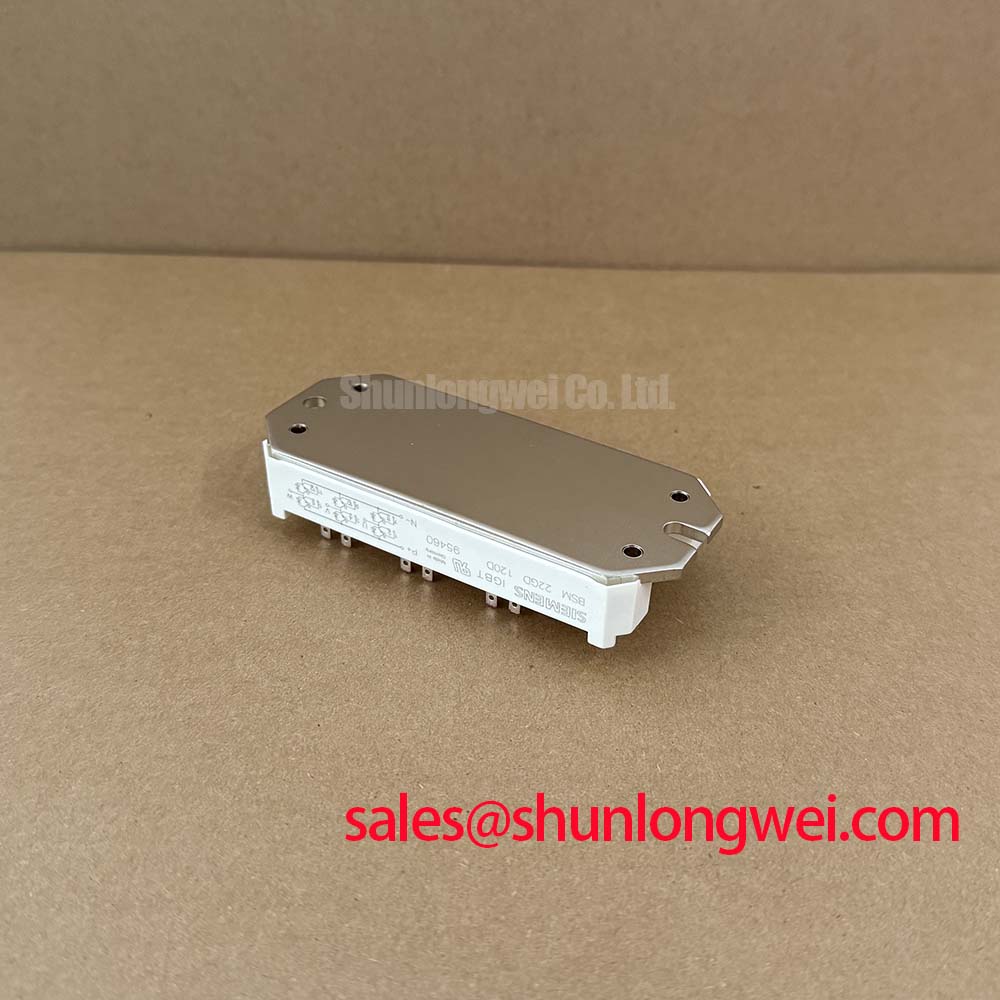
For industrial designers prioritizing thermal efficiency and switching precision, the BSM22GD120D offers a robust 1200V / 22A solution that balances low conduction losses with exceptional short-circuit ruggedness. This module provides a streamlined path for 400V AC drive development, significantly reducing the complexity of the power stage layout compared to discrete implementations. Key advantages include its isolated copper base plate for simplified heat sink mounting and an integrated NTC thermistor for real-time temperature monitoring. Engineers often ask about the module’s behavior under transient overloads; the BSM22GD120D addresses this through a square Reverse Bias Safe Operating Area (RBSOA), ensuring reliable turn-off even under peak current conditions. For 400V industrial drives requiring a compact six-pack configuration, the BSM22GD120D 1200V module is the optimal choice for achieving high efficiency in space-constrained enclosures.
Application Scenarios & Value
Achieving System-Level Benefits in High-Frequency Power Conversion
Engineers often face the challenge of minimizing the physical footprint of variable frequency drives (VFDs) without compromising the thermal integrity of the power stage. The BSM22GD120D solves this dilemma by consolidating six 1200V IGBTs and their corresponding freewheeling diodes into a single EconoPACK 2 package. This integration dramatically reduces parasitic inductance in the DC link, which is critical for suppressing voltage overshoots during high-speed switching.
In a high-fidelity engineering scenario, such as a localized conveyor belt system in a packaging facility, the BSM22GD120D excels at handling the starting surge current required for heavy inductive loads. During the startup phase, the motor requires a high torque constant, leading to temporary current peaks. The 22A continuous collector current rating (at Tc=80°C) and the module’s high I²t rating for the diodes allow it to withstand these repetitive stresses without degrading the silicon-to-substrate bonds. This reliability is essential for systems compliant with IEC 61800-3 standards, where electromagnetic compatibility and power stability are non-negotiable. While this model is ideal for medium-power applications, for systems requiring higher current handling, the related BSM35GP120 offers an alternative power profile within a similar design philosophy. Furthermore, the use of this module in robotic servo drives ensures the precision needed for modern industrial 4.0 environments.
Technical Deep Dive
Analyzing the EconoPACK 2 Topology for Thermal Management and Reliability
The internal architecture of the BSM22GD120D is a testament to mature NPT (Non-Punch-Through) technology, which provides a positive temperature coefficient for Vce(sat). This characteristic is a fundamental advantage when paralleling modules or managing thermal runaway, as the IGBT naturally shares current more effectively as temperatures rise. For a deeper understanding of these mechanics, engineers may refer to our analysis on IGBT hybrid structures.
The module’s 1200V blocking voltage is matched with high-speed switching characteristics, where the turn-off energy (Eoff) is minimized to reduce heat generation at higher carrier frequencies. Analogous to a high-performance brake system that dissipates heat rapidly to prevent fade, the BSM22GD120D utilizes its DCB (Direct Copper Bonding) substrate to transfer heat from the silicon junctions to the base plate with a low Rth(j-c). This thermal path is critical when the module operates at its maximum junction temperature (Tvj) of 150°C. Additionally, the integrated NTC thermistor acts as a sentinel, providing an analog resistance value that the gate driver or micro-controller can use to trigger de-rating protocols before catastrophic thermal failure occurs. This proactive protection is vital for maintaining the 10-year service life expected in high-efficiency power systems.
Key Parameter Overview
Decoding the Specs for Enhanced Design Precision
The following technical specifications are derived from the official Infineon/Eupec documentation to assist in the component evaluation process.
| Category | Parameter | Value |
|---|---|---|
| Absolute Maximums | Collector-Emitter Voltage (Vces) | 1200V |
| Continuous DC Collector Current (Ic) | 22A (at Tc=80°C) | |
| Repetitive Peak Collector Current (Icp) | 44A | |
| Inverter Characteristics | Vce(sat) (Typical) | 2.1V (at Ic=22A, Tvj=25°C) |
| Gate Charge (Qg) | 0.23 µC | |
| Thermal/Package | Isolation Test Voltage | 2.5 kV (AC, 1 min) |
| Integrated Temperature Sensor | NTC Thermistor |
Frequently Asked Questions
Engineering Insights into Module Integration
How does the integrated NTC thermistor in the BSM22GD120D influence the overall gate drive design?
The integrated NTC allows the system controller to monitor the base plate temperature directly within the EconoPACK 2 module. This eliminates the need for external sensors and reduces isolation requirements. In practice, this data is used to implement "thermal foldback," where the switching frequency is reduced if the base plate temperature exceeds a safety threshold, thereby protecting the 1200V IGBTs from exceeding their 150°C junction limit.
Is the 1200V rating of the BSM22GD120D sufficient for 480V AC line applications with significant voltage spikes?
While a 1200V Vces is standard for 400V/480V AC systems, the actual safety margin depends on the DC link voltage and the stray inductance of the busbars. During turn-off, the V=L*(di/dt) spike adds to the DC link voltage. The BSM22GD120D's low internal inductance helps mitigate this, but we always recommend utilizing a proper Snubber Circuit to ensure transients do not exceed the 1200V limit during emergency shutdowns.
Selecting the right power component requires a nuanced understanding of both electrical limits and thermal realities. To further support your decision-making, we recommend reviewing our guide on testing IGBT modules or exploring our module selection framework. For current pricing and technical support regarding your specific topology, please contact our specialized sales team.