



Content last revised on September 10, 2026
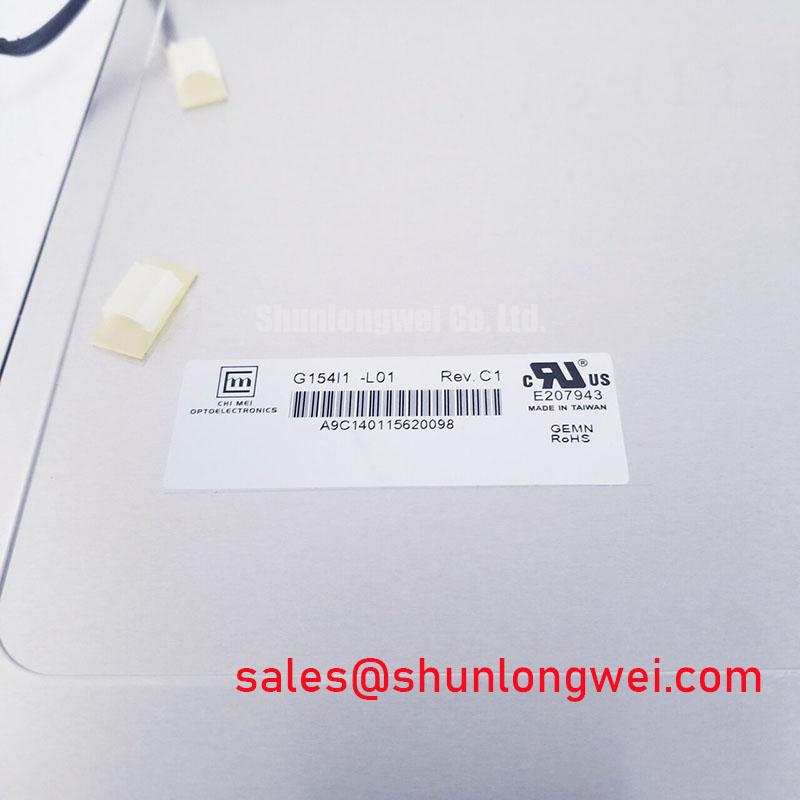
G154I1-L01: High-Brightness 15.4-Inch WXGA Display for Demanding Industrial and In-Vehicle Applications
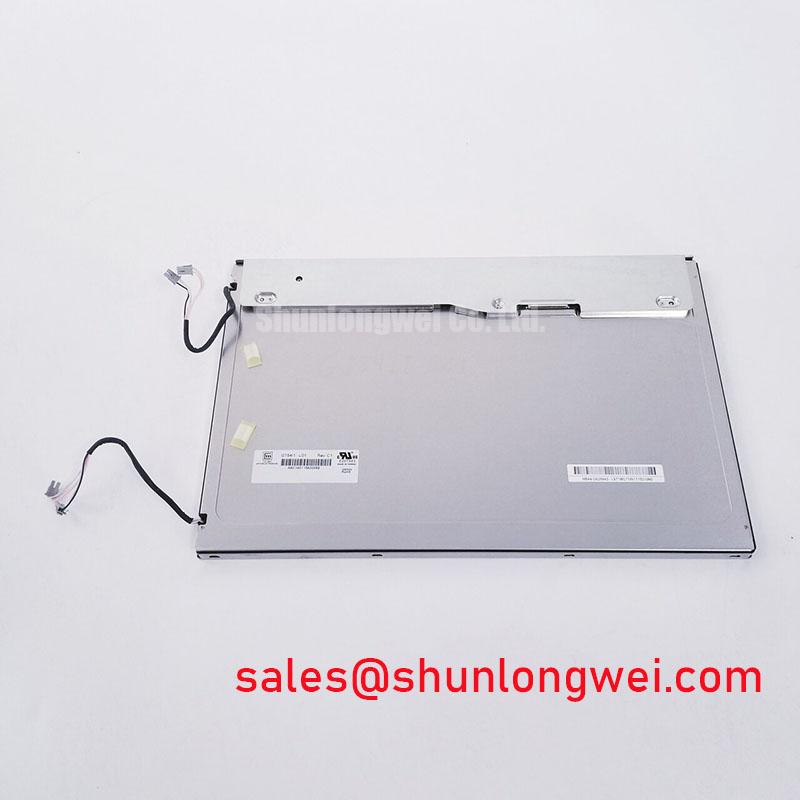
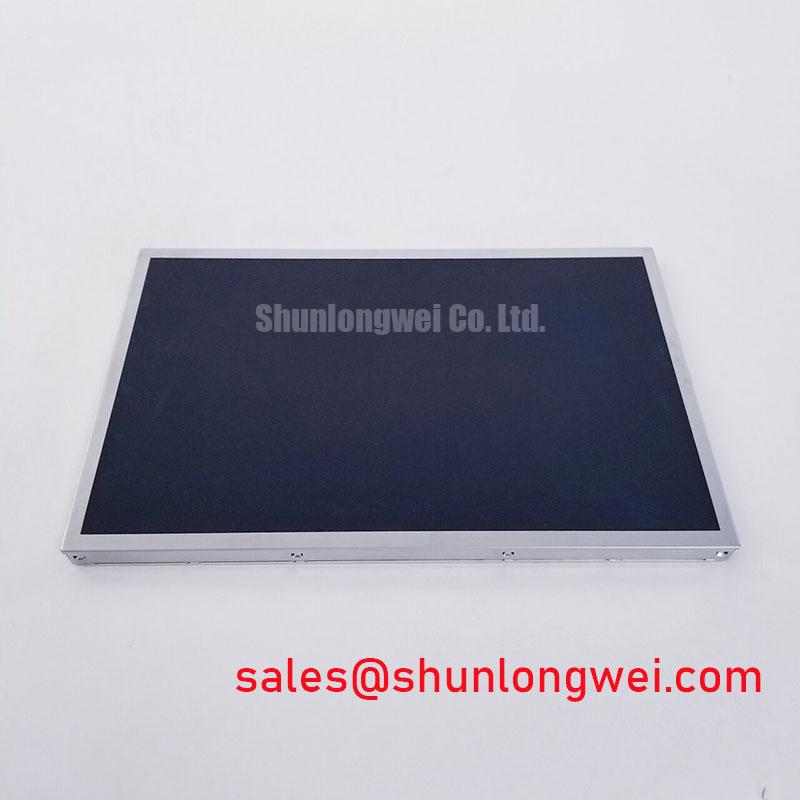
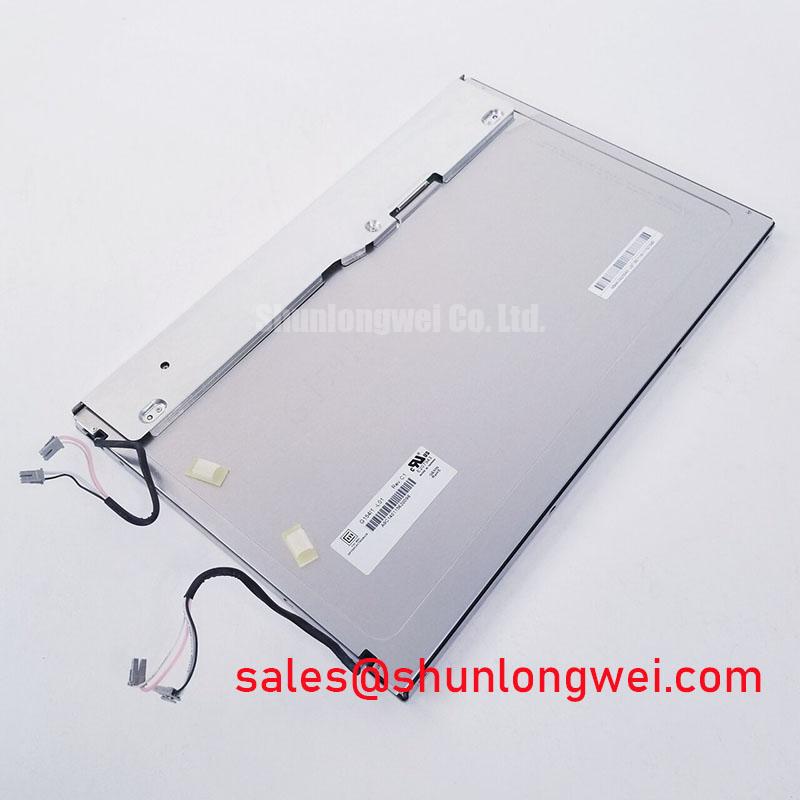
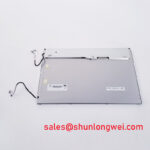
The Innolux G154I1-L01 is a 15.4-inch a-Si TFT-LCD module engineered for exceptional visual performance in high-ambient-light environments and applications requiring robust, long-term operation. Delivering a powerful 700 cd/m² brightness and a wide operating temperature range, this display provides the clarity and resilience demanded by industrial HMIs, public information kiosks, and in-vehicle systems. For systems where high brightness is the primary design driver, the G154I1-L01's specification set ensures consistent readability and operational stability. With its combination of high luminance, wide viewing angles, and a durable CCFL backlight system, this panel is an optimal choice for applications where visual performance cannot be compromised by challenging environmental conditions.
Key Parameter Overview
Decoding the Specs for Enhanced Visual Performance
The technical specifications of the G154I1-L01 are tailored for applications where high brightness and robust performance are critical design criteria. The panel's high luminance level is a defining feature, directly enabling readability in brightly lit indoor or outdoor-shaded environments. This is complemented by a solid contrast ratio and wide viewing angles, ensuring image clarity is maintained for operators who are not positioned directly in front of the screen.
| Parameter | Specification | Engineering Value |
|---|---|---|
| Screen Size | 15.4 inches | Provides a large, immersive viewing area suitable for complex data visualization. |
| Resolution | 1280(RGB)×800 (WXGA) | Offers clear, detailed imagery in a 16:10 aspect ratio ideal for industrial control interfaces. |
| Luminance | 700 cd/m² (Typ.) | Delivers exceptional brightness for clear readability in high ambient light conditions. |
| Viewing Angle | 80/80/80/80 (L/R/U/D) (Typ.) | Ensures consistent image quality from multiple viewing positions. |
| Operating Temperature | -30°C to 80°C | Guarantees reliable performance in extreme thermal environments, from cold storage to sun-exposed cabins. |
| Contrast Ratio | 700:1 (Typ.) | Provides deep blacks and vibrant colors for superior image distinction. |
| Backlight System | 4 pcs CCFL, 50,000 hours (Min.) | Offers a long-life, field-proven illumination source designed for sustained industrial use. |
| Signal Interface | LVDS (1 channel, 6-bit) | Ensures a standard, low-noise connection compatible with a wide range of industrial motherboards. |
Download the G154I1-L01 datasheet for detailed specifications and performance curves.
Application Scenarios & Value
System-Level Benefits in Environmentally Demanding HMIs
The G154I1-L01 is engineered for environments where standard displays falter. Its primary value is realized in applications that contend with direct or high levels of ambient light and extreme temperatures.
High-Fidelity Engineering Scenario: Consider the operator cabin of heavy construction or agricultural machinery. Sunlight can render a standard display unreadable, creating operational inefficiencies and safety risks. The G154I1-L01's 700 cd/m² luminance—akin to the difference between a standard indoor light bulb and a high-intensity spotlight—cuts through glare, ensuring critical machine data, diagnostics, and GPS mapping remain perfectly legible. Furthermore, its ability to operate reliably at -30°C means there is no performance lag or screen freezing during cold-weather startups, a common failure point for lesser displays. The robust design, capable of withstanding 1.5G vibration, ensures longevity in these high-shock environments. This makes the G154I1-L01 a critical component for building reliable Human-Machine Interfaces (HMIs) for equipment used in challenging field conditions.
This display is also well-suited for:
- Outdoor digital signage in shaded areas
- Public transportation information displays
- Marine and avionics control panels
- Industrial automation control rooms with bright overhead lighting
While the G154I1-L01 excels in high-brightness applications, for systems requiring similar resolution but in a more compact 12.1-inch form factor, the G121S1-L01 presents a viable alternative for space-constrained designs.
Frequently Asked Questions (FAQ)
How does the 700 cd/m² brightness rating of the G154I1-L01 benefit system design?
The 700 cd/m² luminance specification is a critical performance metric that directly enables sunlight readability in non-direct sunlight applications. For design engineers, this high brightness eliminates the need for costly and bulky shielding or hoods in many outdoor or brightly lit indoor installations. It simplifies the mechanical design of the final product and enhances the user experience by providing a clear, vivid image without washout from ambient light.
What is the significance of the -30°C to 80°C operating temperature range for industrial applications?
This wide operating temperature range is a testament to the display's industrial-grade design. It guarantees operational reliability in non-environmentally controlled settings. For example, a display mounted in an outdoor ticketing kiosk or on a logistics vehicle must function flawlessly in both freezing winter conditions and peak summer heat. This range ensures the liquid crystal response time and backlight performance remain stable, preventing image lag or failure that could disrupt operations.
What does the 50,000-hour backlight lifetime imply for total cost of ownership?
A 50,000-hour backlight lifetime, which translates to over 5.7 years of continuous 24/7 operation, is a key factor in lowering the total cost of ownership (TCO). For industrial equipment with long service life expectations, this minimizes the need for costly maintenance, repairs, and downtime associated with replacing the backlight, making it a more economical choice over the product's entire lifecycle compared to displays with shorter-lived illumination systems.
Is the LVDS interface on the G154I1-L01 suitable for modern industrial controllers?
Yes, the LVDS (Low-Voltage Differential Signaling) interface is a widely adopted and robust standard in the industrial sector. Its differential nature provides excellent noise immunity, which is crucial in electrically noisy industrial environments where motors, actuators, and power supplies can interfere with signals. This ensures a stable and reliable data connection between the display and the system's controller board.
Industry Insights & Strategic Advantage
Meeting the Demands of Modern Industrial and In-Vehicle Systems
The design philosophy of the Innolux G154I1-L01 aligns with key industrial trends: the need for equipment that operates reliably in increasingly diverse environments and the demand for user interfaces that enhance operator efficiency and safety. As automation expands into outdoor and mobile applications—from smart agriculture to logistics and port automation—the requirement for HMI components that are inherently rugged and visually superior becomes paramount. The G154I1-L01's combination of high brightness and a wide thermal operating window directly addresses this market shift. It provides system integrators with a COTS (Commercial Off-The-Shelf) display solution that meets the environmental resilience once only achievable through extensive and costly customization. This allows for faster product development cycles and a more reliable end product for deployment in critical applications where performance cannot be a variable.
Strategic Outlook
For engineering and procurement teams, selecting a component like the G154I1-L01 is a strategic decision that prioritizes operational uptime and long-term reliability. Its robust specifications provide a significant performance margin, ensuring the human-machine interface remains a consistently strong link in the operational chain, even when faced with challenging environmental conditions. This focus on durability and visual clarity supports the development of next-generation industrial and vehicular systems where performance and reliability are the ultimate benchmarks of success.