
Content last revised on February 26, 2026
Sharp LQ121X1LH83: Industrial-Grade 12.1-inch XGA Visualization
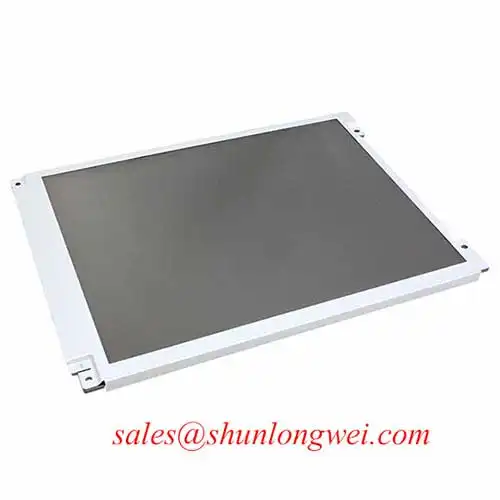
The Sharp LQ121X1LH83 is a high-performance 12.1-inch TFT-LCD module specifically engineered for the rigorous demands of industrial automation and outdoor human-machine interfaces. By integrating a 1024x768 XGA resolution with a high-durability LED backlight, this module provides a reliable visualization core for systems operating in unpredictable environmental conditions. For industrial HMI designs requiring XGA resolution within a rugged -30°C to +80°C envelope, this 12.1-inch module is the optimal choice.
UVP: Ensuring Uninterrupted Visual Integrity in Harsh Edge Computing Environments through Industrial-Grade Thermal Resilience and Mechanical Stability.
Top Specs: 1024x768 | 450 cd/m² | -30°C to +80°C Operating Range
- Extreme Thermal Margin: Reliable operation from sub-zero storage to high-heat enclosures.
- Long-Life LED: 50,000-hour backlight lifespan reduces long-term maintenance overhead.
While standard panels fail in extreme cold, the LQ121X1LH83 maintains liquid crystal fluidity down to -30°C, eliminating the need for external heaters in most outdoor kiosks. This capability addresses the hidden challenge of "ghosting" or slow response times typically encountered by procurement teams when deploying standard displays in unconditioned environments.
Application Scenarios & Value
Achieving System-Level Benefits in High-Resilience Industrial HMIs
Engineers often face the dilemma of choosing between consumer-grade cost and industrial-grade survivability when designing terminals for petrochemical plants or cold-chain logistics. The Sharp LQ121X1LH83 resolves this by offering a wide operating temperature range of -30°C to +80°C. In a typical outdoor refueling station or CNC machine tool environment, internal cabinet temperatures can spike or drop rapidly. The LQ121X1LH83 utilizes specialized liquid crystal materials that prevent crystallization at low temperatures, ensuring that critical safety data remains visible during a mid-winter startup.
The 1-channel LVDS interface provides robust signal integrity, which is vital for reducing electromagnetic interference (EMI) in heavy machinery applications. When compared to the G121XCE-L01, which is often favored for its cost-efficiency in standard indoor settings, the LQ121X1LH83 offers a superior thermal envelope that justifies its selection for mission-critical outdoor deployments. For designs where space is constrained but resolution cannot be sacrificed, this 12.1-inch XGA display facilitates high-density information layouts without the heat-related degradation common in higher-brightness consumer tablets.
Furthermore, the 450 nits brightness is optimized for readability in shaded outdoor environments. In maritime navigation systems, for instance, the LQ121X1LH83 provides the necessary contrast to distinguish complex map details while resisting the corrosive effects of humidity through its industrial-grade bonding and sealing. For engineers looking to compare this with SVGA options, the related G121S1-L01 provides a lower resolution alternative for simpler UI requirements.
Industry Insights & Strategic Advantage
Navigating the Shift Toward Ruggedized Edge Visualization in Industry 4.0
As the "IIoT" (Industrial Internet of Things) pushes more processing power to the edge, the demand for displays that can survive near the point of action—rather than in controlled server rooms—is accelerating. The LQ121X1LH83 aligns with the current trend of "Universal HMI" standards, where a single display model must serve global markets ranging from Arctic oil rigs to tropical manufacturing hubs. This Sharp module effectively future-proofs designs against stricter IEC 61800-3 EMC compliance requirements by utilizing a low-noise LVDS drive system.
The LED backlight in the LQ121X1LH83 functions like a high-endurance marathon runner, maintaining peak performance over a 50,000-hour lifespan without the early fatigue seen in consumer-grade CCFL panels. This longevity is critical when calculating the Total Cost of Ownership (TCO). In the context of medical HMI or PFC stage monitoring in power systems, the reliability of the display is often the bottleneck for the entire system's uptime. By selecting a module with a proven XGA track record, manufacturers avoid the costly "redesign cycles" associated with the short lifecycles of consumer-grade display glass.
Strategically, integrating the LQ121X1LH83 allows for a "set and forget" design philosophy. As industrial software becomes more graphically intensive, the 1024x768 resolution provides the necessary real estate for complex dashboarding without requiring the excessive power draw of a 4K panel, which would introduce unwanted heat into sealed enclosures.
Key Parameter Overview
Decoding the Specs for Enhanced Environmental Reliability
| Category | Technical Specification | Engineering Value |
|---|---|---|
| Display Geometry | 12.1-inch Diagonal / 1024x768 XGA | High pixel density for complex UI. |
| Optical Performance | 450 cd/m² Brightness / 800:1 Contrast | Optimized for indoor/outdoor shaded use. |
| Signal Interface | LVDS (1 ch, 6/8-bit) 20-pin Connector | Low EMI and high-speed data transfer. |
| Thermal Limits | -30°C to +80°C Operating Temp | Eliminates need for heater/cooler in most areas. |
| Backlight System | WLED with 50,000H MTBF | Long-term reliability for 24/7 operation. |
Frequently Asked Questions
Engineering Insights for the LQ121X1LH83
How does the -30°C operating temperature rating of the LQ121X1LH83 affect initial system startup in cold environments?
Unlike consumer displays that may require 10-20 minutes of "warm-up" time before the liquid crystals respond correctly, the LQ121X1LH83 is designed for instantaneous startup at -30°C. This ensures that critical diagnostic information is available immediately upon powering up the system, which is essential for emergency equipment and outdoor infrastructure.
What are the primary considerations for LVDS cable length when using this 12.1-inch module in a large industrial cabinet?
The LVDS interface is designed for differential signaling, which inherently resists noise. However, to maintain the integrity of the 1024x768 signal, we recommend keeping cables under 50cm and using shielded twisted pairs. Long cable runs can lead to pixel clock jitter, which might degrade the visual clarity expected from a Sharp XGA panel.
Does the 50,000-hour LED life refer to total failure or a decrease in brightness?
In industrial display terminology, the 50,000-hour rating typically refers to the time it takes for the LED brightness to reach 50% of its original 450 nits value. This is a crucial metric for designers; it allows them to calculate the maintenance window for displays used in 24/7 monitoring centers, ensuring visibility remains within safe operational limits over many years.
As a specialized distributor, we provide the LQ121X1LH83 to support your engineering requirements for robust industrial visualization. For detailed technical support or to verify current availability for your production ramp-up, please contact our technical sales team for a comprehensive quote. Explore our full range of industrial display HMI solutions and technical TFT-LCD resources to optimize your next design.