

Content last revised on September 10, 2026
MFC260A Thyristor/Diode Module: Engineering Analysis for High-Reliability Power Control
Product Overview
Engineered for Durability in Demanding Power Cycling Applications
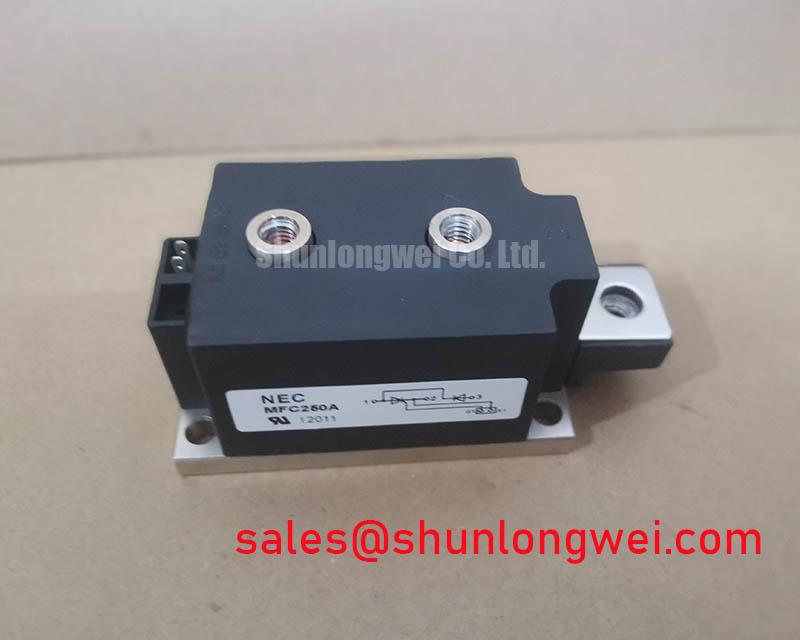
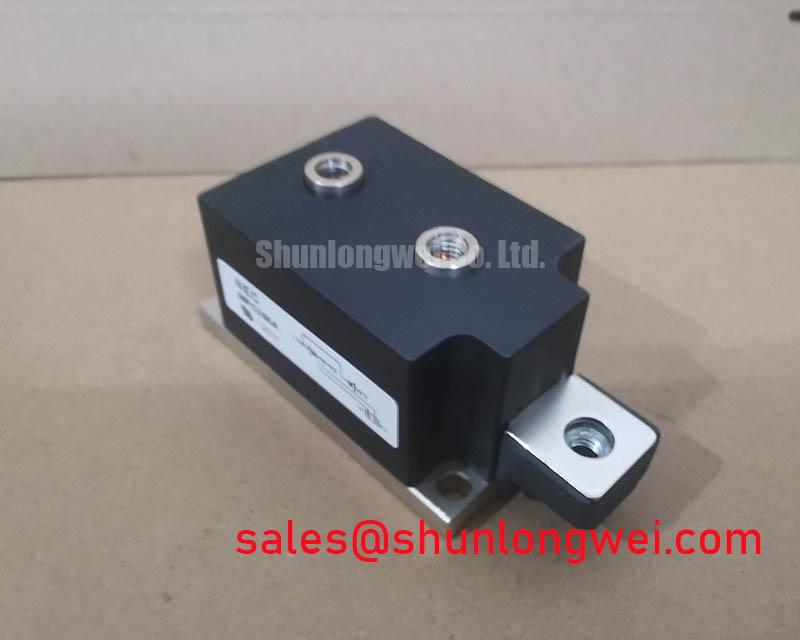
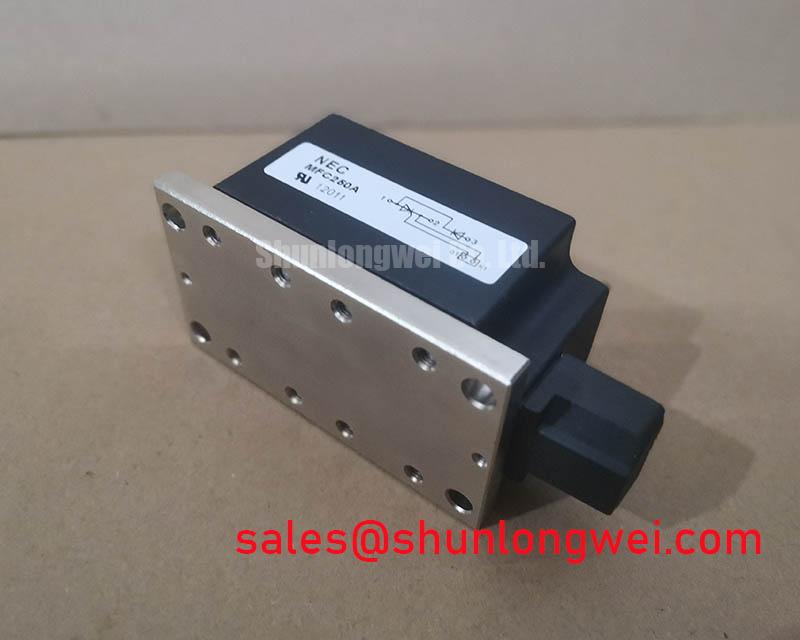
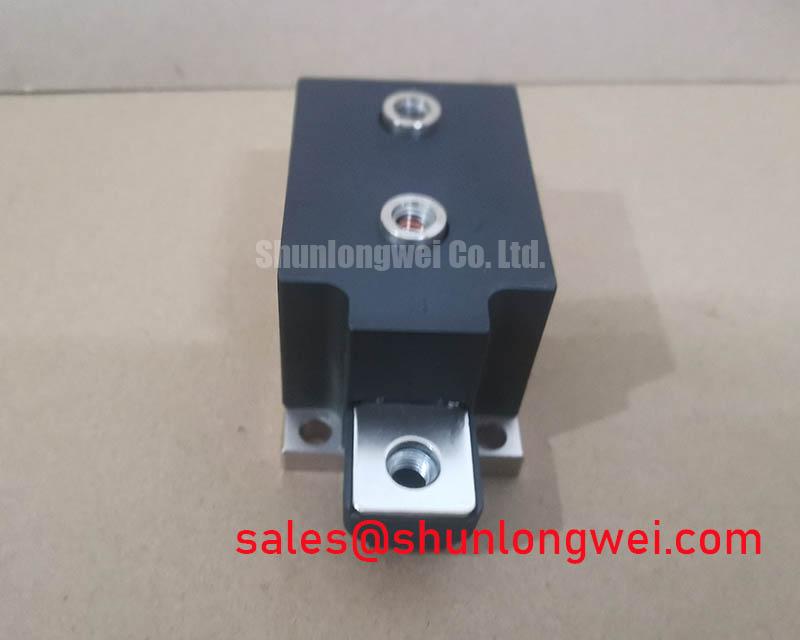
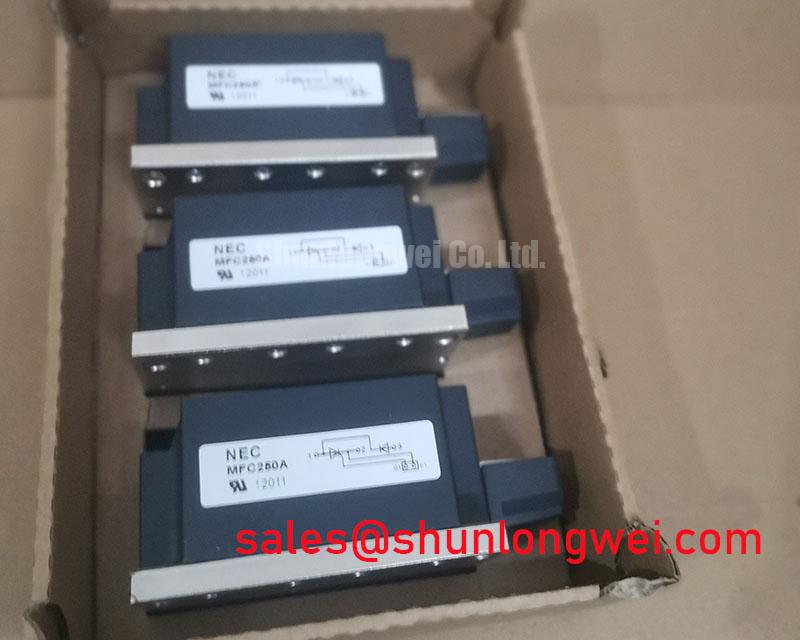
The MFC260A is a robust thyristor/diode module designed for consistent performance in high-stress industrial power control systems. It delivers reliable power handling and exceptional thermal stability, leveraging a pressure-contact design that ensures longevity. With core specifications of approximately 260A and voltage ratings typically in the 1600V-2200V range, this module provides superior power cycling capability and simplified thermal management. Its design directly addresses the need for dependable operation in applications like industrial motor drives and soft starters, where thermal fatigue is a primary failure mode. For systems requiring robust, three-phase rectification without phase control, the related MDS200A1600V offers a dedicated diode bridge solution.
Application Scenarios & Value
Achieving System-Level Reliability in Industrial Power Conversion
The MFC260A module is engineered to solve critical challenges in AC and DC power control circuits. Its primary value lies in delivering sustained performance where thermal and electrical cycling are constant. For an engineer designing a soft starter for a high-inertia industrial motor, managing the start-up inrush current and the resulting thermal stress is paramount. The MFC260A's excellent power cycling capability, a direct result of its solder-free pressure-contact construction, means it can handle these repetitive thermal expansions and contractions without degradation. This design choice mitigates the risk of solder fatigue, a common failure point in conventional modules, thus extending the operational life and service intervals of the entire drive system. What is the primary benefit of its pressure-contact design? Enhanced long-term reliability by eliminating solder fatigue.
This module is an optimal fit for:
- Industrial Motor Drives: Providing precise and reliable control for AC and DC motors, enhancing efficiency and longevity.
- Soft Starters: Effectively managing inrush currents to reduce mechanical stress on machinery and electrical stress on the grid.
- Power Supply Rectification: Serving as a dependable front-end rectifier in high-power industrial PSUs and UPS (Uninterruptible Power Supply) systems.
- Welding Power Supplies: Delivering the controlled, high-current output necessary for advanced welding applications.
Key Parameter Overview
Highlighted Specifications for System Design
The following parameters for the MFC260A are representative of the series and crucial for design and integration. The module's performance is defined by its robust electrical characteristics and thermal efficiency, which are foundational to its reliability.
| Parameter | Typical Value | Engineering Significance |
|---|---|---|
| Average Forward Current, IT(AV) | ~260 A | Defines the module's continuous current handling capability, critical for sizing in motor drive and rectifier applications. |
| Repetitive Peak Reverse Voltage, VRRM | 1600V - 2200V | Crucial for system safety and reliability; provides the necessary voltage margin for operation on industrial 400V/690V lines. |
| Isolation Voltage, VISO | >2500 V (AC) | Ensures safety by electrically isolating the baseplate from the active semiconductor elements, simplifying mounting and system design. |
| Max. Junction Temperature, Tvj max | ~125°C | Sets the upper limit for the operating temperature of the silicon, directly impacting thermal management and heatsink selection. |
Note: These values are typical for the series. For precise specifications, always consult the official manufacturer datasheet.
Technical Deep Dive
The Engineering Advantage of the Pressure-Contact Design
At the core of the MFC260A module's reliability is its pressure-contact, or "press-pack," construction. Unlike conventional modules that rely on soldered connections between the silicon die and the terminals, this design uses precisely controlled mechanical pressure to create electrical and thermal contacts. Think of it like a high-performance engine head gasket; it uses immense, evenly distributed pressure to create a perfect seal that can withstand constant changes in temperature and pressure without failing. In the MFC260A, this eliminates solder layers, which are often the weakest link in the thermal path and a primary cause of wear-out from repeated heating and cooling cycles.
This architecture provides two distinct engineering advantages. First, it dramatically improves Power Cycling Capability. With no solder to fatigue and crack, the module can endure a significantly higher number of on/off cycles, directly translating to a longer service life in applications like motor controllers or automated industrial processes. Second, it enhances thermal performance. The direct pressure contact creates a more efficient and consistent path for heat to travel from the semiconductor junction to the heatsink, simplifying thermal management and allowing for more compact and cost-effective cooling solutions.
Frequently Asked Questions (FAQ)
How does the pressure-contact design of the MFC260A improve system reliability compared to soldered modules?
The pressure-contact design eliminates solder layers, which are susceptible to fatigue and cracking after repeated thermal cycles. This makes the module inherently more robust and extends its operational lifetime, especially in applications with frequent start/stop sequences like soft starters or servo drives.
What is the typical application for a thyristor/diode module like the MFC260A?
It is primarily used for controlled rectification and AC power control. Common applications include industrial motor drives, where it controls motor speed and torque, and high-power rectifiers for uninterruptible power supplies (UPS) and welding equipment.
What considerations are important when selecting a heatsink for the MFC260A?
The key is to ensure the maximum junction temperature (Tvj max) is not exceeded under worst-case operating conditions. The module's thermal resistance (Rth(j-c)) is the critical parameter. A lower thermal resistance, aided by the pressure-contact design, allows for more efficient heat transfer, potentially enabling the use of a smaller, more cost-effective heatsink while maintaining system reliability.
Strategic Outlook for System Integration
Building Resilient Systems with Proven Technology
Integrating the MFC260A into a power system is a strategic decision favoring long-term reliability over minimal initial cost. Its robust construction provides a stable foundation for power converters operating in harsh industrial environments. For design teams focused on minimizing total cost of ownership (TCO), the module's extended lifespan and reduced maintenance requirements present a compelling value proposition. As industrial automation and process control demand higher uptime and greater resilience, components like the MFC260A, which are fundamentally designed to resist common failure modes like thermal fatigue, become critical enablers of next-generation system performance and dependability.