


Content last revised on September 10, 2026
PD6016C: High-Reliability 1600V, 60A Dual Diode Module for Industrial Power Conversion
Introduction to a Robust Power Component
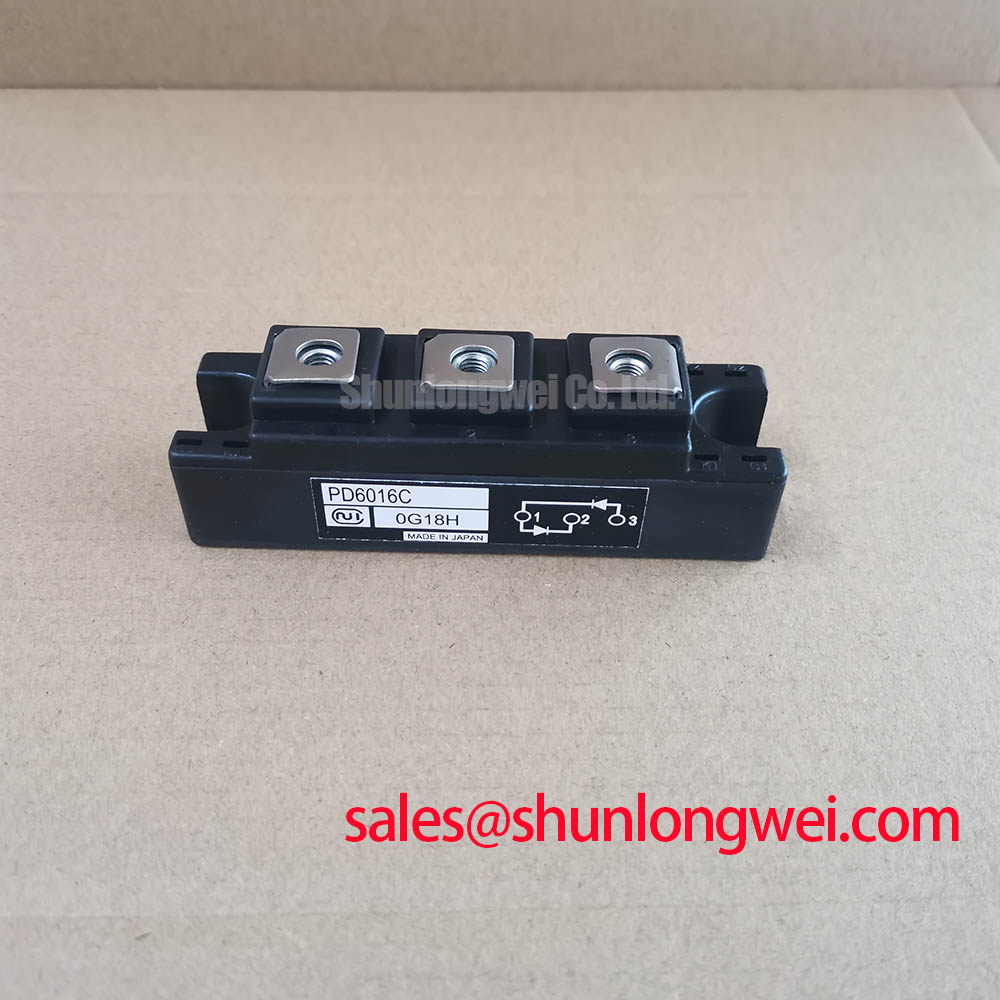
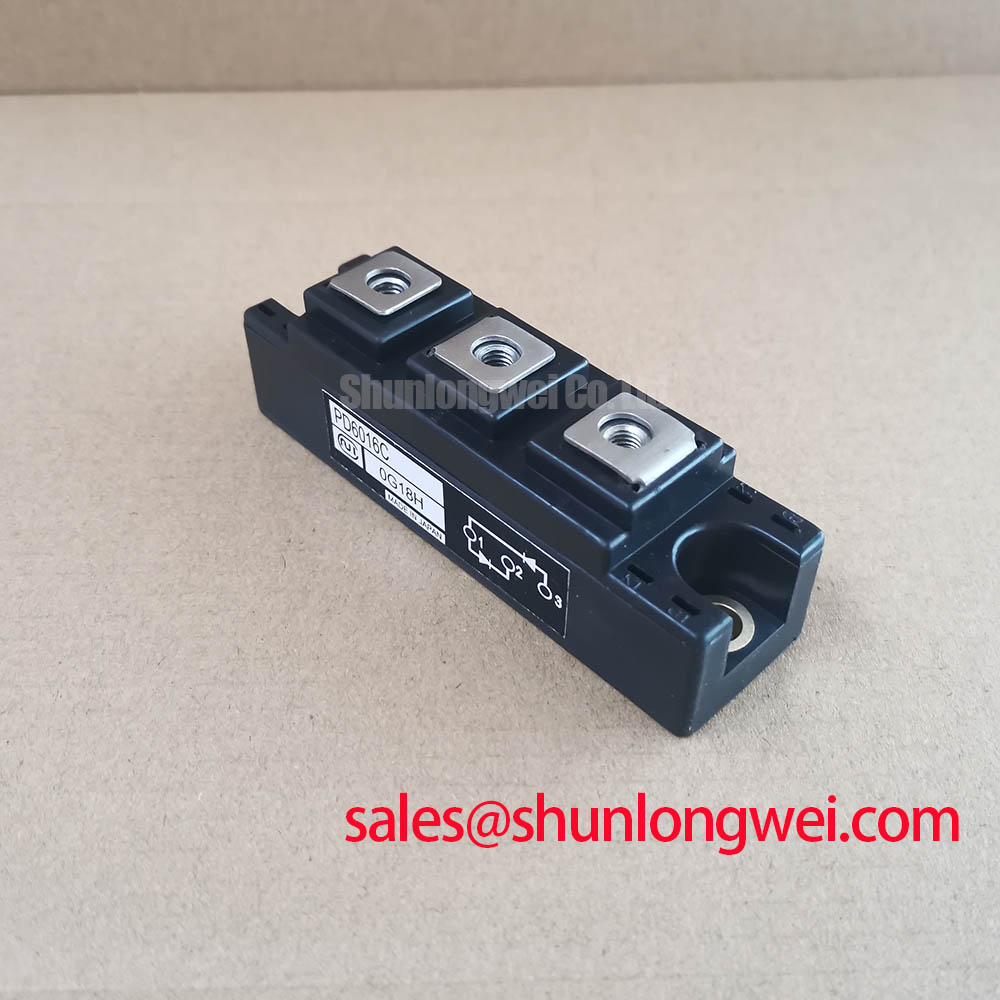
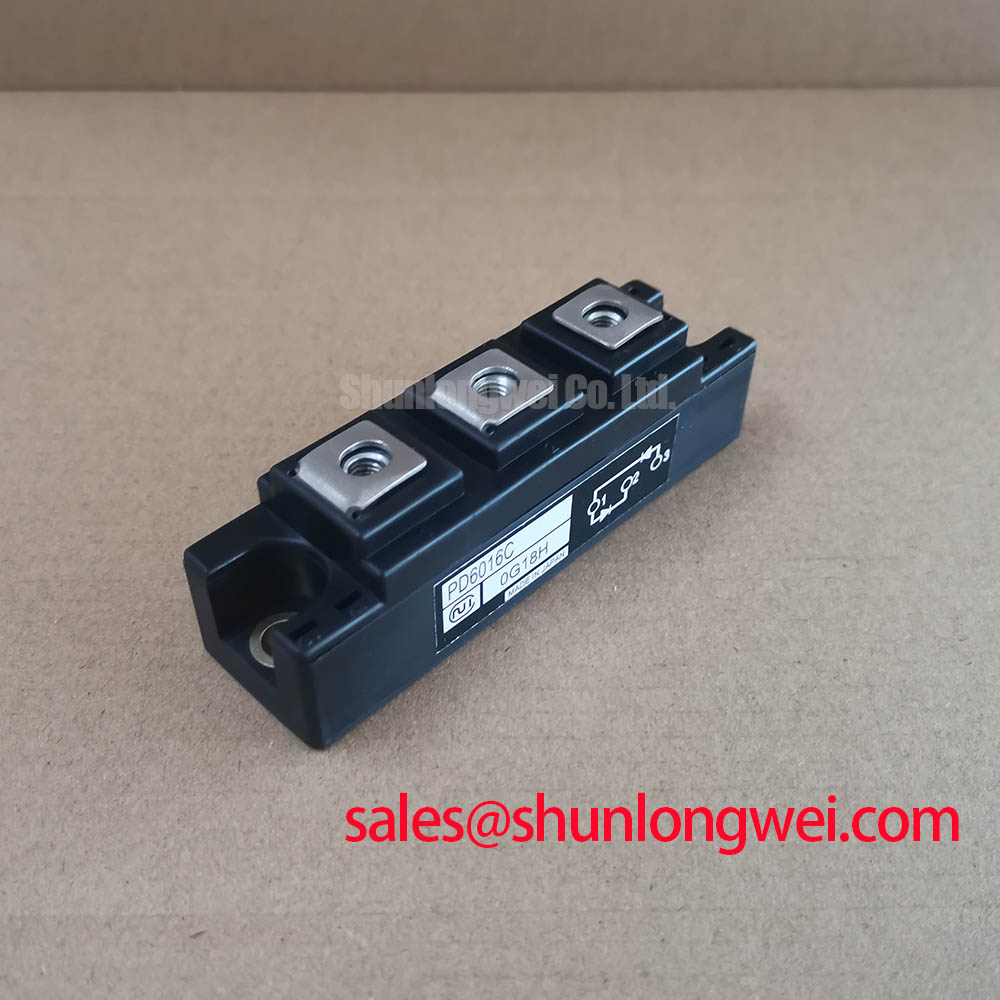
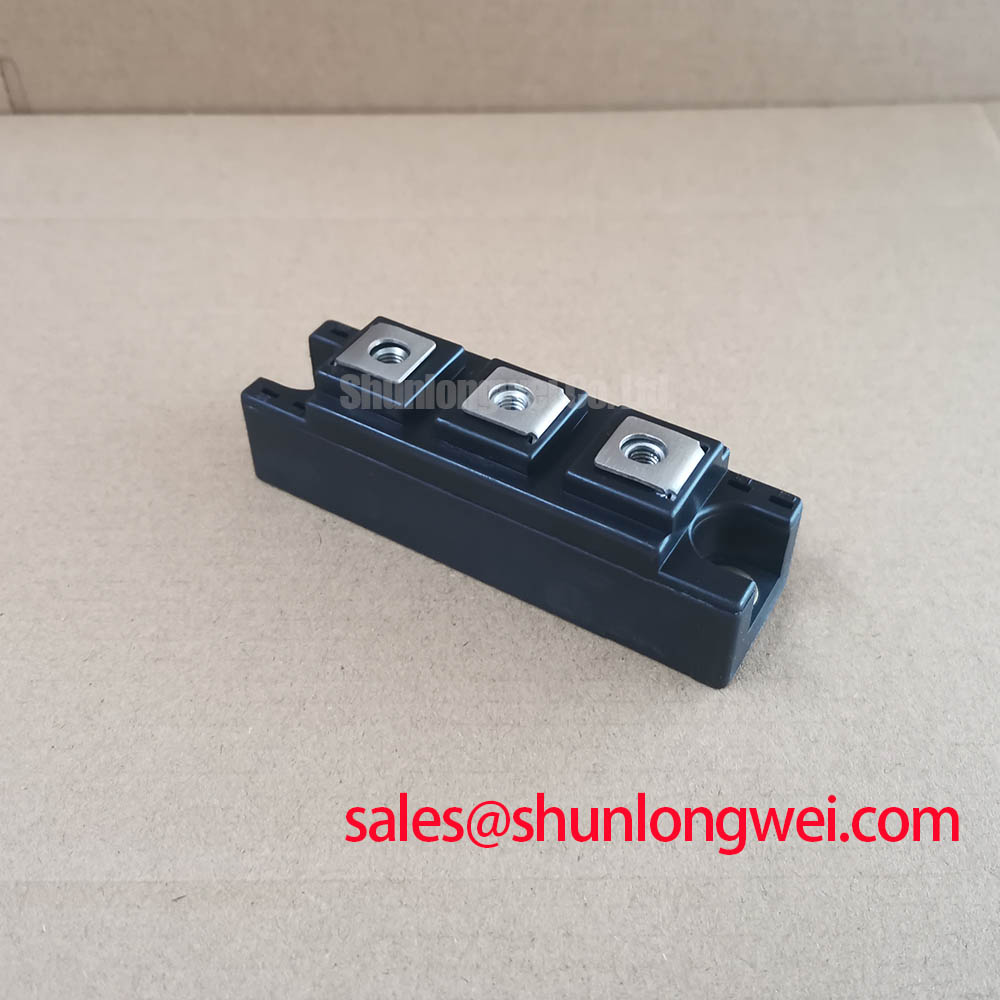
The PD6016C is a robust dual diode module engineered for reliability in demanding high-voltage power applications. It delivers a formidable combination of 1600V repetitive peak reverse voltage and a 60A average forward current, encapsulated in an industry-standard, isolated base package. Key benefits include excellent thermal transfer and high surge current capability. This module directly addresses the need for durable and efficient rectification in power systems operating on high-voltage lines. For industrial drives and power supplies requiring a significant safety margin on 690V AC lines, the PD6016C's 1600V rating provides a dependable and proven rectifier solution.
Application Scenarios & Value
System-Level Benefits in Industrial Rectifier and Freewheeling Circuits
The PD6016C is fundamentally designed to serve as a cornerstone component in the front-end rectifier stages of industrial power conversion systems. Its primary role is converting AC input to a DC bus voltage, making it indispensable for applications like Variable Frequency Drives (VFDs), industrial power supplies, and battery charging systems. What is the key benefit of its 1600V rating? It provides a robust safety margin for systems connected to 575V or 690V industrial AC lines, protecting against transient overvoltages that are common in factory environments. In a VFD, for example, the high IFSM (forward surge current) rating of the PD6016C ensures the rectifier stage can withstand the initial inrush current during power-up without degradation, enhancing the overall drive's longevity. Its dual-diode configuration also offers design flexibility, allowing for use as a single-phase full-wave rectifier or as freewheeling diodes in chopper or inverter circuits. For systems requiring a higher current capability, the related SKKD100/16 offers a 100A rating within a similar voltage class.
Key Parameter Overview
Interpreting Key Specifications for Robust Thermal Design
The technical specifications of the PD6016C are foundational to its performance and reliability in real-world applications. Understanding these parameters allows engineers to optimize thermal management and ensure long-term operational stability. The isolated baseplate, for instance, simplifies assembly onto a heatsink and provides high electrical isolation, a critical safety and system integration feature.
| Parameter | Interpretation & Engineering Value |
|---|---|
| VRRM (Repetitive Peak Reverse Voltage): 1600V | This is the maximum reverse voltage the diode can withstand repeatedly. The 1600V rating makes it exceptionally well-suited for rectifying 690V AC lines, providing a substantial safety margin against voltage spikes and transients, which is crucial for preventing component failure in electrically noisy industrial settings. |
| IF(AV) (Average Forward Current): 60A | This defines the module's continuous current handling capability. A 60A rating is robust for a wide range of medium-power motor drives and power supplies. Operating the module well within this limit is key to managing junction temperature and achieving a long operational life. |
| IFSM (Peak Forward Surge Current): 1300A | This parameter indicates the diode's ability to survive a massive, non-repetitive current surge, like those seen during capacitor charging at startup or under fault conditions. The 1300A capability acts as a built-in resilience, preventing catastrophic failure and improving the ruggedness of the end equipment. It's akin to a safety net that catches unexpected current spikes. |
| VFM (Maximum Forward Voltage Drop): 1.5V | Forward voltage drop is a direct source of conduction loss (Power Loss = VFM x IF(AV)). A lower VFM means less heat is generated during operation. At 1.5V, the PD6016C offers a predictable thermal load, which simplifies heatsink selection and helps in designing a more compact and cost-effective thermal solution. |
| Tjmax (Maximum Junction Temperature): 150°C | This is the absolute maximum internal operating temperature the silicon can handle. All thermal designs must ensure the junction temperature stays below this limit under worst-case operating conditions to guarantee reliability and prevent thermal runaway. |
Download the PD6016C datasheet for detailed specifications and performance curves.
Technical Deep Dive
A Closer Look at the Isolated Baseplate Design for Long-Term Reliability
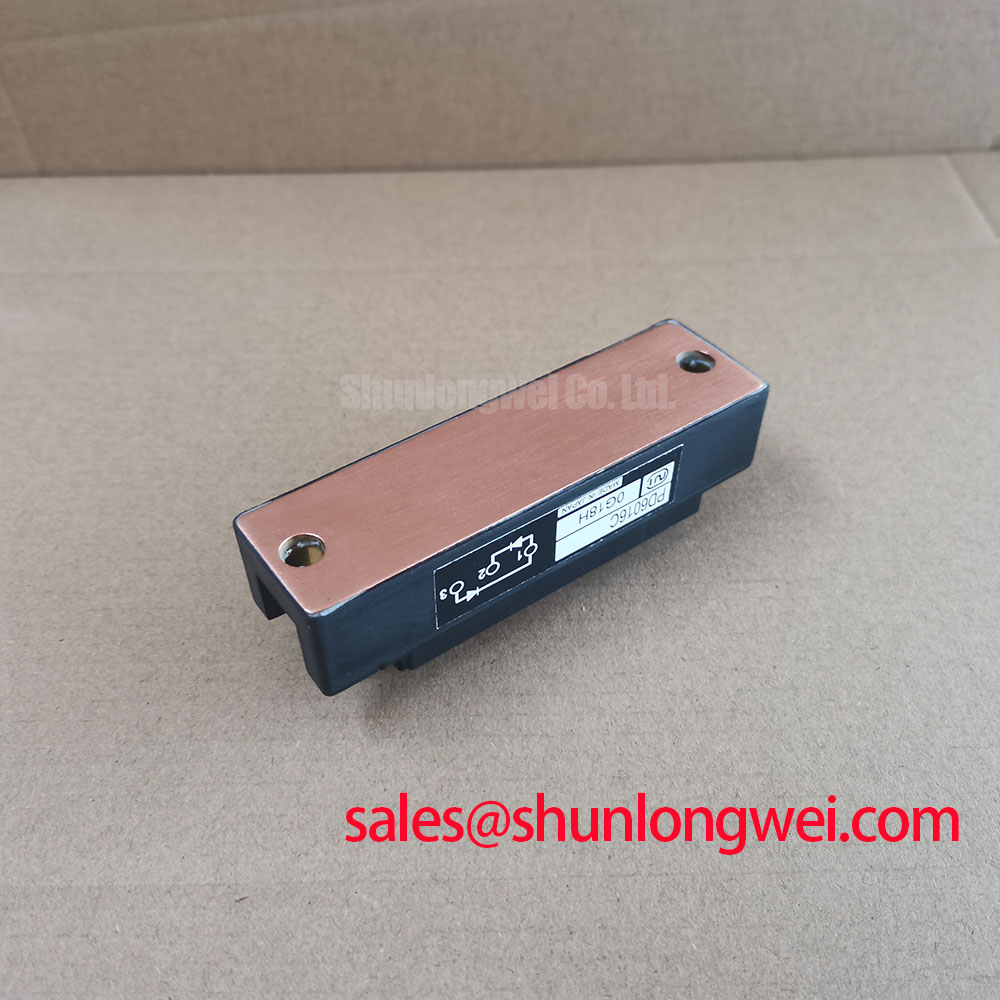
A critical, yet often overlooked, feature of the PD6016C is its isolated baseplate construction. This design integrates a ceramic insulator (typically Alumina, Al₂O₃) between the active semiconductor elements and the copper baseplate. This seemingly simple feature delivers two profound engineering advantages. First, it provides high dielectric strength, offering several kilovolts of isolation between the electrically live circuit and the grounded heatsink. This eliminates the need for external insulating pads (like mica or silicone), which simplifies the manufacturing assembly process, reduces part count, and critically, lowers the overall thermal resistance. Think of an external pad as an extra, inefficient layer in a winter coat; by integrating the insulation, the heat can escape more directly. Second, this construction ensures superior thermal transfer compared to solutions requiring external isolation, leading to lower operating junction temperatures and significantly enhanced power cycling capability and field reliability.
Frequently Asked Questions (FAQ)
What is the primary benefit of the module's dual diode, common cathode configuration?
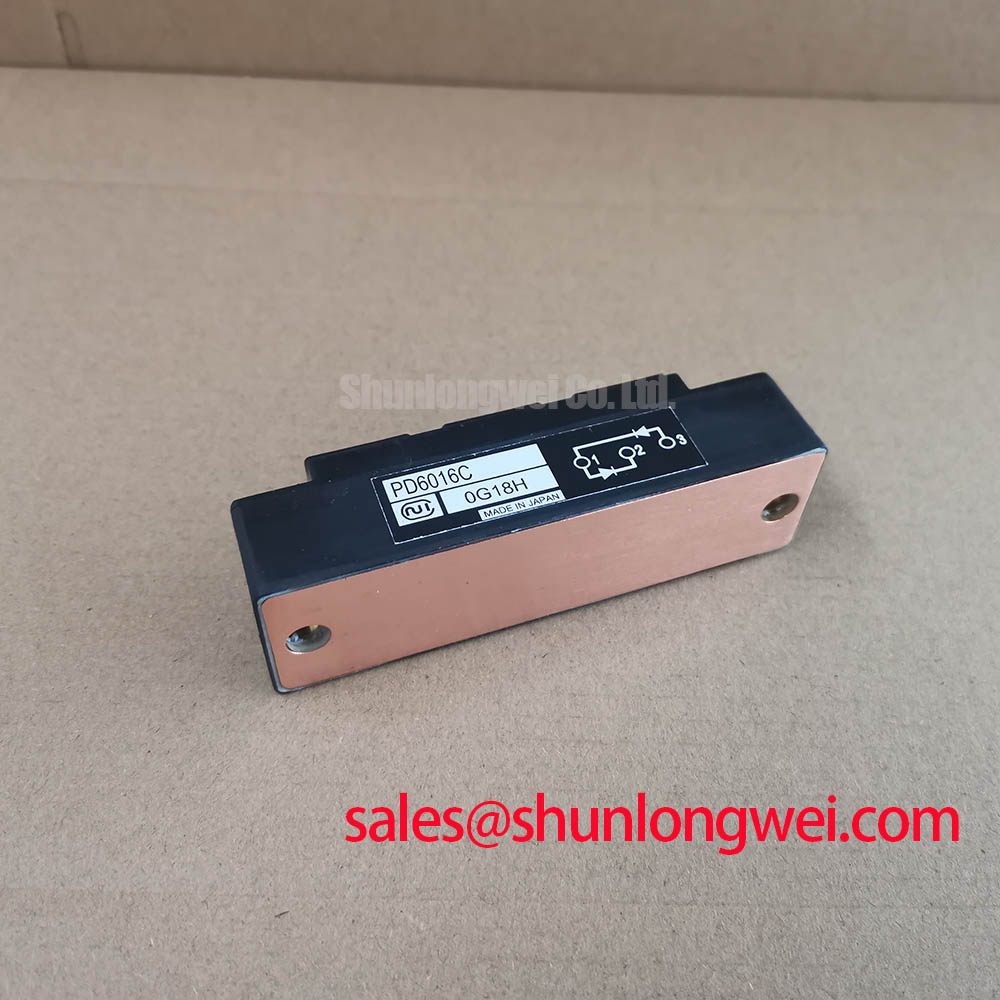
The common cathode configuration allows for straightforward implementation of a center-tap, full-wave rectifier with a simple transformer, or it can be used as two independent diodes sharing a common negative terminal. This inherent flexibility simplifies the design of various power circuit topologies.
How does the VRRM of 1600V impact the module's suitability for different mains voltages?
A 1600V VRRM is a key factor for high reliability in systems running on 480V, 575V, or even 690V three-phase AC lines. A common engineering rule of thumb is to select a rectifier with a voltage rating at least twice the peak line voltage, and the PD6016C comfortably exceeds this requirement, providing a robust defense against line transients.
What are the key considerations when selecting a heatsink for the PD6016C?
Heatsink selection depends on the expected average forward current, ambient temperature, and the module's thermal resistance (Rth(j-c)). You must calculate the total power dissipation (primarily from the forward voltage drop) and ensure the chosen heatsink can dissipate that heat effectively to keep the junction temperature below the 150°C maximum rating.
Can the PD6016C be used as a freewheeling diode in an inverter application?
Yes, its voltage and current ratings make it suitable for use as a freewheeling diode in medium-power DC-chopper and inverter circuits. Its robust surge current capability is also beneficial in this role to handle currents from inductive loads.
Engineering Perspective
From a design engineer's viewpoint, the PD6016C represents a workhorse component. It does not rely on cutting-edge technology but on a proven, robust design that prioritizes reliability and cost-effectiveness. The key design trade-off is its standard forward voltage drop; while not as low as the most advanced diodes, it is a known, stable parameter that simplifies thermal modeling. Its standard footprint and isolated base make it an easy drop-in for new designs or for maintenance and repair of existing industrial equipment, ensuring a straightforward and predictable integration process. For designs that demand higher efficiency, exploring modules from the Fuji Electric X-Series might be a logical next step.