



Content last revised on September 10, 2026
Westcode R1127NC32P: High-Reliability 3200V Phase Control Thyristor for Industrial Power Systems
Product Overview: Uncompromising Durability for High-Power Control
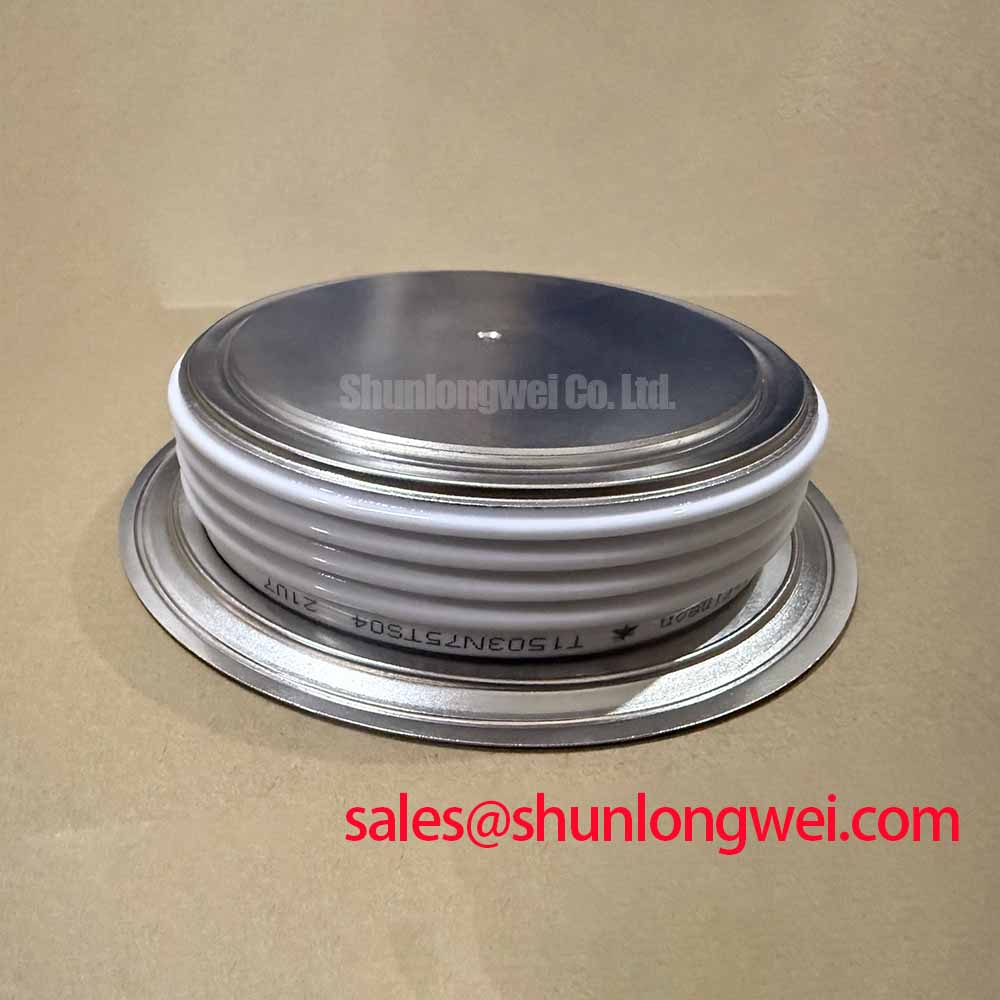
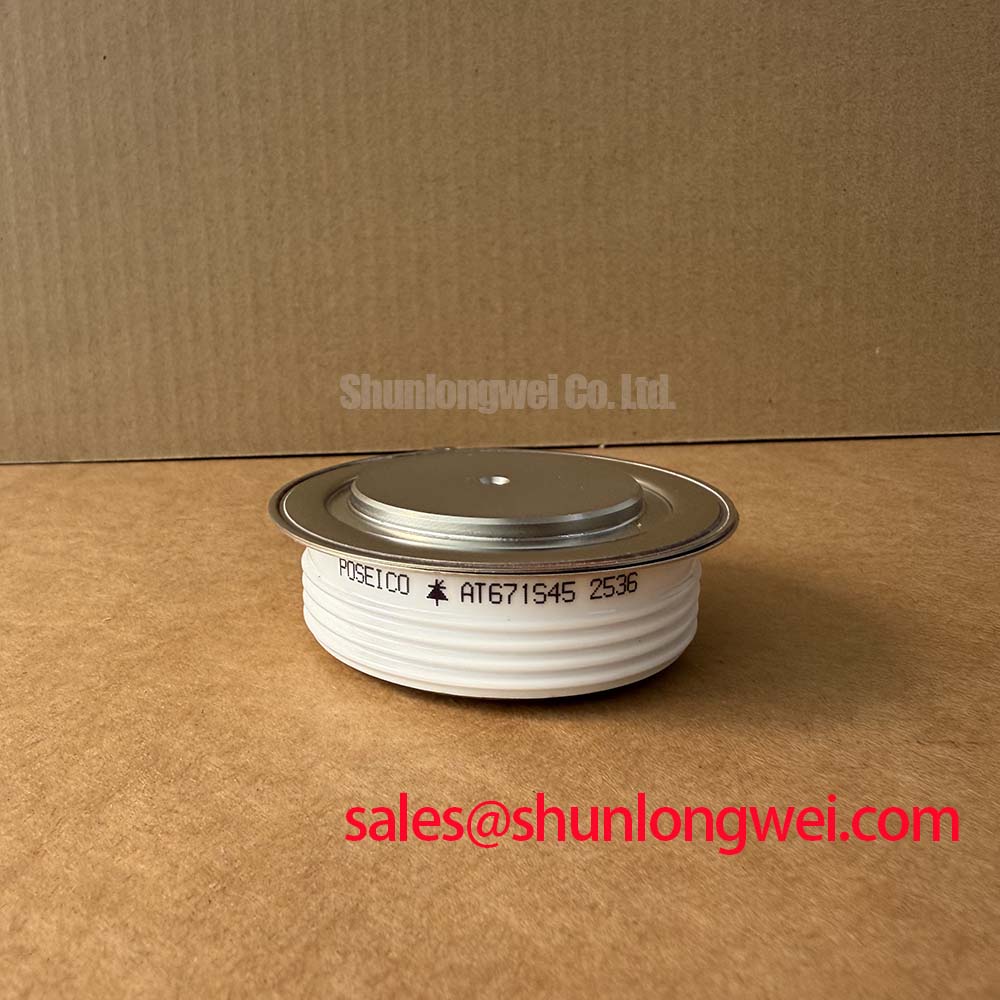
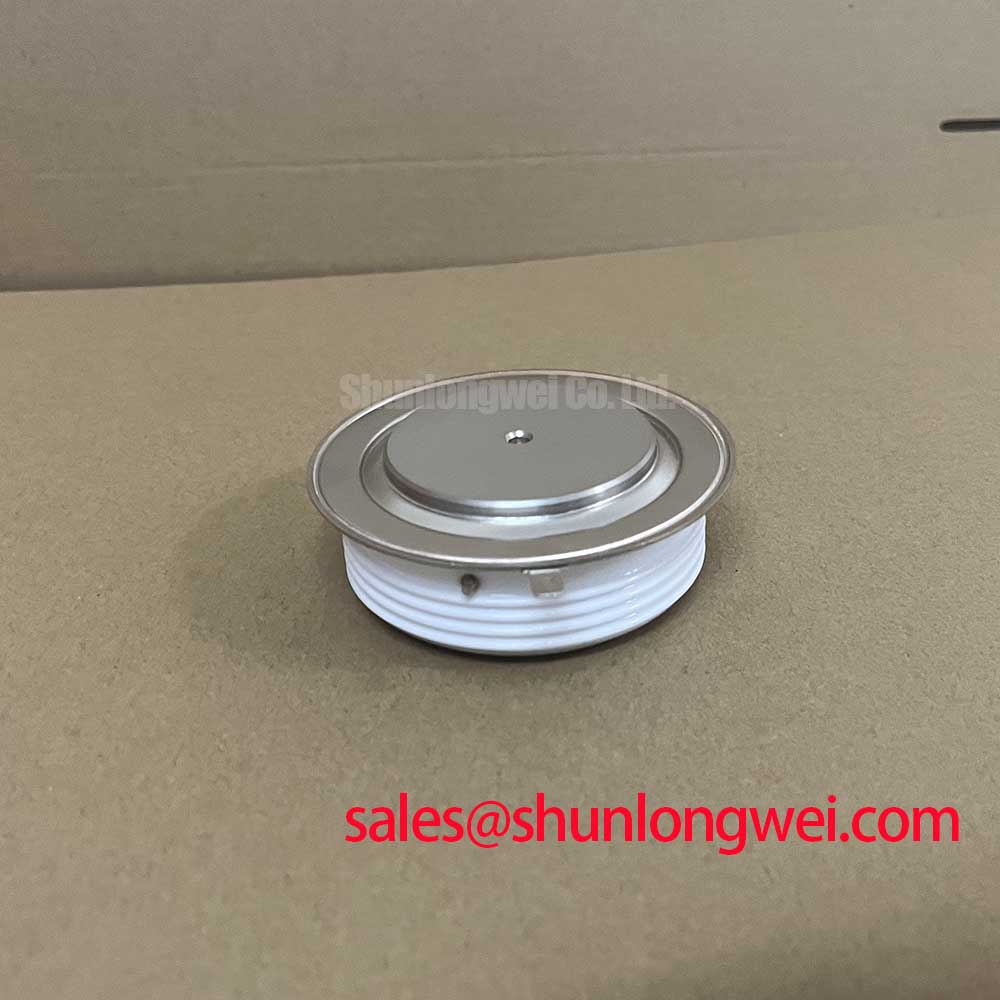
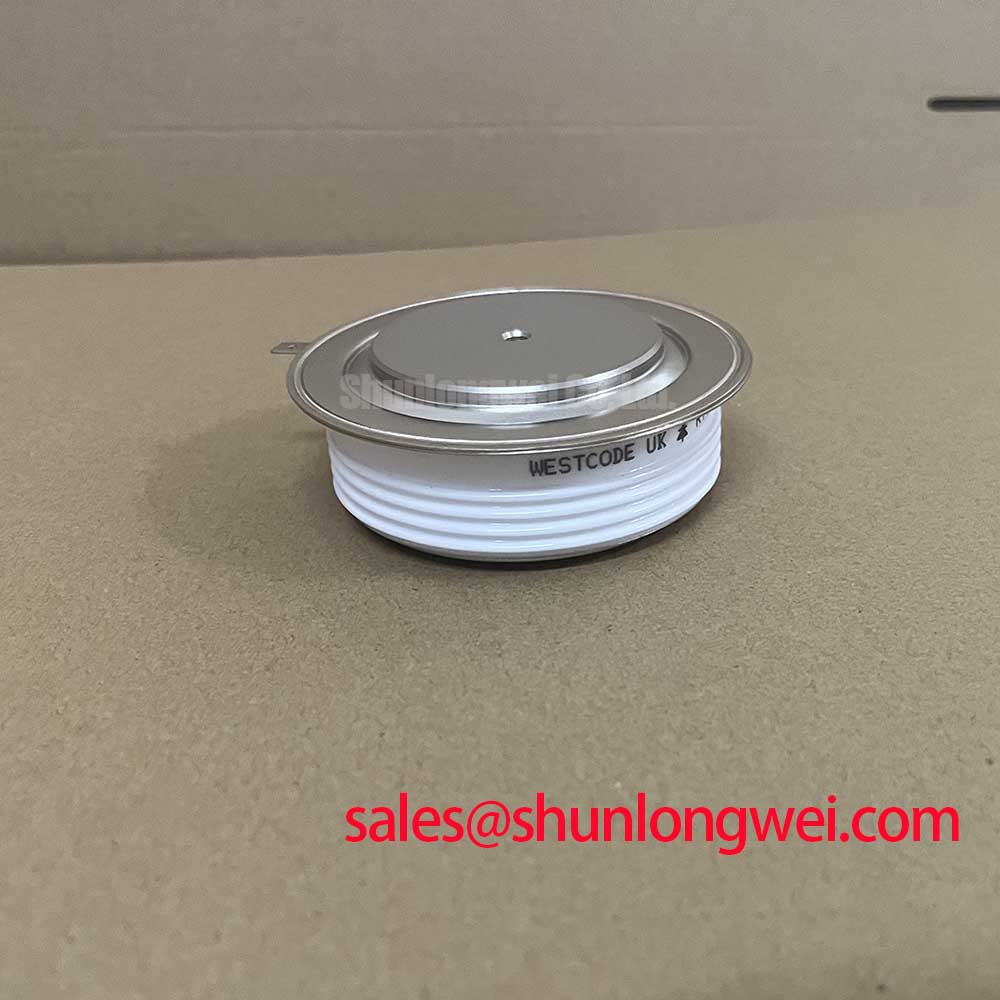
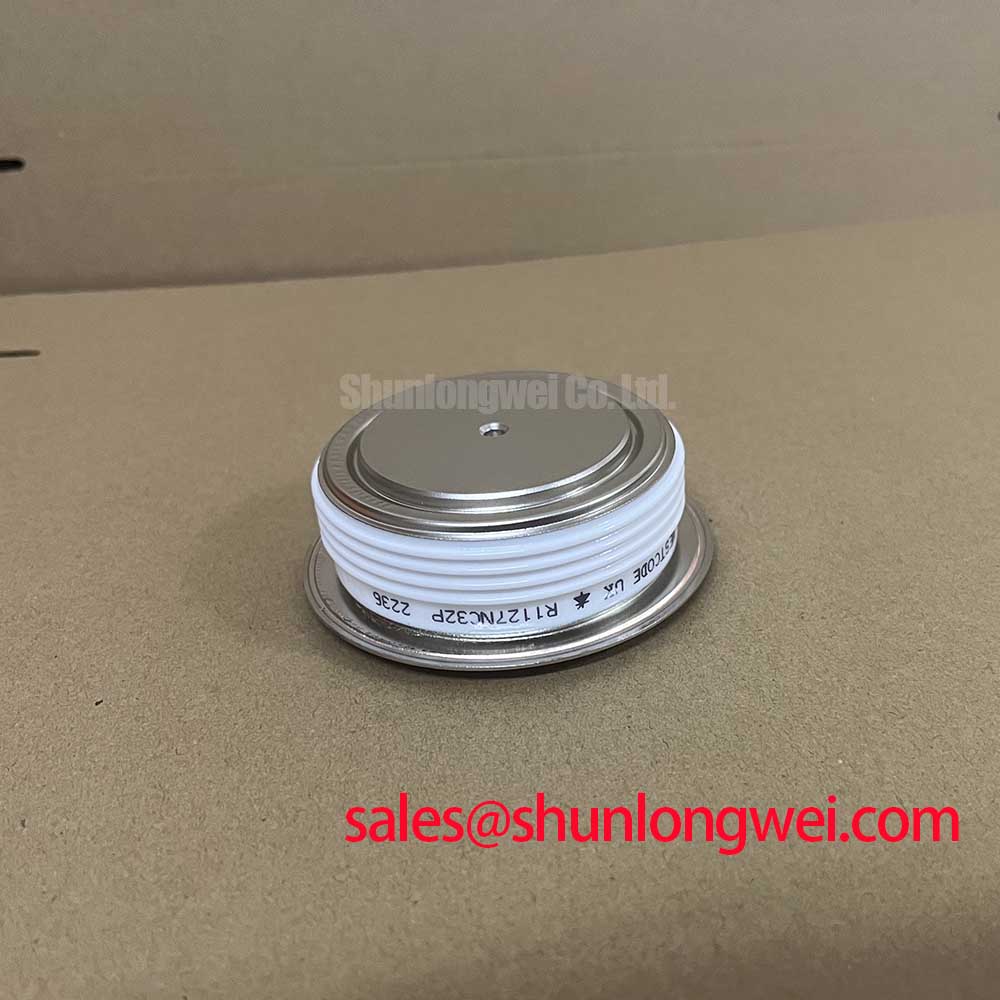
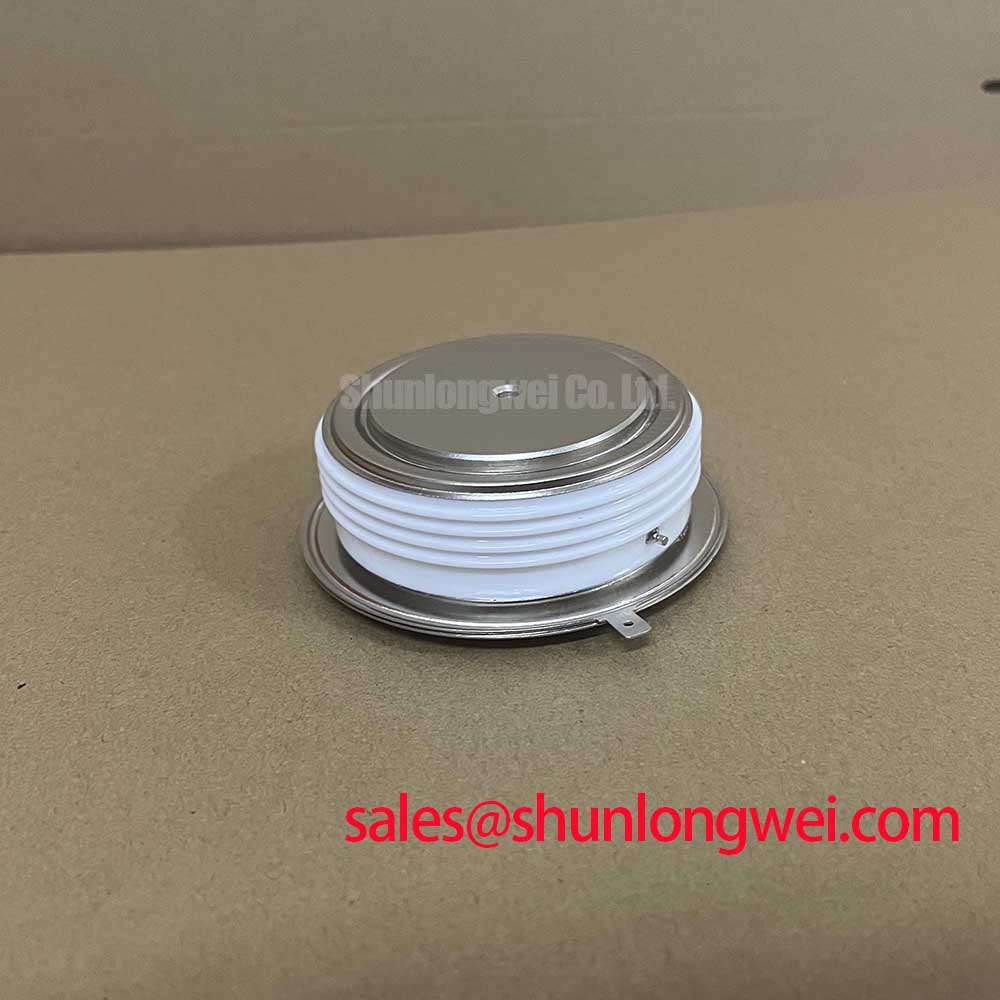
The Westcode R1127NC32P is a high-reliability 3200V phase control thyristor delivering exceptional thermal performance and durability through its robust press-pack capsule design. It offers key specifications of 3200V | 1127A (Average Current) | Rth(j-c) 0.022 °C/W, providing engineers with enhanced operational lifetime and superior fault current survivability. Its press-pack construction provides superior reliability over standard modules by eliminating wire bonds, a primary failure point under thermal and mechanical stress. For medium-voltage soft starters requiring maximum fault tolerance, this thyristor's 21.5kA surge rating is the definitive choice.
Key Parameter Overview
Decoding Electrical and Thermal Specs for High-Reliability Designs
The electrical and thermal characteristics of the R1127NC32P are engineered to ensure stable operation and longevity in demanding power conversion systems. The following table highlights key parameters that are critical for system design, thermal management, and fault protection.
| Parameter | Symbol | Value | Engineering Interpretation |
| Repetitive Peak Off-State Voltage | VDRM, VRRM | 3200V | Provides a substantial safety margin for operation in medium voltage systems, ensuring resilience against line voltage transients. |
| Average On-State Current | IT(AV) | 1127A | Enables high continuous power throughput for heavy industrial loads. |
| Surge Non-Repetitive On-State Current | ITSM | 21500A (t=10ms, 50Hz) | This high surge capability acts as a built-in electrical shock absorber, allowing the device to withstand severe fault currents without failure. |
| I²t Value for Fusing | I²t | 2.31 x 10^6 A²s | Critical for ensuring proper coordination with system fuses, allowing them to clear faults before the thyristor is damaged. |
| Thermal Resistance, Junction to Case | Rth(j-c) | 0.022 °C/W | An exceptionally low value indicating highly efficient heat transfer, which lowers operating temperatures and significantly boosts device lifetime. |
| Required Mounting Force | - | 18 to 24 kN | Essential for achieving the specified low thermal resistance and ensuring mechanical integrity under operational stress. |
Download the R1127NC32P datasheet for detailed specifications and performance curves.
Application Scenarios & Value
System-Level Advantages in Medium-Voltage Power Conversion and Control
The R1127NC32P is engineered for high-stress environments where reliability is not negotiable. Its primary applications leverage its ability to control massive amounts of power with high durability.
- Medium Voltage Soft Starters: In applications like starting large industrial motors for pumps, fans, and conveyors, a primary challenge is managing immense inrush currents. The R1127NC32P's high I²t rating of 2.31 x 10^6 A²s is instrumental in handling these transients, enabling a smooth, controlled voltage ramp. This prevents mechanical shock to the drivetrain, reduces electrical stress on the grid, and avoids nuisance tripping of upstream breakers.
- High-Power Controlled Rectifiers: For industrial processes such as metal smelting, electrochemical processing, and DC furnace controls, this thyristor serves as the core of a robust AC-to-DC Controlled Rectifier. Its low on-state voltage (VTM) minimizes conduction losses, improving the overall energy efficiency of the conversion process, a critical factor in energy-intensive operations.
- Grid Infrastructure and Renewables: The device's high voltage rating and proven reliability make it suitable for grid-tied applications, including Static Var Compensators (SVCs), and as a bypass or crowbar protection circuit in wind turbine converters and HVDC systems, where fault tolerance is essential for grid stability.
Frequently Asked Questions
Engineering Questions on Implementation and Performance
1. What is the primary benefit of the R1127NC32P's press-pack (capsule) design compared to a standard isolated module?
The main advantage is enhanced reliability. The press-pack design eliminates internal wire bonds and solder layers, which are common points of failure due to fatigue from thermal cycling. This results in a longer operational lifetime and a more robust device under mechanical and thermal stress.
2. How does the low thermal resistance of 0.022 °C/W impact system design?
A low Rth(j-c) signifies superior heat dissipation from the semiconductor junction to the device case. This allows engineers to either push more power through the device while maintaining a safe junction temperature or to design a more compact and cost-effective cooling system (heatsink), ultimately increasing the system's overall power density.
3. The datasheet specifies a mounting force of 18-24 kN. Why is this critical for performance?
The specified mounting force is essential to establish and maintain intimate thermal and electrical contact between the thyristor's capsule and the heatsink. Incorrect force can lead to increased thermal resistance, causing the device to overheat and fail prematurely. It is a critical parameter for unlocking the device's full performance potential, as detailed in our guide on mastering thermal management.
4. With a surge rating (ITSM) of 21.5 kA, what kind of protection schemes is this device suitable for?
This extremely high surge rating makes the R1127NC32P highly resilient to fault conditions. It allows for straightforward coordination with high-speed semiconductor fuses. The thyristor can survive the fault long enough for the fuse to open, thereby protecting the rest of the system and often preventing catastrophic failure of the converter.
5. Is the R1127NC32P suitable for high-frequency applications?
No. This is a phase control thyristor designed for low-frequency applications, typically at line frequencies of 50/60 Hz or up to a few hundred hertz. Its turn-off characteristics are not optimized for the fast switching required in high-frequency converters like those using IGBTs or MOSFETs.
Technical Deep Dive
The Engineering Superiority of Press-Pack Design in Demanding Environments
The selection of a power semiconductor extends beyond its voltage and current ratings; the physical construction is paramount to its performance in the field. The R1127NC32P utilizes a press-pack (also known as a capsule or "hockey-puk") design, a deliberate choice for applications where operational life and predictable behavior under fault conditions are primary design drivers. Unlike conventional modules that rely on soldered connections and wire bonds internally, the press-pack design is a solder-free system held under pressure by an external clamp.
This construction confers two decisive advantages. Firstly, it provides superior thermal management. Heat is extracted from both sides of the silicon wafer simultaneously, effectively doubling the cooling surface area and enabling the exceptionally low thermal resistance. Secondly, it drastically improves reliability. The absence of wire bonds eliminates a key failure mechanism associated with mechanical fatigue from repeated temperature swings. This is a critical consideration in systems like motor drives or smelters that experience frequent load variations. What is the key to achieving this reliability? Proper mechanical mounting. The press-pack's clamping mechanism is analogous to a high-performance engine's head bolts. Just as proper torque ensures a perfect seal for combustion and cooling, the correct mounting force on the thyristor guarantees optimal thermal and electrical contact, preventing hotspots and ensuring the device can deliver its full rated power reliably. For further reading on device reliability, see this analysis on preventing common failure modes.
From an Engineer's Perspective
For designers of high-power control systems, the R1127NC32P represents a component choice rooted in long-term stability and system survivability. Its architecture prioritizes robustness over the high-speed switching found in other technologies. The value is not just in its impressive ratings, but in the confidence that it will perform reliably for years in harsh industrial settings, and that in a fault scenario, its predictable failure mode helps protect the multi-million dollar system it is part of. This makes it a strategic component for building power electronics that are truly built to last. For further information on high-power semiconductors, the resources from manufacturers like Semikron Danfoss provide extensive application insights.