
Content last revised on September 10, 2026
SKIIP24NAB125T12 Semikron MiniSKiiP 1200V PIM: Engineering Thermal Reliability in Industrial Drives
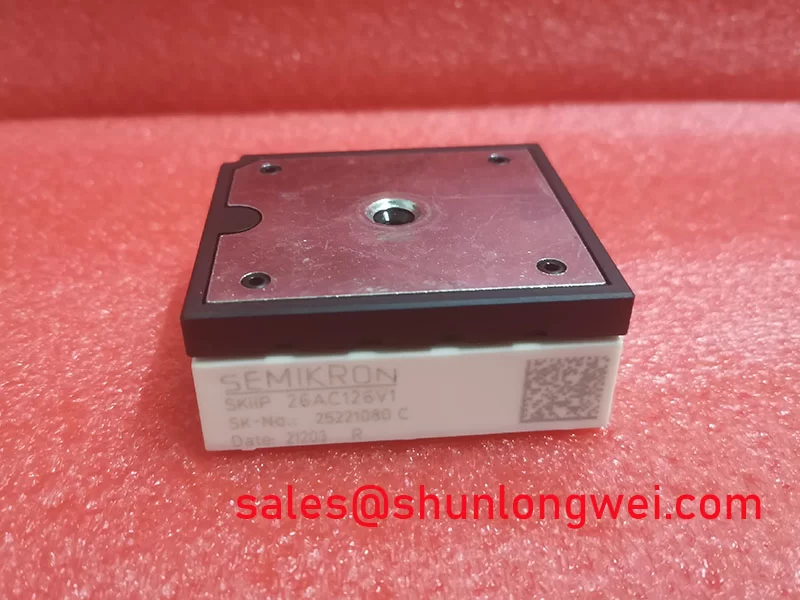
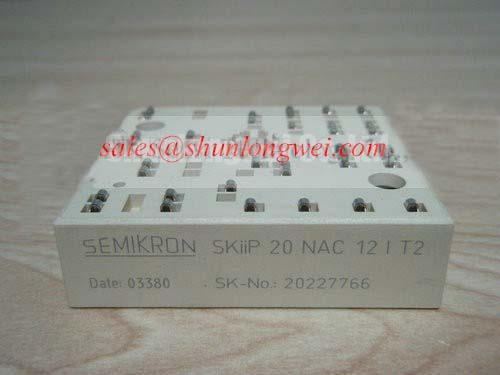
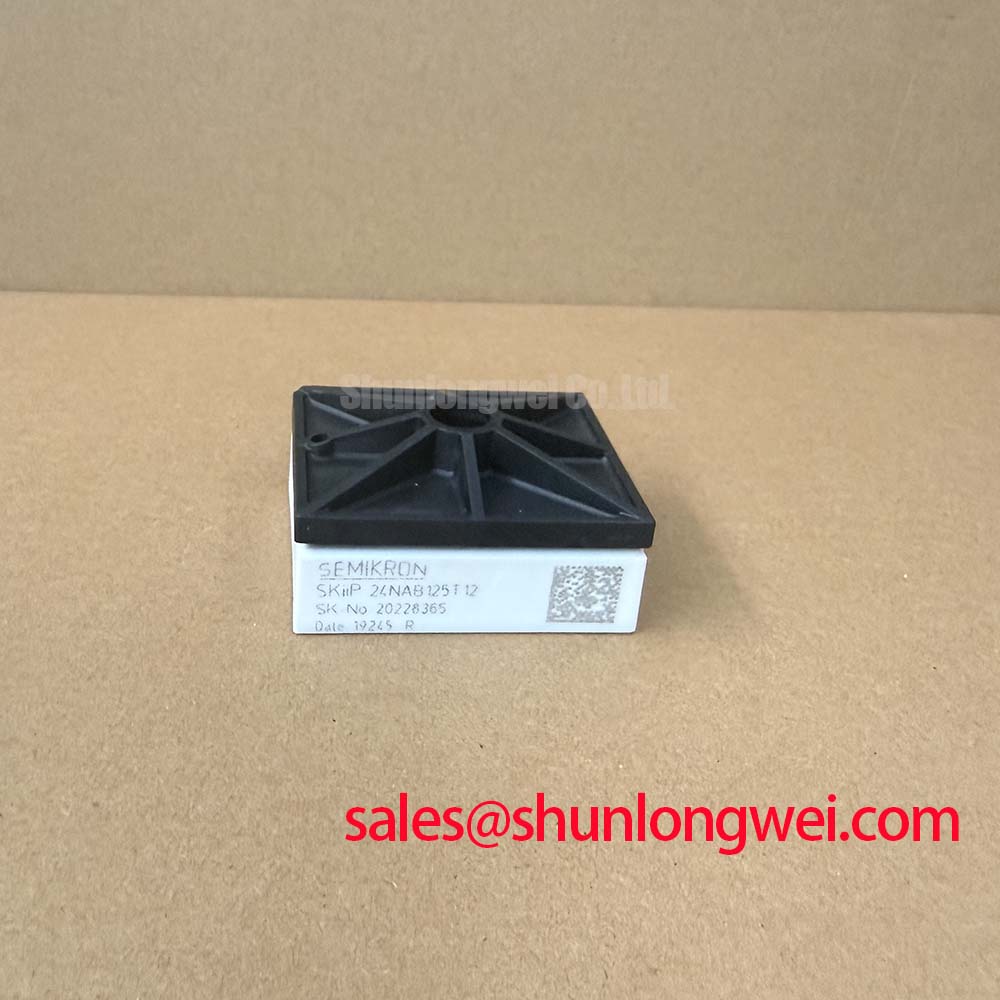
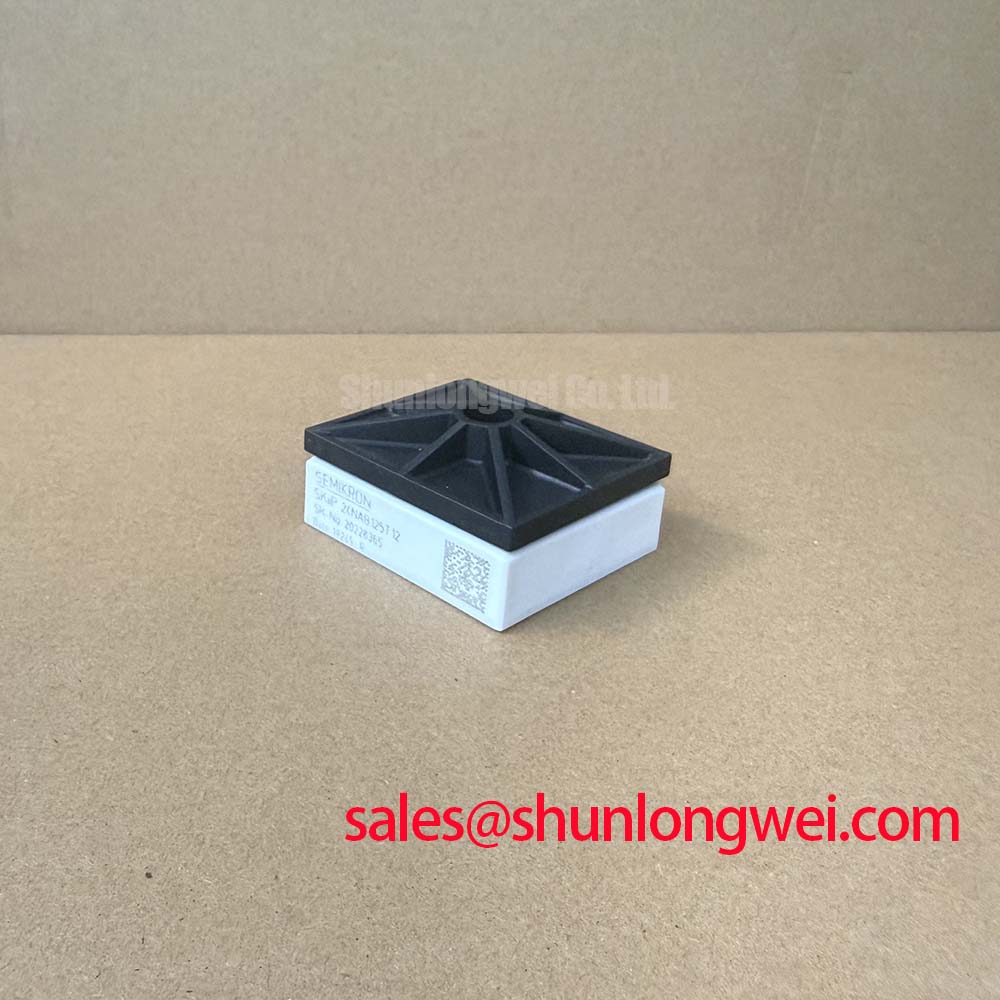
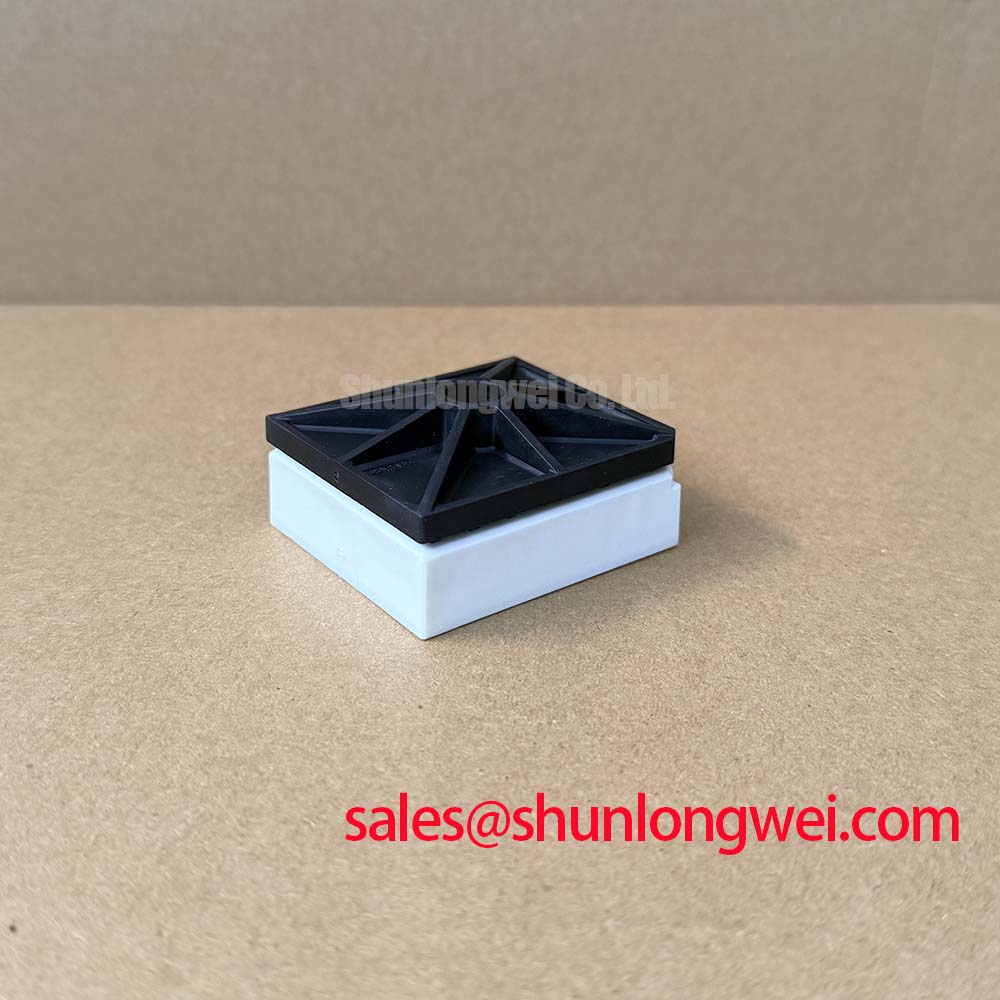
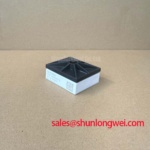
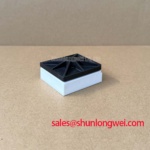
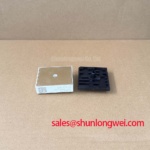
The SKIIP24NAB125T12 represents a sophisticated evolution in Power Integrated Modules (PIM), specifically engineered to streamline the design of compact three-phase motor drives. By integrating a three-phase bridge rectifier, a three-phase inverter, and a dedicated brake chopper into a single MiniSKiiP 2 housing, this module provides an optimized 1200V solution for high-density power conversion. Its core value proposition lies in the solder-free spring contact technology, which significantly enhances long-term reliability by eliminating the primary failure mode of traditional modules: solder joint fatigue.
1200V | 50A (Ts=25°C) | Trench IGBT Technology
- Solder-Free Assembly: Uses pressure-contact spring terminals to ensure stable electrical connections under vibration and thermal cycling.
- Integrated CIB Topology: Combines Converter, Inverter, and Brake Chopper for minimized system footprint and simplified PCB layout.
What is the primary benefit of the SKIIP24NAB125T12 spring contact system? It eliminates solder joint fatigue, ensuring superior reliability during high-frequency thermal cycling. For 400V AC motor drives prioritizing high power density and rapid assembly, the 1200V SKIIP24NAB125T12 is the optimal technical choice.
Key Parameter Overview
Decoding the Specs for Enhanced Thermal Reliability
The performance of the SKIIP24NAB125T12 is defined by its ability to maintain low conduction losses while managing significant thermal flux within a compact package. The Trench IGBT chips utilized in this module offer a tightly controlled VCE(sat), which directly correlates to reduced heat generation during the "on" state. Engineers must evaluate the relationship between the Collector Current (IC) and the Heatsink Temperature (Ts) to ensure the module operates within its safe operating area (SOA) during peak load conditions.
| Parameter | Symbol | Typical Value | Unit |
|---|---|---|---|
| Collector-Emitter Voltage | VCES | 1200 | V |
| Continuous Collector Current (Ts=25°C) | IC | 50 | A |
| Continuous Collector Current (Ts=70°C) | IC | 37 | A |
| IGBT Saturation Voltage (IC=35A, Tj=25°C) | VCE(sat) | 1.85 | V |
| Gate Threshold Voltage | VGE(th) | 5.8 | V |
| Integrated Temperature Sensor | NTC | Yes | - |
Application Scenarios & Value
Achieving System-Level Benefits in High-Frequency Power Conversion
The SKIIP24NAB125T12 is primarily utilized in Variable Frequency Drives (VFD) and Servo Drive systems where space is a premium. In a typical industrial conveyor system, the module’s Brake Chopper allows for controlled deceleration of high-inertia loads by dissipating regenerative energy through an external resistor. This functionality is critical for protecting the DC-link capacitors from overvoltage transients during rapid stopping cycles.
Beyond motor control, the module is increasingly found in high-reliability Uninterruptible Power Supplies (UPS) and Solar Inverters. In these applications, the integrated NTC thermistor provides real-time temperature feedback to the system controller, allowing for active thermal management. If the system detects a rise in Thermal Resistance (Rth) due to fan failure, it can automatically reduce the switching frequency to protect the IGBT Module. For designs requiring slightly lower current handling, the SKiiP 11NAB12t4V1 offers a similar CIB topology in a smaller footprint, while the SKIIP32NAB12T49 is available for systems needing higher throughput.
The transition to solder-free connections is particularly valuable in heavy machinery applications. Traditional solder joints are susceptible to "creep" and micro-cracking over thousands of power cycles. The spring-loaded contacts in this module act like a high-performance suspension system, absorbing mechanical stresses and maintaining a consistent, low-impedance electrical path regardless of vibration levels on the factory floor.
Technical Deep Dive
A Closer Look at the Pressure-Contact Design for Long-Term Reliability
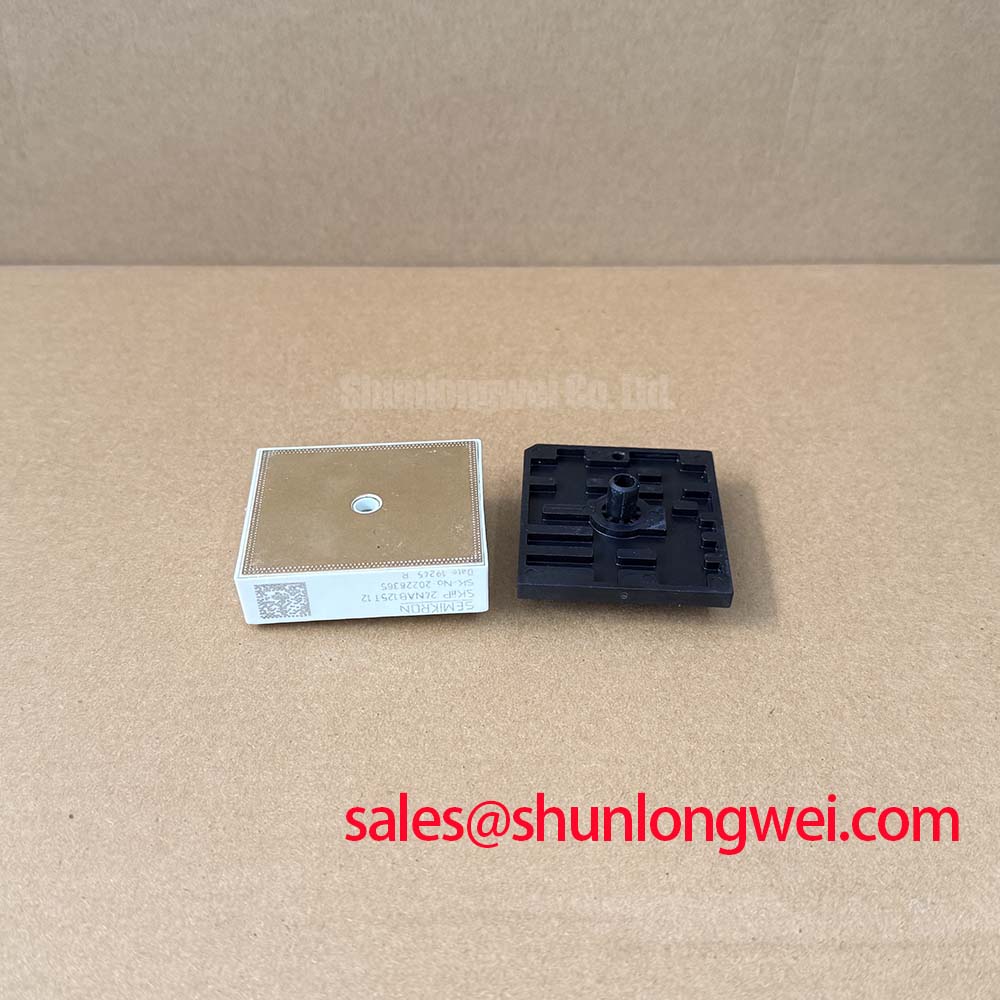
The engineering philosophy behind the SKIIP24NAB125T12 centers on the MiniSKiiP packaging technology. Unlike conventional modules that rely on heavy copper baseplates and multiple layers of solder, the MiniSKiiP utilizes a direct-pressure design. The module is clamped directly to the heatsink, ensuring that the Thermal Resistance from junction to sink is minimized. This layout reduces the number of thermal interfaces, which is the most effective way to lower the junction temperature (Tj) during operation.
A critical technical advantage of the spring contact system is the reduction of parasitic inductance. By eliminating wire bonds between the PCB and the power terminals, the internal loop area is reduced. This leads to cleaner switching waveforms and lower voltage spikes during the Turn-off phase, often allowing for a simpler Snubber Circuit design. For engineers, this translates to improved EMC performance and reduced stress on the Gate Drive circuitry. Understanding these nuances is essential for maximizing the lifespan of the Power Integrated Module in harsh environments.
FAQ
How does the Rth(j-s) of the SKIIP24NAB125T12 affect the selection of an external heatsink?
Because this module lacks a copper baseplate, the thermal impedance is highly dependent on the quality of the heatsink surface and the application of thermal paste. A lower Rth(j-s) allows for a smaller heatsink, but requires precise mounting pressure to ensure the spring contacts maintain optimal force against the PCB.
Can the integrated NTC be used for high-accuracy temperature measurements?
The integrated NTC is designed primarily for over-temperature protection and monitoring trends. While it provides a reliable reading of the internal substrate temperature, designers should account for a slight thermal lag between the IGBT junction and the sensor during rapid load changes.
What are the specific PCB requirements for the spring contact interface?
The PCB must feature gold-plated or silver-plated pads to prevent oxidation at the contact points. Furthermore, the PCB thickness and stiffness must be sufficient to withstand the clamping force required to compress the springs without bowing, which could compromise the thermal contact with the heatsink.
As the industrial sector moves toward smarter, more modular power solutions, the SKIIP24NAB125T12 stands out as a strategic asset for engineers who value reliability over traditional assembly methods. Its integration of 1200V trench technology with a robust mechanical interface ensures it remains a cornerstone in modern drive design.