



Content last revised on September 10, 2026
Reliability in High-Duty Cycle Motor Drives: The Pressure-Contact Advantage
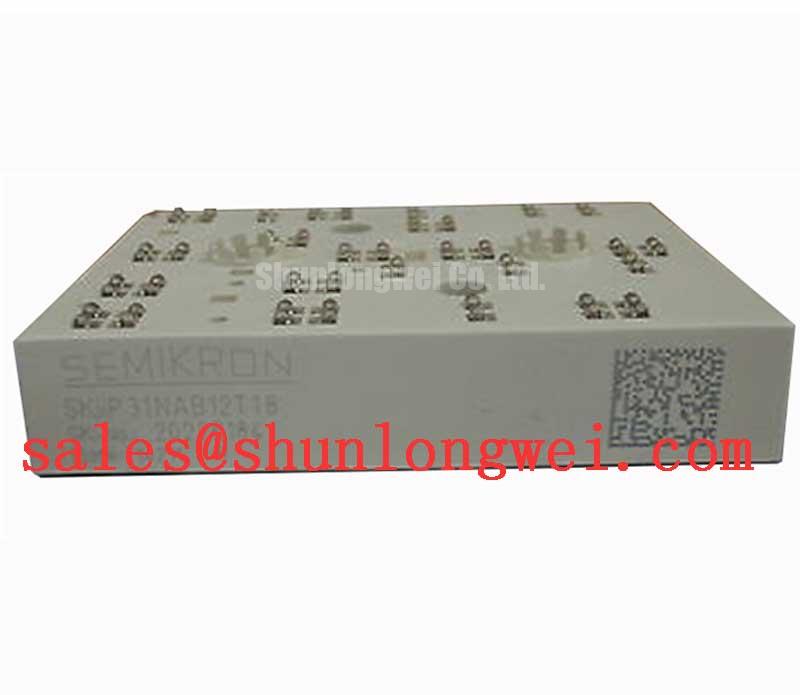
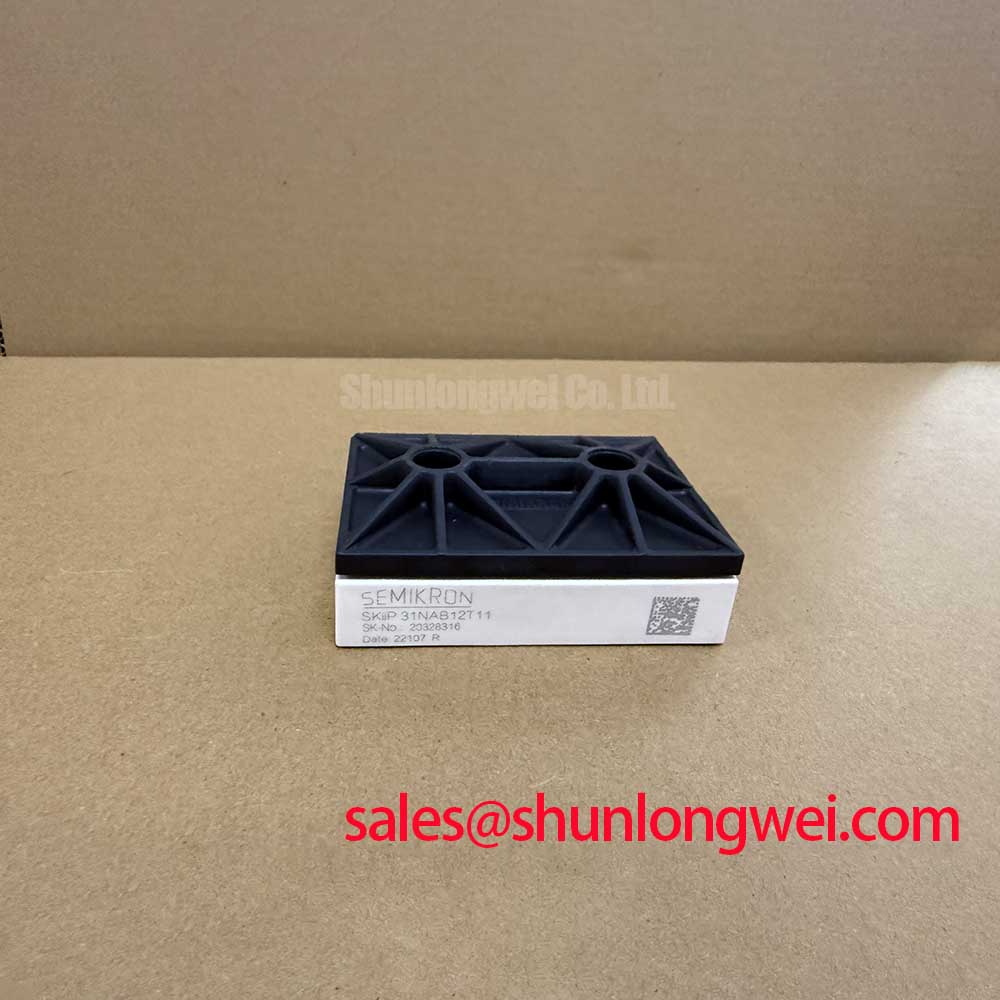
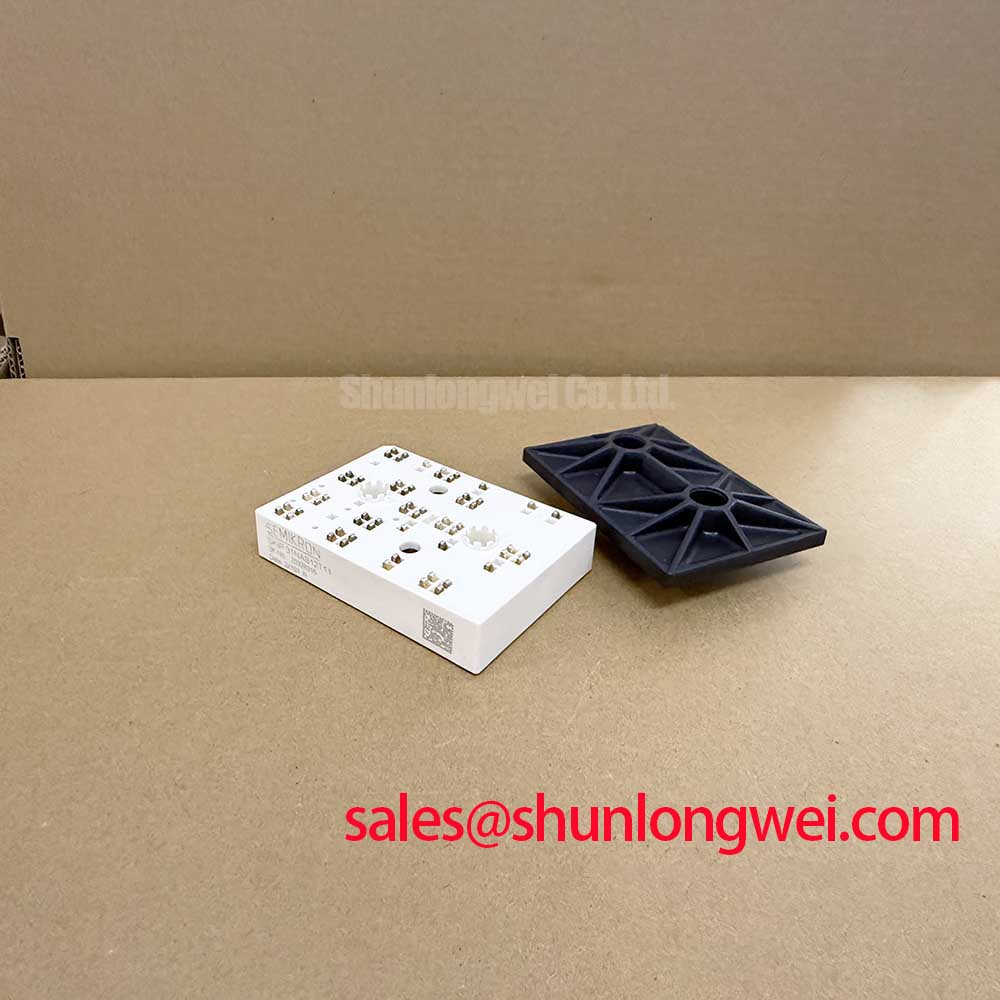
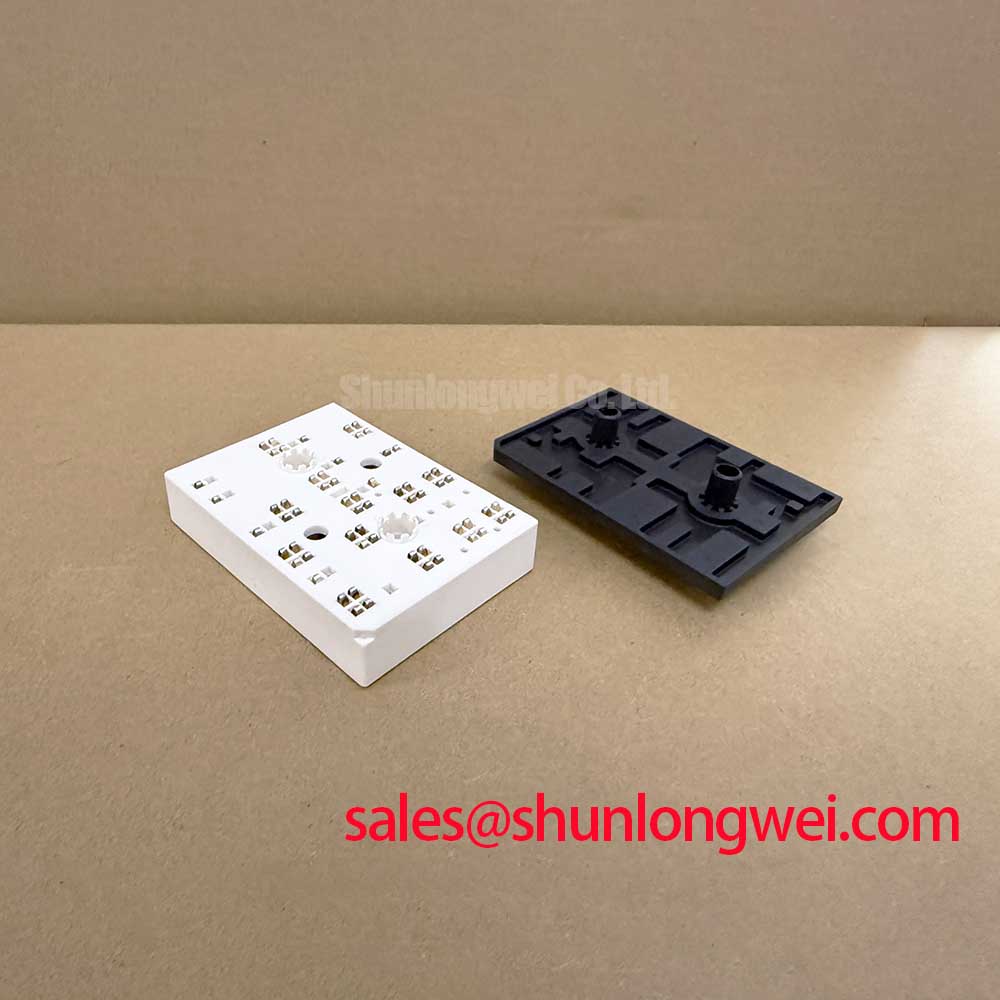
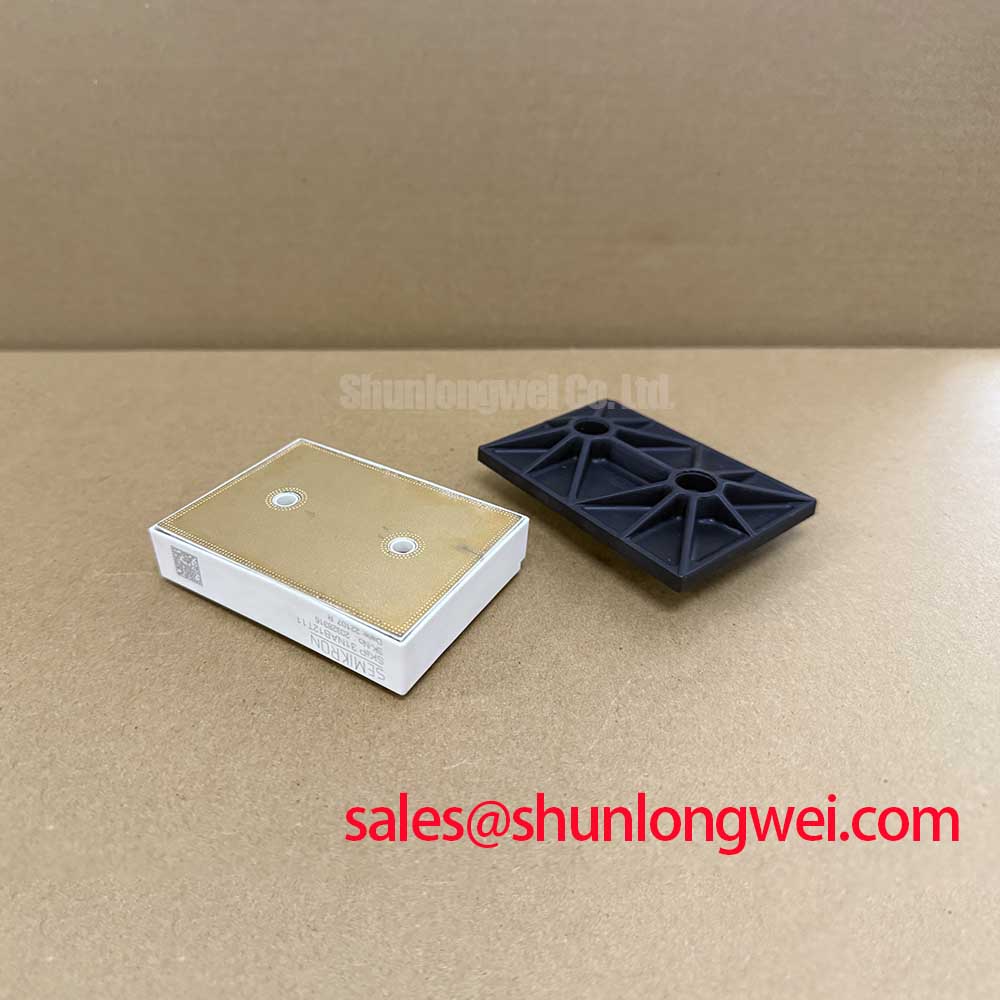
How can engineers mitigate the risk of solder fatigue in high-performance industrial inverters? This technical question lies at the heart of power module selection for systems operating under rigorous thermal cycling. The SKiiP 31NAB12T11, a prominent member of the Semikron MiniSKiiP family, addresses this challenge directly through its unique solder-free pressure-contact technology, providing a robust solution for the Converter-Inverter-Brake (CIB) topology.
The SKiiP 31NAB12T11 is a high-integration IGBT Module featuring a 1200V collector-emitter voltage and a nominal current rating of 35A at 80°C. By eliminating solder layers between the chips and the substrate, this module significantly enhances power cycling capability. For motor drive systems prioritizing long-term thermal margin and simplified assembly, this 1200V module represents an optimal balance of performance and reliability. It effectively resolves the common engineering trade-off between power density and the mechanical stresses typically associated with traditional soldered modules.
Frequently Asked Questions
Addressing Core Engineering Concerns in Power Module Integration
How does the pressure-contact design of the SKiiP 31NAB12T11 improve long-term system reliability?
Unlike traditional modules that rely on solder to bond the power semiconductors to the substrate, the SKiiP 31NAB12T11 utilizes pressure-contact technology. This eliminates solder fatigue—a primary failure mode in applications with frequent load changes. By ensuring a consistent mechanical force across the interface, the module provides superior endurance against thermal expansion and contraction, effectively acting like a precision-tensioned mechanical vice rather than a rigid glued joint.
What are the specific advantages of the integrated NTC thermistor for system protection?
The module features an integrated NTC thermistor (Negative Temperature Coefficient) positioned in close proximity to the IGBT chips. This allows for real-time temperature monitoring of the power stage. For designers, this means more accurate over-temperature protection and the ability to implement dynamic current de-rating, which extends the operational life of the system under peak load conditions without requiring external sensor arrays.
Can this module simplify the mechanical assembly process for multi-axis drives?
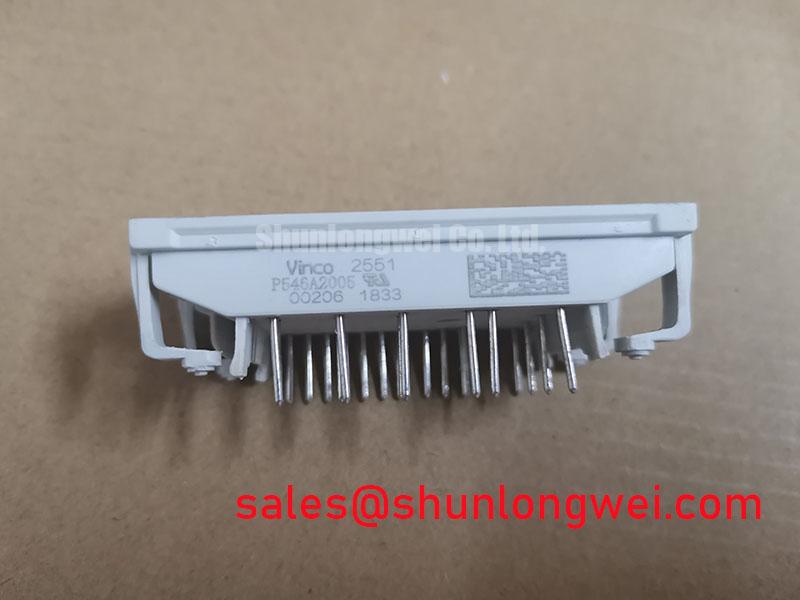
Yes. The MiniSKiiP package design allows for one-step mounting. Both the electrical connections to the PCB and the thermal connection to the heatsink are established simultaneously through the pressure-contact system. This reduces the bill of materials (BOM) by eliminating the need for complex busbars or specialized soldering equipment, while also minimizing the risk of assembly-induced stress on the power chips.
Key Parameter Overview
Decoding the Specs for Enhanced Thermal Reliability
| Technical Specification | Typical Value | Engineering Significance |
|---|---|---|
| Collector-Emitter Voltage (Vces) | 1200V | Suitable for 400V to 480V AC line applications. |
| Inverter DC Current (Ic) | 35A (at Tc=80°C) | Supports mid-range industrial motor drive requirements. |
| Saturation Voltage (Vce(sat)) | 1.7V (at Tj=25°C) | Low conduction losses for improved energy efficiency. |
| Topology | PIM (Converter-Inverter-Brake) | Full power stage integration in a single housing. |
| Thermal Resistance (Rth(j-s)) | 0.85 K/W (per IGBT) | Efficient heat transfer to the system heatsink. |
Technical & Design Deep Dive
Solder-Free Architecture as a Strategic Engineering Choice
The SKiiP 31NAB12T11 utilizes TRENCHSTOP™ IGBT3 technology, which is optimized for industrial switching frequencies. However, the true technical differentiator is the module's mechanical architecture. In conventional modules, a copper baseplate is soldered to an alumina or AlN substrate, which is then soldered to the silicon chips. Each solder layer introduces a thermal barrier and a potential point of failure due to mismatched coefficients of thermal expansion (CTE).
In the MiniSKiiP package, the pressure-contact system eliminates these solder layers between the substrate and the baseplate. Think of it as the difference between a high-rise building with rigid welded joints versus one with flexible, seismic-resistant dampeners. The SKiiP 31NAB12T11 allows the silicon chips to "breathe" during thermal transitions, dramatically reducing the mechanical strain on the IGBT structure. This translates into a power cycling capability that is significantly higher than soldered equivalents, making it ideal for Variable Frequency Drives (VFD) that undergo rapid load fluctuations.
Furthermore, the 1200V rating is supported by a CAL diode (Controlled Axial Lifetime), which ensures low reverse recovery losses (Err). This synergy between the Trench IGBT and the fast-recovery diode minimizes electromagnetic interference (EMI) and switching losses, particularly in pulse-width modulation (PWM) schemes common in Servo Drives. For systems requiring higher current handling, the SKiiP35NAB12T4V1 offers similar architecture with expanded current capacity.
Application Scenarios & Value
Achieving System-Level Benefits in High-Frequency Power Conversion
The SKiiP 31NAB12T11 is primarily utilized in Variable Frequency Drive (VFD) units and integrated motor-inverter systems where space is at a premium. Its PIM (Power Integrated Module) topology integrates the input rectifier, the braking chopper, and the three-phase inverter stage into a single footprint. This high degree of integration is essential for modern decentralized automation, where inverters are often mounted directly on the motor frame.
In Servo Drive applications, the module's low Vce(sat) and precise NTC monitoring ensure that dynamic response times are maintained without compromising safety margins. The absence of a copper baseplate also reduces the weight and profile of the power stage, aiding in the design of compact UPS (Uninterruptible Power Supply) systems and Solar Inverter topologies that require reliable DC-to-AC conversion. For engineers working on larger 480V infrastructure, the SKiiP24NAB12T4V3 provides a complementary solution within the same technology family.
The strategic advantage of the SKiiP 31NAB12T11 lies in its Total Cost of Ownership (TCO). While the initial design may require specific attention to heatsink flatness to optimize the pressure contact, the reduction in field failures and the simplified manufacturing process provide a clear competitive edge in industrial machinery and Electric Vehicle (EV) auxiliary power units. For a comprehensive understanding of module selection, refer to the Engineers' Ultimate Guide to IGBT Modules.
The adoption of solder-free pressure contact technology represents a shift toward more resilient power electronics. By selecting the SKiiP 31NAB12T11, engineers are not simply choosing a switch; they are integrating a mechanically optimized power stage designed to withstand the rigors of industrial thermal cycling. As global energy efficiency standards and reliability requirements for Industry 4.0 continue to evolve, the demand for integrated solutions that combine thermal precision with mechanical robustness will remain a priority for the next generation of power system design.