
Content last revised on November 26, 2025
TV101WUM-NH3: A Deep Dive into the 10.1-Inch WUXGA Industrial LCD Module
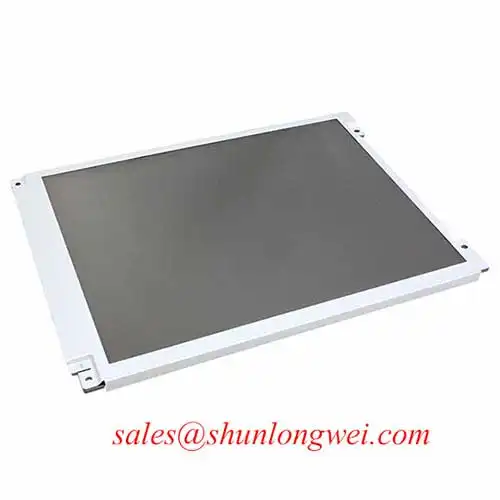
The TV101WUM-NH3 is a high-performance 10.1-inch a-Si TFT-LCD module delivering exceptional visual fidelity for demanding applications. With its superior resolution and advanced display technology, it provides the clarity and consistency required for modern industrial and portable devices. Key specifications include a 10.1-inch WUXGA display, a high-density 1200 x 1920 resolution, IPS-like performance, and a streamlined MIPI interface. These features translate directly into engineering benefits such as superior image sharpness and wide, color-accurate viewing angles. This makes the display adept at rendering complex graphical user interfaces or detailed diagnostic information with precision. For portable systems demanding high-fidelity visuals without sacrificing viewing angle consistency, the TV101WUM-NH3 is the definitive choice.
Key Parameter Overview
Decoding the Specs: A Guide to Resolution, Brightness, and Interface
The technical specifications of the TV101WUM-NH3 are pivotal for system designers aiming to integrate a premium display. Each parameter is a critical piece of the puzzle in achieving optimal performance and reliability in the final application.
| Parameter | Value | Engineering Significance |
|---|---|---|
| Display Size | 10.1 inches | Offers a compact yet substantial viewing area, ideal for portable instruments and space-constrained Human-Machine Interface (HMI) panels. |
| Resolution | 1200(RGB)×1920 (WUXGA) | Provides a pixel density of 225 PPI, ensuring exceptionally sharp text and detailed graphics. This is critical for applications like medical imaging or complex schematics where precision is non-negotiable. |
| Display Technology | IPS, Normally Black, Transmissive | Delivers superior color consistency and wide viewing angles. The "Normally Black" feature means the screen is black in an off-state, which results in deeper blacks and an enhanced contrast ratio. |
| Luminance | 450 cd/m² (Typ.) | Ensures bright, clear images suitable for typical indoor industrial environments. A higher luminance rating directly translates to better readability under varied lighting conditions. |
| Viewing Angle | 80/80/80/80 (Typ.) (CR≥10) | Allows for accurate color and image reproduction from nearly any direction (left, right, up, or down), a critical requirement for devices used by multiple operators or in non-standard mounting positions. |
| Signal Interface | MIPI (4 data lanes), 51 pins | This modern, high-speed differential signaling interface simplifies system integration by reducing the number of required connections, minimizing PCB complexity, and lowering susceptibility to EMI compared to older standards. |
| Operating Temperature | -10 ~ 60 °C | The specified temperature range confirms its suitability for deployment in controlled industrial and commercial environments. |
Download the TV101WUM-NH3 datasheet for detailed specifications and performance curves.
Application Scenarios & Value
Achieving System-Level Benefits in Portable and High-Resolution Devices
For systems where visual information is paramount, the TV101WUM-NH3 offers a distinct engineering advantage. Consider its deployment in a next-generation portable diagnostic tool for field service technicians. In this scenario, the combination of its 10.1-inch diagonal screen and high-density 1200x1920 WUXGA resolution is a game-changer. Technicians can view intricate circuit diagrams, thermal imaging data, or measurement waveforms with exceptional clarity, eliminating the need for constant zooming and panning that hampers efficiency. What is the primary benefit of its IPS-like technology? Enhanced readability from any angle, which is crucial when a device is used in awkward or shared spaces.
The panel's IPS technology ensures that whether the tool is held, mounted on machinery, or viewed by a colleague from the side, the colors and data remain accurate and undistorted. This is a significant step up from older TN panels, where off-axis viewing results in severe color shifts. Furthermore, the modern MIPI interface is a key enabler for a compact and robust product design. It allows for a high-bandwidth data connection with a slim, flexible cable and a small-footprint connector, freeing up valuable internal space and simplifying the electronic architecture. This focus on high-detail imaging makes it a prime candidate for advanced TFT-LCD applications. While the TV101WUM-NH3 excels in high-resolution portable roles, for systems requiring a larger screen with standard industrial resolution, the G121XCE-L01 offers a 12.1-inch XGA alternative.
Frequently Asked Questions (FAQ)
How does the IPS technology of the TV101WUM-NH3 benefit a multi-user Human-Machine Interface (HMI)?
The IPS (In-Plane Switching) technology provides an ultra-wide viewing angle of 80 degrees in all directions (left, right, up, down). In a collaborative HMI environment, this means multiple operators can view the screen simultaneously from different positions without experiencing color degradation or loss of contrast, ensuring everyone sees the same accurate information.
What is the engineering significance of a 1200x1920 (WUXGA) resolution on a 10.1-inch panel?
This combination results in a high pixel density of 225 pixels per inch (PPI). For an engineer, this translates to the ability to render extremely fine details, smooth fonts, and sharp vector graphics. It allows for the design of more complex and data-rich user interfaces on a compact screen without sacrificing legibility, a key factor in reducing operator error in portable medical devices and industrial tablets.
What are the design advantages of the MIPI DSI interface used in the TV101WUM-NH3?
The MIPI (Mobile Industry Processor Interface) DSI is a high-speed, low-power, and low-EMI serial interface. Compared to parallel interfaces like RGB or LVDS, it requires significantly fewer pins (in this case, 51), which simplifies PCB layout, reduces connector size, and lowers the risk of electromagnetic interference. This makes it an ideal choice for compact, battery-powered devices where board space and signal integrity are critical design constraints. For a deeper understanding of display interfaces, refer to resources on standards like the LVDS Interface, from which MIPI has evolved for modern applications.
Technical Deep Dive
Analyzing the Synergy of IPS Technology and WUXGA Resolution for Precision Imaging
The exceptional performance of the TV101WUM-NH3 stems from the powerful combination of its display technology and pixel structure. The panel employs IPS (In-Plane Switching), a technology renowned for its superior visual characteristics. Unlike older Twisted Nematic (TN) panels where liquid crystals twist vertically, the crystals in an IPS panel align and rotate horizontally. The engineering analogy is simple: it's like opening and closing venetian blinds. This horizontal movement allows light to pass through more uniformly, resulting in two key benefits: phenomenally wide viewing angles and highly accurate color reproduction. This is a crucial attribute in fields like portable medical imaging or graphic design proofing, where color fidelity is not a luxury but a necessity.
This technological advantage is magnified by the panel's WUXGA (1200x1920) resolution packed into a 10.1-inch frame. Why is this specific resolution important? It's a 16:10 aspect ratio, providing additional vertical screen real estate compared to standard 16:9 Full HD displays. For a Human-Machine Interface (HMI) or a tablet used for reading technical documents, this extra height allows more content to be displayed, reducing the need for scrolling. This combination of pixel density and screen technology ensures that the TV101WUM-NH3 is not just a display, but a precision instrument for visual data interpretation, a core consideration when evaluating industrial vs. consumer displays.
Strategic Integration for Next-Generation Devices
Leveraging High-Density Display Technology for a Competitive Edge
Integrating a component like the TV101WUM-NH3 is a strategic decision that extends beyond its immediate technical merits. It represents an opportunity for OEM engineers to build next-generation products that stand out in crowded markets. By designing around a display that offers both high pixel density and superior viewing angles, manufacturers can deliver a significantly enhanced user experience. This module enables the creation of devices that are not only more capable in their function—displaying more data with greater clarity—but are also more ergonomic and versatile in their use. For product managers and system architects, specifying this level of display quality can be a key differentiator, justifying a premium position and aligning the final product with the industry trend towards higher information density and improved human-machine interaction.