Content last revised on September 10, 2026
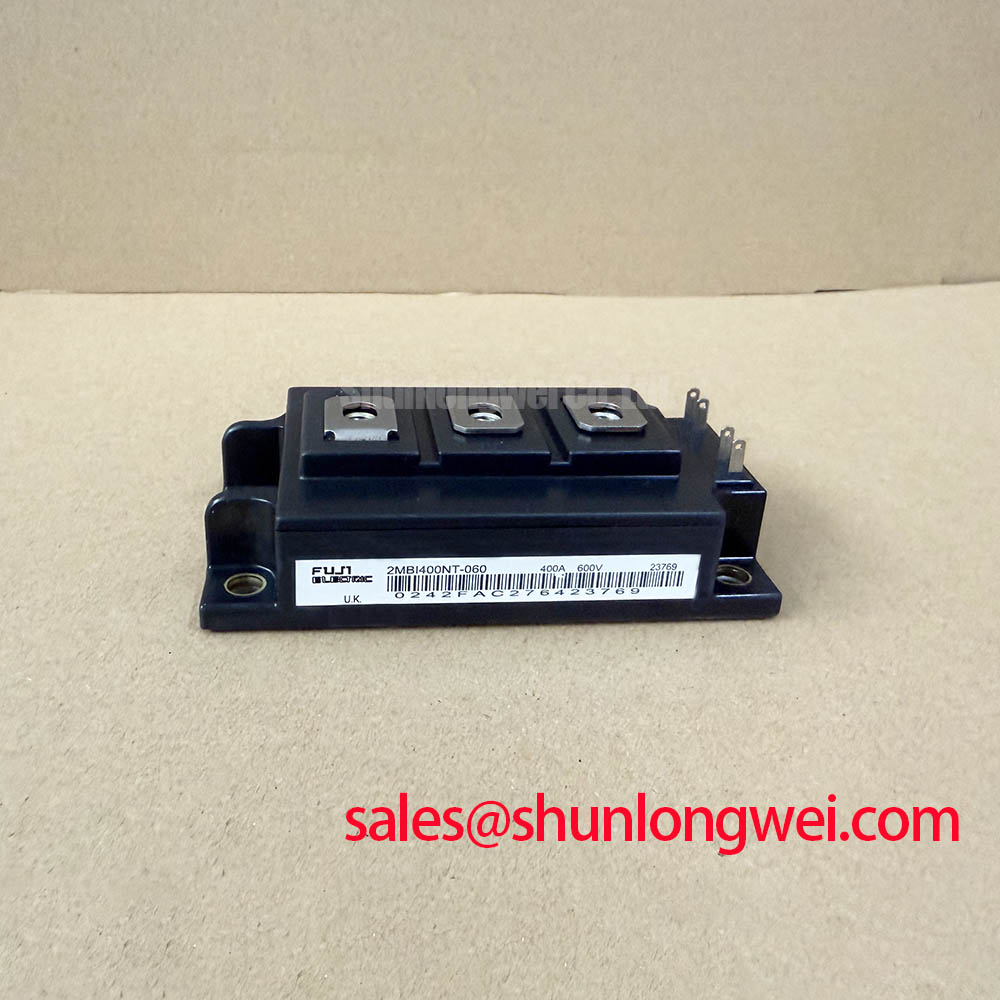
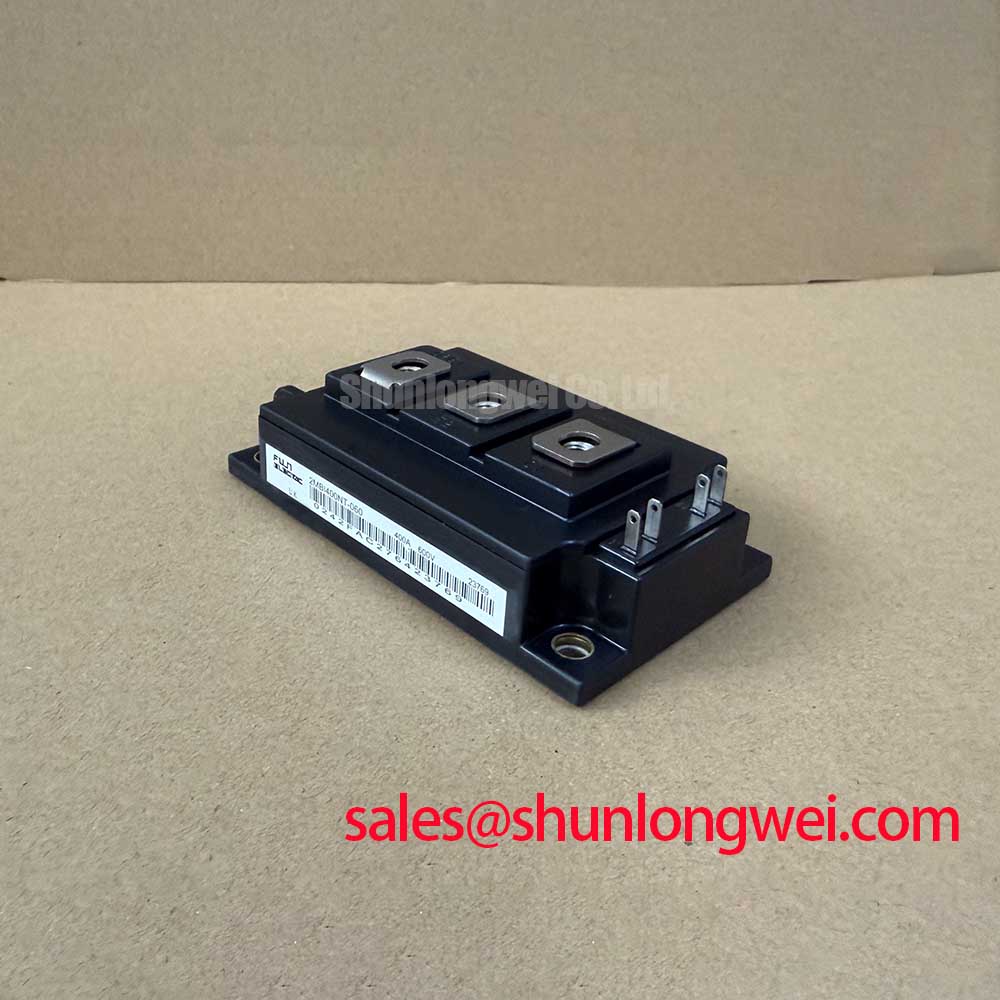
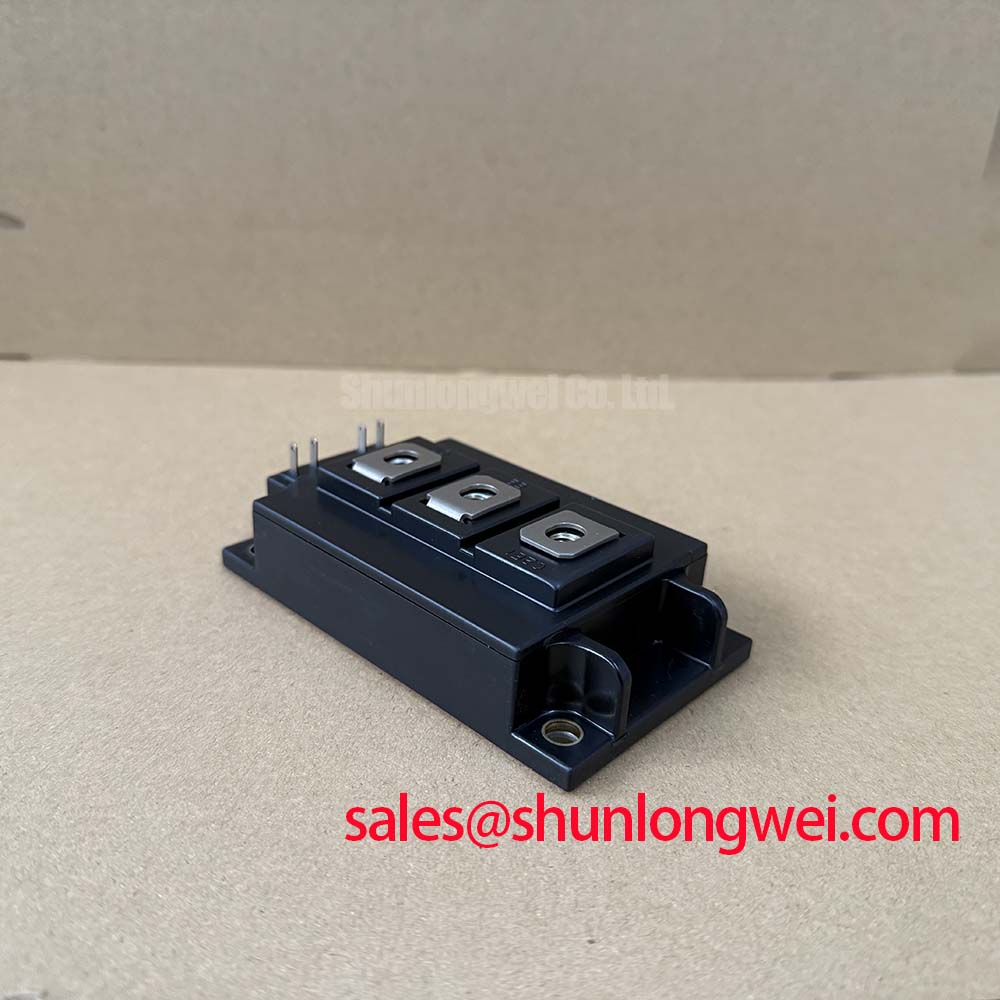
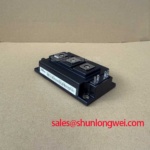
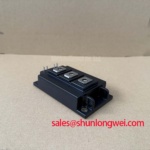
2MBI400NT-060 Fuji Electric 600V 400A IGBT Module
The 2MBI400NT-060 is a high-performance 600V / 400A dual IGBT module from Fuji Electric, specifically architected to minimize power dissipation in high-frequency switching environments. By integrating an advanced trench gate structure with a soft-recovery fast-recovery diode (FWD), this module addresses the critical balance between conduction efficiency and switching speed. It provides a robust solution for power conversion stages where thermal overhead and space constraints are primary design bottlenecks.
Application Scenarios & Value
Achieving System-Level Benefits in High-Frequency Power Conversion
Engineers often face a difficult trade-off when designing Variable Frequency Drives (VFD) or high-capacity Uninterruptible Power Supplies (UPS): increasing the switching frequency to reduce filter size usually leads to excessive thermal stress. The 2MBI400NT-060 resolves this by offering an optimized Vce(sat) and reduced turn-off energy (Eoff). For instance, in an industrial welding power supply, the ability to switch at higher frequencies without hitting thermal limits allows for a more compact transformer design and improved arc stability.
For systems requiring higher voltage overhead, such as those interfacing with 480V grids, the related 2MBI200NB-120 offers a Vces of 1200V, though at a lower current rating. The 2MBI400NT-060, however, remains the benchmark for 200V-240V AC line applications where 400A throughput is essential. This module is frequently integrated into servo drives and solar inverters to maximize throughput while maintaining a tight Safe Operating Area (SOA). In the context of the global move toward renewable energy, these modules act as the primary switching backbone for converting DC battery or solar string power into clean AC utility power.
Key semantic entities associated with this technology include PFC stages, isolated gate drivers, and IEC 61800-3 compliance standards for adjustable speed electrical power drive systems. Utilizing a comprehensive IGBT analysis can further assist engineers in calculating the exact loss profile for these complex switching topologies.
Technical & Design Deep Dive
Optimizing the Conduction-Switching Trade-off via Trench Technology
The core innovation within the 2MBI400NT-060 lies in its 4th Generation N-Series trench gate technology. To understand its value, one might compare it to a high-performance industrial valve: it is designed to open fully with negligible resistance (low saturation voltage) and shut instantly without leaking "energy" during the transition (low switching loss). In a typical IGBT Module, the collector-emitter saturation voltage Vce(sat) is approximately 2.1V, which directly dictates the conduction loss during the "on" state.
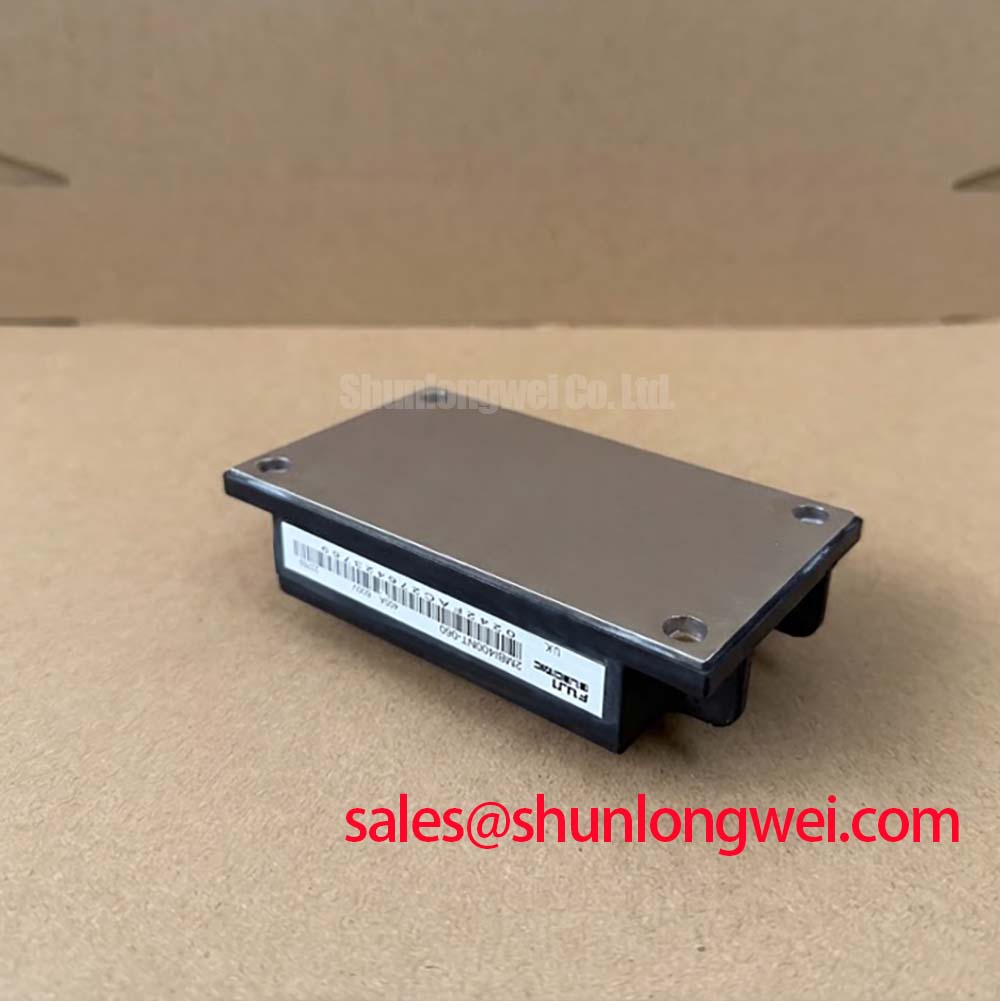
Thermal management is further enhanced by the module's isolated copper baseplate. By minimizing the thermal resistance from junction to case Rth(j-c), the 2MBI400NT-060 ensures that heat generated at the silicon level is efficiently moved to the heatsink. This is critical for preventing thermal runaway during Short-Circuit Withstand Time events. Furthermore, the inclusion of a Kelvin Emitter terminal allows for much cleaner gate control signals, effectively bypassing the parasitic inductance of the main power emitter path and preventing unintended oscillations during high-speed dI/dt transitions.
For engineers transitioning from discrete components to integrated solutions, understanding power stage design frameworks is essential. The 2MBI400NT-060 simplifies layout by providing a half-bridge (dual) configuration in a single housing, reducing the total loop inductance which is a major contributor to voltage overshoots in high-current switching.
Key Parameter Overview
Decoding the Specs for Enhanced Thermal Reliability
| Technical Parameter | Rated Value | Engineering Significance |
|---|---|---|
| Collector-Emitter Voltage (Vces) | 600V | Ideal for 200-240V AC line rectified DC buses with safety margin. |
| Continuous Collector Current (Ic) | 400A | Supports high-torque motor starts and heavy industrial loads. |
| Vce(sat) (Typical) | 2.1V | Minimizes steady-state heat generation for higher power density. |
| Gate-Emitter Voltage (Vges) | +/- 20V | Provides standard logic-level compatibility for most gate drivers. |
| Mounting Torque | 3.5 N·m (Typical) | Ensures optimal thermal contact without mechanical stress on the housing. |
Frequently Asked Questions
Engineering Insights for Implementation
- How does the trench gate structure in the 2MBI400NT-060 improve inverter efficiency?The trench structure allows for a higher cell density on the silicon die, which significantly reduces the Vce(sat). By lowering the "on-resistance" of the device, conduction losses are minimized, which is particularly beneficial in high-current applications like industrial motor drives.
- What is the primary benefit of the soft-recovery diode integrated into this module?The soft-recovery FWD reduces Electromagnetic Interference (EMI) and voltage spikes during diode turn-off. This eliminates the need for aggressive snubber circuits and simplifies EMC compliance in sensitive environments.
- Why is the 600V rating appropriate for 240V AC systems rather than 1200V?While 1200V modules like the 2MBI300HH-120 provide higher insulation, they often come with higher conduction losses. For a 240V AC input, the peak DC bus is approximately 340V; a 600V rated module provides ample safety margin while offering superior efficiency and lower cost.
- How should the Kelvin Emitter be utilized in the gate drive circuit?The Kelvin Emitter should be used as the dedicated return path for the gate driver signal. This prevents the high-current power path's inductive voltage drops from interfering with the gate-to-emitter voltage, ensuring precise switching control.
- Can the 2MBI400NT-060 be paralleled for higher current requirements?Yes, however, careful attention must be paid to the Vce(sat) distribution and symmetric PCB/busbar layout to ensure balanced current sharing and prevent localized overheating of a single module.
From an integration perspective, selecting the 2MBI400NT-060 is a strategic decision to prioritize power density in the 600V class. Success in high-power design depends on treating the module not just as a switch, but as a thermal management component. For 200V-class industrial drives prioritizing low conduction loss, this 400A module remains a technically superior selection.