

Content last revised on November 19, 2025
AUO B141XG09 V4: 14.1-inch XGA TFT-LCD Module
Introduction: Key Specifications and Engineering Highlights
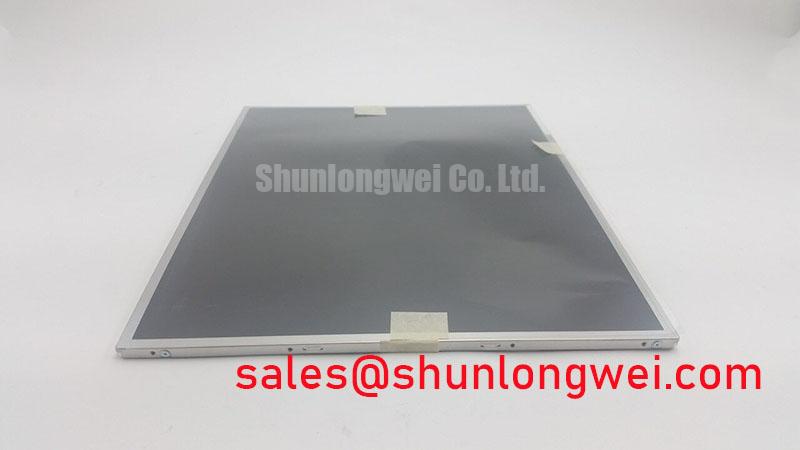
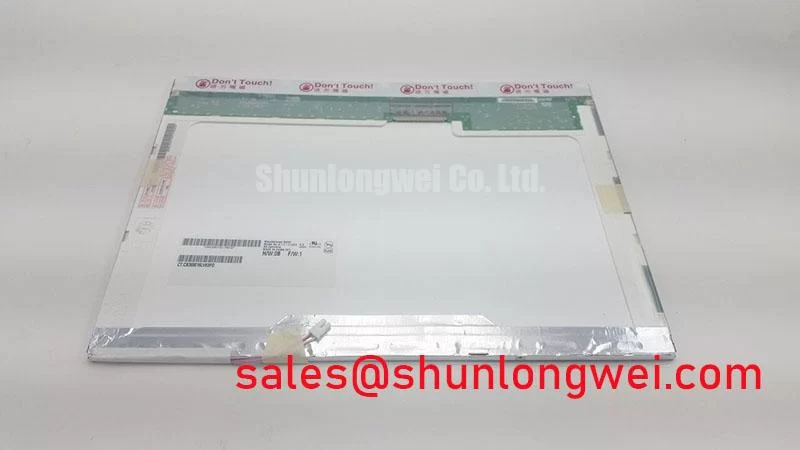
The AUO B141XG09 V4 is a 14.1-inch color TFT-LCD module designed for robust performance in industrial and specialized computing applications. It delivers a classic 1024x768 XGA resolution in a 4:3 aspect ratio, powered by an efficient LED backlight system with an integrated driver. Key specifications include: 250 cd/m² Brightness | 500:1 Contrast Ratio | LVDS Interface. This panel provides exceptional optical clarity via its anti-glare surface and simplifies system integration. For engineers managing equipment lifecycles, this display serves as a direct upgrade path for older systems, minimizing the need for software or mechanical redesign. For legacy HMI retrofits requiring a 4:3 aspect ratio, the B141XG09 V4 is the ideal drop-in solution.
Application Scenarios & Value
System-Level Benefits in Legacy Upgrades and New Industrial Designs
The B141XG09 V4 is engineered to solve a common challenge for system designers: sourcing a high-quality display for applications built around the 4:3 aspect ratio. This makes it a prime candidate for refreshing the user interfaces of existing industrial machinery, medical devices, and specialized test equipment without costly and time-consuming UI redevelopment. What is the benefit of the B141XG09 V4's anti-glare surface? It ensures clear readability in diverse industrial lighting.
Consider a scenario where a panel PC controlling a CNC machine needs a display replacement. The original CCFL-backlit panel has failed, and a modern widescreen display would require a new bezel and software adjustments. The B141XG09 V4, with its identical XGA resolution and form factor, offers a direct upgrade. Its standard 1-channel, 6-bit LVDS Interface ensures compatibility with a wide range of industrial motherboards and controllers. Furthermore, the integrated LED driver circuitry eliminates the need for an external high-voltage inverter, simplifying the power delivery architecture and improving overall system reliability.
While this 14.1-inch panel is well-suited for compact HMI designs, for larger control panel applications, the related G150XNE-L01 provides a similar XGA resolution in a 15.0-inch format. Conversely, for more space-constrained systems, the G121XCE-L01 offers the same resolution in a 12.1-inch diagonal.
Key Parameter Overview
Decoding the Specs for Integration and Visual Performance
The technical specifications of the B141XG09 V4 are optimized for straightforward integration and reliable visual output in demanding environments. The following parameters are critical for design and evaluation.
| Feature | Specification | Engineering Implication |
|---|---|---|
| Screen Diagonal | 14.1 inches (358.1 mm) | Standard size for legacy industrial laptops and panel PCs. |
| Resolution | 1024(RGB) x 768, XGA | Provides crisp text and graphics for typical HMI applications; ensures backward compatibility. |
| Aspect Ratio | 4:3 (H:V) | Critical for direct replacement of older screens without UI distortion or software modification. |
| Luminance | 250 cd/m² (Typ.) | Sufficient brightness for indoor industrial environments. |
| Contrast Ratio | 500:1 (Typ.) | Ensures good differentiation between colors and shades, improving data legibility. |
| Viewing Angle | 45/45/20/40 (L/R/U/D) | Defines the optimal viewing cone; best suited for applications where the operator is directly in front of the screen. |
| Backlight System | WLED with Integrated Driver | Enhances reliability and power efficiency compared to CCFL; simplifies system power design. |
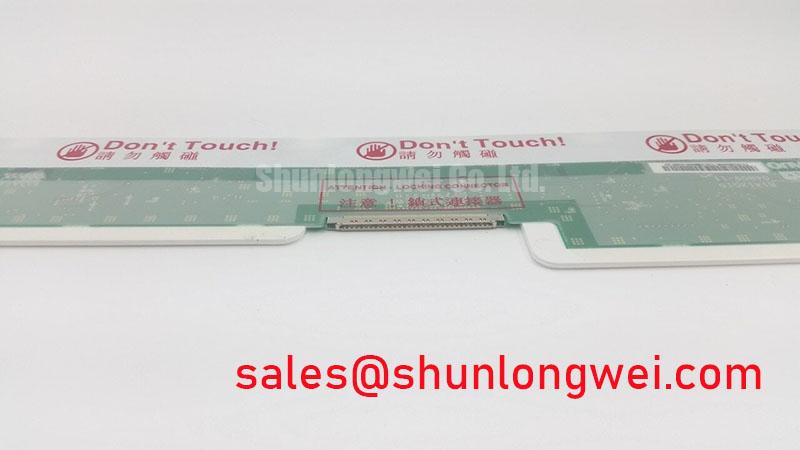
| Interface Type | LVDS (1 ch, 6-bit), 30 pins | A widely adopted industry standard ensuring broad controller compatibility. |
| Operating Temperature | 0 ~ 50 °C | Suitable for controlled indoor industrial and commercial environments. |
| Surface Treatment | Anti-glare, Hard coating (3H) | Minimizes reflections from overhead lighting and adds a layer of durability. |
Download the B141XG09 V4 datasheet for detailed specifications and performance curves.
Frequently Asked Questions (FAQ)
How does the integrated LED driver on the B141XG09 V4 simplify my system design?
The integrated LED driver means the display module accepts a standard low-voltage DC input (typically 7V to 20V from the logic board supply) to power the backlight. This eliminates the need for a separate, external high-voltage inverter board, which was required for older CCFL displays. The result is a reduced component count, a simpler wiring harness, and a smaller overall system footprint.
Is the 4:3 aspect ratio of this panel still relevant for new product designs?
While widescreen formats are common, the 4:3 aspect ratio remains highly relevant in many professional sectors. It is often preferred for applications displaying square-format data, such as medical imaging, process control diagrams, or avionics systems. For new designs in these fields, using a 4:3 panel like the B141XG09 V4 can provide a more efficient and intuitive data layout than a widescreen alternative.
What are the primary considerations for connecting the B141XG09 V4 to a single-board computer?
The main consideration is ensuring your single-board computer (SBC) has a compatible LVDS output. You must verify that the SBC's LVDS port supports a 1-channel, 6-bit configuration with a 1024x768 resolution. Additionally, you will need the correct 30-pin cable and ensure the power supply rail for the display meets the voltage and current requirements specified in the datasheet.
Technical Deep Dive
A Closer Look at Interface and Optical Performance
Two key design elements of the B141XG09 V4 directly contribute to its performance in its target applications: the LVDS interface and the anti-glare surface treatment. The LVDS interface is more than just a connector type; it's a differential signaling standard designed for high-speed data transmission with low electromagnetic interference (EMI). Think of it as a dedicated, noise-resistant highway for pixel data. For an industrial environment filled with motors, drives, and other sources of electrical noise, this low EMI profile is critical for maintaining signal integrity and ensuring a stable, flicker-free image. This is a core reason why LVDS remains a preferred interface in industrial TFT-LCDs.
Optically, the anti-glare surface treatment is a crucial feature for operator usability. It employs a micro-textured surface that diffuses ambient light rather than reflecting it directly back at the viewer. This is analogous to the difference between a glossy photograph and one with a matte finish. While a glossy surface might appear to have deeper blacks in a dark room, the matte finish of the anti-glare screen is vastly superior in a typical factory or lab with overhead lighting, as it prevents distracting reflections that can obscure critical data and cause operator fatigue.
Strategic Fit for Long-Lifecycle Equipment
The B141XG09 V4 from AUO represents a strategic choice for product managers and engineers responsible for equipment with long operational lifecycles. By providing a modern, reliable display solution that adheres to legacy form factors, it bridges the gap between aging infrastructure and current component availability. This panel enables targeted upgrades that enhance system reliability and user experience without forcing a complete and costly system redesign, ensuring that valuable industrial assets can remain productive and supported for years to come.