


Content last revised on September 10, 2026
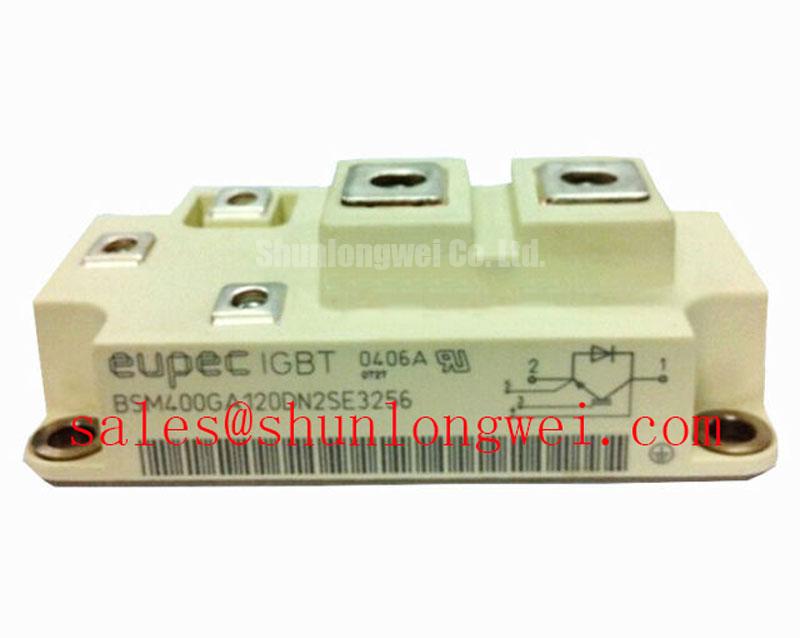
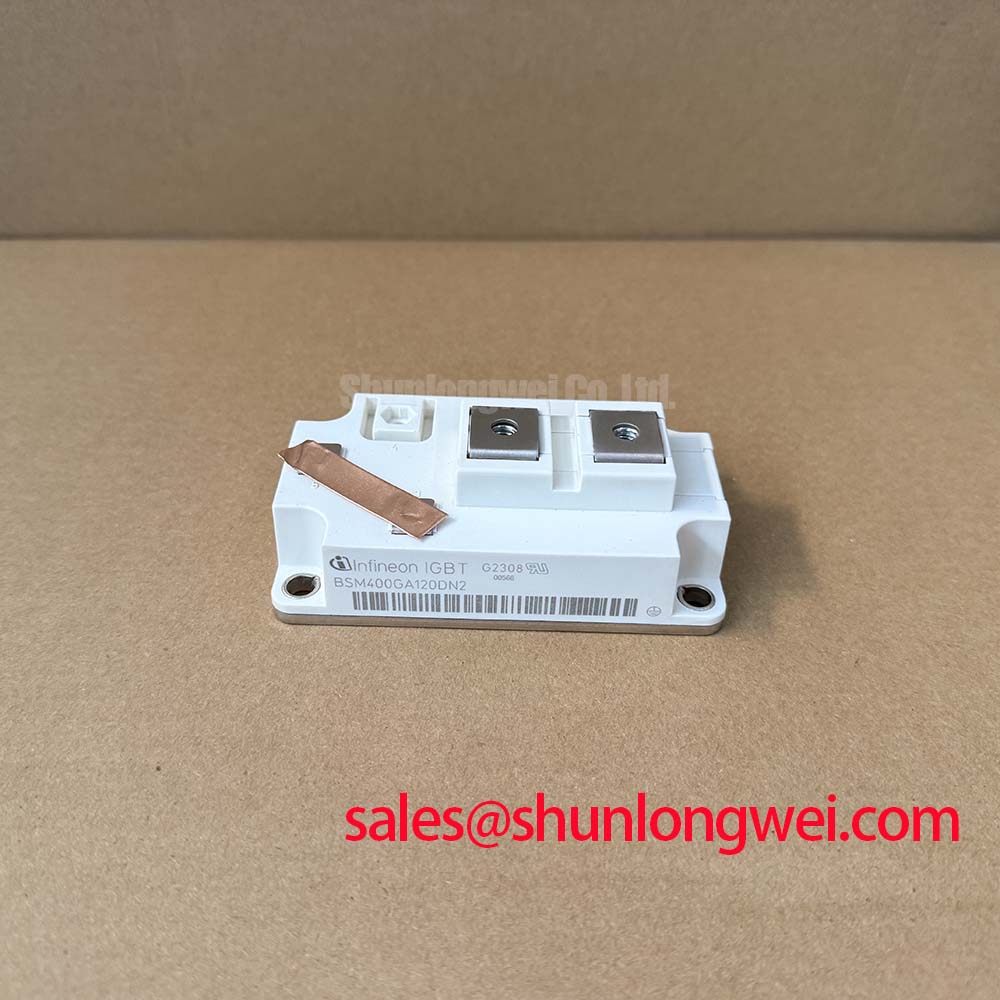
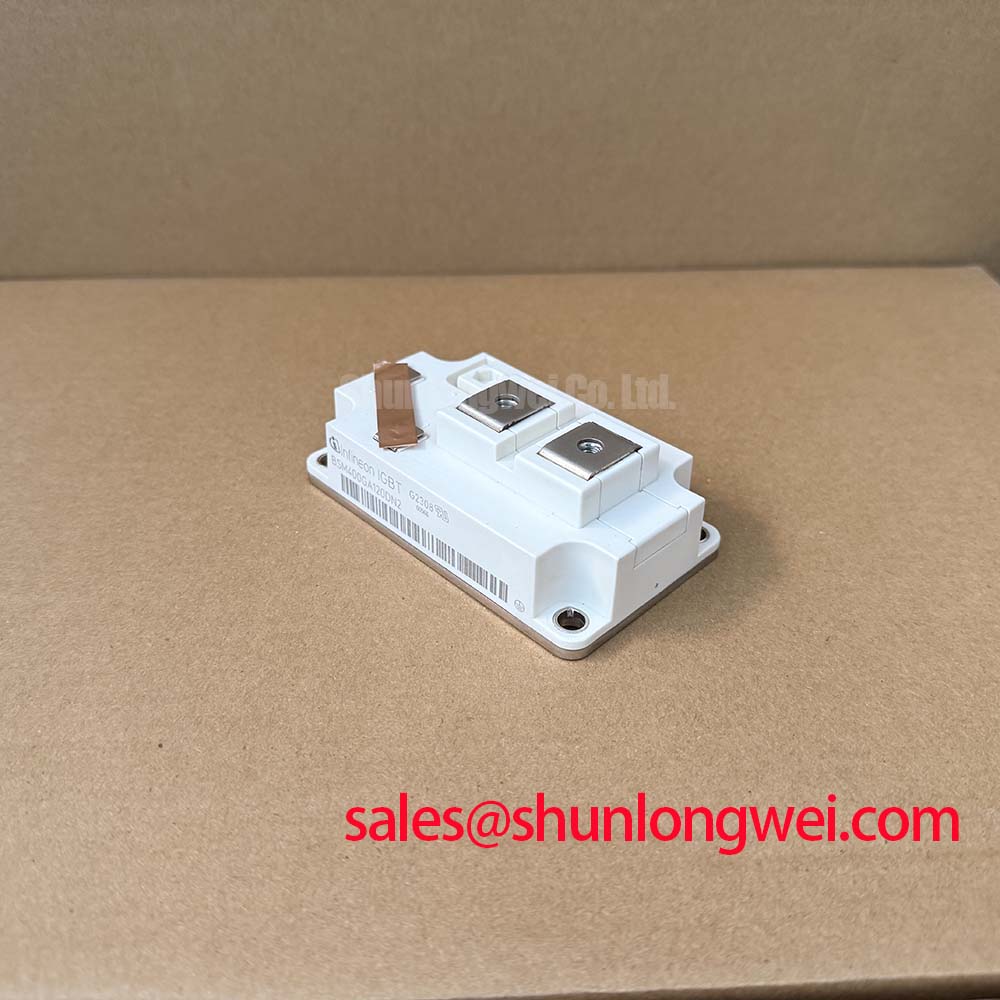
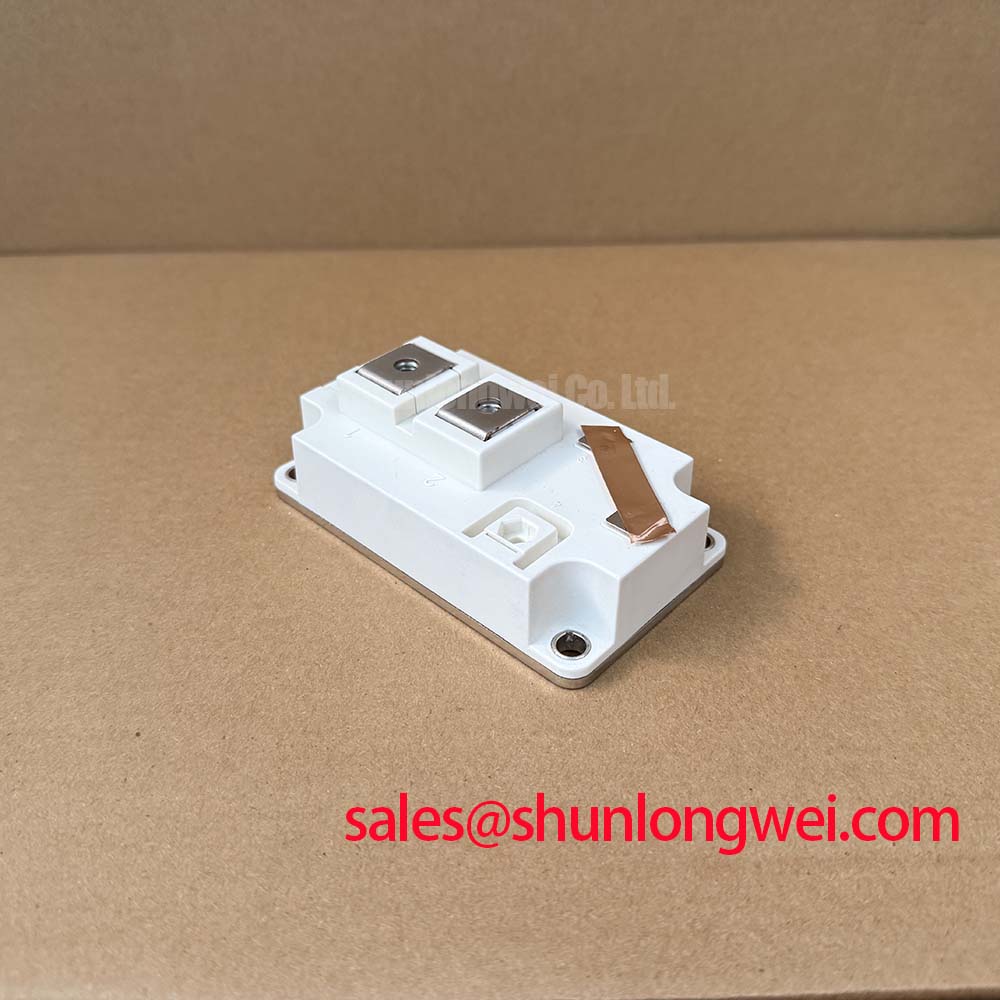
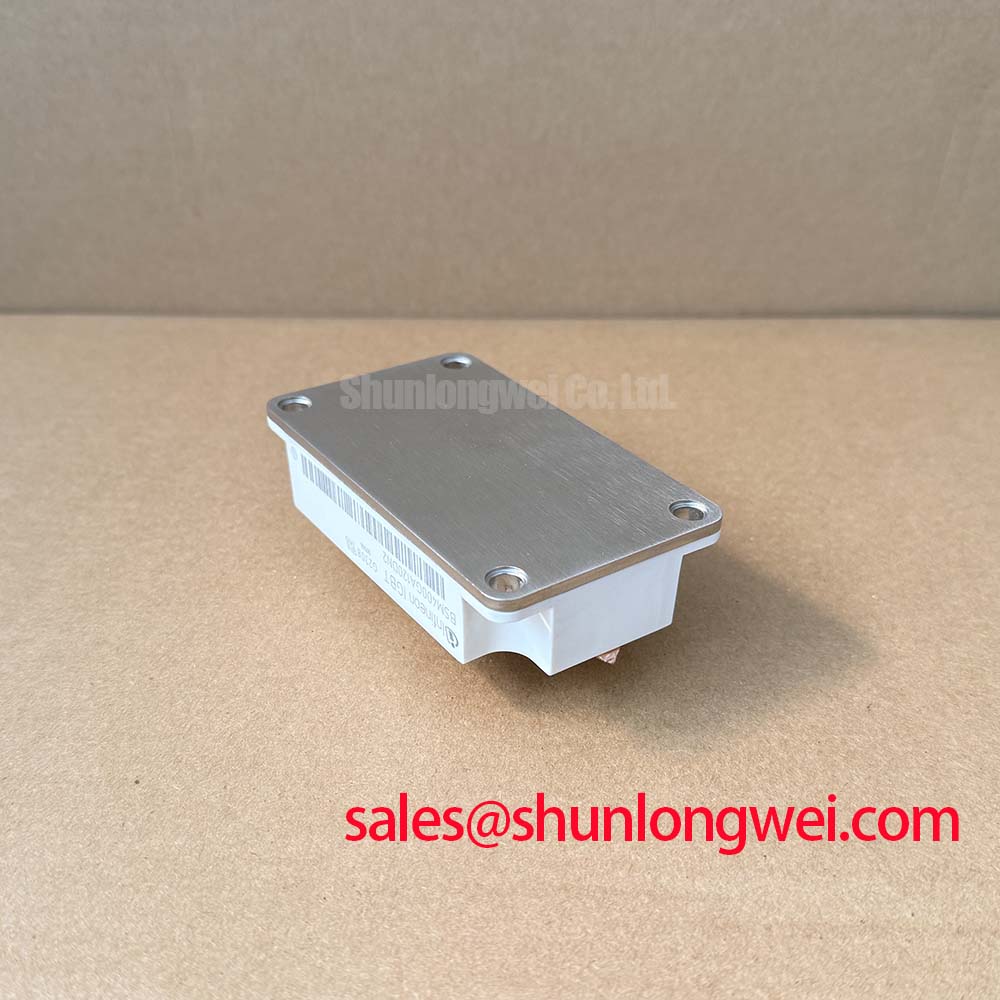
BSM400GA120DN2 Infineon 1200V 400A High-Speed IGBT Module
Can an IGBT module effectively bridge the gap between high-frequency switching performance and the ruggedness required for 24/7 industrial duty cycles? The BSM400GA120DN2 provides a definitive answer by leveraging optimized Non-Punch-Through (NPT) technology to ensure thermal stability and minimized power dissipation. This single-switch IGBT Module, rated at 1200V and 400A, is designed to enhance power conversion density through superior switching characteristics and robust thermal margins. By offering a positive temperature coefficient of Vce(sat), it simplifies the engineering challenge of paralleling modules, ensuring that current is shared evenly and thermal runaway is mitigated. For industrial motor drives and heavy-duty power supplies prioritizing switching speed and long-term reliability, the BSM400GA120DN2 represents a benchmark for high-power efficiency.
Frequently Asked Questions
Addressing Core Engineering Concerns and Technical Queries
How does the Non-Punch-Through (NPT) structure of the BSM400GA120DN2 impact long-term system reliability?
Unlike older technologies, the NPT structure utilized in the BSM400GA120DN2 provides a highly stable switching behavior across a wide temperature range. This results in a square Reverse Bias Safe Operating Area (RBSOA), allowing the module to handle inductive load transients with higher ruggedness. The absence of an epitaxial layer transition reduces localized electric field stress, which is critical for preventing catastrophic failure during high-voltage spikes in industrial environments.
What are the specific advantages of the 400A rating for high-power UPS systems?
The 400A continuous collector current rating allows designers to reduce the number of parallel components required for high-capacity Uninterruptible Power Supply (UPS) units. This concentration of power capability within a single 62mm package footprint reduces stray inductance in the busbar assembly and simplifies the cooling manifold design, directly improving the system's overall efficiency and volumetric power density.
Key Parameter Overview
Decoding the Specs for Enhanced Thermal Reliability
| Technical Parameter | Value / Specification | Engineering Significance |
|---|---|---|
| Collector-Emitter Voltage (Vces) | 1200V | Provides necessary voltage headroom for 400V–480V AC line applications. |
| DC Collector Current (Ic) | 400A (at Tc=80°C) | High current throughput for heavy industrial loads and large motor drives. |
| Saturation Voltage (Vce(sat)) | 2.5V (typical) | Balanced for low conduction losses without compromising switching speed. |
| Short Circuit Withstand Time (tsc) | 10 µs | Ensures sufficient time for protection circuits to intervene during a fault. |
| Package Type | 62mm Module | Industry-standard footprint for easy mechanical integration and replacement. |
Download the BSM400GA120DN2 datasheet for detailed specifications and performance curves.
Technical & Design Deep Dive
Optimizing Switching Efficiency through Advanced NPT Architecture
The BSM400GA120DN2 is engineered to solve the "efficiency vs. ruggedness" trade-off that often plagues high-power designs. At the heart of its performance is the NPT chip design, which eliminates the need for a buffer layer. This architecture provides a uniform carrier distribution, ensuring that turn-off energy (Eoff) remains remarkably stable even as junction temperatures rise. This behavior is managed much like a high-performance clutch in a heavy-duty transmission, ensuring smooth power transfer with minimal friction-induced heat during high-frequency transitions. Understanding these nuances is critical for engineers when decoding IGBT datasheets to optimize gate drive resistors.
From a thermal management perspective, the NPT structure acts like a reinforced dam, holding back 1200V with a uniform pressure distribution that prevents localized breaches during transient surges. The module features an isolated copper baseplate, which optimizes the thermal path from the silicon junction to the heatsink. This design choice is fundamental in maintaining the BSM400GA120DN2 within its safe operating area during the rapid dV/dt and dI/dt events typical of PWM-controlled Variable Frequency Drives (VFD). By minimizing the internal parasitic inductance, the module effectively reduces voltage overshoot, allowing for a more compact snubber circuit design.
Furthermore, the BSM400GA120DN2 exhibits low tail currents during turn-off, a common bottleneck in high-power switching. This characteristic allows for higher switching frequencies compared to standard modules, enabling the use of smaller inductive filters in the final system design. This focus on switching efficiency and loss reduction makes the module a primary candidate for modern power conversion architectures, as explored in our in-depth analysis of IGBT modules.
Application Scenarios & Value
Achieving System-Level Benefits in Industrial Power Conversion
Engineers often face the challenge of designing Variable Frequency Drive (VFD) systems that must withstand the harsh electromagnetic environments and thermal stresses of heavy industry. The BSM400GA120DN2 addresses these challenges by providing high SCSOA (Short Circuit Safe Operating Area) and low electromagnetic interference (EMI) signatures. Consider a 150kW industrial centrifugal pump drive: the 400A current capability allows the module to handle the high motor-starting torque without entering the desaturation zone. When integrated into a system compliant with IEC 61800-3, the stable switching of the BSM400GA120DN2 reduces the stress on the gate driver and output filters.
In renewable energy applications, such as large-scale solar inverters or wind turbine converters, the reliability of the power stage is non-negotiable. The BSM400GA120DN2 provides a robust switching stage that can be precisely controlled to minimize harmonics. While this model is ideal for high-power single-switch configurations, for systems requiring lower current handling or different topologies, the related BSM300GA120DN2 offers a 300A alternative within the same voltage class. Similarly, for multi-phase designs, the BSM75GD120DN2 provides a six-pack configuration for integrated inverter stages.
Technical Maintenance & Verification
Ensuring Long-Term Performance in the Field
What is the recommended gate voltage (Vge) for the BSM400GA120DN2 to ensure optimal saturation?
To achieve the specified Vce(sat) of 2.5V and ensure the device remains fully saturated under 400A loads, a gate-emitter voltage of +15V is standard. Using a lower voltage may increase conduction losses and potentially lead to thermal failure, while a negative gate bias (typically -5V to -15V) is recommended during the off-state to prevent parasitic turn-on caused by Miller capacitance in high dV/dt environments.
How does the 10 µs short-circuit withstand time affect the choice of gate driver?
The 10 µs rating means the gate driver must include a fast-acting desaturation detection circuit (often called "Desat" protection) that can shut down the IGBT safely within this timeframe. Designers should select drivers that can manage a "soft shut down" to prevent excessive voltage spikes during a high-current fault condition, protecting the 1200V isolation barrier.
The strategic deployment of the BSM400GA120DN2 within industrial power architectures offers a path to increased system uptime and energy efficiency. As global industries move toward more intelligent, high-density power solutions, the role of rugged, high-performance IGBT Modules becomes even more critical. By prioritizing modules with a proven track record of thermal stability and switching precision, engineering teams can future-proof their designs against the evolving demands of the global energy landscape.