


Content last revised on September 10, 2026
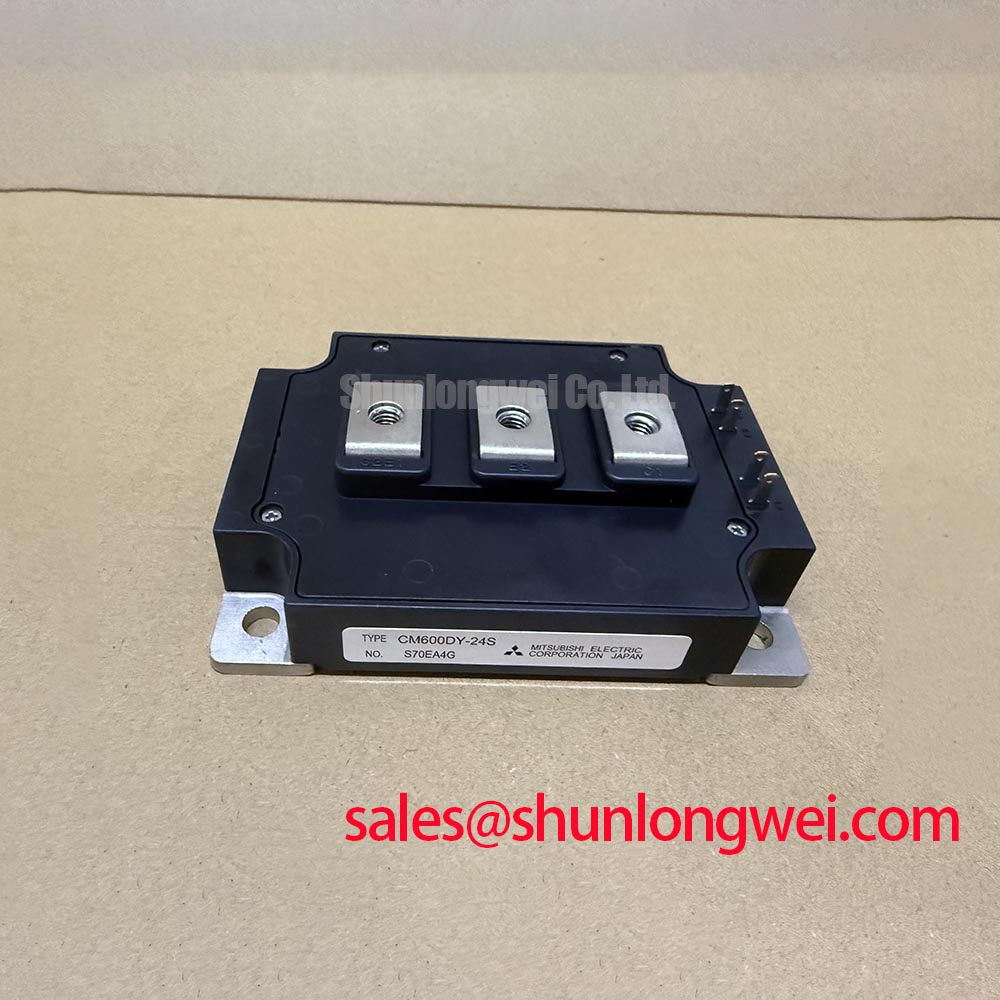
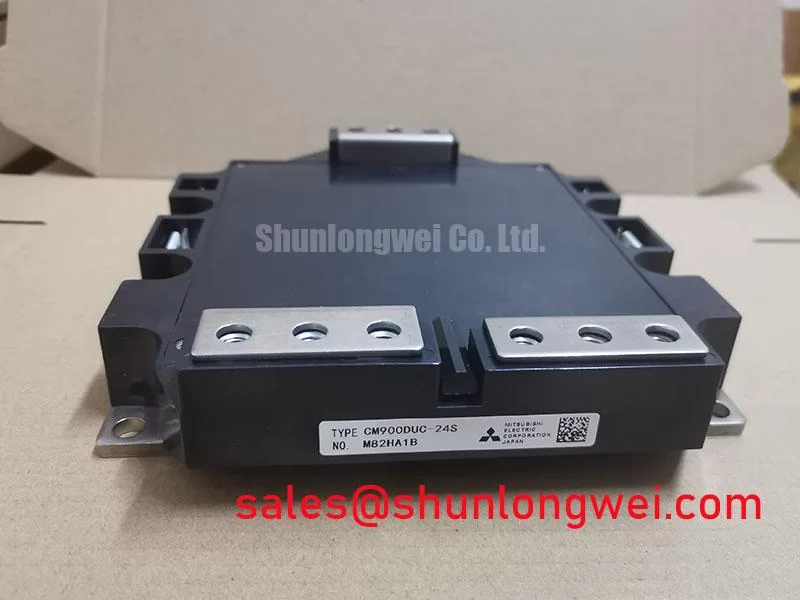
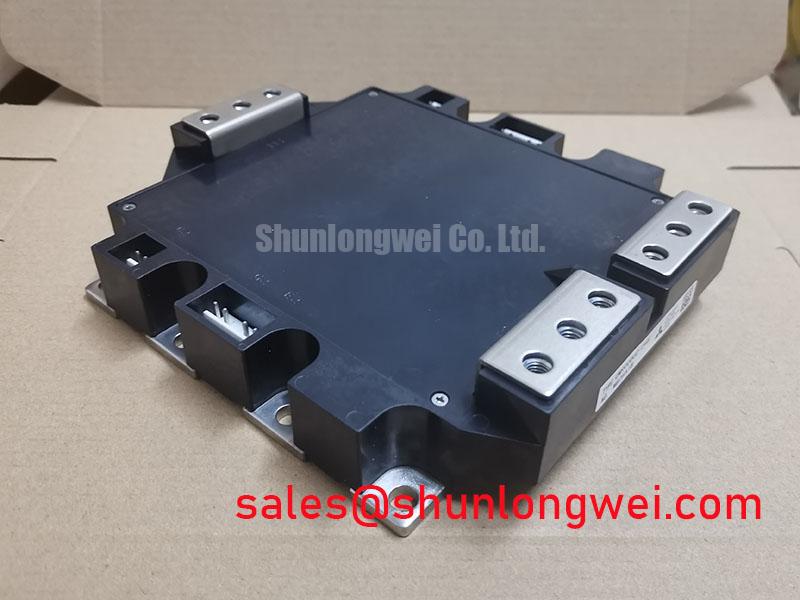
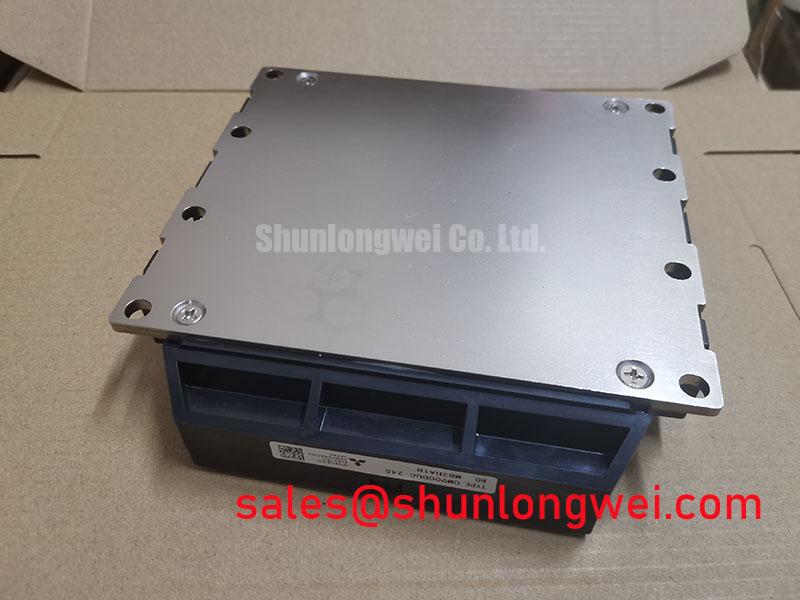
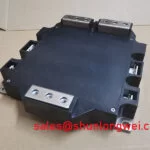
Mitsubishi CM900DUC-24S | 1200V 900A Dual IGBT with 175°C High-Temperature Capability
The Mitsubishi CM900DUC-24S is a high-power dual IGBT module engineered for applications where efficiency, power density, and unwavering reliability are not just desirable, but mission-critical. Leveraging Mitsubishi's advanced 7th Generation CSTBT™(III) silicon, this 1200V, 900A module sets a new benchmark for performance in the most demanding power conversion systems. It is specifically designed for engineers developing next-generation industrial drives, renewable energy inverters, and heavy-duty power supplies.
Technical Deep Dive: The Engineering Edge
The superior performance of the CM900DUC-24S is not accidental; it's the result of targeted technological innovation. Two features in particular stand out for system designers:
- 7th Generation CSTBT™(III) Technology: CSTBT™, or Carrier Stored Trench-Gate Bipolar Transistor, is a proprietary Mitsubishi 7th Gen IGBT technology. It introduces a carrier storage layer within the trench gate structure, which dramatically reduces the on-state voltage drop (Vce(sat)) without a significant trade-off in switching speed. For the engineer, this translates directly into lower conduction losses, meaning less heat generated, improved overall system efficiency, and the potential for a smaller thermal management system.
- 175°C Maximum Junction Temperature (Tjmax): While many standard IGBTs are limited to 150°C, the CM900DUC-24S is rated for a continuous operating junction temperature of 175°C. This 25°C headroom is a critical advantage. It provides a substantial thermal safety margin, enhances the module's power cycling capability for applications with fluctuating loads, and allows for higher power density. This robust thermal performance enables more compact and cost-effective designs.
Application Scenarios & Real-World Value
The technical advantages of the Mitsubishi CM900DUC-24S translate into tangible benefits across several high-power applications:
- High-Power Industrial Motor Drives: In large-scale VFDs and servo drives, the module's low Vce(sat) minimizes energy waste, directly lowering operational costs. The high Tjmax ensures reliability under heavy overload conditions, such as motor startup or dynamic braking, preventing premature system failure.
- Renewable Energy Inverters: For utility-scale solar and wind power converters, efficiency is paramount. The CM900DUC-24S's low-loss characteristics maximize the energy harvested and delivered to the grid. Its high-temperature tolerance makes it ideal for the harsh, often uncontrolled, environments where these systems are deployed.
- Uninterruptible Power Supplies (UPS): In data centers and critical infrastructure, the reliability offered by the enhanced thermal envelope and proven CSTBT™ technology ensures that backup power is available without fail. The module’s high current rating can support multi-megawatt UPS systems.
Key Parameter Overview
For engineers, precise data is crucial. The following table highlights the critical specifications of the CM900DUC-24S. For a comprehensive breakdown, you can download the full datasheet here.
| Parameter | Value |
|---|---|
| Collector-Emitter Voltage (VCES) | 1200 V |
| Collector Current (IC) @ Tc=80°C | 900 A |
| Collector-Emitter Saturation Voltage (VCE(sat)) (Typ @ Ic=900A, Tj=125°C) | 1.85 V |
| Maximum Junction Temperature (Tjmax) | 175 °C |
| Total Power Dissipation (Pc) @ Tc=25°C | 4800 W |
| FWD Forward Voltage (VEC) (Typ @ Ie=900A, Tj=125°C) | 1.65 V |
| Package Type | Standard High Power Module |
Frequently Asked Questions (FAQ)
Our engineers often receive questions about implementing high-performance IGBT modules like this one. Here are a couple of common points:
- How does the 175°C Tjmax impact the gate drive design?
While the core gate drive voltage (+15V/-10V recommended) remains standard, the extended thermal range necessitates careful layout and component selection. The gate driver circuit must be physically placed and designed to withstand the higher ambient temperatures near the module. Using a Kelvin emitter connection is highly recommended to minimize the effect of stray inductance in the emitter path, ensuring clean and reliable switching, especially at elevated temperatures. - Can the CM900DUC-24S be paralleled for higher current applications?
Yes, this module is well-suited for paralleling. Its positive temperature coefficient of VCE(sat) helps to ensure thermal balancing between paralleled modules. However, successful paralleling requires meticulous attention to both the mechanical layout (symmetrical busbars to ensure equal current sharing) and the gate drive design (separate gate resistors for each module to prevent oscillations). For detailed guidance, it is essential to consult the manufacturer's application notes on IGBT paralleling.