


Content last revised on September 10, 2026
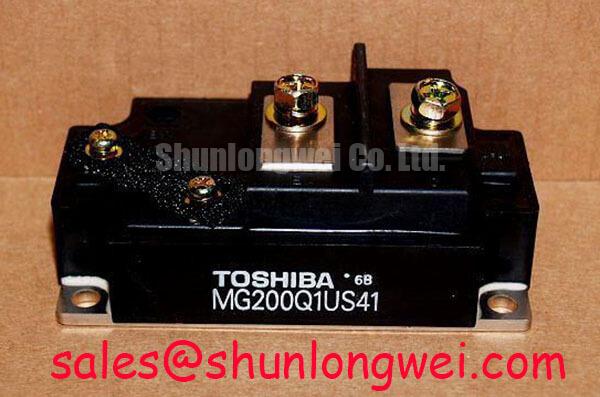
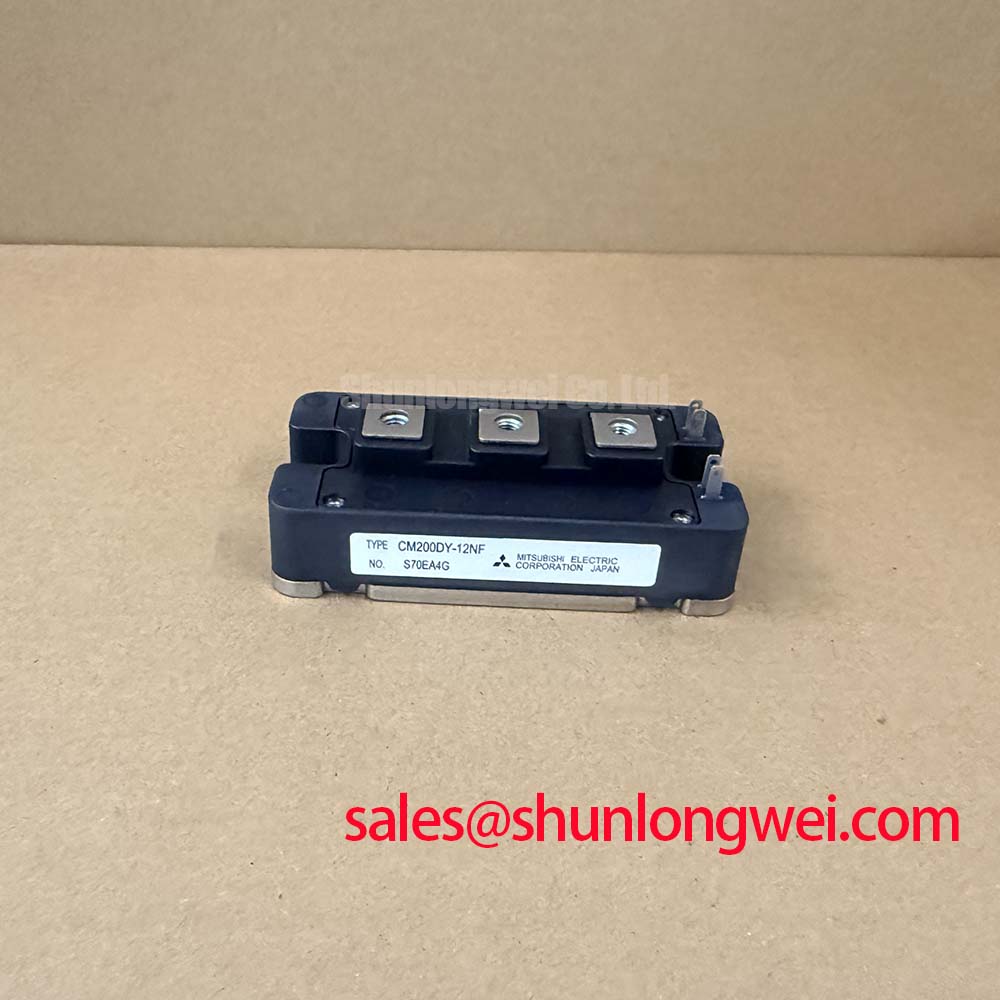
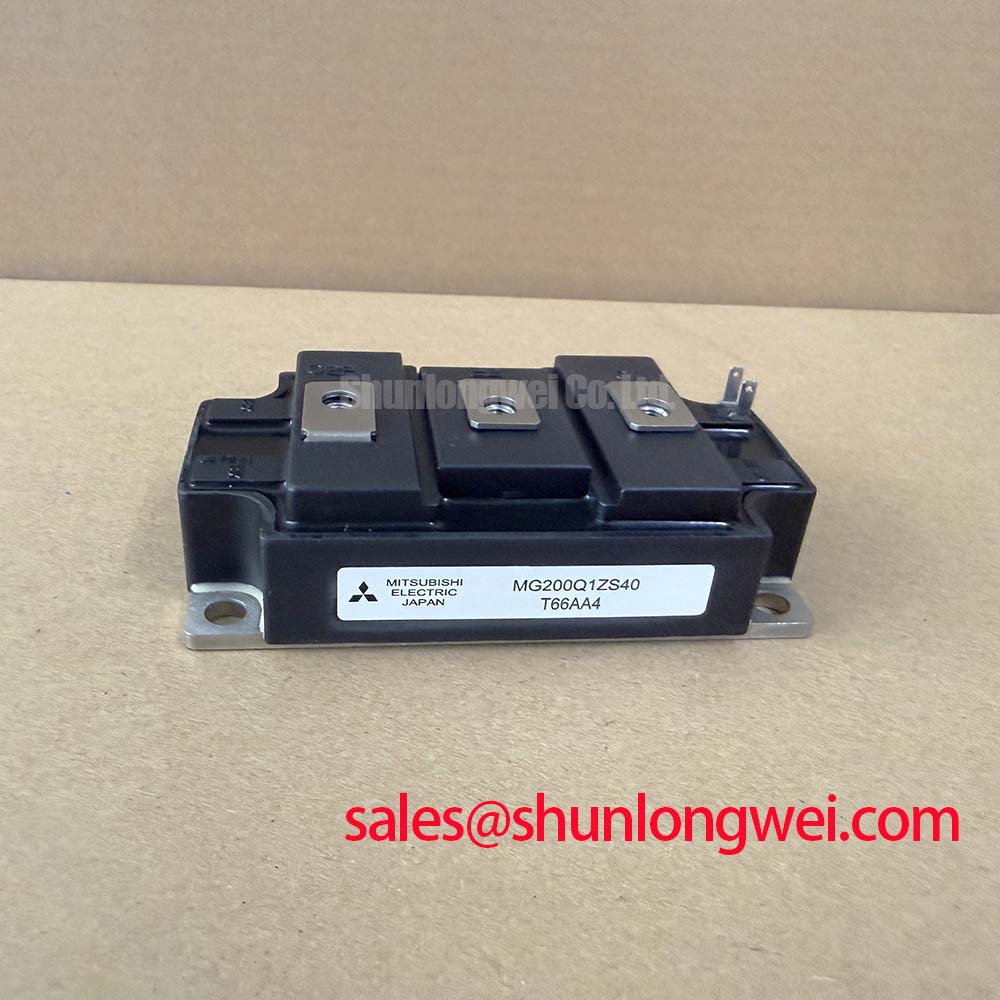
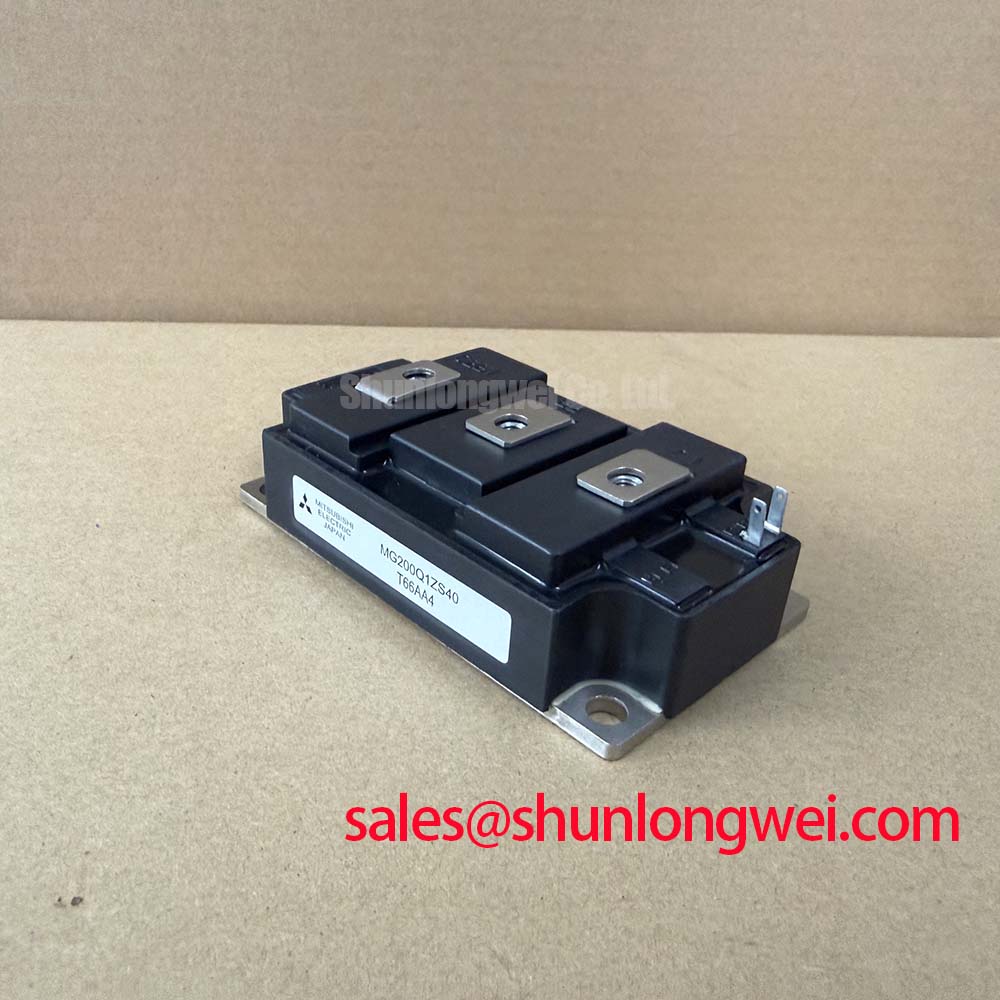
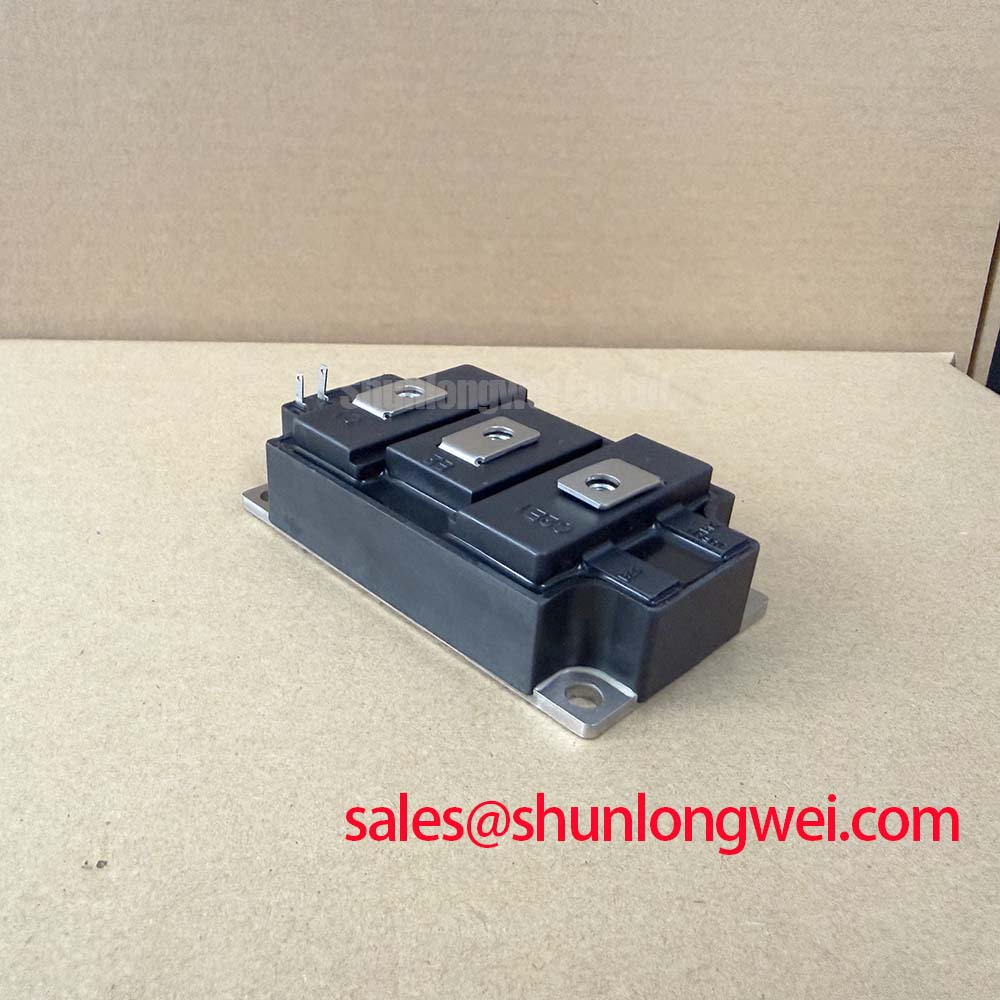
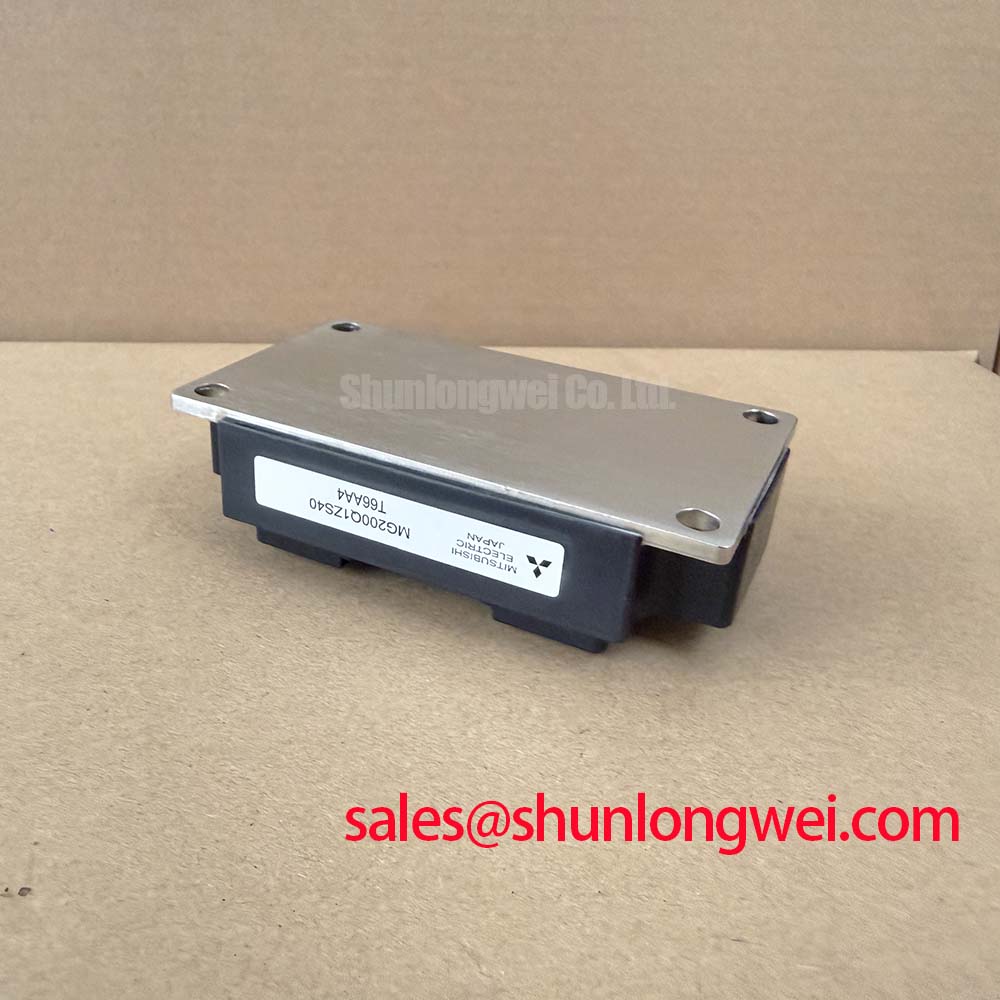
Toshiba MG200Q1ZS40 IGBT Module: Engineered for High-Speed Switching and Thermal Precision
The Toshiba MG200Q1ZS40 is a high-performance N-channel enhancement mode IGBT Module designed to bridge the gap between high-power density and switching efficiency in industrial environments. Featuring a collector-emitter voltage of 1200V and a continuous collector current of 200A, this module is optimized for high-speed switching applications where traditional bipolar devices fall short. It delivers low saturation voltage and superior thermal management, ensuring system longevity under continuous load. Does the gate drive requirement for this module allow for simplified circuit design? Yes, its N-channel enhancement mode structure simplifies interfacing with standard gate drivers while maintaining robust noise immunity. For systems prioritizing reduced switching losses in high-frequency converters, the MG200Q1ZS40 represents a technically sound choice for OEM engineers and system architects.
Key Parameter Overview
Decoding the Specs for Enhanced Thermal Reliability
The engineering value of the MG200Q1ZS40 is best understood through its technical boundaries. The module integrates a high-speed, fast-recovery freewheeling diode, which is critical for inductive load switching. Below are the primary specifications derived from official technical documentation.
| Parameter Symbol | Technical Specification | Engineering Significance |
|---|---|---|
| VCES | 1200V | Provides sufficient voltage margin for 480V and 600V AC line applications. |
| IC | 200A | Continuous current handling capability at Tc=25°C for high-torque motor drives. |
| VCE(sat) | 2.7V (Typical) | Low conduction losses, significantly improving overall system efficiency. |
| tf (Fall Time) | 0.3µs (Typical) | High-speed switching capability reduces Eoff losses in high-frequency PWM stages. |
| PC (Power Dissipation) | 1100W | Substantial total power dissipation capacity facilitated by the isolated copper baseplate. |
Download the MG200Q1ZS40 datasheet for detailed specifications and performance curves.
Application Scenarios & Value
Achieving System-Level Benefits in High-Frequency Power Conversion
For industrial drives prioritizing thermal margin, this 1200V module is the optimal choice. Engineers often face the challenge of managing "switching ringing" and EMI in compact inverter housings. The Toshiba MG200Q1ZS40 addresses this through its optimized internal layout which minimizes parasitic inductance. In a typical Variable Frequency Drive (VFD) scenario, the module acts as the primary switching element, converting DC bus voltage into variable AC. When dealing with motor startup inrush currents in heavy machinery—such as industrial conveyor systems—the 200A rating ensures the module operates well within its Safe Operating Area, preventing latch-up failures during peak torque demands.
In high-power UPS (Uninterruptible Power Supply) systems, the transition speed of the IGBT is paramount. The typical fall time of 0.3µs allows designers to increase the carrier frequency, thereby reducing the size and weight of output filters. For systems requiring a different voltage profile, such as 600V architectures, the 2MBI200VA-060 offers a comparable current rating at a lower voltage threshold. Conversely, for full-bridge topologies requiring integrated dual-switches, the CM200DY-24H serves as a frequent benchmark for comparison in 1200V applications. By utilizing the MG200Q1ZS40, engineers can effectively implement sophisticated Gate Drive strategies that leverage the module's predictable switching characteristics to meet IEC 61800-3 EMC standards.
Technical & Design Deep Dive
Switching Dynamics and the Fast Recovery Diode Integration
The MG200Q1ZS40 utilizes a specialized G-series structure that emphasizes a balance between VCE(sat) and switching speed. A critical design element is the integrated Fast Recovery Diode (FRD). In power electronics, switching off an inductive load is like trying to stop a high-speed train instantly; the energy must go somewhere. The FRD provides a low-impedance path for this "flyback" current, protecting the IGBT from overvoltage transients. This internal integration is far more efficient than using external discrete diodes, as it minimizes the loop area and reduces stray inductance that would otherwise cause catastrophic voltage spikes.
From a Thermal Management perspective, the module's Thermal Resistance from junction to case is minimized through a high-conductivity ceramic isolation layer. Think of this isolation as a thermal highway; it allows heat generated at the silicon junction to reach the heatsink with minimal resistance, keeping the junction temperature Tj well below its maximum limit. This reliability is vital for Welding Power Supply applications, where rapid thermal cycling is the norm. For a deeper understanding of these internal physics, engineers may find our resource on deconstructing the IGBT structure particularly useful for optimizing cooling solutions.
FAQ
How does the VCE(sat) of the MG200Q1ZS40 affect the total cost of ownership (TCO) in long-term industrial deployments?
A lower VCE(sat), like the 2.7V typical of this module, directly translates to lower conduction losses. Over a 10-year operational lifespan in a 24/7 factory environment, these energy savings can significantly reduce TCO by lowering both electricity costs and the cooling requirements of the control cabinet.
Is a negative gate voltage required for turning off the MG200Q1ZS40 reliably?
While the Toshiba MG200Q1ZS40 is an enhancement mode device that can be turned off with 0V, applying a Negative Gate Voltage (typically -5V to -15V) is strongly recommended in high-power applications. This provides a "hard" turn-off that prevents parasitic turn-on caused by the Miller effect during high dv/dt transitions.
What is the primary benefit of the module's isolated package in multi-phase inverter designs?
The isolated copper baseplate allows multiple modules to be mounted on a single Thermal Management heatsink without the risk of electrical shorting. This integration significantly increases power density and simplifies the mechanical assembly of three-phase motor controllers.
How does the 1100W power dissipation rating impact the choice of heatsink and airflow?
The 1100W rating is a theoretical maximum. In practical design, engineers use the Thermal Resistance coefficient to calculate the necessary heatsink size. This high dissipation capacity means the MG200Q1ZS40 can handle significant surge loads, provided the thermal interface material and forced-air or liquid cooling are sized to keep the case temperature within Toshiba's specified limits.
Selecting the right IGBT Module requires a balance of electrical performance and long-term thermal stability. As industrial systems move toward higher efficiency standards, the data-backed reliability of the Toshiba MG200Q1ZS40 provides a stable foundation for next-generation power conversion designs. For more information on component selection strategies, visit our guide on IGBT selection for high-frequency designs.