
Content last revised on September 10, 2026
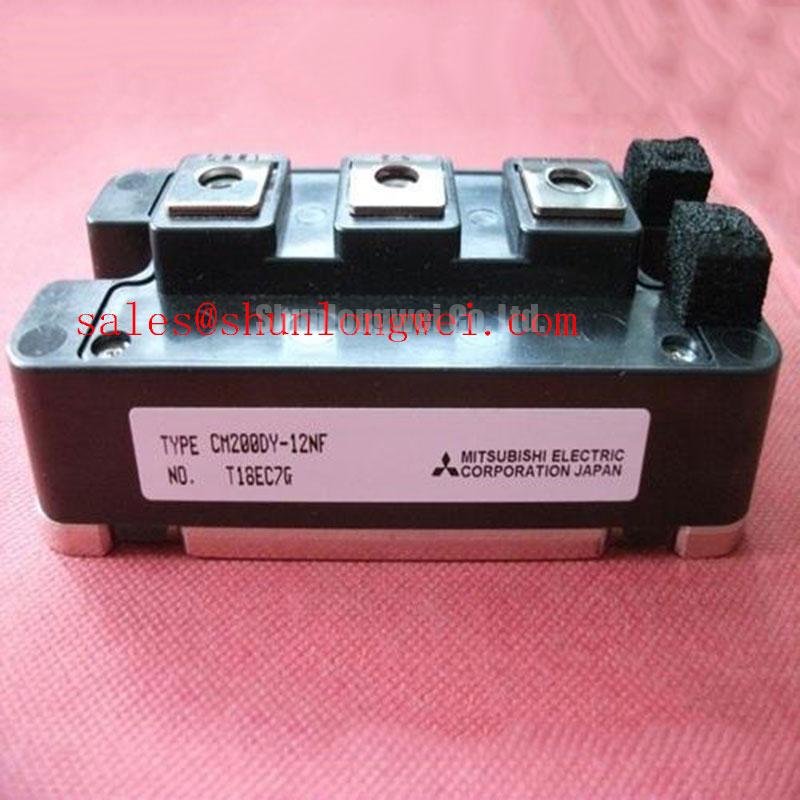
CM200DY-12NF Dual IGBT Module: Enhancing Heat Dissipation in 600V Topologies
How do you achieve maximum power density in 600V systems without compromising on thermal margins?
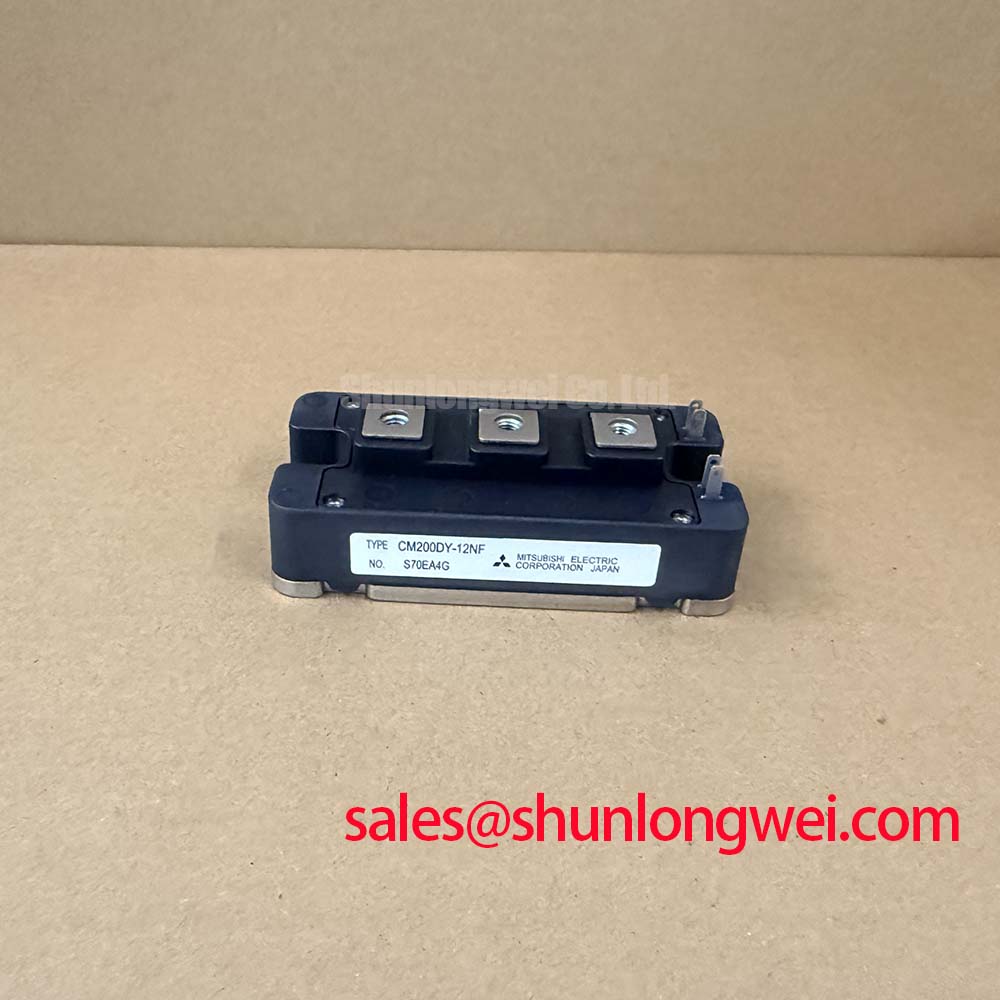
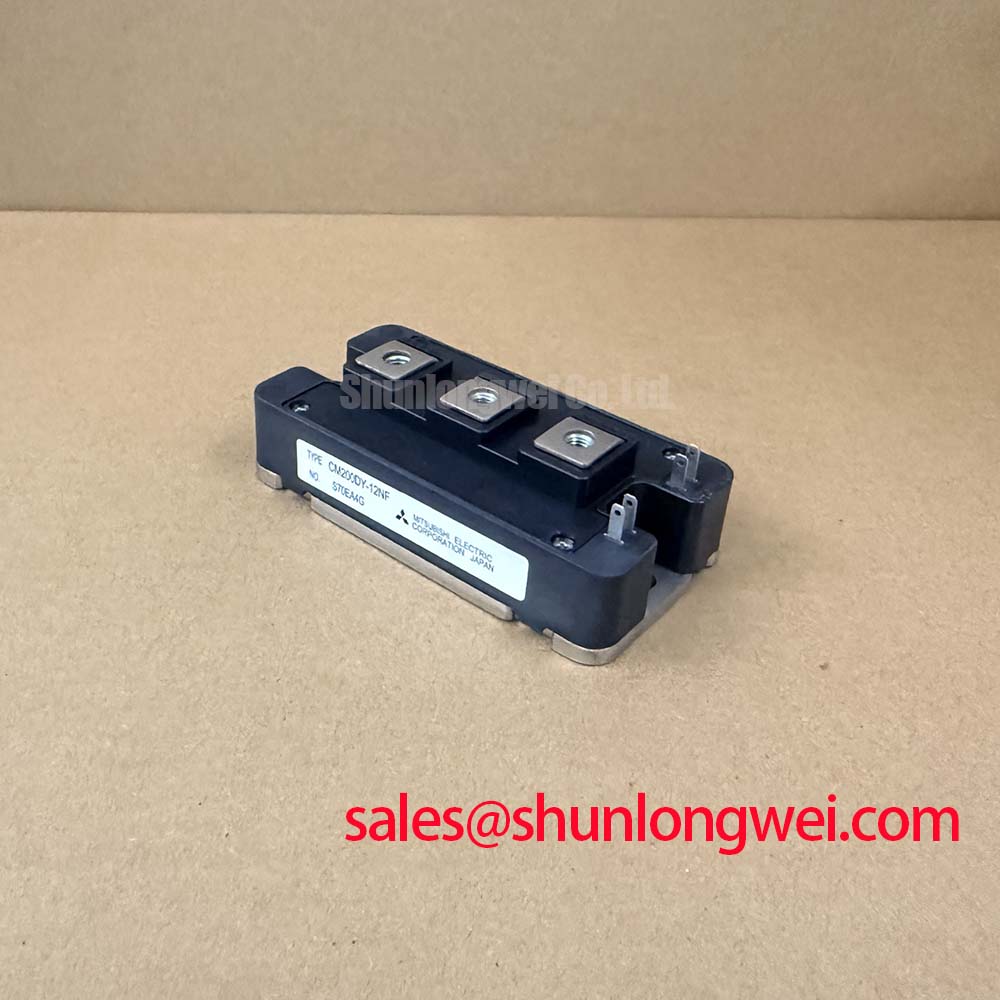
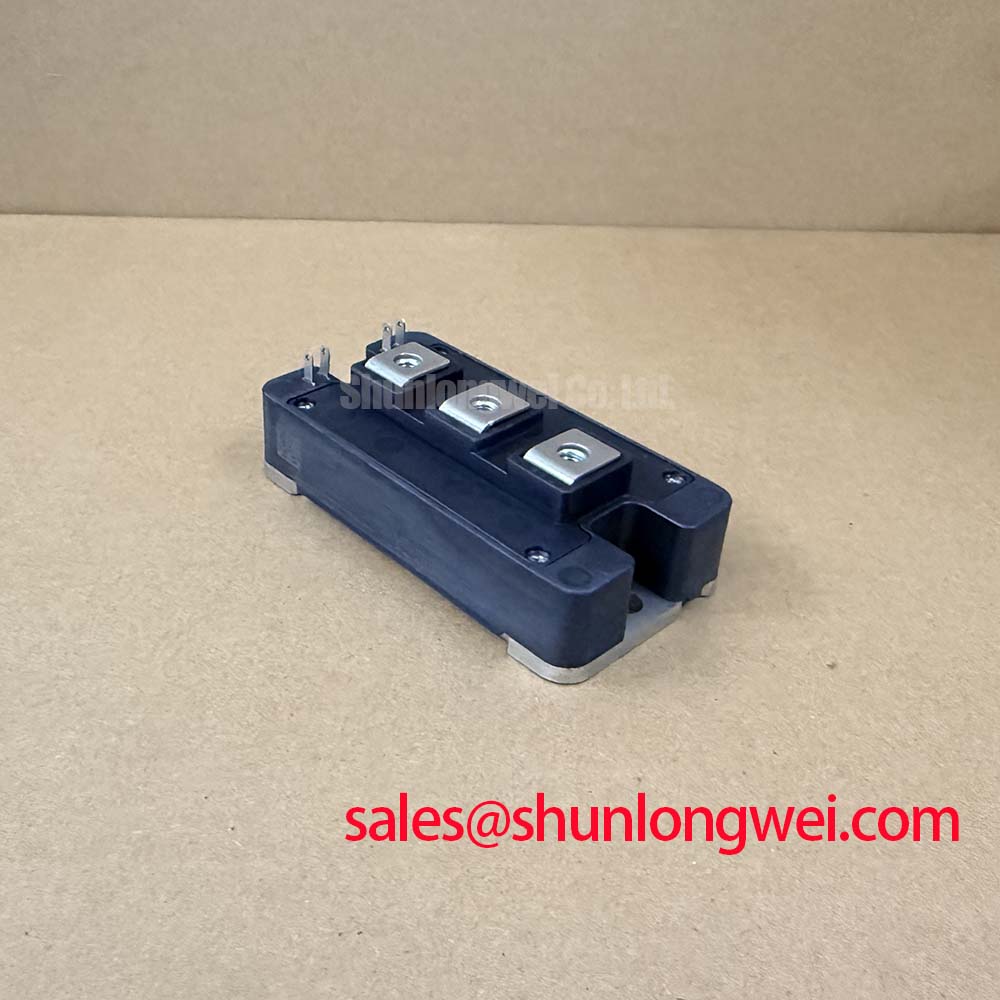
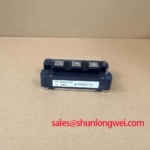
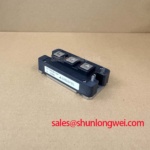
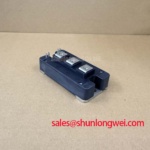
The CM200DY-12NF is a dual-switch module offering optimized thermal impedance and high power density for 600V industrial topologies.
Key Specifications:
- 600V | 200A | Rth(j-c) 0.19 °C/W
Key Benefits:
- Lower saturation voltage reduces conduction losses.
- High isolation simplifies thermal mounting.
This module answers the need for reliable surge protection in industrial settings by supporting peak collector currents up to 400A.
Frequently Asked Questions
Resolving Thermal and Electrical Engineering Inquiries
How does the thermal resistance of 0.19 °C/W affect heatsink design?
The low thermal resistance of 0.19 °C/W allows rapid heat transfer from junction to case. This decreases the required footprint of the external heatsink. It ensures the junction temperature remains below the 150°C limit under continuous load.
What is the significance of the 2500Vrms isolation voltage?
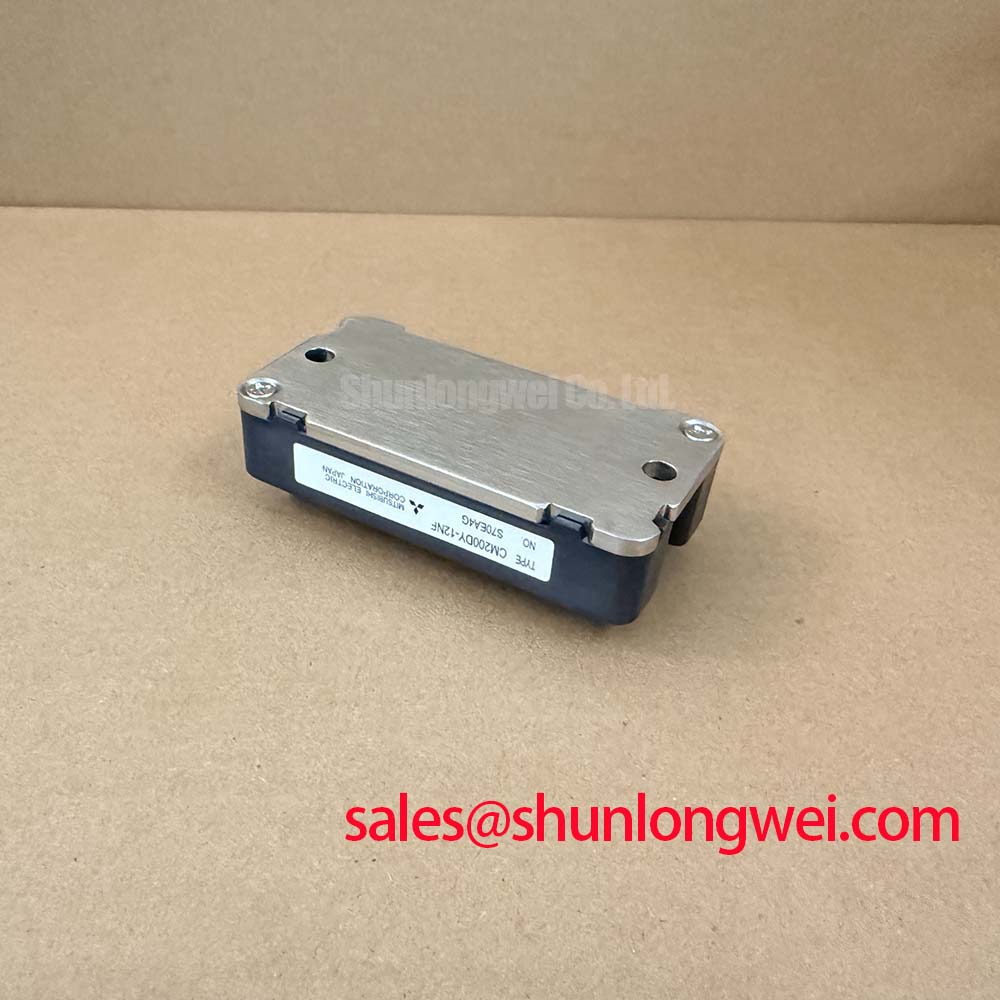
The baseplate of the CM200DY-12NF is insulated up to 2500Vrms AC for one minute. This high isolation voltage eliminates the need for external insulating barriers. It simplifies mounting on a single heatsink.
What is the gate-emitter threshold voltage range?
The gate-emitter threshold voltage VGE(th) is between 5V and 7V. This threshold provides high noise immunity. It prevents accidental parasitic turn-on in noisy industrial environments.
How do switching characteristics vary with gate resistance?
An external gate resistance of 3.1Ω to 31Ω can optimize switching times. This range allows you to balance turn-off losses against electromagnetic interference.
Key Parameter Overview
Thermal and Electrical Specifications at a Glance
| Parameter Symbol | Key Specification Description | Rated Value (Limits) |
|---|---|---|
| VCES | Collector-Emitter Voltage (G-E Short) | 600V |
| IC | Continuous Collector Current (TC = 25°C) | 200A |
| VCE(sat) | Collector-Emitter Saturation Voltage (IC = 200A, Tj = 25°C) | 1.7V (Typical) / 2.2V (Max) |
| PC | Maximum Collector Dissipation (TC = 25°C) | 650W |
| Viso | Isolation Voltage (AC 1 Minute) | 2500V |
| Tj | Operating Junction Temperature Range | -40°C to +150°C |
Download the CM200DY-12NF datasheet for detailed specifications and performance curves.
Technical & Design Deep Dive
Analysis of Heat Dissipation and Switch Efficiency
To prevent electrical failures under high electrical stress, designers must monitor gate charge and threshold dynamics. The CM200DY-12NF features a gate threshold voltage of 6V typical. This threshold acts like a mechanical latch that requires a firm push to open. It prevents minor voltage fluctuations or electromagnetic interference from triggering an accidental switch-on. What is the primary benefit of the trench gate? It lowers saturation voltage to minimize conduction losses.
Conduction losses are governed by the collector-emitter saturation voltage VCE(sat). In this module, the value is kept at 1.7V. Lower saturation voltage translates directly to reduced thermal loading on the module's copper baseplate. The junction-to-case thermal resistance Rth(j-c) is rated at 0.19 °C/W. To visualize this, think of thermal resistance as a highway lane. A lower value provides more lanes for thermal energy to escape quickly. You can explore more on diagnostics in this IGBT testing and reliability resource.
What is the function of the isolated baseplate? It isolates electrical components from the heatsink for safe installation. This module features a 2500Vrms isolation rating. All internal semiconductor dies are electrically isolated from the copper baseplate. This layout allows engineers to mount multiple power modules on a shared heatsink. This structure optimizes layout density in high-frequency applications like induction heating where space is limited.
Application Scenarios & Value
System-Level Efficiency in Motor Drives and Power Systems
For 600V motor drives requiring minimal thermal resistance, the 200A continuous collector current of this dual module provides the best system-level margin. Consider an engineer designing an industrial conveyor drive system. Motor starting currents create high switch surges. The CM200DY-12NF handles these start-up spikes up to its peak current rating of 400A. This surge capability prevents collector-emitter breakdown and avoids unscheduled system downtime. It integrates into three-phase inverter topologies to drive induction motors.
The module also functions efficiently in uninterruptible power supplies (UPS). In a UPS inverter stage, quick transition periods reduce total harmonic distortion. For systems that operate at lower power levels, the related CM150DY-12NF may be sufficient. Conversely, for designs demanding higher output, the related CM300DY-12NF offers increased current capability. You can gain more insights from this engineer's guide to IGBT modules.
By choosing robust, industry-standard dual IGBT designs from manufacturers like Mitsubishi, manufacturers can extend system lifecycle and ensure long-term availability in standard industrial platforms.