
Content last revised on October 29, 2026
DFA150CB160 Identification and Replacement Checks
- Isolate the supply, verify discharge of stored energy, and identify the AC and DC connections before disconnecting the rectifier.
- Record cold terminal measurements with parallel circuit paths isolated, comparing corresponding diode paths rather than applying an arbitrary pass threshold.
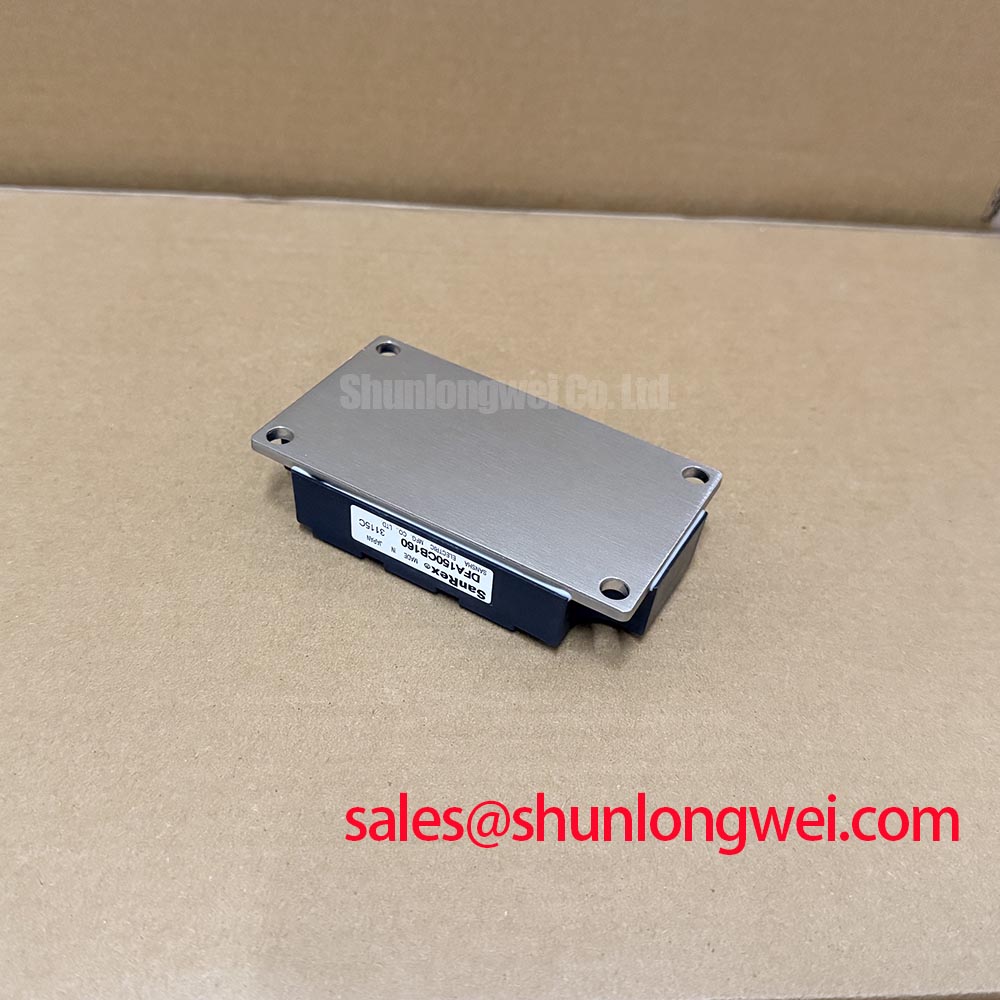
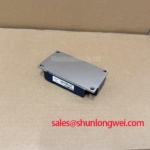
- Inspect the heatsink contact surface, thermal interface condition, terminal seating, and airflow path before installing the replacement module.
- Match the equipment schematic and mounting drawing to the complete DFA150CB160 part designation.
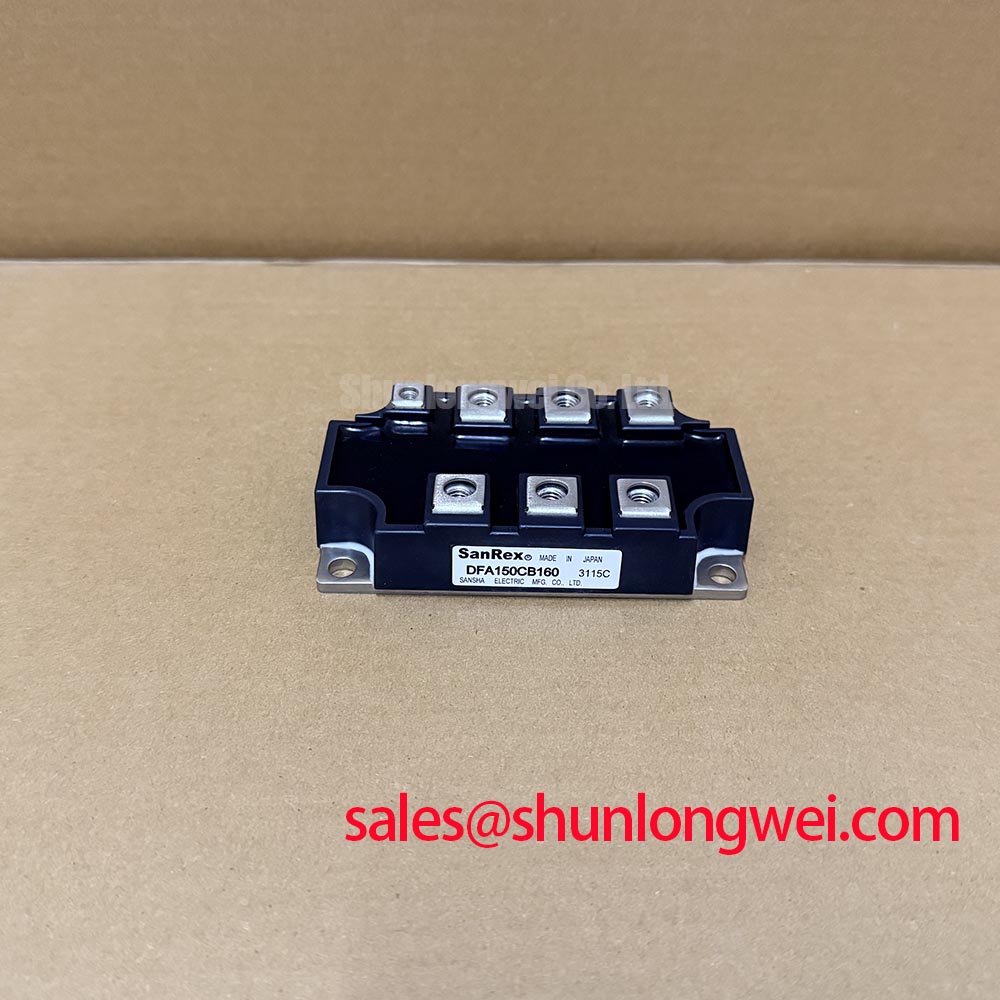
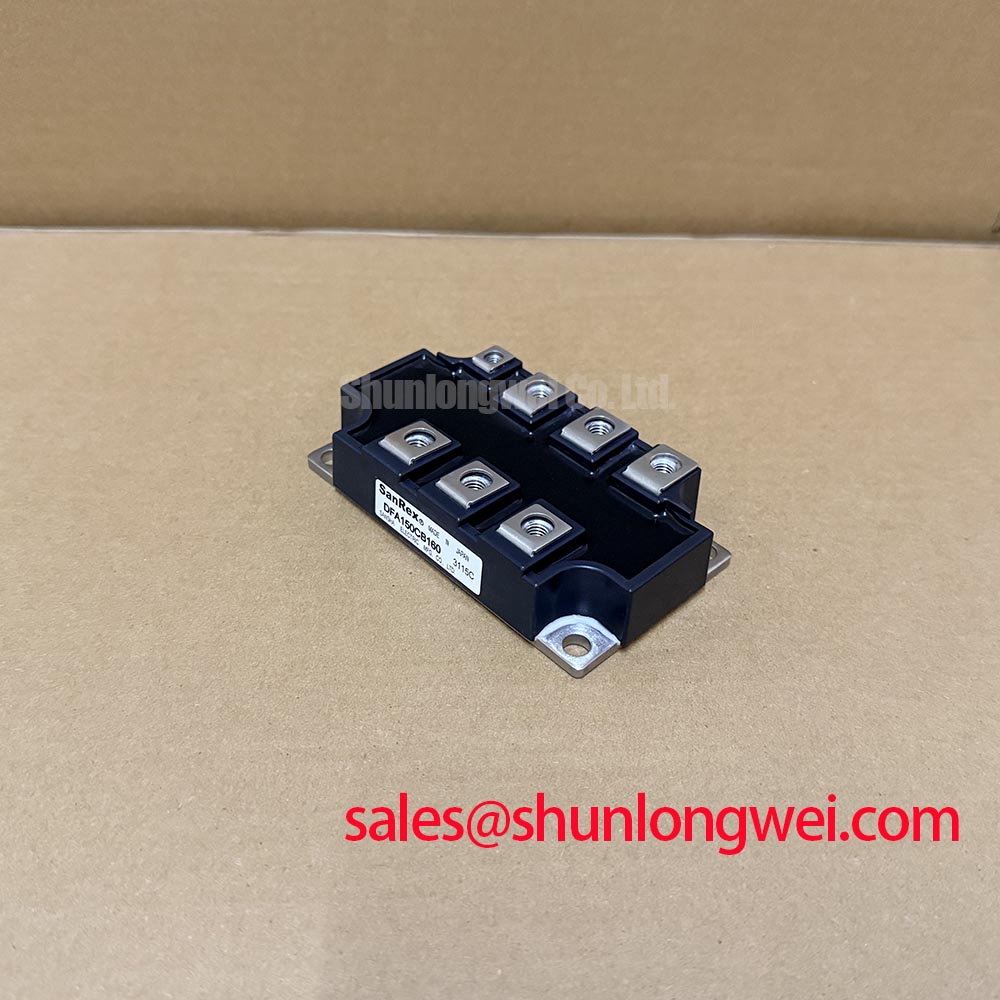
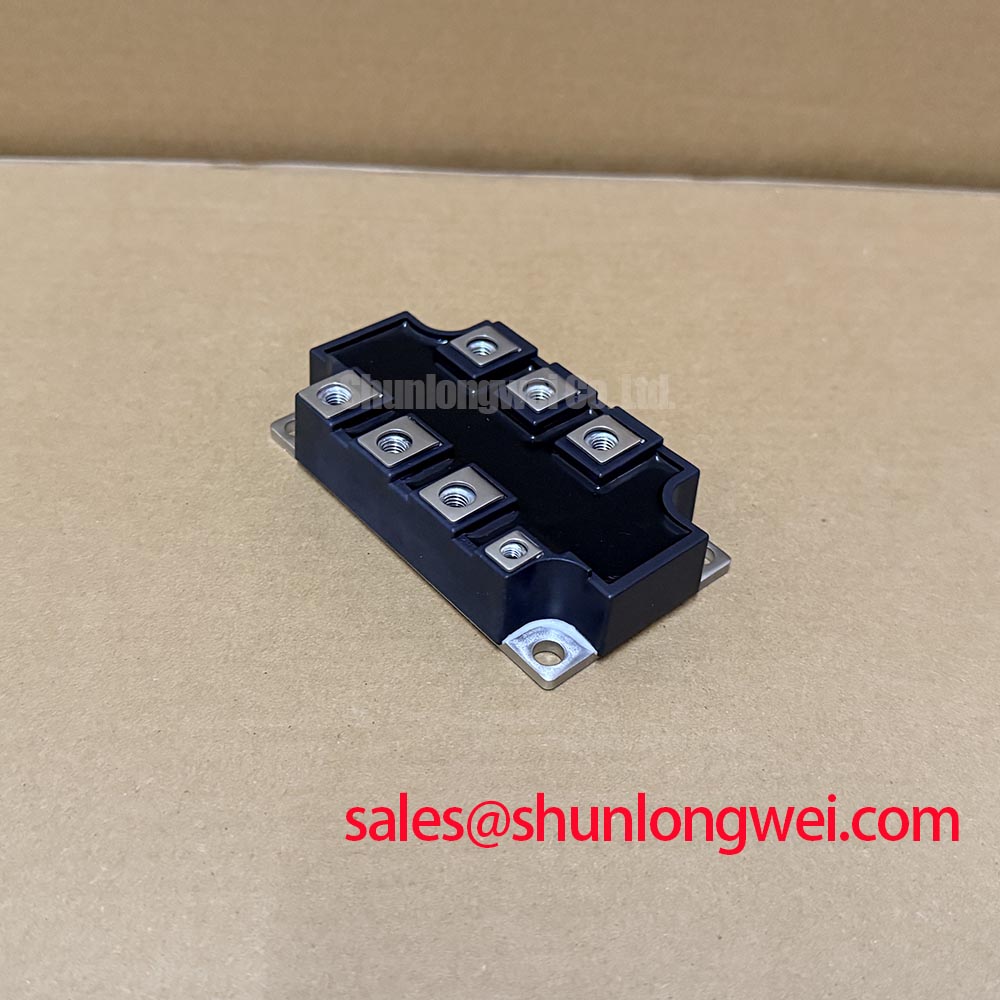
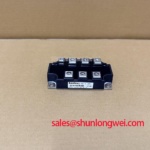
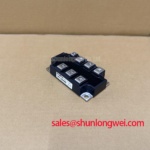
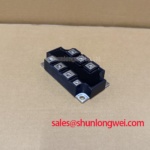
The DFA150CB160 from SanRex (Sansha Electric) is a Bridge Rectifier Module in a SanRex Power Module package. Maintenance planning should center on its rectifying function, terminal arrangement, protective coordination, and heat removal—not on switching controls belonging to a different semiconductor category.
| Identification item | Supplied product specification |
|---|---|
| Model | DFA150CB160 |
| Manufacturer | SanRex (Sansha Electric) |
| Category | Bridge Rectifier Module |
| Topology designation | Three-Phase Bridge |
| Package and series | SanRex Power Module; Standard series |
| Electrical ratings and assembly limits | Consult Datasheet for reverse voltage, average current, surge current, I²t, thermal resistance, terminal diagram, dimensions, and tightening torque. |
Transient Dynamics & Electrical Design: RC Snubber Evaluation for DFA150CB160
Locate the transient source before changing an existing snubber across the rectifier circuit. As a Design Consideration, correlate voltage ringing with commutation, contactor operation, and load transitions using appropriately rated differential instrumentation. Probe placement matters: an unnecessarily large measurement loop can introduce ringing that does not represent the voltage at the module terminals.
For a diode rectifier, thyristor-style spurious gate turn-on is not the relevant mechanism. Reverse recovery and circuit inductance are the appropriate subjects when investigating commutation transients. RC damping should be evaluated against measured ringing, resistor dissipation, capacitor pulse duty, and operating temperature. A series saturable reactor is a system-level option, not an established requirement for this product; its effects on losses and commutation require circuit-specific assessment.
Protective coordination also requires more than matching a fuse current label. As an Engineering Recommendation, compare fuse total clearing I²t and peak let-through current with the semiconductor limits under compatible fault conditions. Keep a coordination record alongside the terminal drawing and manufacturer tightening instructions. Discolored connections warrant inspection of contact surfaces and conductor support before retightening; torque alone does not establish electrical contact quality.
Preventing Troubleshooting Errors: Distinguishing DFA150CB160 from Gate-Controlled Devices
Separate rectifier connections from controlled-switch connections on the equipment schematic before investigating firing pulses. The supplied product identity is a bridge rectifier, so gate pulse rise time, back-porch current, and pulse-train timing must not be assigned to the DFA150CB160. Applying thyristor firing criteria would misdirect troubleshooting and could obscure a connection or supply problem.
Where the surrounding converter contains actively controlled switches, their driver checks belong to those switches. The Precision Gate Drive Design guide provides related system-level context, rather than gate specifications for this rectifier. Likewise, a separate device such as PDMB75E6 should be assessed against its own circuit role and documentation, not assumed to share this module’s connections or operating requirements.
For replacement assessment, compare terminal function, mounting geometry, electrical limits, and thermal conditions individually. A comparison involving KD324510 does not establish direct interchangeability. Procurement records should preserve the exact requested designation and the equipment-specific acceptance criteria, particularly where busbars constrain terminal position or mechanical loading.
DFA150CB160 Thermal-Electrical Optimization: Input Current and Line Filter Practical Tuning
Measure input current waveform and rectifier temperature under representative load before adjusting line filtering. As a Design Consideration, an uncontrolled diode bridge has no commanded firing angle; its behavior depends on supply conditions, source impedance, and the connected DC circuit. Firing-angle transfer curves therefore should not be presented as characteristics of this module.
For compatibility assessment in a high-current green hydrogen electrolyzer DC power rectifier, engineers should evaluate load continuity, ripple, fault protection, and cooling within the complete converter. The TI current-sense amplifier and shunt-monitor resources offer context for measurement circuitry; sensor bandwidth, isolation arrangements, and placement remain system decisions. Filter changes should be checked for resonance and component heating rather than judged solely by a smoother current trace.
Maintenance intervals should follow observed contamination, operating duty, and equipment instructions. Inspect thermal interface deterioration during planned disassembly, and compare terminal temperature trends at similar loads. External insulating supports also require material-specific assessment: the PEEK materials reference describes that polymer, but does not identify the module’s construction.
Maintenance Note: Monitor connection temperature trends and keep cooling passages clear, with power isolated before cleaning or checking terminal tightness. After cold storage or a humid shutdown, inspect for condensation before energization and restore the enclosure’s intended environmental controls.