


Content last revised on September 10, 2026
DP40H1200T101728 | 1200V 40A Dual IGBT Module | Engineering Datasheet & Analysis
Introduction: Performance Under Pressure
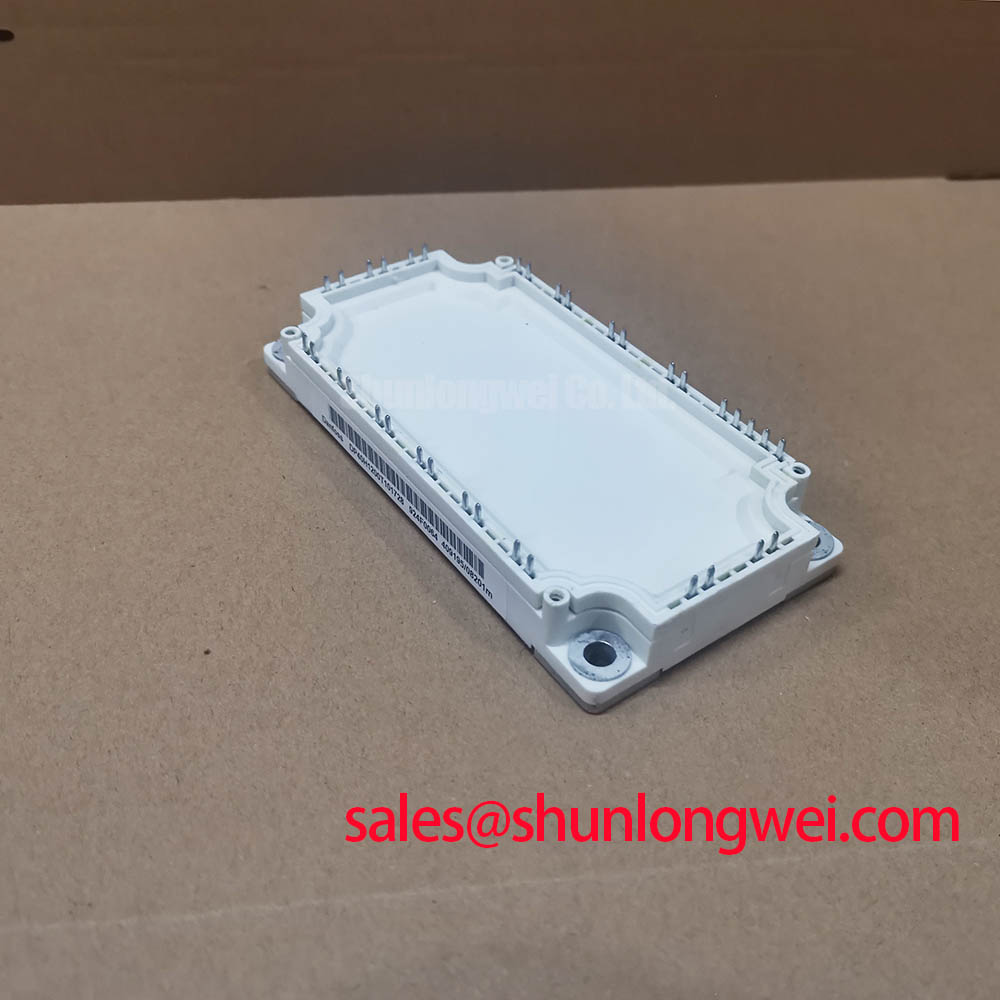
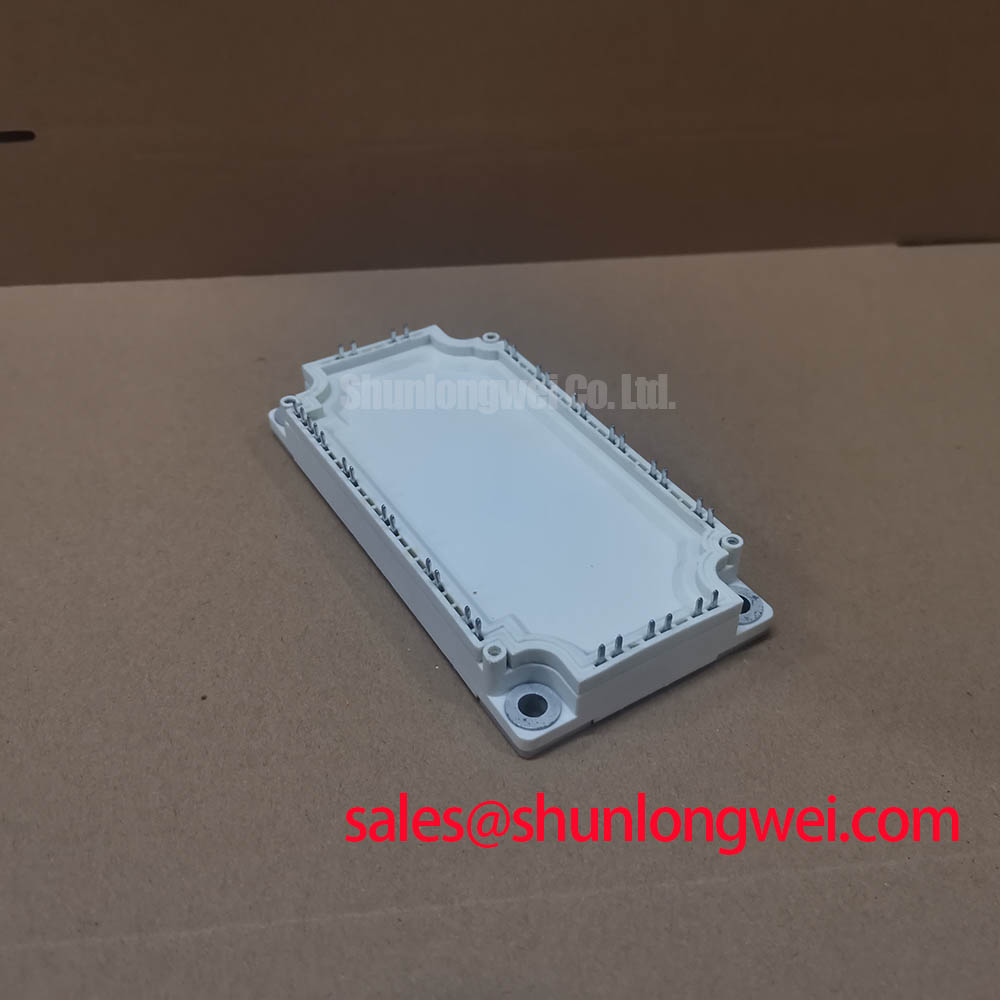
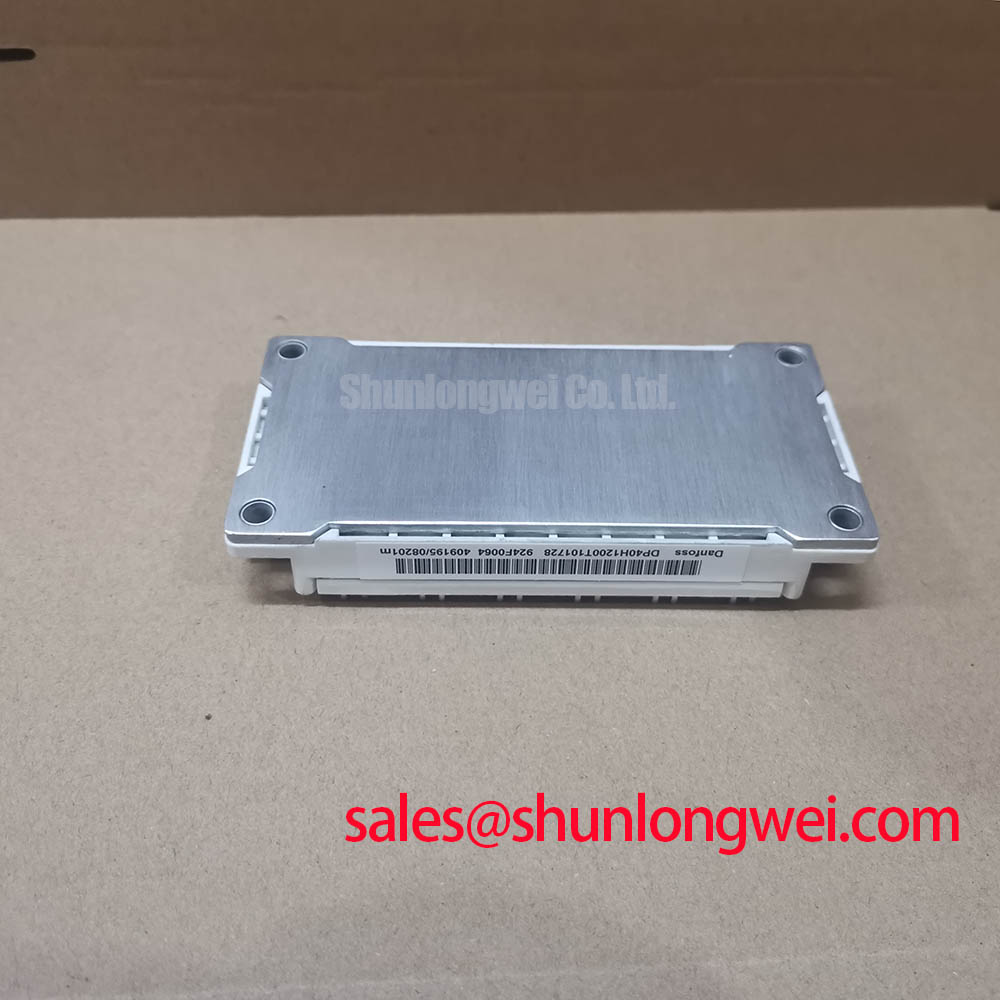
The DP40H1200T101728 is a high-performance dual IGBT module engineered for superior reliability and thermal efficiency in demanding power conversion systems. It integrates two IGBTs in a half-bridge configuration, providing a robust foundation for compact and efficient inverter designs. With key specifications of 1200V | 40A | Tj,op -55 to +175°C, this module delivers substantial performance headroom. Key engineering benefits include exceptional thermal stability and high current handling capability. This module addresses the critical engineering challenge of managing heat in power-dense applications by ensuring a wide safe operating area and high operational temperature limits. What is a primary benefit of its high operating junction temperature? It provides a greater safety margin against thermal overload in demanding applications. For industrial drives and power supplies where operational stability is paramount, the DP40H1200T101728's robust thermal design makes it a definitive choice.
Key Parameter Overview
Decoding the Specs for Enhanced System Reliability
The specifications of the DP40H1200T101728 are tailored for high-stakes power applications where both efficiency and durability are critical design criteria. A full understanding of these parameters is crucial for optimizing system performance and ensuring long-term reliability. For a comprehensive analysis, refer to the official product documentation.
| Parameter | Value | Engineering Significance |
|---|---|---|
| Collector-Emitter Voltage (Vces) | 1200V | Provides a substantial safety margin for applications operating on 400V to 575V AC lines, protecting against voltage transients common in industrial environments. |
| Continuous Collector Current (Ic) | 40A (at Tc=25°C) | This value indicates the module's capacity to handle significant continuous current, making it suitable for motor drives, UPS systems, and solar inverters in the 15-25 kW power range. |
| Peak Collector Current (Icp) | 80A (1ms pulse) | Represents the module's ability to withstand short-duration current surges, such as motor inrush currents or short-circuit conditions, which is a critical aspect of system robustness. |
| Operating Junction Temperature (Tj) | -55 to +175°C | An exceptionally wide operating temperature range signifies a robust design, allowing for reliable performance in harsh environmental conditions and providing a higher thermal headroom before derating is necessary. |
| Gate-Emitter Voltage (VGES) | ±20V | Defines the standard voltage levels required for the gate drive circuitry. This compatibility ensures straightforward integration with industry-standard gate driver ICs. |
Application Scenarios & Value
System-Level Benefits in Industrial Automation and Power Conversion
The DP40H1200T101728 is an optimal solution for a range of high-power applications where efficiency and reliability are non-negotiable. Its primary value is demonstrated in systems such as industrial Variable Frequency Drives (VFDs), uninterruptible power supplies (UPS), and renewable energy inverters. In a VFD controlling a 15 kW induction motor, for example, the engineer's primary challenge is managing the heat generated during the PWM switching cycle within a compact enclosure. The DP40H1200T101728's high operating junction temperature of 175°C provides a significant advantage, allowing the system to operate reliably at higher ambient temperatures or with a more cost-effective heatsink design. This directly translates to higher power density and a reduced total cost of ownership for the end equipment. What is the impact of a wide operating temperature range? It enhances system resilience and simplifies thermal design. While this model is ideal for 1200V applications, systems designed for lower voltage buses may consider alternatives such as the BSM50GP60, which is rated for 600V.
Frequently Asked Questions (FAQ)
Engineering Inquiries on Performance and Integration
What is the significance of the 1200V Vces rating for system design?
The 1200V rating provides the necessary voltage headroom to safely operate on industrial 380V/400V AC lines, accounting for DC bus overshoots caused by regenerative braking or inductive load switching. This robust specification is a cornerstone for designing reliable and fault-tolerant power stages.
How does the maximum junction temperature of 175°C impact thermal management strategy?
A higher Tj max gives engineers more flexibility. It can be leveraged to increase the power output for a given heatsink size, or to reduce the size and cost of the heatsink for a given power output. It fundamentally creates a larger thermal safety margin, improving the system's resilience to overload conditions or high ambient temperatures.
What type of gate driver is recommended for the DP40H1200T101728?
A gate driver capable of providing a stable +15V turn-on and a negative turn-off voltage (e.g., -5V to -15V) is recommended to ensure fast, clean switching and to prevent spurious turn-on events. The driver should also have sufficient peak current capability to charge and discharge the IGBT's gate capacitance effectively.
Can the DP40H1200T101728 be used in parallel to achieve higher current output?
While paralleling IGBT modules is a common practice, it requires careful design considerations to ensure balanced current sharing. This includes symmetrical PCB layouts, matched gate driver circuits, and potentially screening modules for Vce(sat) characteristics. A detailed analysis is covered in guides on IGBT paralleling.
Is this module suitable for high-frequency switching applications like welding?
With a peak current rating of 80A, this module can handle the pulsed power demands of welding applications. However, the trade-off between switching frequency and losses must be carefully evaluated. For optimal performance in high-frequency designs, a thorough review of the switching energy (Eon, Eoff) curves in the datasheet is essential.
Industry Insights & Strategic Advantage
Meeting the Demands for Higher Power Density and System Robustness
The industrial sector is continuously pushing for more compact and efficient power electronics. This trend drives the need for components that can handle more power in a smaller footprint without compromising reliability. The DP40H1200T101728 directly supports this objective. Its high operational temperature ceiling is not just a specification; it is an enabler for designing next-generation power converters that are smaller, lighter, and more resilient. For designers of systems compliant with standards like IEC 61800 for adjustable speed drives, having a component with built-in thermal resilience simplifies the path to achieving certification and delivering a product that withstands real-world industrial stresses.
Technical and Design Deep Dive
A Closer Look at the Foundation of Thermal Reliability
The exceptional reliability of the DP40H1200T101728, particularly under thermal stress, stems from its internal design and materials. The module's ability to operate up to 175°C is a testament to the quality of the silicon and the integrity of the packaging technology. A key parameter dictating thermal performance is the thermal resistance from junction to case (Rth(j-c)). While not explicitly stated in the summary data, a low Rth(j-c) is critical. Think of thermal resistance like the narrowness of a hallway for heat trying to escape. A lower thermal resistance value acts like a wider hallway, allowing heat to move away from the active silicon chip to the heatsink much more efficiently. This efficient heat transfer is fundamental to preventing the junction temperature from exceeding its maximum limit, thereby enhancing the module's operational lifespan and preventing premature failure, a core topic in mastering IGBT thermal management.
An Engineer's Perspective
From a design engineer's viewpoint, the DP40H1200T101728 provides a well-defined and robust building block for power stages. Its straightforward half-bridge configuration and standard voltage ratings simplify integration, while its high temperature tolerance provides confidence. This is not a component that requires excessive derating or an oversized thermal solution. Instead, it offers the performance margins necessary to build systems that are not only efficient on paper but are also dependable in the field, ultimately reducing long-term service and warranty costs.