




Content last revised on September 10, 2026
20-Pin/30-Pin Interface Timing, Logic Power Rail (3.3V/5.0V) & Pixel Clock Verification
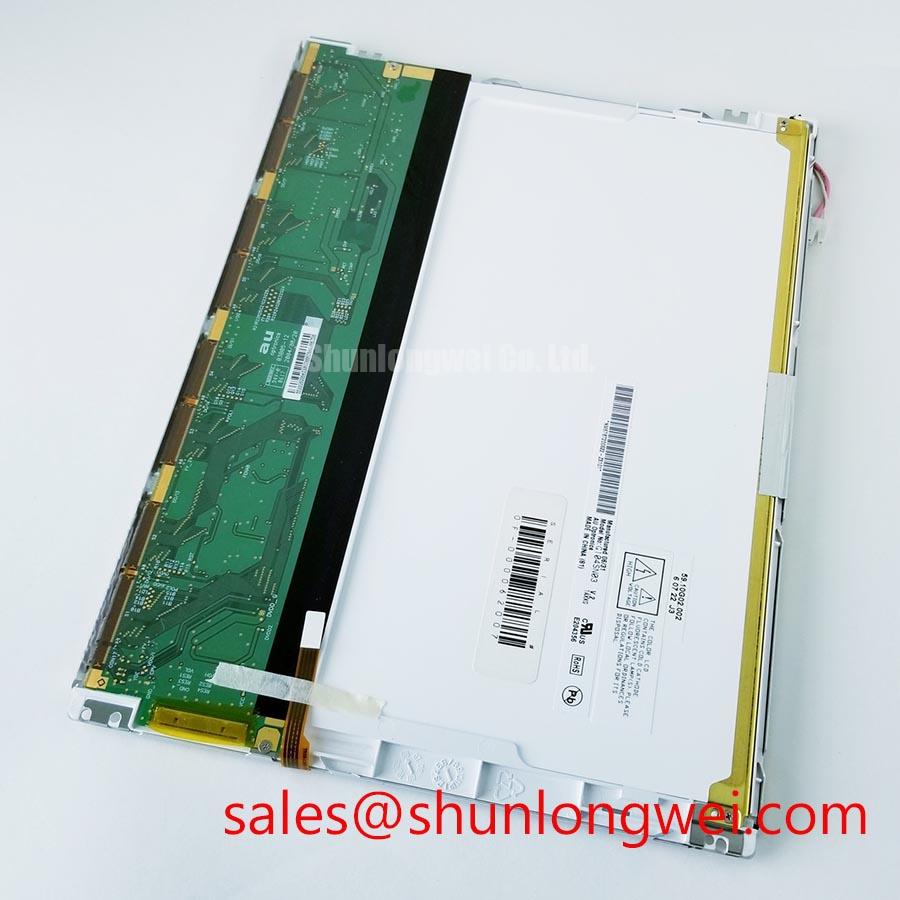
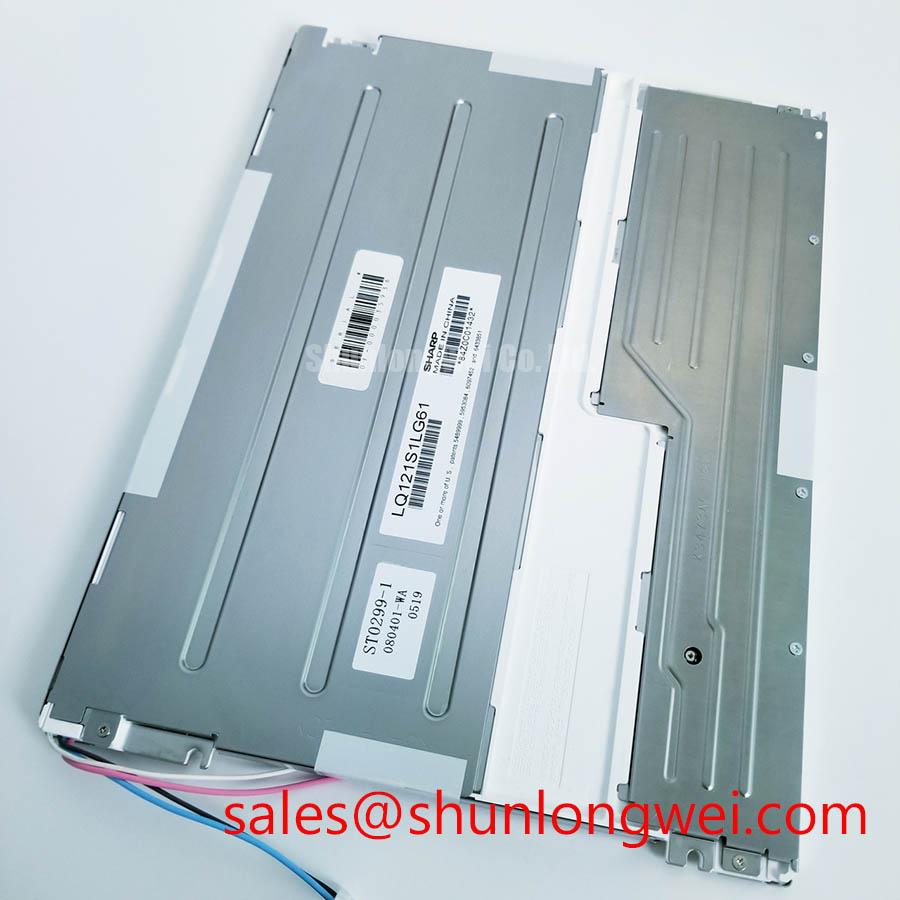
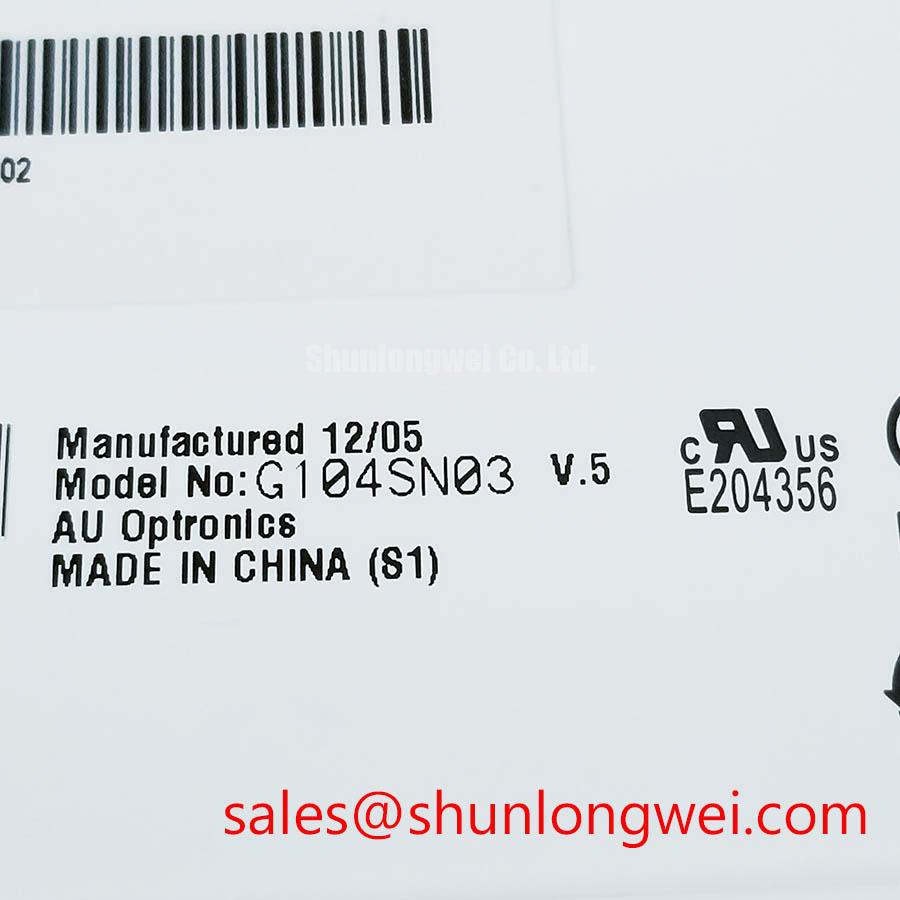
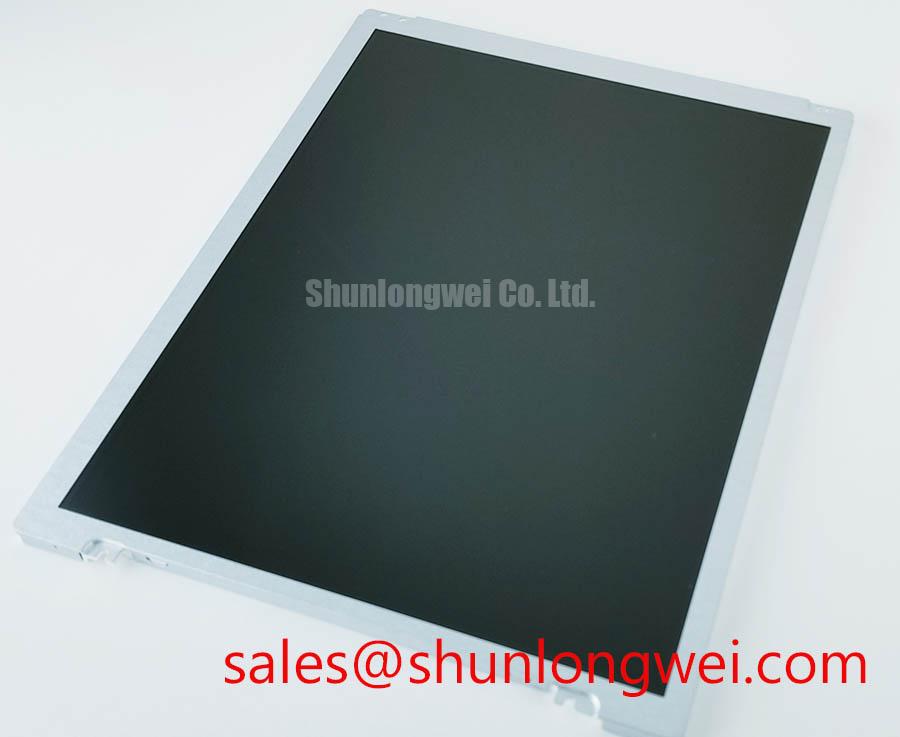
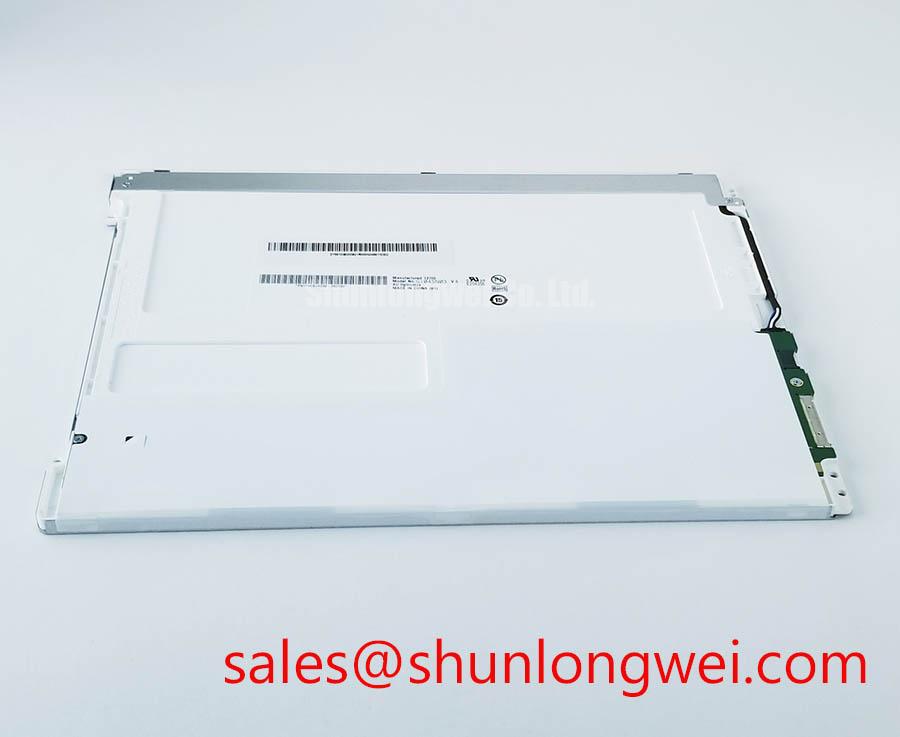
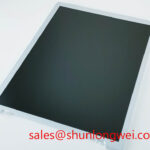
The G104SN03 V5 is an industrial-grade display panel manufactured by Industrial Grade. When retrofitting or replacing this panel in operator consoles, CNC machine terminals, or diagnostic instrumentation, field maintenance technicians must verify the logic supply voltage (VDD) sequencing and interface signal integrity.
The panel logic subsystem typically operates from a nominal logic supply of VDD = 3.3V or 5.0V ± 0.5V (Official Datasheet Specification). Power-on sequencing mandates that VDD stabilizes within a tight rise-time window of 0.5 ms < t1 < 10 ms prior to differential transmitter clock activation to eliminate latch-up risks on the column and row driver ICs. Differential signal line pairs must maintain a balanced differential characteristic impedance of 100 Ω ± 10% (Design Consideration for signal integrity) to minimize high-frequency pixel jitter and electromagnetic radiation.
💡 Benchtop Diagnostic: If a replacement panel powers up displaying horizontal tearing or split-image artifacts, immediately check the differential data mapping (VESA vs. JEIDA format) and verify that Even/Odd channel harness lanes are not reversed.
Backlight Inverter Driving, Striking Voltage & Cold-Start Illumination Diagnostics
The optical backlight assembly of the G104SN03 V5 is engineered to deliver stable luminous output across wide operating temperature windows. Whether equipped with Cold Cathode Fluorescent Lamps (CCFL) or solid-state LED light bars, proper high-voltage or constant-current driver matching is essential for long-term field reliability.
For CCFL configurations, the inverter board must supply an initial striking potential of 1500–1650 Vrms (Official Datasheet Specification) at cold ignition before transitioning to continuous operating voltage, while constant-current LED drivers utilize pulse-width modulation (PWM) dimming across 200 Hz to 1 kHz to prevent acoustic capacitor buzz and optical flicker.
🔦 Dark Shadow Test: When diagnosing a completely black display, direct a high-intensity flashlight beam at a 45-degree angle onto the panel face. If faint graphical interface icons are visible in the beam reflection, the TFT liquid crystal matrix and logic circuit are fully intact, isolating the root fault strictly to the backlight rail, inverter fuse, or open lamp wiring.
Industrial Bezel Mechanical Profiles, Mounting Screw Torque & Cross-Reference Model Matching
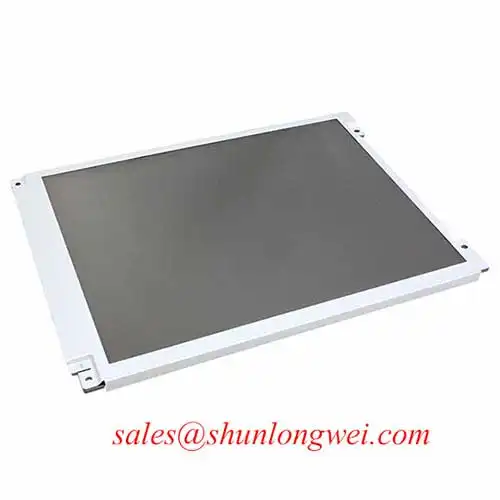
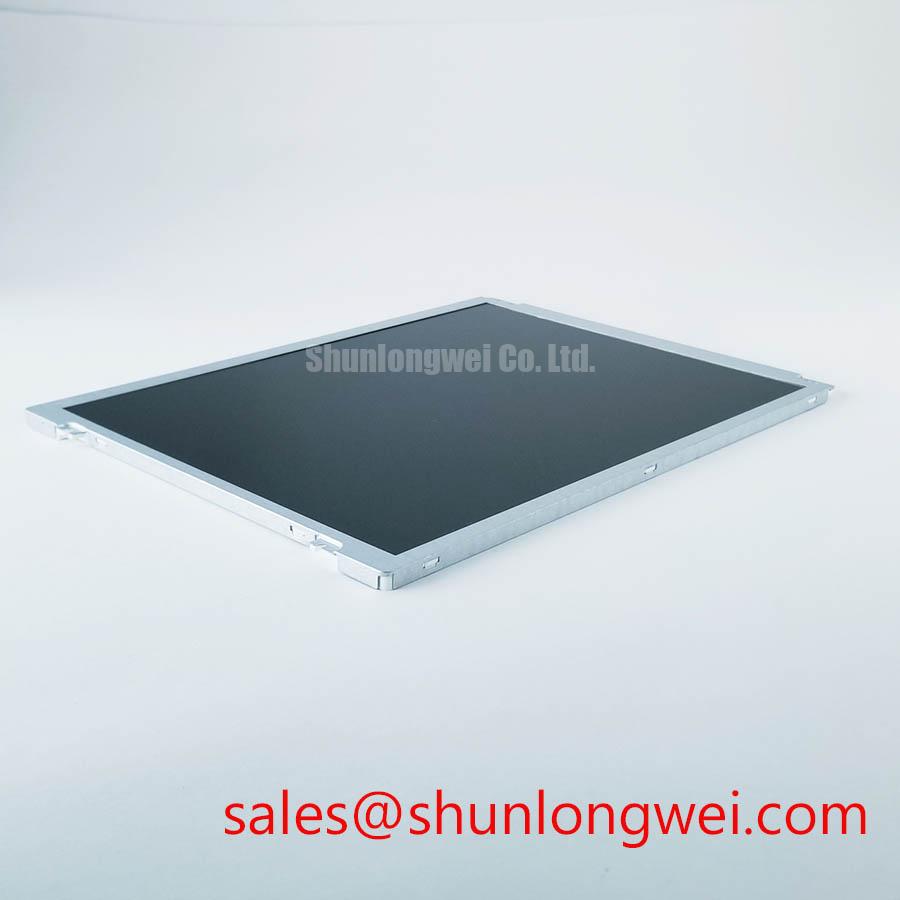
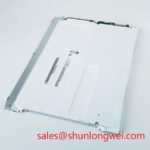
The G104SN03 V5 features a rugged industrial housing designed for flush-mount installation within sealed machine enclosures. Maintenance personnel must verify outer bezel envelope tolerances, active display area dimensions, and viewing angle cone stability (TN Normally White or IPS wide-viewing technology) during field service.
When assessing form-factor replacements or multi-vendor second-sourcing options across legacy equipment bays, plant engineers routinely cross-reference mechanical profiles against complementary display hardware such as the M185XW01 V1. For exhaustive engineering frameworks on harsh-environment thermal and shock mitigation, review the technical documentation in Industrial Display & HMI Solutions.
🔧 Fastener Torque Guideline: Tighten perimeter M3 chassis mounting screws strictly within 0.35–0.45 N·m (Design Consideration for M3 chassis screws). Uneven or excessive torque mechanically warps the optical light guide plate, creating localized cell-gap compression that appears as chronic edge light-leakage (mura defects) on dark screen backgrounds.
Benchtop Inspection Protocols: COG/TAB Driver Bonding Integrity & Display Artifact Diagnostics
Pre-installation incoming quality inspection for the Industrial Grade G104SN03 V5 involves a standardized 3-step optical evaluation across solid white, solid black, and primary color test patterns driven by a benchtop video signal generator.
A single sharp vertical colored line or missing sub-pixel column points to micro-cracking across the Chip-On-Glass (COG) or Tape-Automated Bonding (TAB) driver bumps. Because COG driver chips are bonded directly onto the TFT glass substrate using anisotropic conductive film (ACF), external mechanical twisting during shipment or assembly can fracture conductive gold micro-spheres, producing irreversible line defects.
All display inventory dispatched by Shunlongwei undergoes automated optical inspection (AOI) and 100% full-screen power-on verification, supported by a 90-day comprehensive industrial warranty.
| Parameter Category | Engineering Benchmark Value | Measurement / Verification Method | Failure Symptom If Out-of-Spec |
|---|---|---|---|
| Logic Supply Voltage (VDD) | 3.3V / 5.0V ± 0.5V (Official Datasheet Specification) | Digital Multimeter measurement at logic power pins | White screen, logic failure, driver IC latch-up |
| Differential Line Impedance | 100 Ω ± 10% (Design Consideration) | TDR differential trace impedance verification | Pixel jitter, horizontal sparkle noise, EMI |
| Chassis Screw Torque | 0.35–0.45 N·m (Design Consideration for M3) | Calibrated digital torque screwdriver verification | Cell gap distortion, perimeter optical mura defects |
| Backlight Lifetime MTBF | > 50,000 Hours typical (Official Datasheet Specification) | Optical luminance photometer (>50% initial brightness) | Dim screen, spectral color shift over runtime |