Content last revised on September 10, 2026
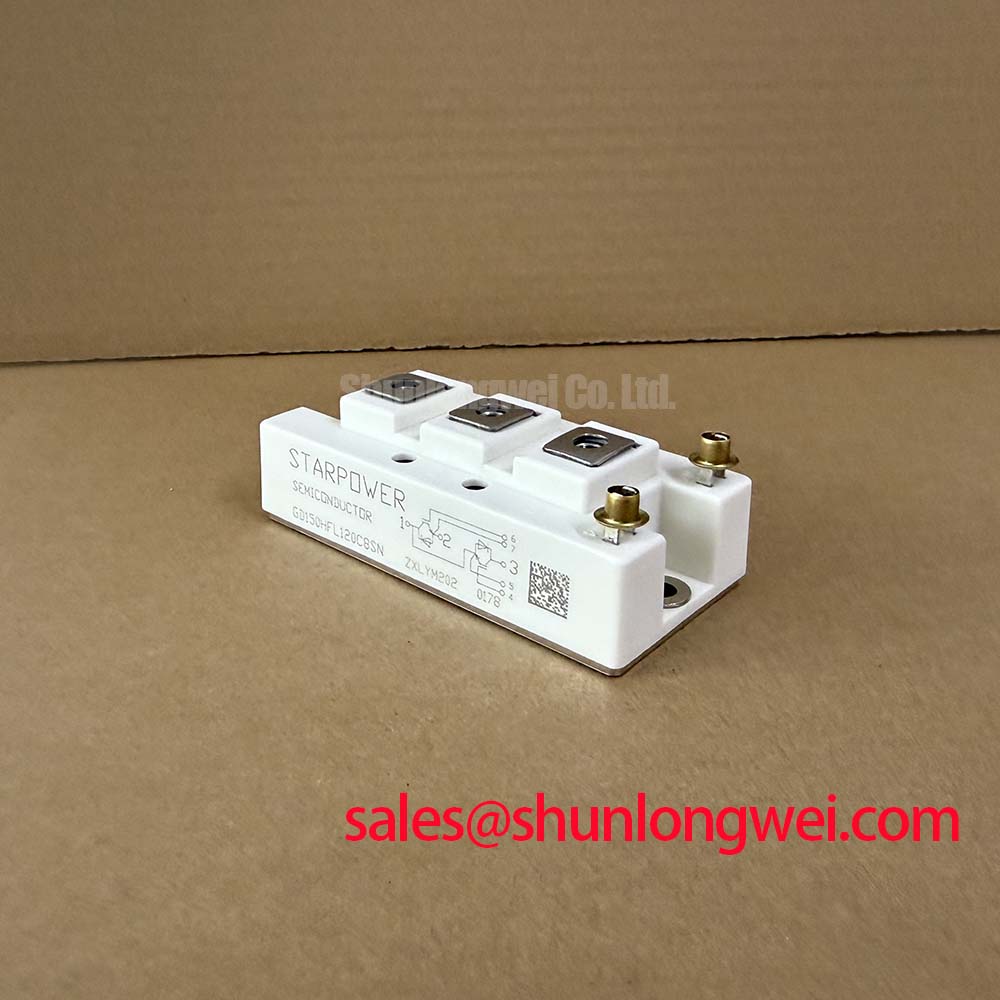
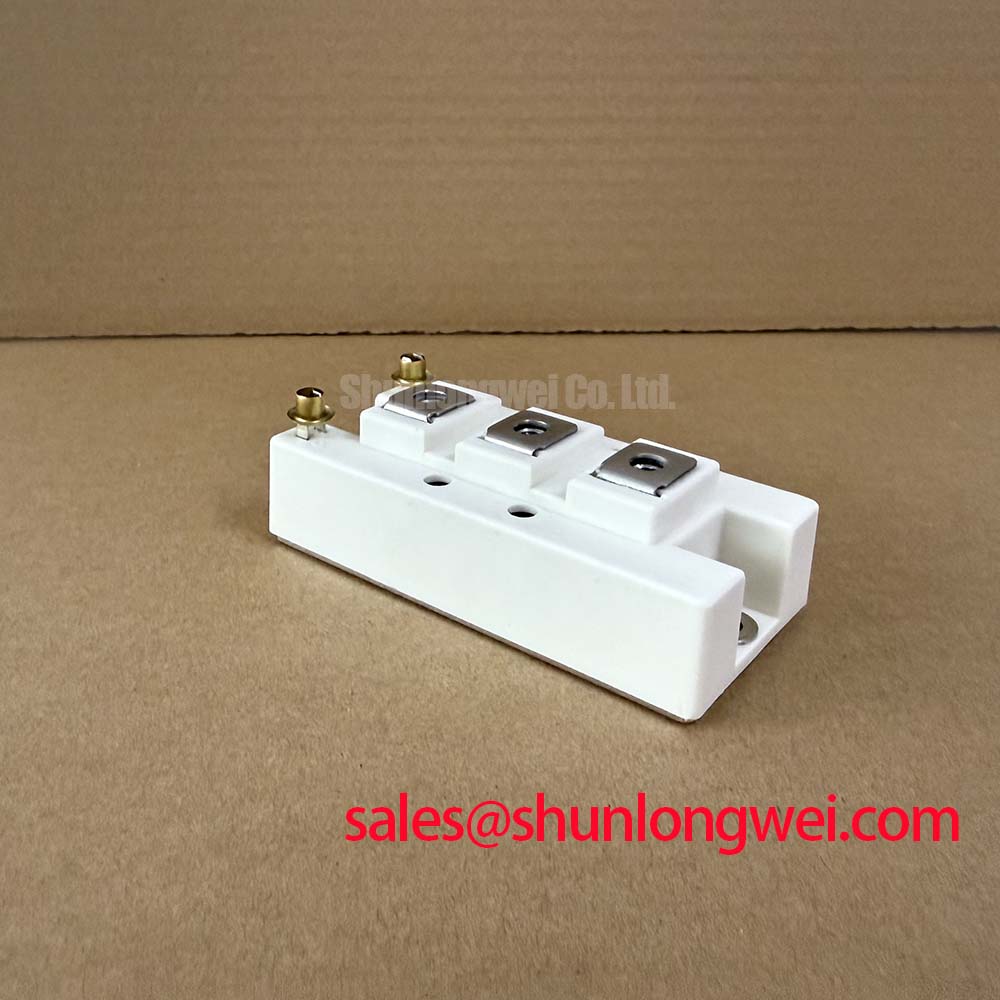
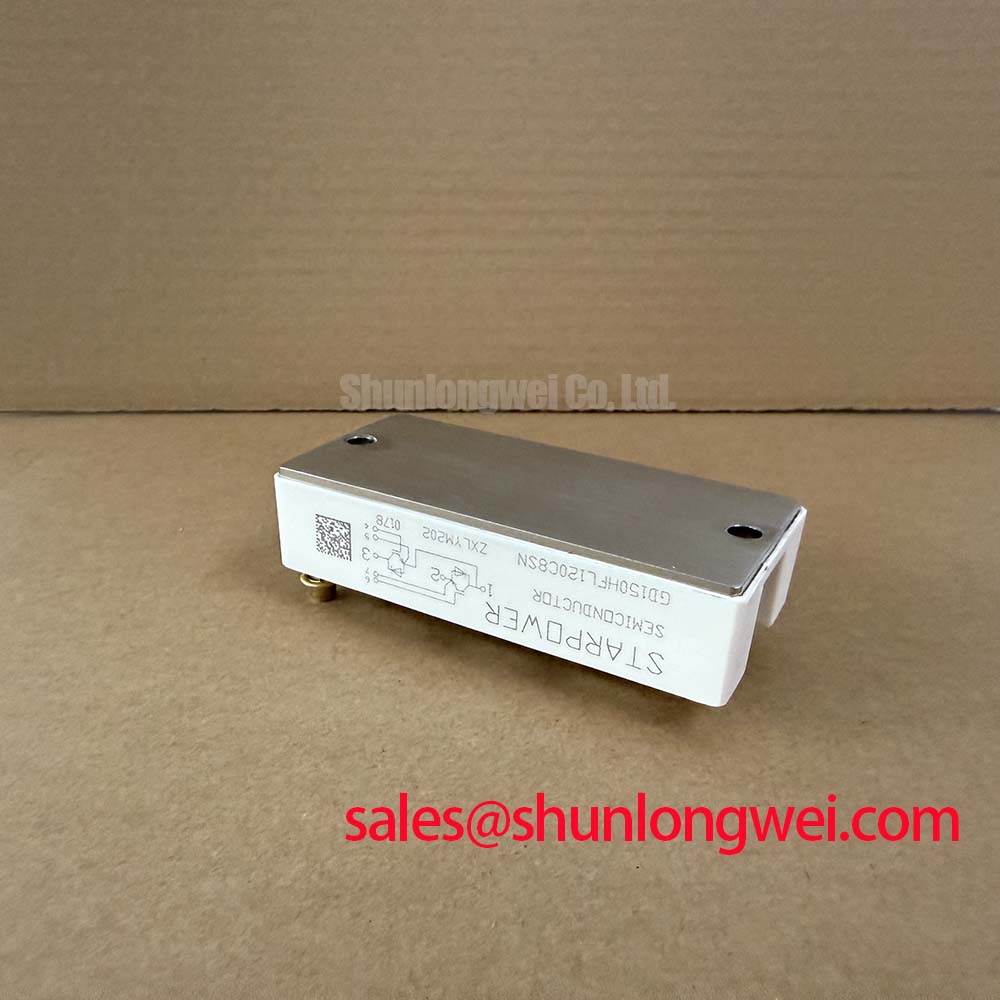
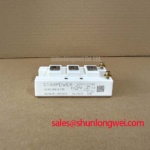
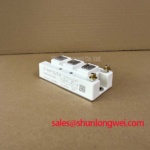
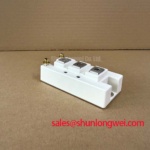
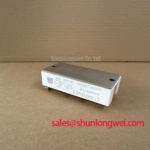
GD150HFL120C8SN: Mastering 1200V 150A Half-Bridge Switching Efficiency
Maximizing power density and minimizing thermal overhead in industrial inverters requires advanced silicon engineering. The Starpower GD150HFL120C8SN excels by integrating Trench Field-Stop technology, delivering a 1200V blocking capability and a 150A nominal current rating alongside an exceptionally low VCE(sat). This mitigates static power dissipation and simplifies thermal management arrays. How does the GD150HFL120C8SN handle high-frequency stress? Its optimized switching characteristics effectively limit Eon and Eoff, allowing for elevated switching frequencies without severe thermal penalties. For 400V AC line industrial drives requiring a robust thermal margin, this 150A module represents the optimal design choice.
Application Scenarios & Value
Tackling Thermal Bottlenecks in Industrial Power Conversion
Engineers often face critical thermal limits when designing high-frequency UPS systems or dynamic VFD (Variable Frequency Drive) topologies. The challenge lies in balancing elevated output currents with manageable heat dissipation footprints. The Starpower GD150HFL120C8SN, strictly defined as a Half-Bridge IGBT Module, directly addresses this constraint through its lowered VCE(sat) profile. By curtailing conduction losses at the 150A operating point, the device substantially lowers the thermal burden imposed on the heatsink infrastructure.
In practical EV inverter and heavy-duty motor control setups, arresting junction temperature escalation during startup surges is paramount. This module’s resilient silicon architecture allows it to sustain intense transient loads while complying with stringent industrial EMC protocols like IEC 61800-3. What is the primary benefit of Trench Field-Stop technology? It drastically lowers conduction losses without compromising switching speed. How does this impact thermal design? It allows engineers to use smaller heatsinks or higher switching frequencies. While this configuration is highly effective for contemporary high-efficiency drives, for architectures demanding legacy footprints, the related CM150DY-24H offers a comparable 1200V, 150A specification.
Technical Deep Dive
Analyzing Trench Field-Stop Silicon Dynamics
To accurately evaluate the GD150HFL120C8SN, one must examine its intrinsic silicon-level engineering. The fusion of Trench gate structures with Field-Stop geometry fundamentally alters the output characteristics. Consider the Trench gate as a widened conduit for electron propagation; it drastically diminishes the resistance electrons encounter when the device is conducting, yielding a diminished VCE(sat). Simultaneously, the Field-Stop layer operates as a highly calibrated braking mechanism during turn-off events. It rapidly expels minority carriers, abruptly truncating the tail current phenomenon.
This dual-action mechanism proves critical for sustaining elevated switching frequencies. A protracted tail current would otherwise spawn excessive dynamic losses, converting electrical potential into detrimental thermal energy. For engineers consulting a design integration guide, grasping this equilibrium is essential for optimizing the gate driver resistor network. Alternatively, the Field-Stop layer can be conceptualized as a precise hydraulic shock absorber—it swiftly arrests current flow without precipitating destructive voltage spikes or prolonged energy leakage.
Key Parameter Overview
Decoding Metrics for Enhanced System Reliability
The subsequent table outlines the pivotal specifications for the GD150HFL120C8SN, isolating the metrics that govern system-level efficacy. For a broader perspective on balancing these figures, investigating a practical guide to voltage, current, and thermal management is strongly recommended.
| Critical Metric | Value | Engineering Significance |
|---|---|---|
| Collector-Emitter Voltage (VCES) | 1200V | Furnishes a substantial safety threshold for 400V AC and 480V AC line implementations. |
| Nominal Collector Current (IC) | 150A | Sustains dense power delivery in medium-scale motor controls and UPS structures. |
| Saturation Voltage (VCE(sat)) | ~1.70V | Mitigates static power dissipation significantly. Explore VCE(sat) behavior over temperature for deeper insight. |
| Circuit Configuration | Half-Bridge | Streamlines PCB trace routing for conventional inverter phase legs. |
Download the GD150HFL120C8SN datasheet for detailed specifications and performance curves.
Frequently Asked Questions
Addressing Common Field Engineering Inquiries
How does the 1200V rating benefit 400V AC line industrial applications?
Within a standard 400V AC topology, the DC link voltage operates near 560V to 600V. The 1200V blocking capability ensures a 100% safety margin against parasitic voltage spikes and inductive transients, averting catastrophic avalanche breakdown scenarios.
Why is the Half-Bridge configuration advantageous for inverter design?
The Half-Bridge internal linkage between high-side and low-side switches drastically diminishes parasitic inductance across commutating paths. This is imperative for restricting voltage overshoot during high-velocity switching sequences.
How does the VCE(sat) parameter influence overall thermal management?
A constrained VCE(sat) directly mitigates static conduction losses. This translates to reduced continuous heat generation, empowering engineers to downscale cooling infrastructure or aggressively elevate the module's RMS current throughput.
What dictates the switching frequency threshold of the GD150HFL120C8SN?
The ultimate switching frequency is capped by the junction's thermal dissipation threshold and the aggregate of Eon and Eoff losses. Due to the Trench Field-Stop architecture stifling tail current, this module operates efficiently within the 5kHz to 15kHz spectrum, ensuring long-term strategic reliability in power conversion deployments.