


Content last revised on September 10, 2026
Mitsubishi J2-006B-G IPM: Robust 600V 60A Power Integrated Module for Motion Control
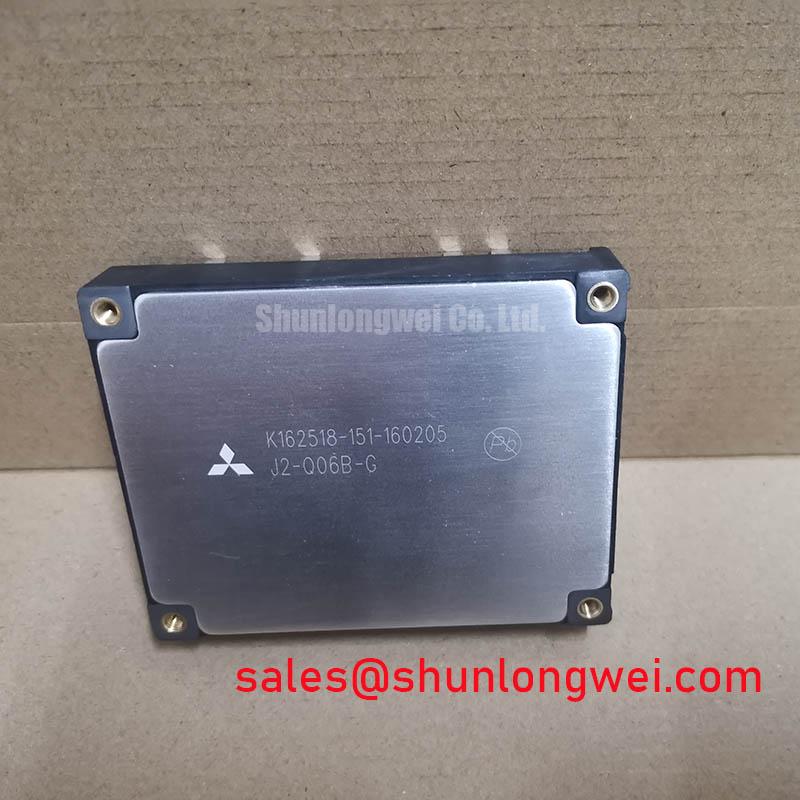
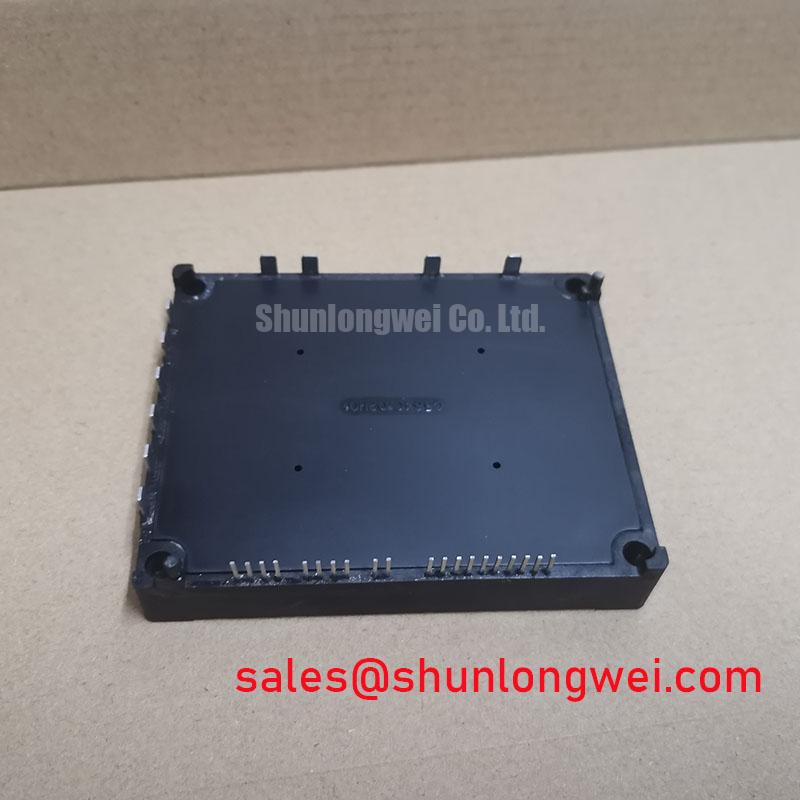
Optimizing thermal efficiency and space in low-power motor drives, the Mitsubishi J2-006B-G integrates a full power stage in a rugged, low-inductance package. Featuring a rated voltage of 600V and a collector current of 60A, this Power Integrated Module (PIM) delivers consistent performance in demanding environments. It reduces system footprint by combining multiple discrete components and lowers thermal resistance using an insulated metal baseplate.
For low-power motor drive systems requiring maximum thermal margin in compact enclosures, this 600V 60A module stands out as the optimal choice. How does the J2-006B-G protect against overvoltages? It minimizes parasitic inductance, neutralizing voltage spikes during fast switching.
Application Scenarios & Value
Optimizing Space and Thermal Performance in Low-Power Drives
Engineers often face the daunting challenge of managing high thermal losses and crowded PCB layouts when designing compact industrial variable frequency drives (VFDs). The J2-006B-G simplifies these layouts by integrating a three-phase diode rectifier bridge, a three-phase inverter, and a brake chopper in a single module. In multi-axis robotic systems, every cubic centimeter counts. Lighter servo drive units directly contribute to more agile and efficient robotic arms.
The high integration of this module eliminates the need for complex external copper busbars, simplifying routing and decreasing assembly time. What is the primary benefit of its insulated baseplate? It offers a direct, low-resistance thermal path to the heatsink. For applications requiring a higher current capacity in standard 600V systems, engineers frequently evaluate the PM75CL1B060. Meanwhile, for larger, high-voltage systems running on 1200V grids, the PM150RLA120 provides a higher voltage and current rating.
Technical Deep Dive
Decoding the Thermal Interface and Parasitic Inductance in High-Density PIMs
The internal architecture of the J2-006B-G relies on co-packaging power chips directly onto an insulated metal baseplate. An elegant thermal path is like a multi-lane highway; by utilizing a low-resistance insulated metal substrate, thermal energy is directed away from the silicon junctions swiftly, preventing heat bottlenecks. This structural configuration is vital for maintaining low junction-to-case thermal resistance, which minimizes the risk of thermal runaway during severe overload conditions.
Beyond thermal paths, the physical layout of the J2-006B-G is optimized to combat parasitic inductance. In traditional discrete designs, sprawling PCB traces act like miniature parasitic antennas that capture noise and create voltage overshoots. In contrast, the micro-patterned layout and tight wire-bonding within this module restrict the current loop area. This limits transient voltage spikes during high-frequency PWM switching, protecting the gate oxide from damage.
Key Parameter Overview
Factual Specifications for Enhanced Thermal Design and Integration
The following table outlines the primary electrical and thermal characteristics of the Mitsubishi J2-006B-G module. These parameters provide a reliable baseline for circuit simulation and heatsink selection.
| Parameter Description | Symbol | Value / Rating | Unit |
|---|---|---|---|
| Collector-Emitter Voltage (High-voltage class) | Vces | 600 | V |
| Continuous Collector Current (Tc = 25°C) | Ic | 60 | A |
| Circuit Configuration | - | PIM (Rectifier + Inverter + Brake) | - |
| Isolation Voltage (RMS, 1 minute) | Viso | 2500 | V |
| Operating Junction Temperature | Tj | -40 to +150 | °C |
Frequently Asked Questions
Engineering Insights and Practical Integration Tips
How does the integrated three-phase inverter and rectifier bridge in the J2-006B-G reduce overall system assembly costs?
By integrating the rectifier, brake chopper, and inverter stages into a single module, the J2-006B-G reduces the overall bill of materials (BOM) count and simplifies the board layout. This reduces assembly steps, lowers manual soldering errors, and decreases test-cycling complexity, ultimately improving yield and lowering manufacturing costs.
What are the key benefits of the insulated metal baseplate in the J2-006B-G compared to traditional discrete designs?
The insulated metal baseplate provides an direct, highly efficient thermal path to the external heatsink. This design offers a low junction-to-case thermal resistance, allowing for superior heat dissipation. It eliminates the need for separate mica or ceramic insulators, simplifying the mechanical assembly process and enhancing safety with a 2500V AC isolation rating.
Why is parasitic inductance minimized in the J2-006B-G and what system-level protection does this offer?
The compact internal layout of the module minimizes wire bond and terminal lead lengths, which significantly lowers stray parasitic inductance. This reduction prevents large inductive voltage spikes during fast switching transients. As a result, engineers can reduce or eliminate complex external snubber circuits, saving board space and enhancing electromagnetic compatibility (EMC).
Selecting the right power module is a strategic decision that directly influences system reliability, thermal efficiency, and overall product lifecycle in industrial automation. Incorporating integrated solutions like the J2-006B-G ensures that power stages remain thermally optimized, simplifying design-to-production phases for engineers worldwide.