Content last revised on August 28, 2026
Kyocera KCS038AA1AJ-G21: A Deep Dive into the 3.8-inch QVGA Industrial Display
Engineering Analysis of the KCS038AA1AJ-G21 STN Module
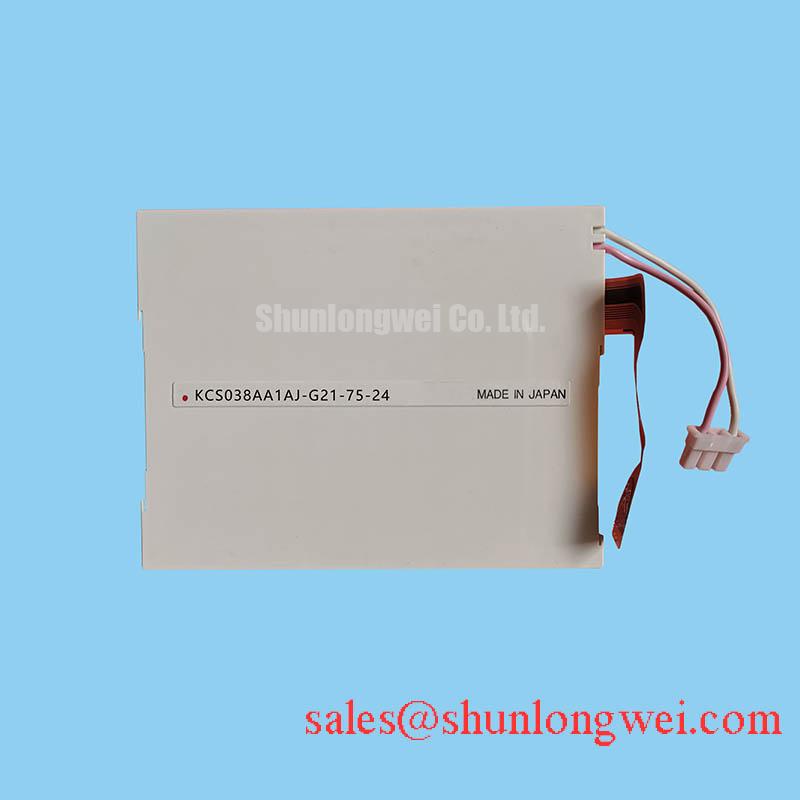
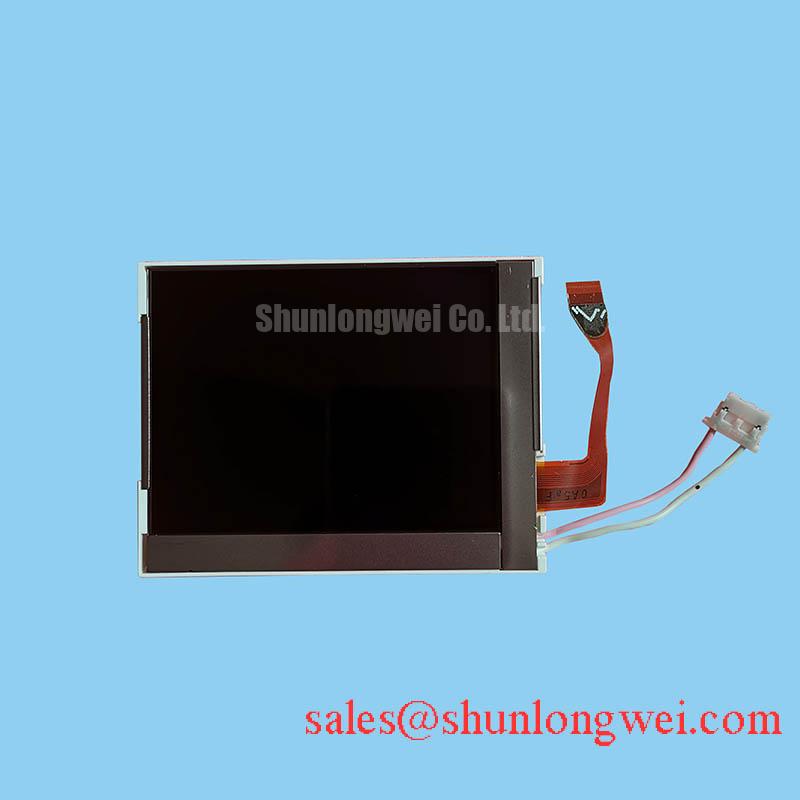
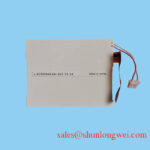
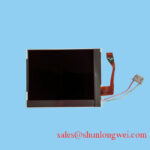
Engineered for clarity and reliability in compact industrial instruments, the Kyocera KCS038AA1AJ-G21 is a 3.8-inch CSTN display module delivering proven performance. This module features a 320x240 QVGA resolution | -0°C to +50°C operating range | 150 cd/m² brightness. It provides exceptional durability for long-lifecycle equipment and a straightforward digital interface for simplified integration. Addressing the need for dependable displays in controlled environments, the KCS038AA1AJ-G21 offers a stable solution for systems where readability and operational uptime are paramount. For industrial control panels and test equipment requiring a compact, power-efficient display, the KCS038AA1AJ-G21 provides an optimal balance of performance and long-term availability.
Key Parameter Overview
Decoding the Specs for Industrial Instrumentation
The technical specifications of the Kyocera KCS038AA1AJ-G21 are tailored for embedded systems where space, power, and long-term reliability are primary design drivers. Below is a summary of its key performance indicators.
| Parameter | Specification |
|---|---|
| Display Technology | CSTN (Color Super-Twisted Nematic) LCD |
| Diagonal Size | 3.8 inch (9.6 cm) |
| Resolution | 320 x 240 (QVGA) |
| Pixel Pitch | 0.24 x 0.24 mm |
| Active Area | 76.8(W) x 57.6(H) mm |
| Luminance | 150 cd/m² (Typical) |
| Contrast Ratio | 30:1 (Typical) |
| Backlight System | 1-tube CCFL with integrated inverter |
| Operating Temperature Range | 0°C to +50°C |
| Storage Temperature Range | -20°C to +60°C |
Application Scenarios & Value
System-Level Benefits in Embedded Control and Monitoring
The Kyocera KCS038AA1AJ-G21 is best suited for applications where a compact, clear, and reliable graphical interface is essential. Its value is most evident in legacy system maintenance and new designs for controlled industrial environments.
A high-fidelity engineering scenario for this module is the refurbishment or new production of portable test and measurement equipment. In this context, an engineer's primary challenge is to specify a display that fits a constrained physical footprint, consumes minimal power to maximize battery life, and provides sufficient clarity for displaying waveforms, menus, and measurement data. The KCS038AA1AJ-G21's 3.8-inch diagonal and QVGA resolution directly address this need, delivering necessary data density without the size or power draw of a larger TFT-LCD. What is the primary benefit of its CCFL backlight? An integrated inverter simplifies the drive circuitry, reducing component count and accelerating the design-in process.
This display is frequently deployed in:
- Human-Machine Interface (HMI) panels for industrial machinery controllers
- Medical diagnostic equipment and patient monitoring systems
- Point-of-sale (POS) terminals and kiosk information displays
- Rack-mounted instrumentation and network analysis tools
While the KCS038AA1AJ-G21 excels in these roles, for systems requiring full-motion video or wider viewing angles, a modern TFT module such as the G057VN01 V2 might be a more suitable alternative, offering superior response time and color fidelity.
Frequently Asked Questions (FAQ)
Technical Inquiries for System Designers
What are the primary advantages of CSTN technology for an industrial application?
CSTN (Color Super-Twisted Nematic) technology provides a cost-effective and power-efficient solution for displaying graphical user interfaces. For industrial equipment with long lifecycles, its primary advantage is its proven reliability and stability. It delivers good readability for static or slow-changing information, making it ideal for control menus and data readouts where high-speed video is not a requirement.
How does the 30:1 contrast ratio impact usability in a typical HMI?
A 30:1 contrast ratio is sufficient for creating clear differentiation between text, background, and UI elements in indoor or controlled lighting environments. Think of it as providing distinct legibility similar to a high-quality monochrome display but with the added benefit of color for status indicators (e.g., green for normal, red for alarm). This level of contrast ensures operators can quickly and accurately interpret information on a Human-Machine Interface (HMI) without eye strain.
What are the integration considerations for the built-in CCFL backlight and inverter?
The integrated CCFL backlight and inverter simplify system design by reducing external component requirements. Engineers do not need to source and qualify a separate inverter board. The primary consideration is providing the specified DC voltage and control signals to the module's connector. The datasheet provides precise details on the required input power, ensuring a straightforward and reliable implementation for the backlight system.
Is the KCS038AA1AJ-G21 suitable for outdoor or direct sunlight applications?
No, this display is not designed for outdoor use. Its luminance of 150 cd/m² and the nature of CSTN technology are optimized for indoor industrial and medical environments. Direct sunlight would overwhelm the display's brightness, rendering it unreadable. For such applications, specialized sunlight-readable displays with much higher luminance (typically >800 cd/m²) and advanced optical bonding are required.
Technical Deep Dive
Understanding the Engineering Trade-offs of a CSTN Module
Selecting the KCS038AA1AJ-G21 involves a clear understanding of its underlying CSTN technology and the associated engineering trade-offs. Unlike active-matrix TFT displays where each pixel is controlled by a dedicated transistor, CSTN is a passive-matrix technology. This fundamental difference is the source of its primary strengths and limitations.
The key advantage is design simplicity and lower power consumption. The passive-matrix structure requires fewer electronic components to drive the display, which directly translates to reduced power draw—a critical factor for battery-powered or thermally constrained devices. This is analogous to choosing a simple, robust mechanical switch over a complex electronic relay; the former is often more reliable and consumes no idle power. For an embedded system, this efficiency means less demand on the power supply and potentially smaller battery requirements. The QVGA resolution on a 3.8-inch screen provides a pixel density that is excellent for displaying alphanumeric data, schematics, and simple graphical elements with precision, a core requirement for test instrumentation and process controllers.
Request for Information
To receive more detailed technical information, application notes, or to discuss your specific system requirements for the Kyocera KCS038AA1AJ-G21, please contact our technical sales team for engineering support and component evaluation.