
Content last revised on November 21, 2026
Sharp LM64K103 Identification and Service Checks
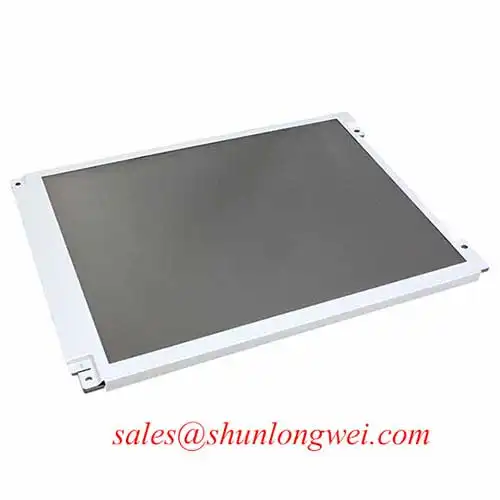
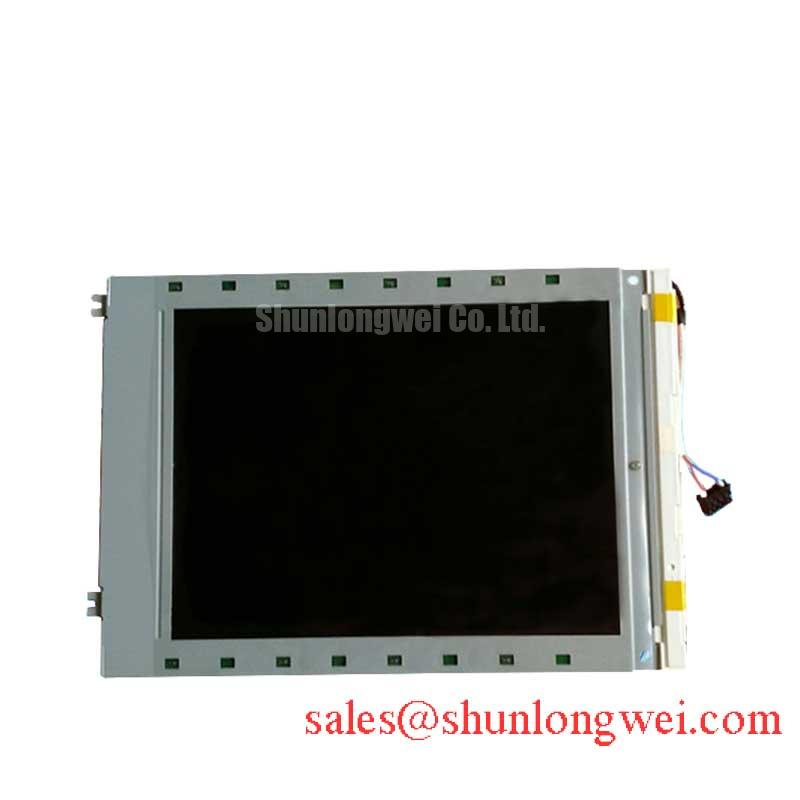
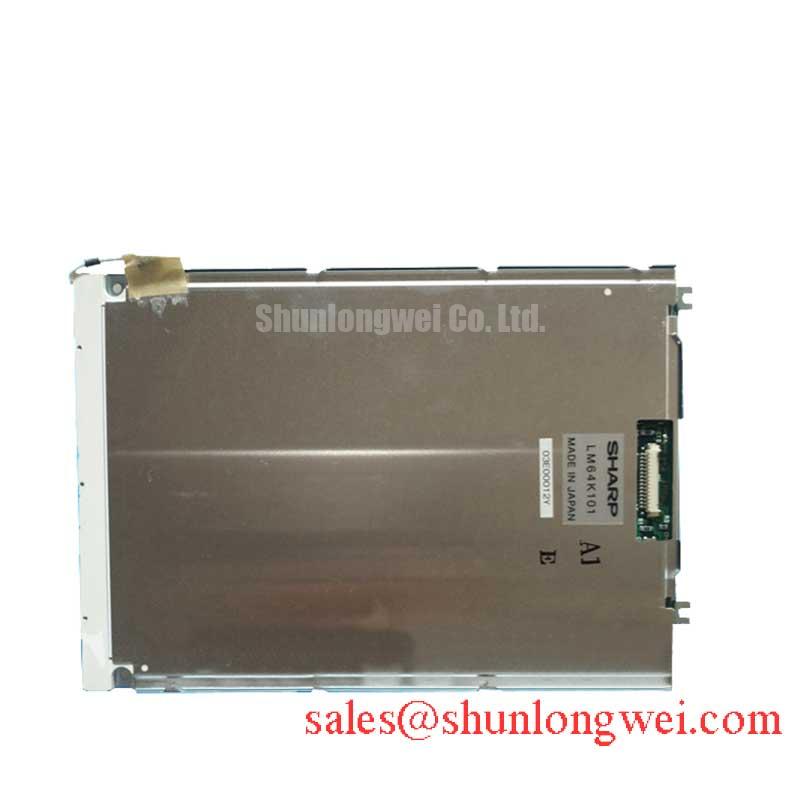
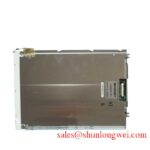
With the display assembly isolated from power, check the panel label, cable orientation, and bezel seating before disturbing a blank or intermittently readable screen. For the LM64K103, record the identification fields as Manufacturer: Sharp and Part Number: LM64K103. Its supplied product classification is an FSTN / STN Monochrome Passive Matrix LCD Panel; assess it as a complete display assembly rather than assuming that a matching connector establishes compatibility.
Consult the model-specific datasheet for dimensions, resolution, interface details, connector assignment, supply requirements, illumination configuration, and environmental limits before authorizing installation.
HV Lead Wire Creepage Insulation & Secondary Transformer Corona Discharge Screening
Trace the installed illumination wiring before connecting any high-voltage test equipment. Design Consideration: CCFL ignition behavior, transformer secondary insulation, and lamp-current regulation belong to a confirmed CCFL illumination circuit; the passive-matrix classification alone does not establish that circuit for the LM64K103. Do not apply generic ignition voltages or lamp-current settings as panel specifications.
Where the equipment documentation identifies a high-voltage illumination assembly, examine its accessible wiring for pinching, abrasion, displaced insulating sleeves, and contamination around terminations. Preserve the original routing and separation from conductive brackets. Creepage requirements depend on the actual insulation system, working voltage, contamination conditions, and equipment construction, so an arbitrary clearance is not an acceptable repair criterion.
Evaluate suspected discharge with the equipment manufacturer's service procedure and appropriately rated instrumentation. Intermittent illumination, audible noise, or localized discoloration warrants investigation, but none independently identifies transformer corona. Connector leakage, damaged wiring, and the illumination source require separate assessment before assigning the fault.
Temperature also affects the observed result. As a Design Consideration, compare image contrast and illumination behavior after the assembly reaches a stable temperature, without adding localized heat. This separates temperature-dependent display response from illumination faults while avoiding unnecessary thermal stress on the optical stack. Record the enclosure condition alongside the symptom rather than treating a cold-start observation as a permanent panel defect.
Parallel Digital Signal Reflections Mitigation via Series Damping Termination Resistors
Establish the connector pin assignment before probing clock or synchronization signals. Design Consideration: FLM, LP, and CP are signal names encountered in passive-matrix display systems, not confirmed LM64K103 pin assignments in the supplied information. Use the actual controller schematic to identify the corresponding frame, line, and data-transfer functions.
When investigating unstable characters or displaced image content, compare signals at the controller and panel ends of the installed cable. Check clock integrity, data timing, reference continuity, and connector seating together. A waveform that looks clean at the source can become distorted at the receiver through cable discontinuities or an inadequate return path; conversely, a display defect does not prove a signal-integrity problem.
Series damping is an Engineering Recommendation only when measurement supports it. Resistance selection should account for driver characteristics, interconnect behavior, receiver thresholds, and timing margin. Validate any change at the receiving connector under representative operation rather than prescribing a universal resistor value. Retaining the original cable arrangement provides a useful reference before modifying the interface.
Power sequencing deserves the same attention as clock quality. Compare logic supply, display-drive control, and interface activity during startup and shutdown against the specified sequence. Passive-matrix LCD operation requires appropriate alternating drive; an abnormal drive balance can contribute to image retention or degradation. Investigate persistent images through controller behavior, supply decay, and drive conditions rather than attributing them automatically to permanent screen damage.
For compatibility assessment in a CNC operator panel or robot teach pendant, compare mechanical fit, pixel organization, interface timing, and illumination requirements independently. The LM64P101R can be included in that comparison, but its related designation does not establish interchangeability with the LM64K103.
Elastomeric Zebra Strip Connector Compression & Heat-Seal (HSC) Interconnect Integrity
Check bezel flatness, mounting support, and cable strain before opening the display stack to investigate missing rows or columns. Design Consideration: an elastomeric connector or heat-seal interconnect should only enter the repair procedure when the assembly construction confirms its presence. Neither connection method follows automatically from the STN/FSTN classification.
Localized image changes under mounting stress can help identify a mechanical influence, but pressing the viewing area is not a controlled diagnostic method. Inspect for uneven gasket seating, displaced brackets, trapped debris, and distorted supports instead. Release and restore external mounting loads according to the equipment service procedure, observing whether the symptom changes without flexing the glass.
Where an elastomeric connection is documented, alignment and compression must follow its assembly specification. Do not transfer a generic pressure range to the LM64K103. Excessive loading can distort the stack, while insufficient contact can produce intermittent behavior; neither observation justifies tightening the bezel until the symptom disappears.
For a documented heat-seal connection, avoid lifting, reheating, or solvent treatment without an approved repair process. Cleaning accessible contacts also requires material compatibility: anhydrous IPA is not a universal cleaner for polarizers, adhesives, or bonded terminations. Use the specified cleaning agent and prevent liquid migration into the display edge.
Maintenance Note: Inspect enclosure airflow paths and gasket seating during scheduled service, and isolate power before disconnecting display cables.
Direct Sunlight High-Ambient Readability without Active Backlight Illumination
Assess ambient-light readability with illumination disabled only when the equipment permits that test, keeping viewing angle and incident light consistent. Design Consideration: monochrome passive-matrix construction does not itself establish reflective or transflective operation, sunlight readability, or a particular polarizer chemistry. Judge the installed assembly against its documented optical specification and a repeatable viewing condition.
Separate reflections from image nonuniformity by changing the external light direction without moving or loading the panel. Surface contamination, cover-window reflections, and enclosure geometry can obscure otherwise legible content. Discoloration, bubbling, or edge separation should be documented by location; appearance alone does not establish UV exposure, adhesive failure, or a specific internal material as the cause.
The Sharp Display Solutions Official Portal provides manufacturer context for display technologies, while the exact panel documentation remains the reference for model-specific optical limits. The related Transparent LCDs discussion offers broader optical context, not evidence that the LM64K103 is transparent or sunlight-qualified.
During temperature transitions, allow the assembly to equilibrate before evaluating response and contrast, and check for condensation before energizing exposed connections. Preserve the enclosure's documented sealing arrangement; adding an adhesive overlay or optical bond changes mechanical and moisture behavior. Accept the installation only after checking readability, image stability, and gasket fit under the equipment's specified operating conditions.