Content last revised on September 10, 2026
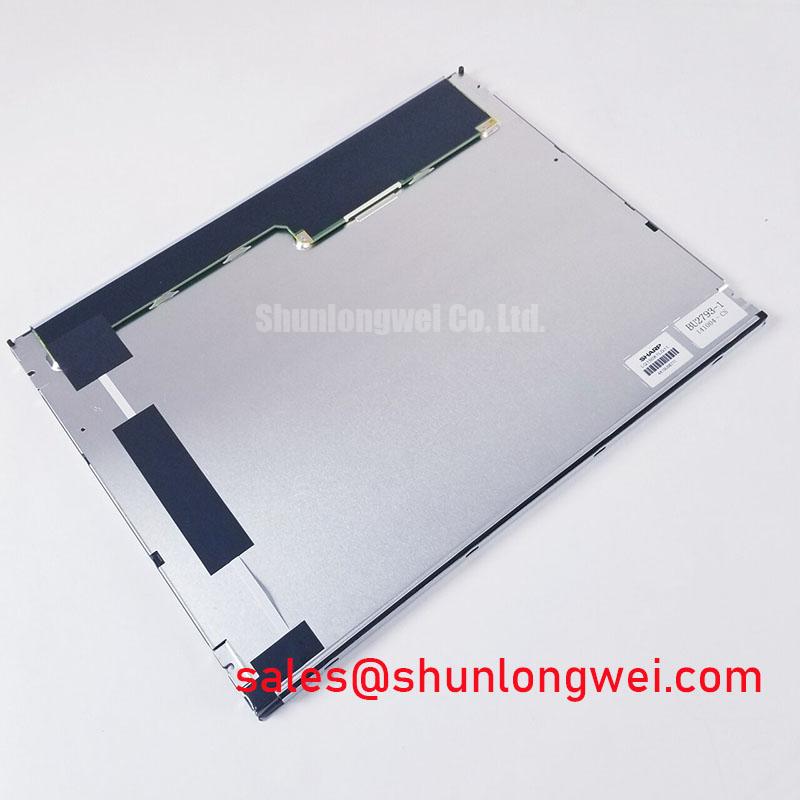
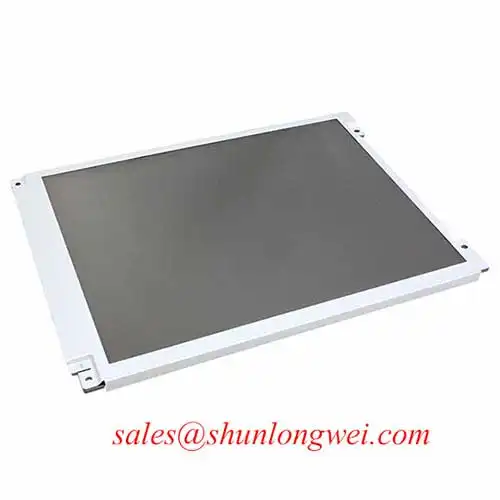
LP150X05-A2M2 15.0-inch 1024x768 XGA a-Si TFT-LCD Display Panel
The LP150X05-A2M2 is a robust **15.0-inch** XGA display, offering proven technology and a standard 4:3 aspect ratio for seamless integration into industrial and medical systems. Featuring a **1024x768 (XGA)** resolution and **250 cd/m²** brightness, this panel provides a reliable visual interface. Key engineering benefits include a standard LVDS interface that simplifies design and an anti-glare surface that enhances readability in diverse operational environments. As a widely adopted panel, it provides a direct-fit solution for many legacy HMI and POS systems, minimizing redesign efforts. For systems requiring a proven, non-widescreen interface, this XGA panel is an optimal choice for both new designs and legacy system support.
Application Scenarios & Value
Ensuring Interface Consistency in Critical Systems
The **LP150X05-A2M2** is engineered for applications where maintaining a specific form factor and user interface is critical. Its primary value lies in providing a stable, high-quality display solution for long-lifecycle equipment, mitigating the need for costly and time-consuming system redesigns. For designers and system integrators, this panel ensures operational continuity and user familiarity.
A prime engineering scenario is the upgrade or maintenance of industrial control panels. Many legacy **Industrial HMI** systems feature software and graphical interfaces specifically designed for a **4:3 aspect ratio**. Migrating to a modern widescreen display would necessitate a complete software UI overhaul, introducing significant development costs and potential for operator error during retraining. The **LP150X05-A2M2**, with its native **1024x768 XGA** resolution, serves as a direct-fit solution. This preserves the integrity of the established UI and leverages the standard **LVDS** interface for straightforward compatibility with a wide range of industrial controller boards. Other key applications include medical diagnostic displays for specific modalities, point-of-sale (POS) terminals, and specialized test and measurement equipment where UI consistency is paramount. For systems that require higher brightness levels and an LED backlight in a similar form factor, the G150XNE-L01 presents an alternative option.
Key Parameter Overview
Specifications for System Integration and Performance
The technical specifications of the LP150X05-A2M2 are tailored for reliability and straightforward integration. The contrast ratio is a particularly important metric for ensuring clear readability. A **400:1 contrast ratio** can be compared to the clarity of a well-printed technical manual; it provides distinct separation between the darkest and brightest elements on screen, which is essential for reducing operator error when interpreting critical data in a busy environment.
| Display Characteristics | |
|---|---|
| Panel Type | a-Si TFT-LCD, LCM |
| Screen Size | 15.0 inch |
| Resolution | 1024(RGB)×768, XGA |
| Aspect Ratio | 4:3 (W:H) |
| Brightness | 250 cd/m² (Typ.) |
| Contrast Ratio | 400:1 (Typ.) (TM) |
| Viewing Angle | 60/60/45/55 (Typ.)(CR≥10) |
| Surface Treatment | Antiglare, Hard coating (3H) |
| Interface & Electrical | |
| Signal Interface | LVDS (1 ch, 6-bit), 20 pins Connector |
| Supply Voltage | 3.3V (Typ.) |
| Backlight System | 1 pcs CCFL |
| Mechanical & Environmental | |
| Outline Dimensions | 326.5(W)×253.5(H) ×12(D) mm |
| Active Area | 304.128(W)×228.096(H) mm |
| Operating Temperature | 0 ~ 50 °C |
| Storage Temperature | -20 ~ 60 °C |
Industry Insights & Strategic Advantage
The Value of Proven Technology in Long-Lifecycle Equipment
In the industrial and medical sectors, Total Cost of Ownership (TCO) often outweighs the initial component price. The LP150X05-A2M2 exemplifies the strategic advantage of deploying proven technology. While based on established CCFL backlight technology, it represents a known quantity in terms of performance, reliability, and failure modes. This predictability is invaluable for OEMs who must support their equipment in the field for a decade or more, as it simplifies maintenance, repair, and service contracts. For regulated fields such as medical diagnostic equipment, component stability is paramount. Utilizing a well-documented panel like the LP150X05-A2M2 can help avoid the significant costs and delays associated with system re-certification that a major component change might trigger. This makes it a sound choice for projects prioritizing long-term stability over cutting-edge specifications.
Technical and Design Deep Dive
Interfacing and Optical Performance Considerations
A closer examination of the LP150X05-A2M2 reveals design choices made for robust performance in demanding environments. The adoption of the LVDS (Low-Voltage Differential Signaling) interface is a key example. This interface topology is engineered to minimize electromagnetic interference (EMI), a critical consideration in environments with high electrical noise, such as industrial automation cells or sensitive medical laboratories. The principle of an LVDS interface can be understood by analogy: imagine two people whispering the same message in a loud factory, but one whispers the exact inverse of the other. A listener focusing only on the *difference* between these two whispers can easily filter out the loud, common background noise. Similarly, an LVDS receiver rejects common-mode noise, ensuring the integrity of the video signal transmitted from the controller to the TFT-LCD panel. This inherent noise immunity makes it a superior choice for reliable display performance in complex embedded systems.
Frequently Asked Questions
Engineering Inquiries for the LP150X05-A2M2
What makes the LP150X05-A2M2 a suitable replacement for older industrial monitors?
Its combination of a standard **15.0-inch** size, a **4:3 XGA (1024x768)** resolution, and a common **LVDS** interface makes it a direct or near-direct fit for many systems designed over the last 10-15 years. This alignment minimizes the need for mechanical or software modifications, reducing integration time and cost.
How does the anti-glare surface treatment impact usability in a factory or lab environment?
The anti-glare coating diffuses ambient light—such as overhead fluorescent lighting or indirect sunlight—that would otherwise create distracting reflections. This significantly improves screen readability, reduces operator eye strain, and can lead to fewer errors in data interpretation during critical tasks.
What are the key considerations for driving the CCFL backlight in this panel?
The single CCFL tube requires an external inverter to supply the high voltage necessary for its operation. System designers must source a compatible inverter and account for its power consumption and physical footprint. The lifespan of the CCFL, typically rated in tens of thousands of hours, should also be factored into the overall system maintenance schedule.
For engineering evaluation of the LP150X05-A2M2 or to discuss specific application requirements, please contact our technical support team for detailed information and integration assistance.