


Content last revised on October 17, 2026
Sharp LQ10D013 Identification and Initial Inspection
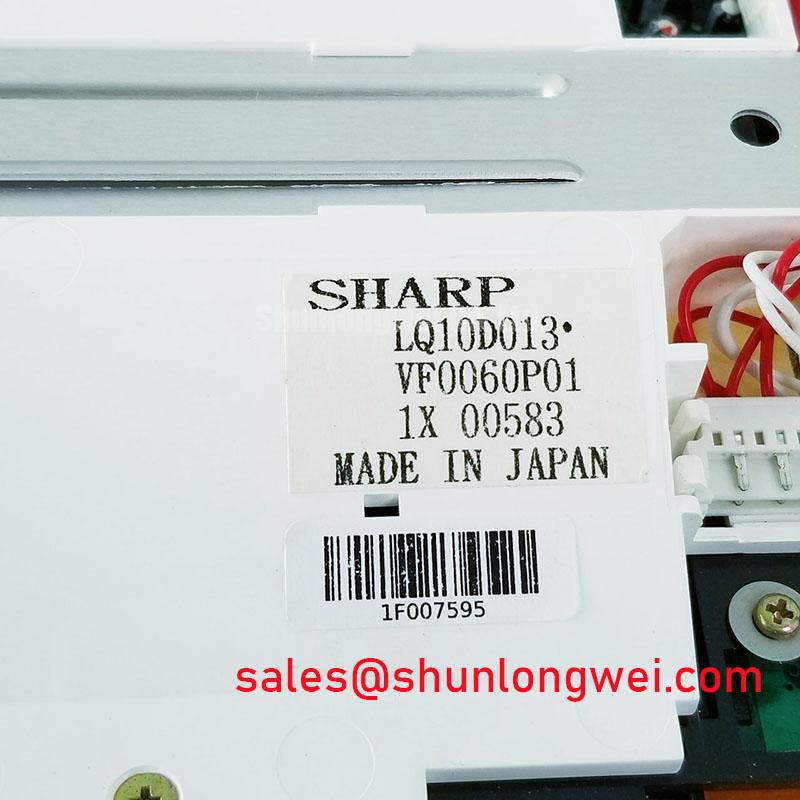
- Isolate equipment power and compare the installed panel label with LQ10D013 before disturbing the display harness.
- Inspect bezel clearance, mounting supports, and gasket seating for uneven contact or visible frame distortion.
- Check connector retention, cable abrasion, and contamination around the display assembly before electrical testing.
- Record whether the symptom affects illumination, image content, or both, using the same test image for comparison.
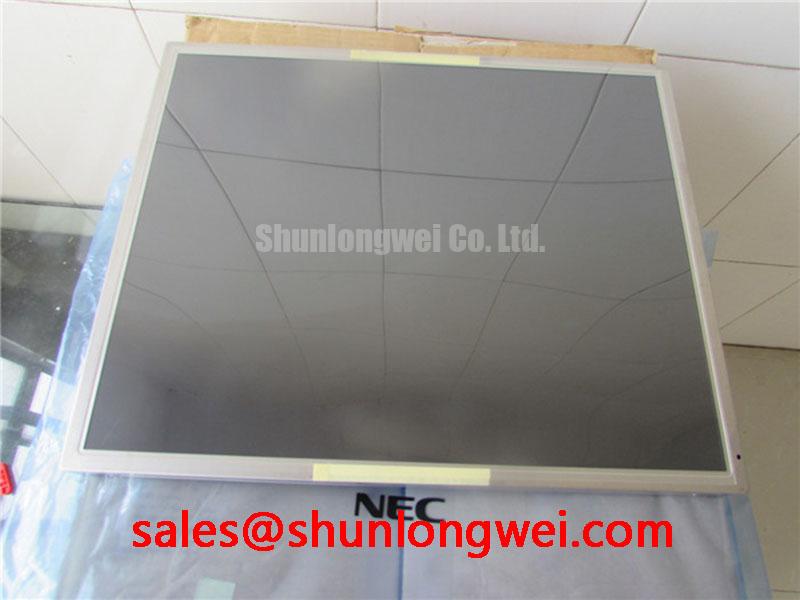
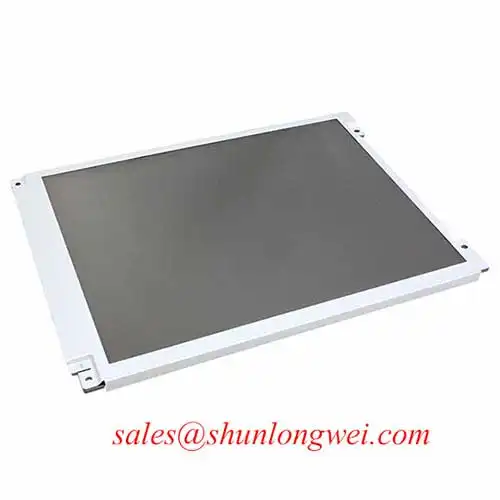
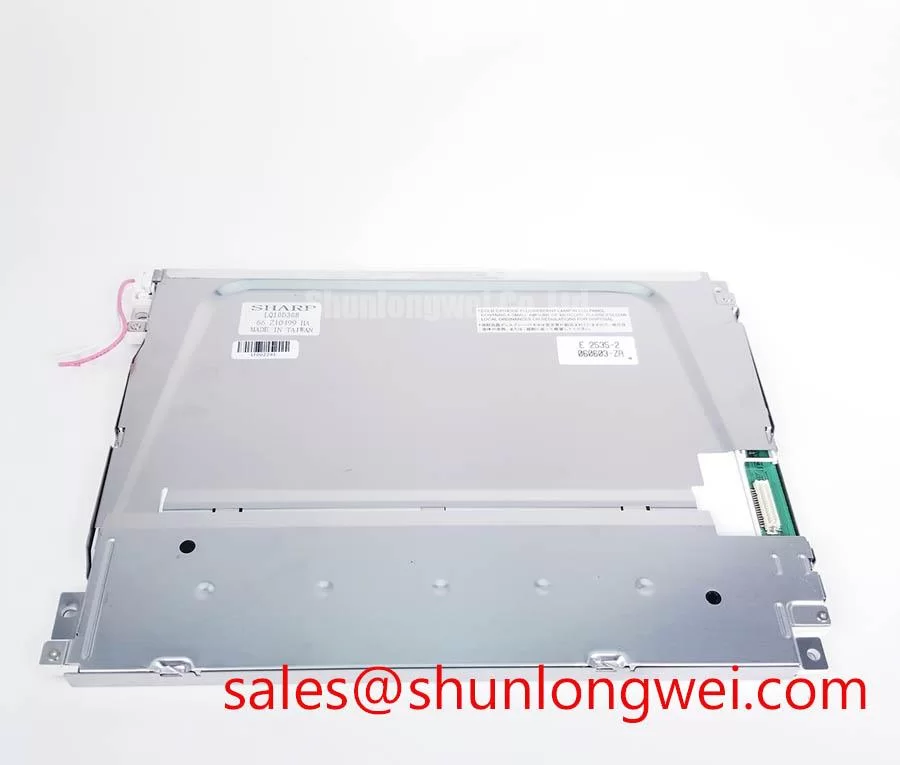
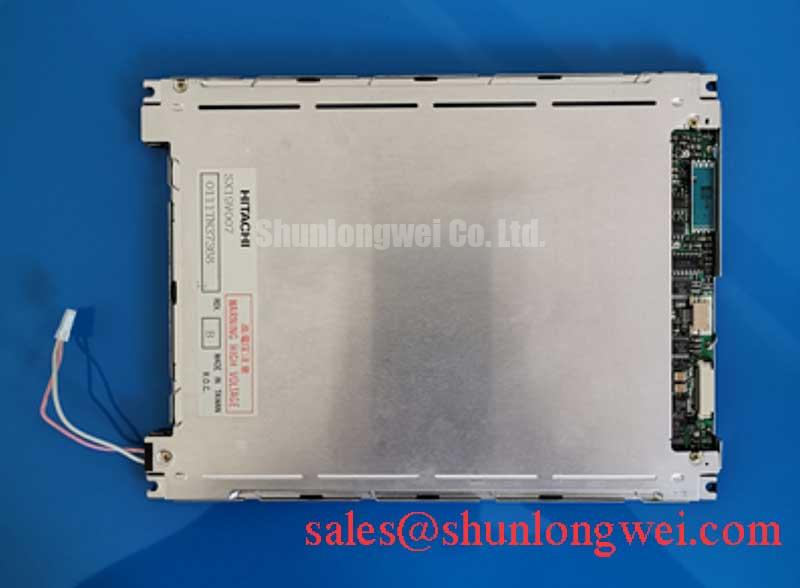
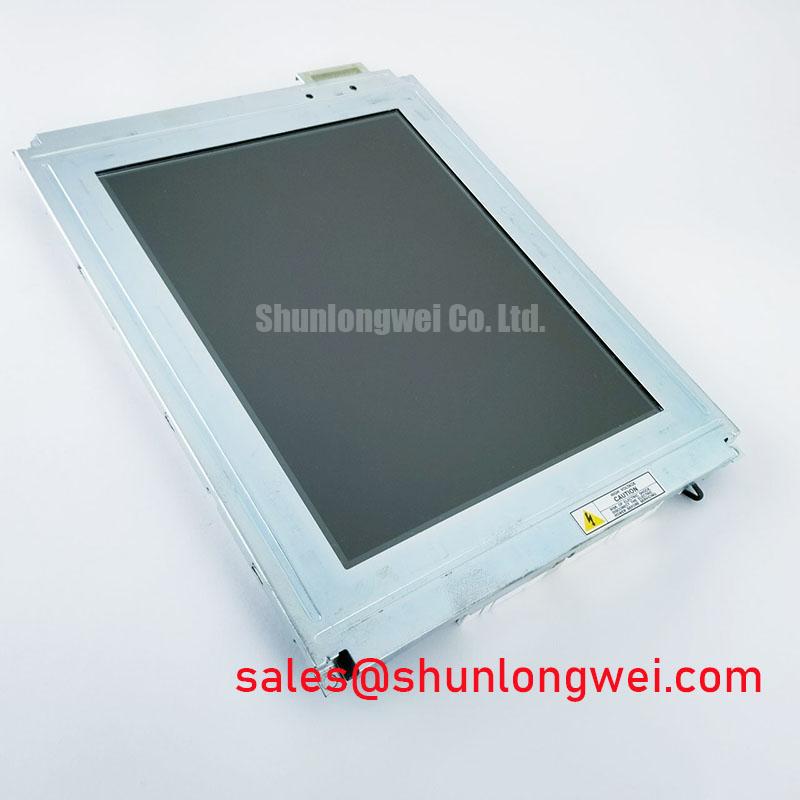
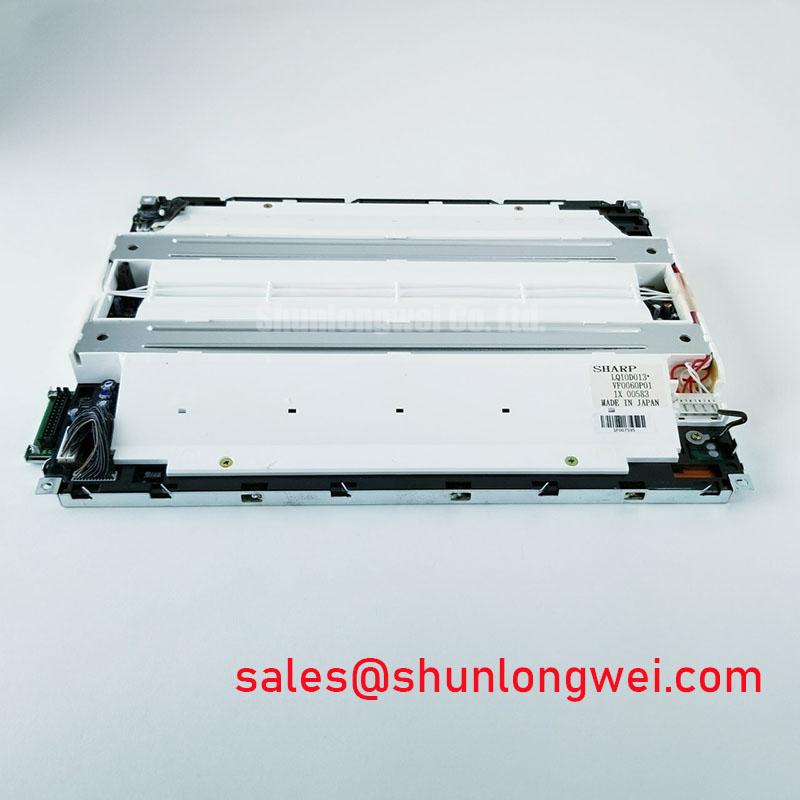
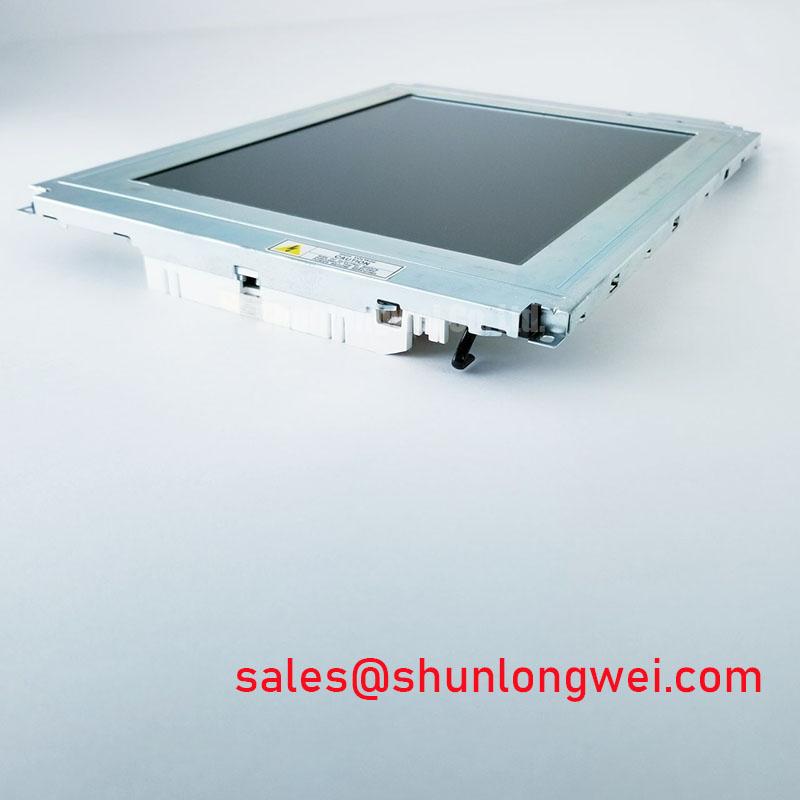
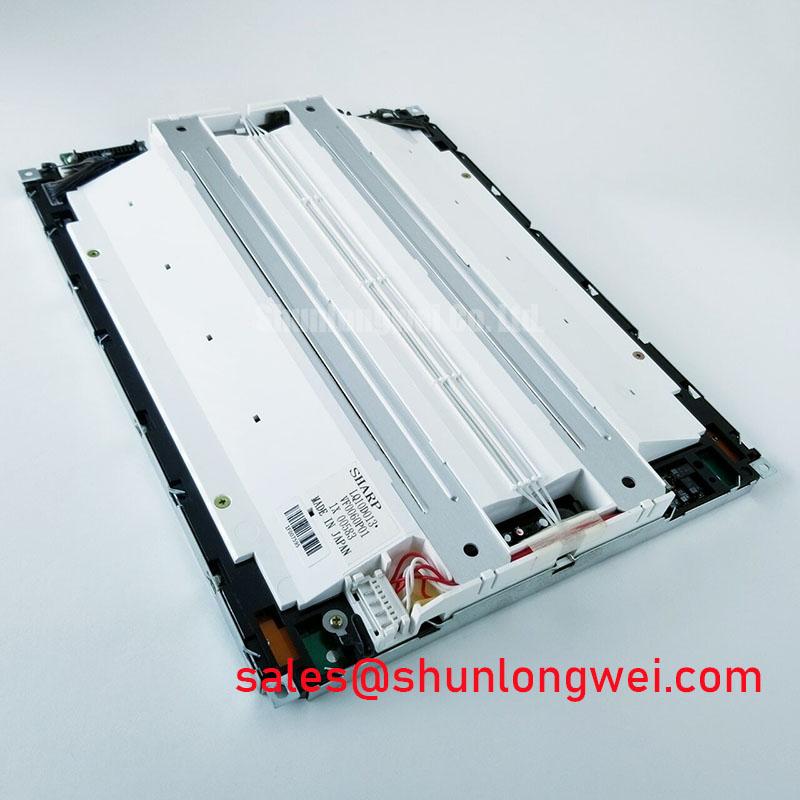
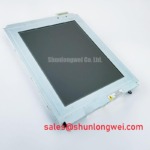
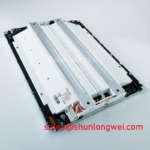
The Sharp LQ10D013 is a TFT-LCD active matrix color display module for industrial display and HMI evaluation. Replacement assessment should start with its mechanical drawing and electrical interface, rather than screen appearance alone. A panel that fits the front aperture can still differ in connector assignment, image timing, or illumination requirements.
| Product identification | Specification or verification requirement |
|---|---|
| Model | LQ10D013 |
| Manufacturer | Sharp |
| Product category | Industrial LCD/HMI panel |
| Display module type | TFT-LCD active matrix color display module |
| Electrical, mechanical, and optical ratings | Consult the model-specific datasheet for dimensions, resolution, connector assignment, supply requirements, timing, backlight characteristics, and environmental limits. |
Industrial Bezel Mechanical Envelope Tolerances & Mounting Screw Torque Optimization
Check the enclosure opening against the panel drawing, including mounting-hole positions, rear clearance, connector access, and the space occupied by the cable bend. As a Design Consideration, the enclosure should support the module through its intended mounting features without transferring gasket compression directly into the display surface.
Seat the assembly without forcing it into alignment. Tighten its fasteners progressively in an opposing pattern where the mounting arrangement permits, using the torque specified for the actual panel and enclosure hardware. Thread size alone does not establish a safe tightening limit. Compare a dark image before and after fastening; a change in localized brightness can help identify assembly-sensitive optical nonuniformity, although it does not establish the underlying defect.
Inspect gasket contact around the perimeter for gaps, folded sections, or excessive compression. Dust exclusion depends on the complete enclosure joint, including cable entries, rather than the panel face alone. If optical bonding is proposed, treat adhesive compatibility, cure conditions, expansion behavior, and rework access as assembly qualification items. Bonding does not by itself establish a hermetic or moisture-proof enclosure.
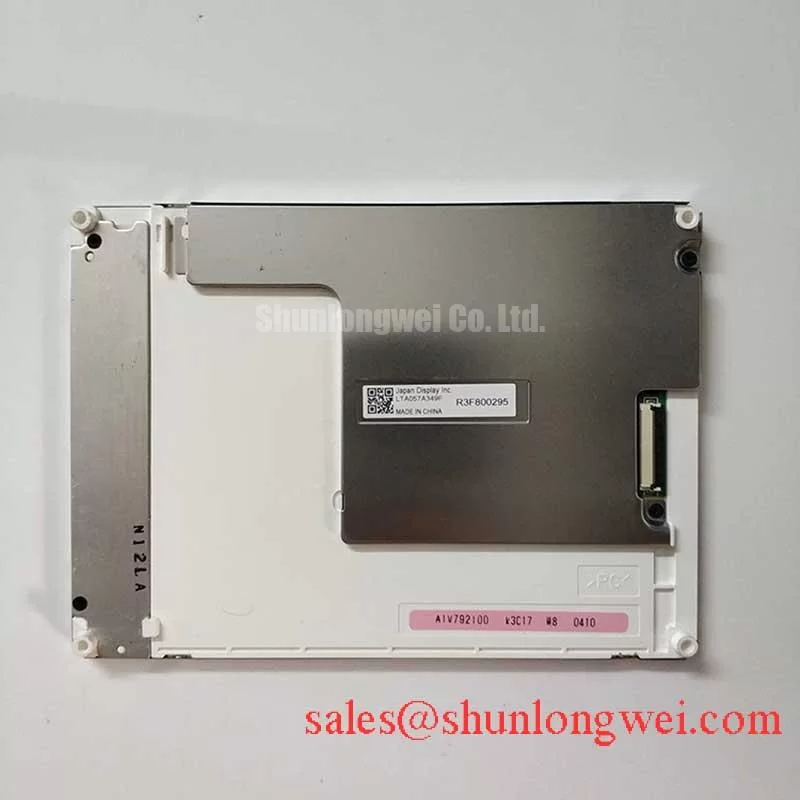
For dimensional and interface comparison, the Sharp LQ070Y3LW01 provides a separate reference candidate; it should not be treated as a drop-in replacement for LQ10D013. Compare documented active area, mounting geometry, resolution, and connector requirements before considering any substitution.
Flashlight Dark-Shadow Optical Diagnostic to Isolate Logic vs. Backlight Failure Modes
Display red, green, and blue test images in sequence, then inspect a neutral image for persistent lines, missing regions, and uneven illumination. This Engineering Recommendation separates observations about image generation from observations about brightness without assigning a single cause to each symptom. Keep the source image, viewing position, and ambient lighting consistent.
When the screen appears dark, an oblique flashlight can help reveal whether faint image content remains visible. A recognizable image supports further examination of the illumination path, its power source, and its control signals. Failure to see an image is inconclusive: surface reflections, viewing geometry, image content, and faults elsewhere in the display path can affect the result.
Persistent lines deserve comparison with a known-good signal source and compatible harness. Connector contact problems, source timing errors, and panel faults can produce overlapping symptoms. Do not infer an internal driver fracture from a line pattern alone, and avoid pressing or flexing the display to provoke a response.
Evaluate transmitter timing only after matching the controller to the panel interface. Setup time, hold time, clock stability, and power sequencing belong to that specific interface definition. Capture signals at an accessible, appropriate measurement point and compare them with the documented receiver requirements under representative equipment temperatures. This approach keeps an interface fault from being mistaken for an optical failure.
Eye-Diagram Voltage Margin & Differential Noise Floor Verification in High-Vibration Bays
Inspect harness retention and routing before changing signal-conditioning components. Cable motion, incomplete connector engagement, and routing beside switching-power wiring can contribute to intermittent image disturbances. As a Design Consideration, compare behavior with stationary equipment and during normal machine operation while keeping the displayed pattern unchanged.
Where the documented interface uses differential signalling, examine the received waveform with suitable differential probing. Assess amplitude, crossing behavior, common-mode movement, and timing against the actual receiver specification. For a parallel interface, examine the relevant clock and data timing instead; a differential eye-diagram procedure is not a universal LCD test.
Shield termination should follow the equipment grounding architecture and connector construction. Inspect continuity and mechanical attachment rather than assuming that a cable shield guarantees effective noise control. Any proposed common-mode suppression component should be evaluated for signal integrity and its effect on the complete assembly, not added as an automatic remedy for horizontal bands.
Separate illumination modulation from image-data noise by observing brightness behavior alongside the controller signals. If dimming is supported, assess flicker and brightness response using the specified control method. Select modulation settings through system testing rather than applying a generic frequency range. Maintenance Note: Periodically inspect cooling passages and perimeter gaskets for blockage, displacement, or deterioration.
Dynamic Contrast Ratio Stabilization & Liquid Crystal Birefringence Temperature Tracking
Compare grayscale visibility at the intended viewing position after the display assembly reaches a stable operating temperature. Liquid-crystal optical response changes with temperature, while front-surface reflections can reduce apparent contrast independently of the electrical image signal. Record ambient illumination and viewing direction so that repeated observations remain comparable.
Do not assign IPS, MVA, or TN behavior to LQ10D013 without its optical specification. As a Design Consideration, evaluate text, dark tones, and color appearance across the actual viewing positions instead of relying on a generic viewing-angle claim. Assess the complete cover-window arrangement under expected lighting; surface treatment and bonding changes require their own optical comparison. Sharp Devices Europe Industrial Display Solutions provides manufacturer context for industrial display technologies.
Check the enclosure for localized heating near the illumination assembly and adjacent electronics. Preserve the intended heat paths and avoid compressing optical surfaces to improve mechanical fit. Following a cold-to-warm transfer, allow condensation to clear before energizing the assembly. The Ultimate Guide to Industrial TFT LCD Technology provides broader context for organizing optical and environmental checks.
When evaluating LQ10D013 for a railway passenger information terminal or cab signalling display, designers should verify readability, environmental requirements, mechanical retention, and system qualification independently. For the integration record, retain the approved controller settings, harness identification, mounting instructions, and temperature-dependent image observations so subsequent maintenance uses the same acceptance conditions.