
Content last revised on June 30, 2026
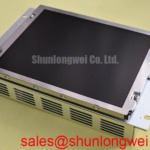
MDT962B-1A: 9.4-inch Monochrome VGA Display for Industrial Instrumentation
Engineered for Clarity and Longevity in Demanding Environments
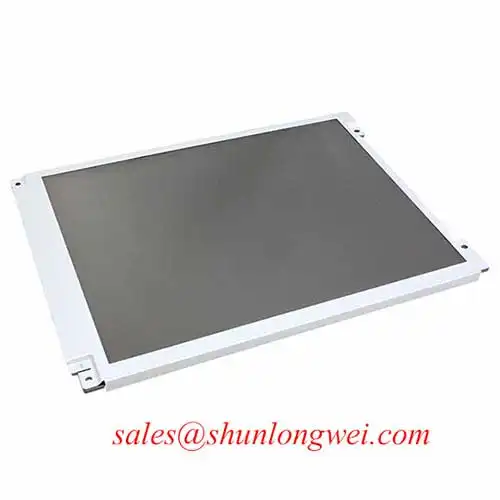
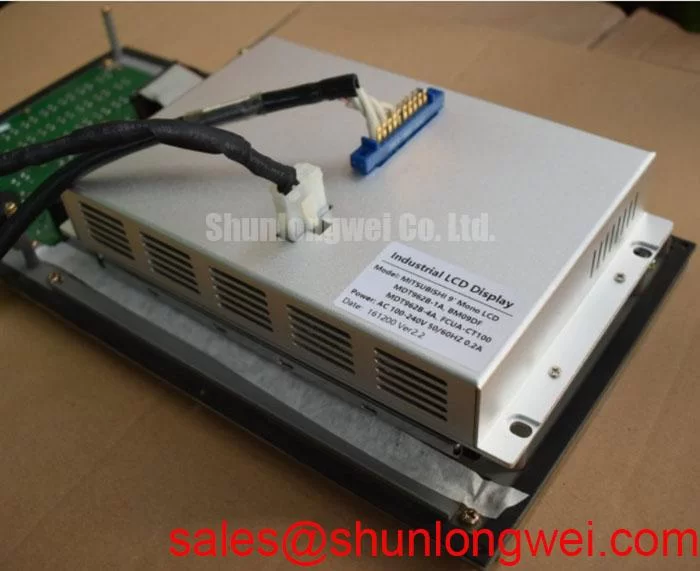
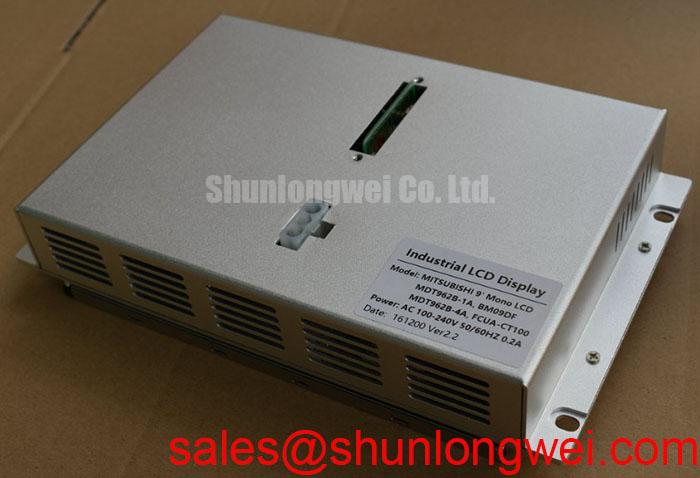
The MDT962B-1A is a 9.4-inch STN monochrome LCD module delivering robust, high-contrast performance for legacy and specialized industrial systems. Key Specifications: 640x480 VGA Resolution | 150 cd/m² Brightness | CCFL Backlight. This display provides exceptional readability and proven long-term operational stability. It directly addresses the engineering challenge of sourcing reliable, form-fit-function replacements for critical Human-Machine Interface (HMI) applications in established manufacturing and control environments. For industrial systems requiring a maintenance-free, direct-replacement display, the MDT962B-1A is the optimal choice for extending equipment lifespan.
Application Scenarios & Value
System-Level Benefits in Legacy Equipment Sustainment
The MDT962B-1A is engineered as a sustaining component for critical industrial and medical equipment where system recertification is a significant barrier. Its primary value lies in providing a direct, reliable replacement for aging displays in systems like CNC controllers, PLC interfaces, and specialized medical monitoring devices. Consider the challenge of a failed display on a production-line CNC machine; a full system upgrade is cost-prohibitive and introduces extensive downtime. The MDT962B-1A, with its standard 640x480 VGA resolution and established interface protocol, mitigates this by enabling a targeted, efficient repair that restores functionality without altering the validated system software or hardware. This extends the operational life of capital-intensive assets, ensuring a high return on investment. While this 9.4-inch panel is ideal for specific console dimensions, for applications requiring a smaller footprint, the AA084VC03 offers an 8.4-inch alternative.
Key Parameter Overview
Decoding the Specs for Sustained Field Performance
The technical specifications of the MDT962B-1A are tailored for environments that prioritize readability and long-term stability over color fidelity. The data presented here is a summary of its core operational characteristics.
| Parameter | Specification |
|---|---|
| Display Technology | STN (Super-Twisted Nematic) Monochrome LCD |
| Screen Size | 9.4 inches (24 cm) diagonal |
| Resolution | 640 x 480 pixels (VGA) |
| Pixel Pitch | 0.30 x 0.30 mm |
| Active Area | 192 x 144 mm |
| Luminance | 150 cd/m² (typical) |
| Contrast Ratio | 18:1 (typical) |
| Backlight System | 1x CCFL with integrated inverter |
| Interface | 15-pin FPC |
| Operating Temperature | 0°C to +50°C |
| Storage Temperature | -20°C to +60°C |
Technical Deep Dive
A Closer Look at the Merits of STN Monochrome Technology
In modern display technology, the choice of a monochrome TFT-LCD like the MDT962B-1A is a deliberate engineering decision rooted in application-specific requirements. Its Super-Twisted Nematic (STN) technology is optimized for presenting critical data—such as text, numerical readouts, and simple vector graphics—with maximum clarity and minimal ambiguity. The 18:1 contrast ratio is a key enabler of this performance. This figure represents the luminance difference between the brightest white and the darkest black state. Think of it like the legibility of black ink on white paper versus grey ink on light grey paper; the higher the contrast, the more effortless it is for the human eye to process the information, especially under the variable lighting conditions found in factory floors or control rooms. This inherent clarity reduces operator error and improves response times in critical monitoring tasks, a core requirement for any effective industrial HMI.
Frequently Asked Questions
Engineering Inquiries for the MDT962B-1A
What is the primary advantage of the CCFL backlight in the MDT962B-1A for its intended applications?
The Cold Cathode Fluorescent Lamp (CCFL) backlight provides a proven, stable, and cost-effective illumination source with a known performance lifecycle. For legacy systems, this ensures consistent brightness and compatibility with existing power and control circuits, simplifying the replacement process without needing to re-engineer the backlight driver.
How does the 640x480 VGA resolution benefit integration into legacy systems?
VGA was a long-standing standard for industrial controllers and embedded systems. By matching this native resolution, the MDT962B-1A eliminates the need for video signal scaling or conversion, which can introduce latency or artifacts. This ensures a "plug-and-play" hardware replacement where the existing system's graphic output is displayed exactly as intended.
Is the STN display technology susceptible to "burn-in" like older CRT displays?
No, STN LCD technology is not susceptible to the type of permanent phosphor burn-in seen in Cathode Ray Tube (CRT) displays. While displaying a static image for extreme durations can cause a temporary image retention effect, it is typically reversible by cycling the display or allowing it to rest. This makes it a far more durable choice for industrial interfaces that often show fixed graphical elements.
What does the 0°C to +50°C operating temperature range imply for system design?
This range is suitable for most indoor industrial and commercial environments, such as control rooms, laboratories, and factory floors that are environmentally controlled. It informs the system designer that the enclosure must provide adequate ventilation to keep the ambient temperature around the display within this specified range to ensure reliable operation and a long service life.
Strategic Value in Long-Cycle Systems
Integrating the MDT962B-1A is a strategic decision to maximize the value of existing, proven industrial infrastructure. In a landscape often focused on rapid technological advancement, maintaining and extending the life of reliable, certified systems represents a significant competitive advantage. This display module provides the critical component necessary to execute that strategy, ensuring that essential machinery continues to operate efficiently and safely, deferring massive capital expenditures and avoiding the risks associated with system-wide requalification. It is a testament to the principle that the most effective engineering solution is often the one that enhances and preserves existing value.