

Content last revised on September 10, 2026
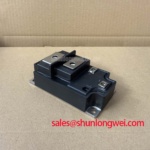
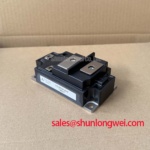
Toshiba MG500Q1US11 IGBT Module: High-Efficiency Power Switching for Industrial Systems
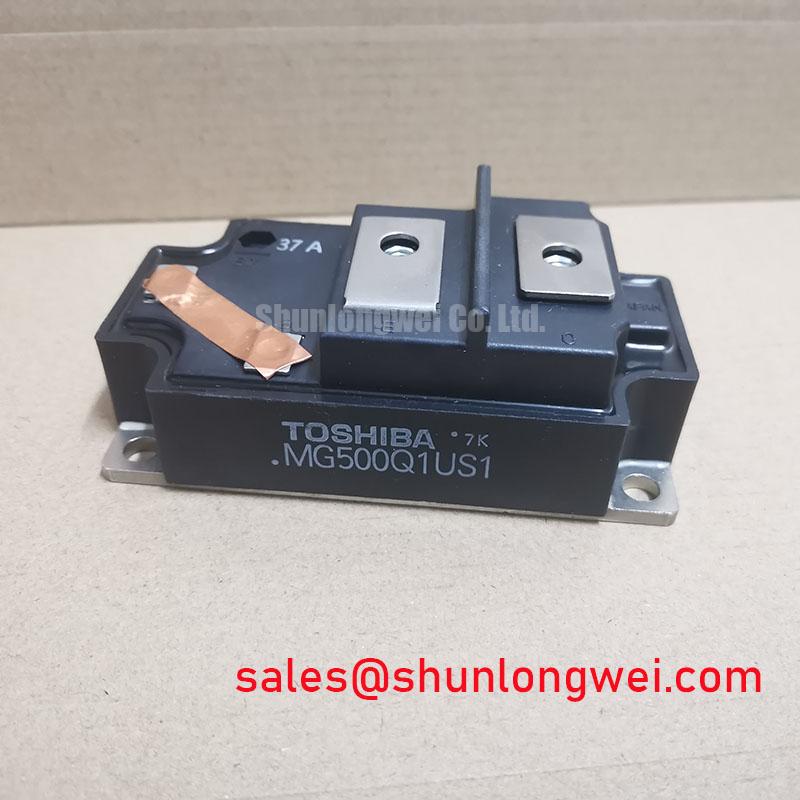
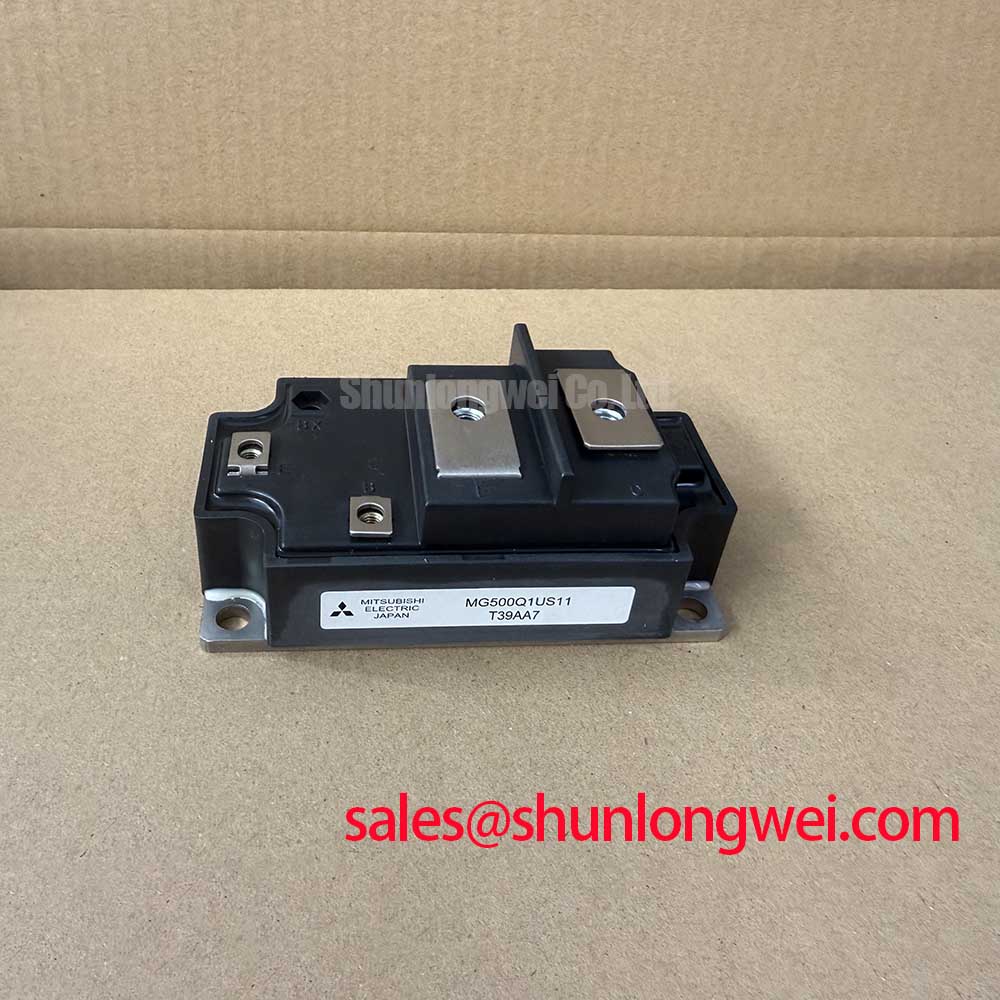
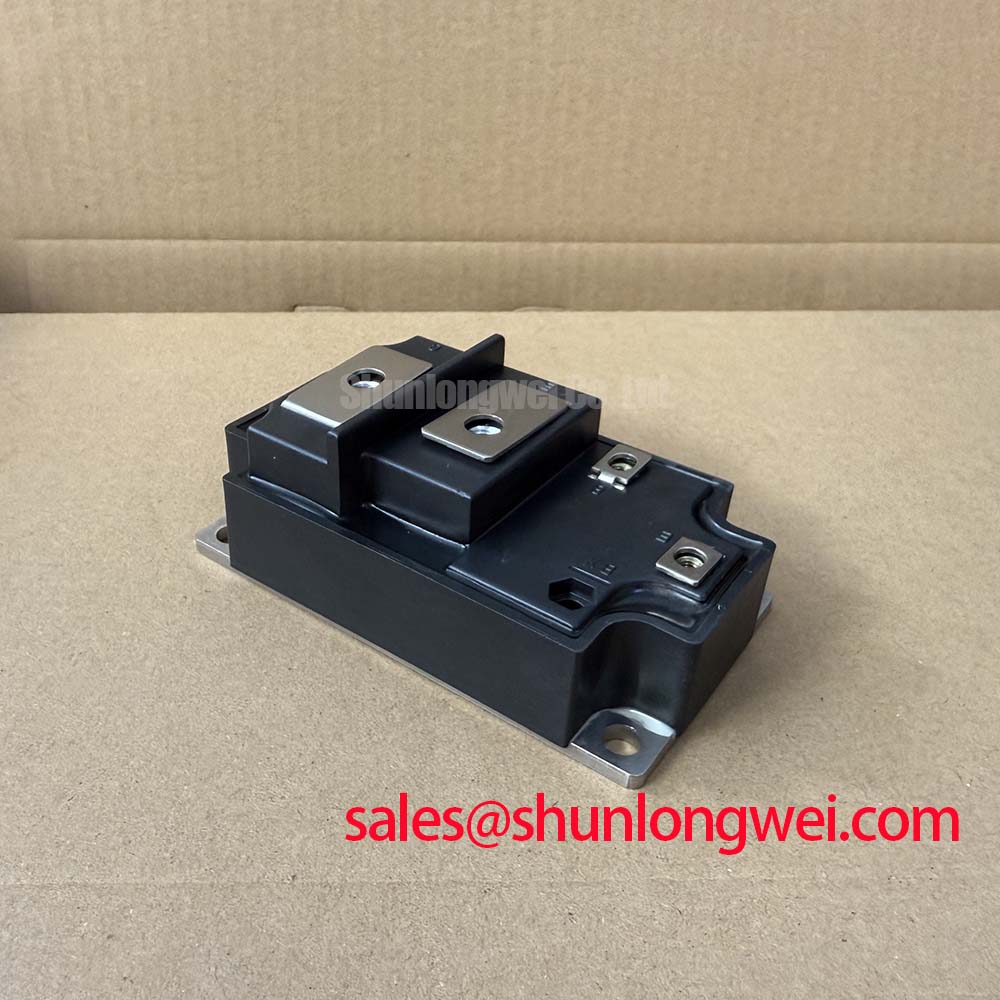
The Toshiba MG500Q1US11 is a high-power N-channel IGBT module engineered for high-speed switching applications in heavy industrial environments. By providing a 1200V collector-emitter voltage and a 500A collector current rating, this module empowers engineers to design high-efficiency power conversion stages with minimized conduction and switching losses. The integration of a fast-recovery free-wheeling diode within a single-unit package simplifies circuit design while enhancing system-level reliability in demanding motor control and inverter applications.
Top Specs: 1200V | 500A | Vce(sat) 3.0V (typ.)
Key Benefits: Superior thermal stability under heavy load; reduced electromagnetic interference via optimized switching characteristics.
Does the high current rating impact switching speed? The MG500Q1US11 utilizes an advanced structure that maintains a rapid fall time of 0.3 microseconds, ensuring that high current handling does not come at the expense of efficiency. For high-power 400V-480V inverter systems requiring maximum efficiency and thermal headroom, the MG500Q1US11 is the optimal choice.
Application Scenarios & Value
Achieving System-Level Benefits in High-Frequency Power Conversion
The MG500Q1US11 is primarily designed for large-scale power conversion systems where efficiency and heat management are non-negotiable. In the context of a Variable Frequency Drive (VFD) for industrial HVAC or heavy pumping stations, engineers often face the challenge of managing thermal runoff during high-torque startup phases. The 500A continuous current rating of this module provides the necessary overhead to handle these surges without requiring excessive paralleling of smaller components, which can lead to complex current-sharing issues.
Consider a high-power Solar Inverter design. The goal is to maximize the energy harvested from the DC strings and convert it to AC with minimal loss. The low saturation voltage (Vce(sat)) of the MG500Q1US11 significantly reduces conduction losses during the "on" state. To better understand these trade-offs, engineers may refer to an in-depth analysis of IGBT modules. For systems requiring a different footprint or slightly varied switching characteristics, the SKM500GA124D provides a comparable 1200V 500A capability within the Semikron ecosystem.
Beyond standard motor control, this module is an essential building block for Uninterruptible Power Supplies (UPS) and high-frequency induction heating. In these scenarios, the Safe Operating Area (SOA) of the device allows it to withstand the rigorous transients typical of inductive load switching. The engineering value lies in the module's ability to simplify the thermal design; a lower Vce(sat) translates to less heat generated, which can directly reduce the size and cost of the required heatsink assembly.
Key Parameter Overview
Decoding the Specs for Enhanced Thermal Reliability
The following table outlines the critical electrical and thermal characteristics of the Toshiba MG500Q1US11 based on the official manufacturer technical documentation. These values are essential for calculating system losses and defining the gate drive requirements.
| Parameter | Symbol | Typical / Max Value | Conditions |
|---|---|---|---|
| Collector-Emitter Voltage | Vces | 1200V | Tc = 25°C |
| Collector Current (DC) | Ic | 500A | Continuous operation |
| Collector-Emitter Saturation Voltage | Vce(sat) | 3.0V (typ.) | Ic = 500A, Vge = 15V |
| Fall Time | tf | 0.3 µs | Vcc = 600V, Ic = 500A |
| Thermal Resistance (Junction to Case) | Rth(j-c) | 0.05 °C/W | IGBT portion |
Download the MG500Q1US11 datasheet for detailed specifications and performance curves.
Technical Deep Dive
A Closer Look at Switching Dynamics and Thermal Efficiency
In power electronics, the performance of an IGBT is often a balancing act between conduction losses and switching losses. The MG500Q1US11 excels by utilizing an optimized chip structure that limits the "tail current" during turn-off. To use a mechanical analogy: if a standard high-power switch is like a heavy sliding door that takes time to settle, the MG500Q1US11 is more like a high-performance disc brake that snaps into position, dissipating energy rapidly and cleanly. This reduction in the switching energy (Eoff) allows for higher carrier frequencies, which in turn permits the use of smaller, lighter magnetic components in the filter stages.
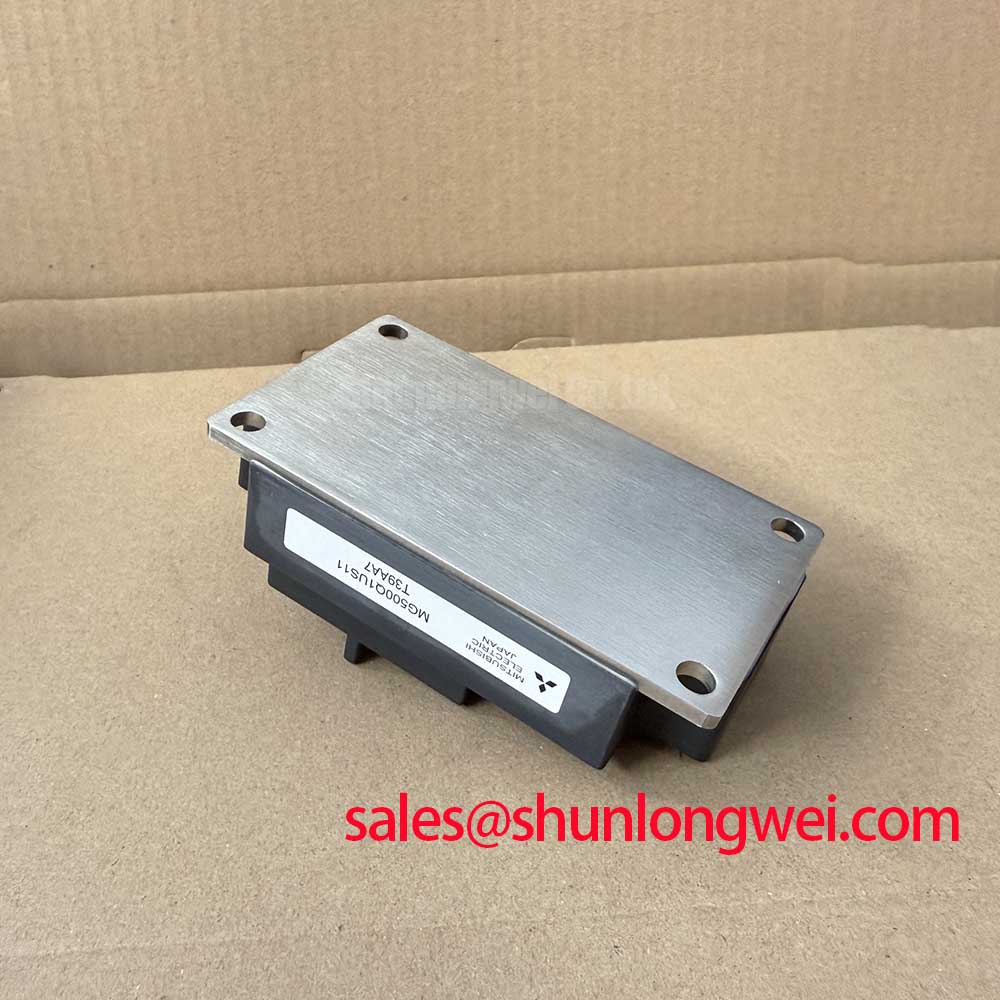
Furthermore, the Rth(j-c) of 0.05 °C/W is a critical figure for long-term reliability. This extremely low thermal resistance indicates that the internal silicon dies are efficiently coupled to the copper baseplate. In high-power applications, even a fraction of a degree per watt can determine whether a module survives a peak load event or suffers from thermal fatigue over thousands of power cycles. Designers looking to optimize these parameters should explore why Rth matters for thermal management to ensure their cooling solution matches the module's potential.
Industry Insights & Strategic Advantage
Aligning Power Density with Global Energy Standards
As global regulations such as IEC 61800-9 place stricter efficiency requirements on power drive systems, the selection of the IGBT module becomes a strategic decision rather than a purely technical one. The MG500Q1US11 enables manufacturers to meet "International Efficiency" (IE) classes for motor drives by cutting the wasted energy that typically escapes as heat. This shift toward high-efficiency semiconductors is a cornerstone of Industrial 4.0, where energy data and hardware performance are integrated to reduce the total cost of ownership (TCO).
Strategically, using a high-capacity single-switch module like the MG500Q1US11 allows for a modular inverter design. This modularity means that a single cabinet design can be scaled across multiple power ratings by simply adjusting the cooling and gate drive parameters, rather than redesigning the entire PCB layout for discrete components. For insights into the future of this technology, read more about the global IGBT market outlook.
FAQ
Common Engineering Questions Regarding the MG500Q1US11
How does the 0.05 °C/W thermal resistance influence heatsink selection?
The low thermal resistance means that the temperature gradient between the junction and the case is minimal even at 500A. This allows for the use of a smaller heatsink or lower-RPM fans while maintaining safe operating temperatures, directly contributing to higher system power density.
What is the primary benefit of the internal free-wheeling diode’s fast recovery?
The fast-recovery characteristic minimizes the reverse recovery current (Irr), which in turn reduces the turn-on energy (Eon) of the opposite IGBT in a half-bridge configuration. This is essential for preventing overheating during high-frequency PWM operation.
Can the MG500Q1US11 be used in parallel for higher current requirements?
Yes, but it requires careful matching of the Vce(sat) and careful gate drive layout to ensure balanced current sharing. Because these modules have a positive temperature coefficient at high currents, they naturally tend to balance the load, though symmetrical busbar design remains a requirement.
Is this module suitable for 690V AC line applications?
While the 1200V rating provides a margin for 480V systems, 690V systems typically see DC bus voltages exceeding 1000V. For such applications, a 1700V rated module is generally recommended to provide an adequate safety margin against voltage spikes and cosmic ray induced failures. Refer to Infineon for comparative data on higher voltage architectures.
As a leading distributor of high-power semiconductors, we provide the technical data necessary for precise engineering decisions. For availability and detailed pricing for the Toshiba MG500Q1US11, please consult our technical sales team. Our goal is to ensure your design transitions seamlessly from the schematic to the industrial field with maximum reliability.