Content last revised on September 10, 2026
P1210XGF1MB00 Tianma 12.1-inch XGA Industrial LCD Panel Engineering Analysis
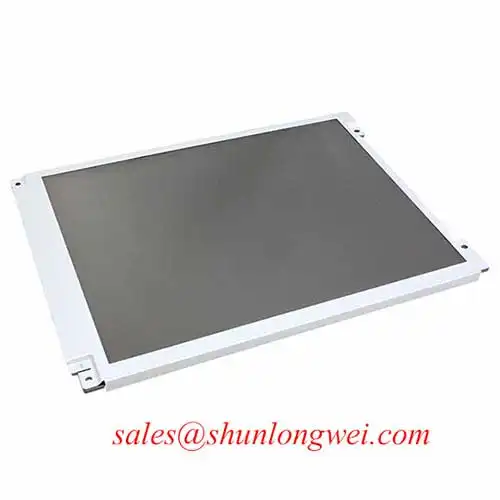
The P1210XGF1MB00, manufactured by Tianma, represents a high-performance 12.1-inch TFT-LCD designed specifically for the rigorous demands of industrial automation and human-machine interface (HMI) environments. As a professional electronic components distributor, we provide the following technical data to assist OEM engineers and procurement specialists in evaluating this module’s suitability for mission-critical applications where optical clarity must be matched by mechanical resilience.
Optical clarity meets industrial-grade durability in this XGA-resolution solution, optimized for long-term stability in diverse operating conditions. Key specifications include a 1024x768 resolution, LVDS interface, and a robust LED backlight system. This module effectively addresses the challenge of maintaining display integrity in environments subject to temperature fluctuations and mechanical vibration. For industrial systems requiring precise visualization, the P1210XGF1MB00 serves as a reliable building block for modern control platforms.
Key Parameter Overview
Detailed Specification Matrix for Precise System Integration
To ensure seamless integration into existing industrial architectures, understanding the physical and electrical boundaries of the P1210XGF1MB00 is essential. The following data is synthesized from the official manufacturer documentation to provide a clear technical baseline.
| Characteristic | Specification Value |
| Screen Size | 12.1 inches |
| Resolution | 1024 (RGB) × 768 [XGA] |
| Display Mode | SFT (Super Fine Technology), Normally Black, Transmissive |
| Luminance | 500 cd/m² (Typical) |
| Contrast Ratio | 1000:1 (Typical) |
| Interface Type | LVDS (1 ch, 6/8-bit), 20-pin Connector |
| Backlight Unit | WLED (White LED) |
| Operating Temperature | -30°C to +80°C |
| Storage Temperature | -40°C to +90°C |
Application Scenarios & Value
Engineering Resilience into Modern Industrial HMI Solutions
The P1210XGF1MB00 is particularly effective in high-fidelity engineering scenarios, such as outdoor-facing medical diagnostics or factory floor control panels. Consider an industrial CNC machining center where ambient lighting varies drastically and cooling systems create significant thermal cycles. The 1000:1 contrast ratio ensures that critical safety data remains visible even under direct overhead lighting, while the -30°C to +80°C operating range prevents the "ghosting" or "black-out" effects common in consumer-grade displays during cold starts or high-heat operation.
For systems requiring high data density, the XGA (1024x768) resolution provides the necessary real estate to display complex wave-forms and multi-parameter monitoring tools without pixelation. The LVDS interface facilitates high-speed data transmission with low electromagnetic interference (EMI), which is vital in medical HMI applications where signal integrity near sensitive imaging equipment is paramount. Utilizing a TFT-LCD with such specialized optical characteristics allows designers to reduce the complexity of external shielding and thermal management systems.
While this model is optimized for high-performance 12.1-inch industrial requirements, for systems requiring a smaller footprint with similar ruggedization, the related LB070WV3-SH01 offers a 7-inch alternative for constrained spaces.
Series Internal Comparison & Positioning
Strategic Positioning within the 12.1-inch Industrial Panel Ecosystem
In the broader landscape of Tianma industrial displays, the P1210XGF1MB00 is positioned as a "Performance-Grade" module. Unlike standard industrial panels that may offer only TN-mode viewing angles, this unit utilizes SFT (Super Fine Technology), which is comparable to IPS (In-Plane Switching). This provides ultra-wide viewing angles, ensuring color consistency regardless of the operator's position relative to the screen. To understand the physics behind these advancements, engineers can explore the IPS technology framework.
Think of the SFT technology in this panel like a high-end aviation instrument; just as a pilot must read an altimeter accurately from any angle during a maneuver, a factory technician must be able to verify pressure readings on a P1210XGF1MB00 from across the work floor without color inversion or loss of detail. This "cockpit-grade" reliability is what distinguishes the XGF series from standard amorphous silicon (a-Si) alternatives.
Industry Insights & Strategic Advantage
Adapting to the Evolution of Rugged Automation Standards
As the industry moves toward Industrial 4.0, the demand for high-resolution displays that can withstand 24/7 operation has surged. The P1210XGF1MB00 aligns with modern sustainability and efficiency trends by utilizing a high-efficiency WLED backlight. This reduces power consumption compared to older CCFL-based panels, a critical factor for centralized control rooms managing hundreds of nodes. Furthermore, the integration of LED backlighting improves the total cost of ownership (TCO) by eliminating the high-voltage inverters required for older technologies and extending the display's lifespan.
The engineering trend in 800V platforms and robotic servo drives often involves high-frequency switching that can interfere with display signals. The P1210XGF1MB00 addresses this through its integrated LVDS design, which inherently provides better noise immunity. Strategic adoption of such modules ensures compliance with IEC 61800-3 standards for EMC in industrial drives, reducing the need for costly post-design filtering. For further reading on high-efficiency power integration, see our guide on industrial HMI solutions.
Engineering FAQ
Optimizing P1210XGF1MB00 for High-Reliability Designs
How does the SFT display mode benefit an HMI used in high-vibration heavy machinery?
Unlike traditional TN panels where physical pressure or vibration can cause temporary "rippling" or color distortion, SFT technology maintains its molecular orientation more rigidly. This ensures that the P1210XGF1MB00 provides a stable image even in environments like mining or heavy construction, where constant mechanical stress is present.
What is the primary benefit of its LVDS interface for industrial integration?
It utilizes a standard LVDS interface for high-speed data transmission. This minimizes the number of wires required for the connection, which reduces both the physical footprint and potential points of failure, while significantly lowering EMI emissions compared to TTL interfaces.
How does the wide operating temperature range affect the longevity of the LED backlight?
The -30°C to +80°C range is supported by specialized thermal bonding of the LED strings. This prevents thermal runaway in high-heat scenarios and ensures the LEDs reach their full rated lifespan, even when the panel is mounted in unventilated outdoor enclosures or near high-heat dissipation components like IGBT modules.
For engineers finalizing their system architecture, the P1210XGF1MB00 provides a robust balance of optical performance and environmental hardiness. Its standardized 12.1-inch form factor and LVDS connectivity make it a strategic choice for both new designs and life-cycle extensions of existing industrial equipment.