Content last revised on September 10, 2026
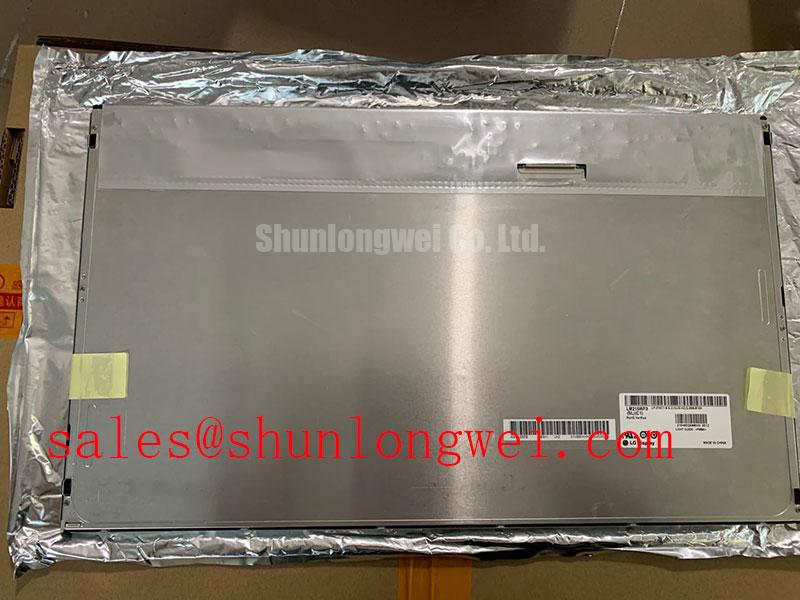
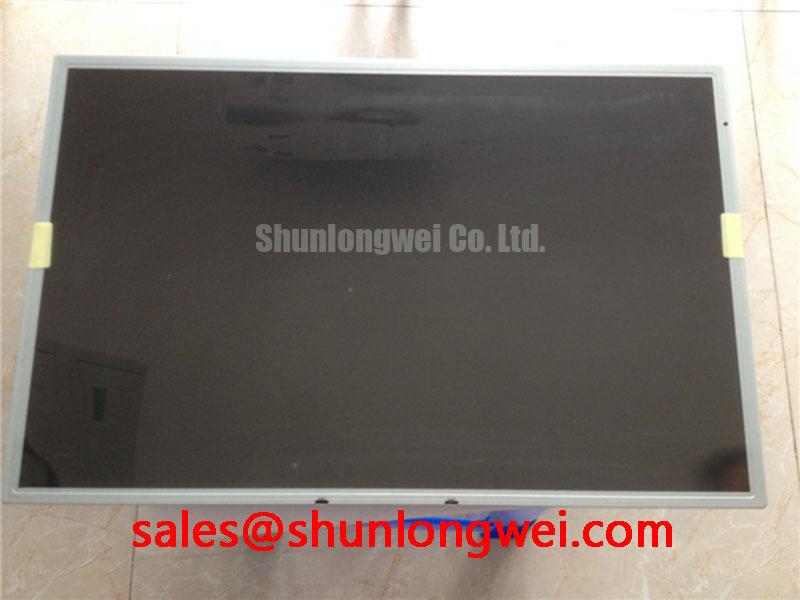
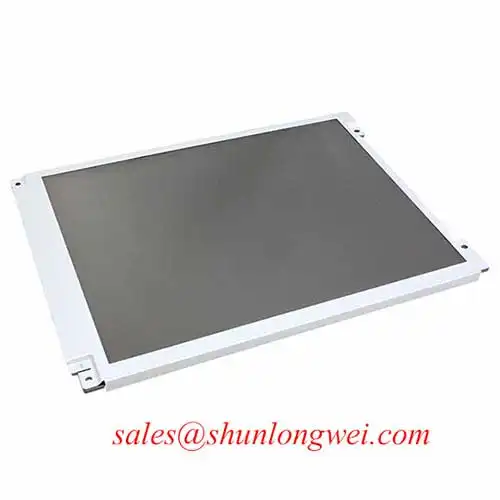
P215HAN02.0 AUO 21.5-inch 1920x1080 FHD AHVA Industrial LCD Panel
Introduction to High-Fidelity Industrial Visualization
Overcoming Color Shift and Visibility Constraints in Wide-Format Terminals
Are your operators struggling with color washout or grayscale inversion when viewing industrial terminals from off-center angles? In many complex monitoring environments, such as centralized control rooms or medical imaging stations, the inability to maintain visual consistency from side perspectives can lead to critical data misinterpretation. The P215HAN02.0, a premium 21.5-inch TFT-LCD from AUO, specifically addresses this challenge by utilizing AHVA (Advanced Hyper-Viewing Angle) technology to deliver a true 178-degree viewing cone without the typical color distortion found in standard TN panels.
UVP Statement: High-clarity AHVA technology provides consistent 8-bit color accuracy and FHD resolution for professional-grade industrial HMI and medical displays.
Top Specs: 1920x1080 Resolution | 250 cd/m² Brightness | 1000:1 Contrast Ratio
Key Benefits: Eliminate 89/89/89/89 viewing angle limitations; integrate easily via LVDS (2 ch, 8-bit).
Core Question: How does the AHVA technology in this model improve operator safety? By ensuring that critical alarms and waveforms remain visible and color-accurate regardless of the operator's standing position relative to the screen. For industrial control rooms requiring consistent FHD visualization across wide viewing angles, the P215HAN02.0 is the optimal choice.
Frequently Asked Questions
Addressing Engineering Concerns for Display Integration
How does the AHVA technology in the P215HAN02.0 specifically prevent color washout at extreme 89-degree angles?
Unlike traditional twisted nematic (TN) structures where liquid crystals tilt, the AHVA (Advanced Hyper-Viewing Angle) technology in the P215HAN02.0 keeps the liquid crystal molecules parallel to the glass substrate during switching. This physical orientation ensures that light passes through with minimal phase shift across all axes, maintaining a 1000:1 Contrast Ratio even when viewed from the extreme periphery. This is technically similar to IPS (In-Plane Switching), providing superior color fidelity.
What is the significance of the LVDS (2 ch, 8-bit) interface for signal integrity in noisy industrial environments?
The LVDS Interface on the P215HAN02.0 utilizes Low Voltage Differential Signaling, which is inherently resistant to electromagnetic interference (EMI). By transmitting data over two channels (2 ch) at 8-bit depth (supporting 16.7M colors), the system reduces the clock rate required per lane. This lower frequency reduces radiated emissions, making it easier to achieve EMC compliance in heavy industrial settings.
Does the 250 cd/m² brightness level suffice for typical indoor industrial HMI applications?
Yes, 250 cd/m² is the industry standard for controlled indoor environments. When combined with the Antiglare surface treatment and Hard coating (3H), the P215HAN02.0 effectively diffuses ambient reflections, ensuring the 1920x1080 resolution remains sharp without requiring excessive power for the WLED backlight, thereby extending the thermal lifespan of the unit.
Key Parameter Overview
Decoding the Specs for Enhanced Thermal Reliability
| Technical Specification | Value / Detail | Engineering Value |
|---|---|---|
| Manufacturer | AUO (AU Optronics) | Global leader in industrial LCDs |
| Screen Size | 21.5 inch | Standard widescreen for 16:9 HMI |
| Resolution | 1920(RGB)×1080 (FHD) | High-density 102 PPI visualization |
| Display Mode | AHVA, Normally Black, Transmissive | Ultra-wide viewing angle performance |
| Luminance | 250 cd/m² (Typ.) | Optimized for indoor industrial use |
| Interface | LVDS (2 ch, 8-bit), 30 pins | High-speed, low EMI data transfer |
| Operating Temp | 0 ~ 50 °C | Suitable for climate-controlled factories |
| Backlight Type | WLED, 30K hours | Mercury-free, energy-efficient lighting |
A Closer Look at the AHVA Architecture and Signal Integrity
The engineering excellence of the P215HAN02.0 lies in its a-Si TFT-LCD substrate combined with AHVA technology. Think of the AHVA technology like a high-end art gallery lighting setup: no matter where you stand in the room, the painting looks exactly as the artist intended, without glare or darkened corners. This panel supports a Color Gamut of 72% NTSC, ensuring that color-coded safety information (red for danger, green for safe) is rendered with the necessary saturation to be unmistakable in high-pressure environments.
From an electrical perspective, the LVDS (2 ch, 8-bit) interface acts like a balanced high-speed data highway. To understand its value, consider the analogy of a high-quality balanced audio cable used in concerts; it rejects the "noise" of the environment by using differential signals. This ensures that the FHD image on the P215HAN02.0 remains crisp and free from jitter or "sparkling" artifacts, even when the display is mounted near high-power IGBT Module drives or industrial motors. For engineers designing for long-term reliability, the 30,000-hour WLED life provides a stable foundation for 24/7 operation cycles.
Application Scenarios & Value
Achieving System-Level Benefits in High-Fidelity Monitoring
The P215HAN02.0 is frequently integrated into medical diagnostic equipment and high-end industrial control consoles. In a medical imaging scenario, the 89/89/89/89 viewing angles are indispensable. When multiple specialists are huddled around a single monitor to review FHD vitals, the P215HAN02.0 ensures that the specialist on the far left sees the same contrast and color as the one in the center, preventing diagnostic errors caused by viewing angle distortion.
In factory automation, this 21.5-inch panel provides the large screen real estate needed for information-dense HMI layouts. The 1920x1080 resolution allows for the simultaneous display of complex schematics and real-time data logs without the need for scrolling. While this model is ideal for standard indoor industrial clarity, for applications requiring significantly higher sunlight readability, the related G215HAN01.1 offers a higher brightness rating of 1000 nits. Engineers might also consider the G215HVN01.1 for different contrast characteristics depending on the specific optical bonding requirements of the final enclosure.
To deepen your understanding of these technologies, explore our resources on TFT-LCD industrial applications or compare different panel types in our TN vs IPS selection guide. These engineering insights are designed to support your transition from component selection to full system integration in accordance with IEC 61800-3 EMC standards and industrial durability requirements.
Strategic consideration of display components is the cornerstone of sustainable HMI design. By prioritizing the AHVA technology and LVDS signal integrity of the P215HAN02.0, designers can significantly reduce the total cost of ownership through improved operator efficiency and reduced hardware troubleshooting in the field.