



Content last revised on September 10, 2026
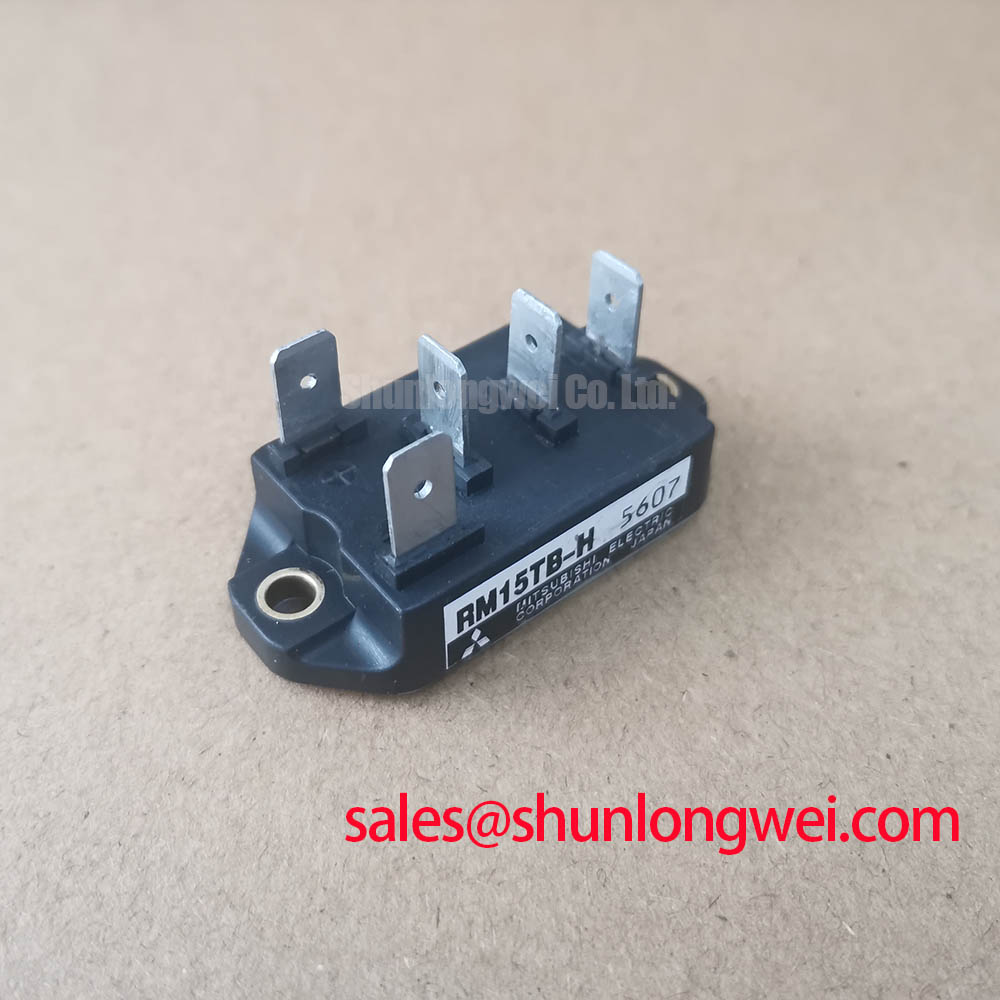
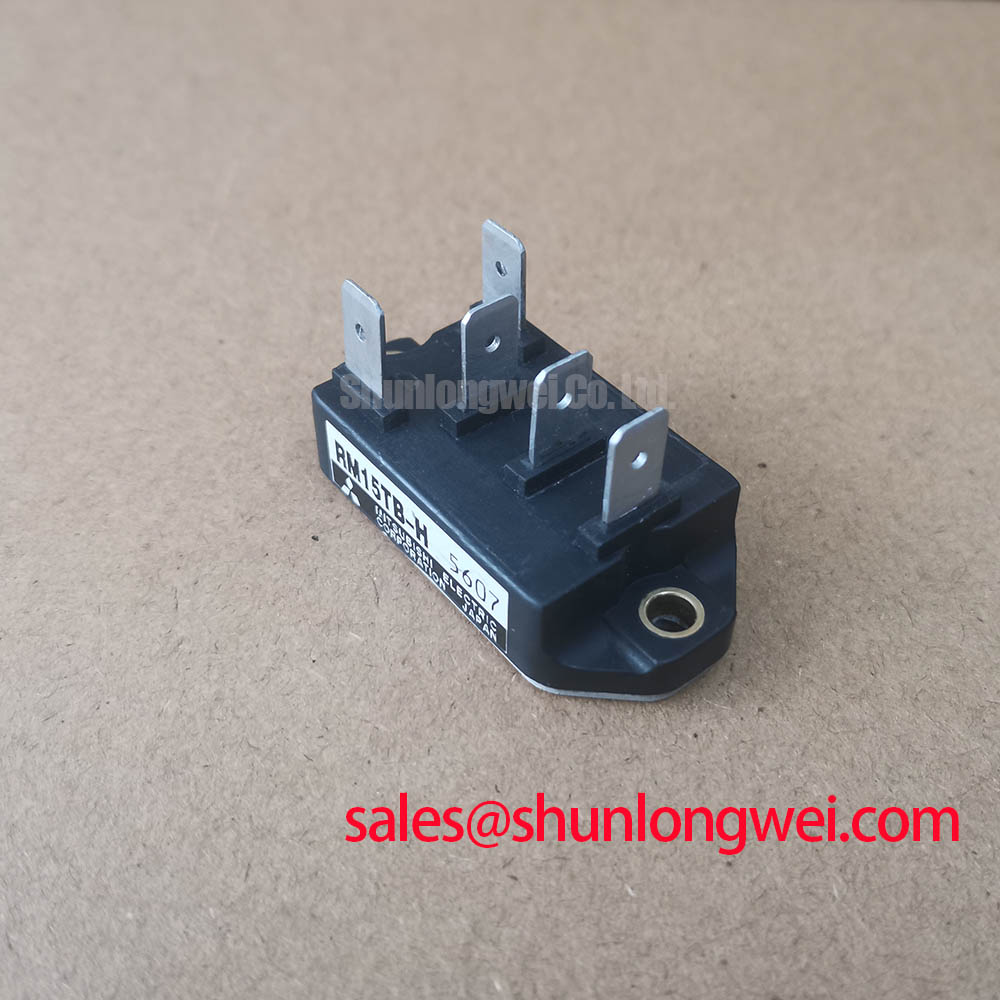
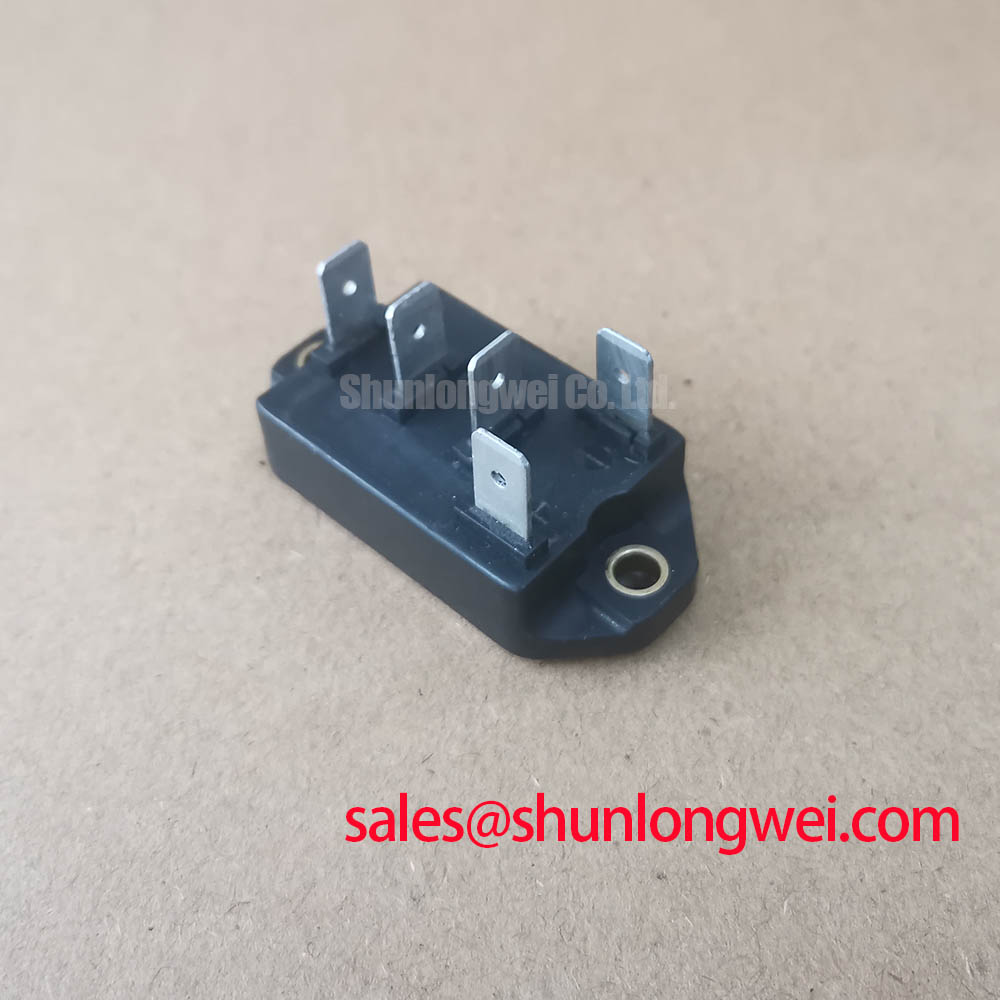
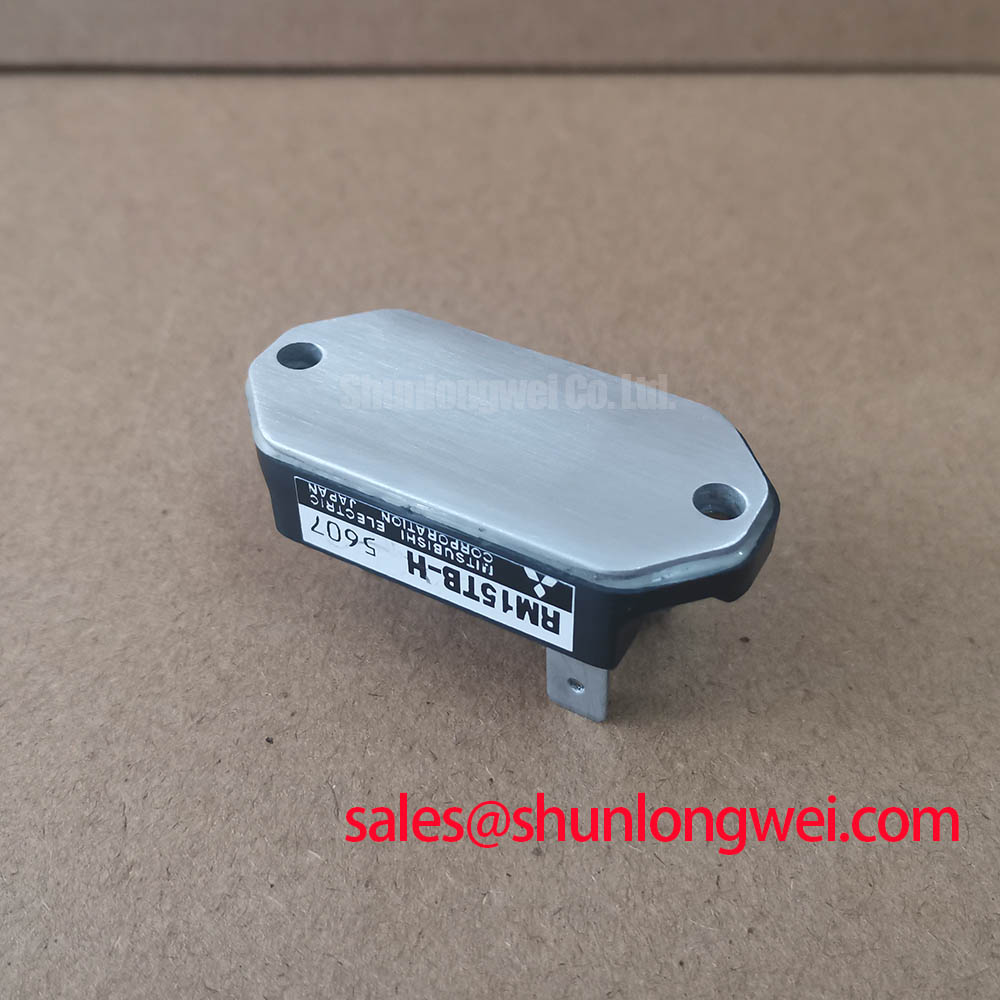
RM15TB-H Thyristor Module: Technical Analysis for Reliable Power Rectification
An In-Depth Engineering Review of the Mitsubishi RM15TB-H 15A, 800V Three-Phase Rectifier Module
The Mitsubishi RM15TB-H Thyristor Module provides robust and thermally stable AC-to-DC rectification, engineered for reliability in demanding industrial power conversion systems. With core specifications of 800V | 15A | Tjmax 125°C, this module delivers two critical engineering benefits: consistent performance under thermal stress and simplified system design. It directly addresses the challenge of building reliable front-end rectifiers by offering a well-defined thermal pathway and high electrical isolation. For low-power three-phase motor drives or power supplies requiring dependable, long-term operation, the RM15TB-H's conservative thermal design makes it an optimal choice.
Application Scenarios & Value
System-Level Benefits in Industrial Automation and Motor Control
The primary value of the RM15TB-H is realized in applications where long-term reliability and thermal stability are paramount. Consider its use as the main input rectifier stage for a small-to-medium Variable Frequency Drive (VFD) or a centralized power supply for factory automation equipment. In these scenarios, engineers often face the challenge of designing systems into compact, sometimes sealed, NEMA enclosures where airflow is restricted. The module's specified thermal resistance from junction to case (Rth(j-c)) of 1.6°C/W per element is a critical parameter. This figure allows for precise heatsink calculation, ensuring the junction temperature remains safely below the 125°C maximum, even under full load conditions. This predictable thermal performance prevents premature component failure and enhances the overall service life of the end equipment. For systems that demand higher current capacity, the related RM50TC-2H offers a higher current rating within a similar operational framework.
Key Parameter Overview
Defining Performance Through Core Electrical and Thermal Specifications
The specifications of the RM15TB-H are tailored for controlled, reliable power conversion. The parameters below form the basis for system integration, thermal management, and safety compliance.
| Parameter Group | Specification | Value | Engineering Implication |
|---|---|---|---|
| Voltage Ratings | Repetitive Peak Reverse/Off-State Voltage (VRRM/VDRM) | 800V | Provides sufficient design margin for operation on 380V/400V AC lines, protecting against typical line transients. |
| Isolation Voltage (Visol) | 2500V (AC, 1 min.) | Ensures safety and compliance by providing robust electrical isolation between the live circuit and the module's baseplate. | |
| Current Ratings | Average On-State Current (IT(AV)) | 15A | Defines the module's continuous DC output capability, suitable for powering lower-horsepower AC motors or control systems. |
| Surge On-State Current (ITSM) | 210A (50Hz) | Critical for withstanding inrush currents during system startup or motor starting without degradation. | |
| Thermal Characteristics | Operating Junction Temperature (Tj) | -40 to +125°C | A wide operating range ensures reliable performance across diverse industrial environments. |
| Thermal Resistance (Rth(j-c)) | 1.6 °C/W (Per Element) | This value is essential for thermal design. A lower Rth(j-c) signifies more efficient heat transfer from the silicon to the heatsink. Think of it like the width of a highway; a wider highway (lower resistance) allows more traffic (heat) to flow away from the city (the thyristor junction) smoothly, preventing gridlock (overheating). |
Frequently Asked Questions
How does the 2500V isolation voltage of the RM15TB-H benefit the overall system design?
The 2500V isolation rating is a key safety and design feature. It allows the module's baseplate to be directly mounted to a grounded chassis or heatsink without needing a separate, thermally inefficient insulating layer. This simplifies the mechanical assembly, improves the thermal management path, and helps designers meet safety standards like UL and IEC more easily.
What is the significance of the 125°C maximum junction temperature for a thyristor module in an industrial setting?
A maximum junction temperature of 125°C provides a significant thermal buffer for reliable operation. Unlike components rated for only 100°C, this higher limit allows the RM15TB-H to function dependably in environments with higher ambient temperatures or less-than-ideal airflow, which are common in industrial cabinets and control panels. This robustness is a cornerstone of building systems with a long operational lifespan.
Positioning and Selection Context
Understanding the RM15TB-H in the Broader Power Module Landscape
The RM15TB-H is specifically positioned for low-to-mid-power three-phase applications where controlled rectification is the goal. Its 15A rating makes it an ideal fit for AC motor drives under 5kW, general-purpose industrial power supplies, and battery charging front-ends. When compared to higher-current modules from a manufacturer like Mitsubishi, its primary advantage is not raw power but balanced performance. It offers sufficient power handling for a wide range of common applications without the cost and physical footprint of an oversized module, allowing for more compact and cost-effective system designs.
For inquiries regarding the RM15TB-H Thyristor Module or to discuss your specific power system requirements, please contact our technical support team for detailed information.


