
Content last revised on September 10, 2026
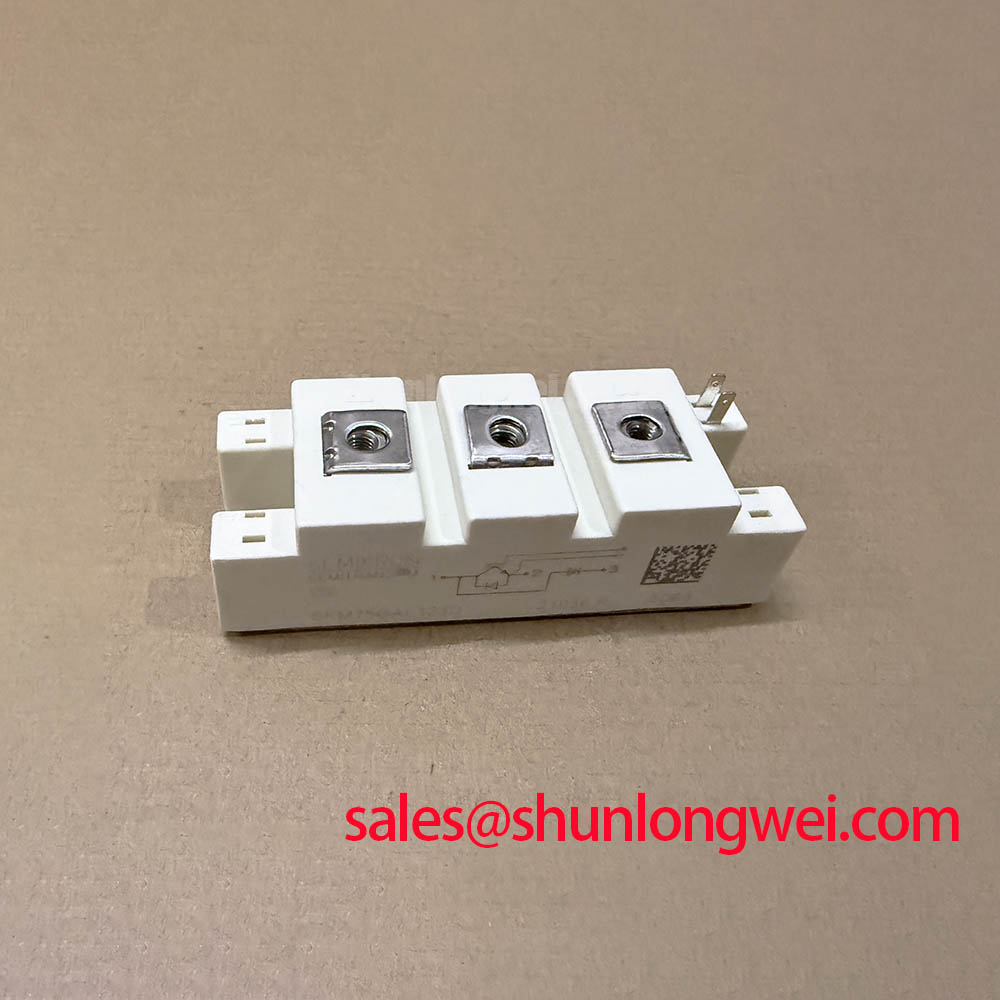
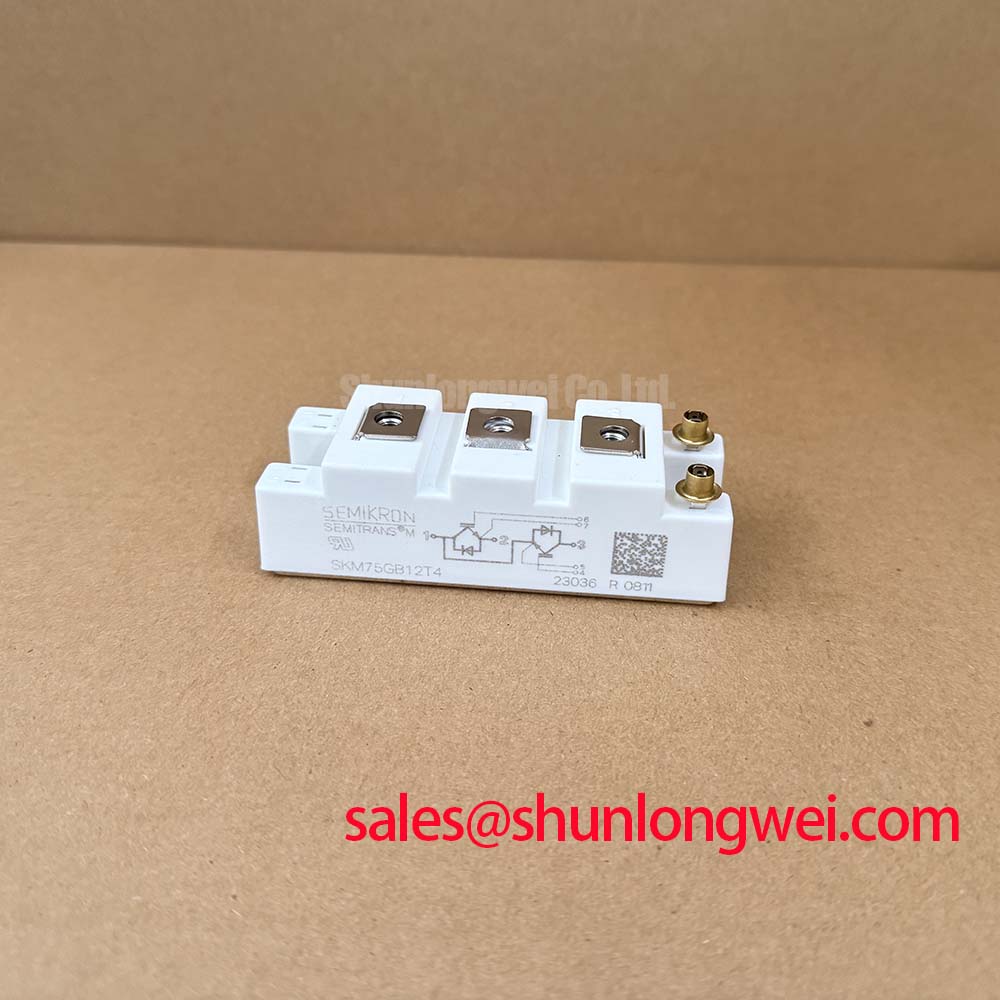
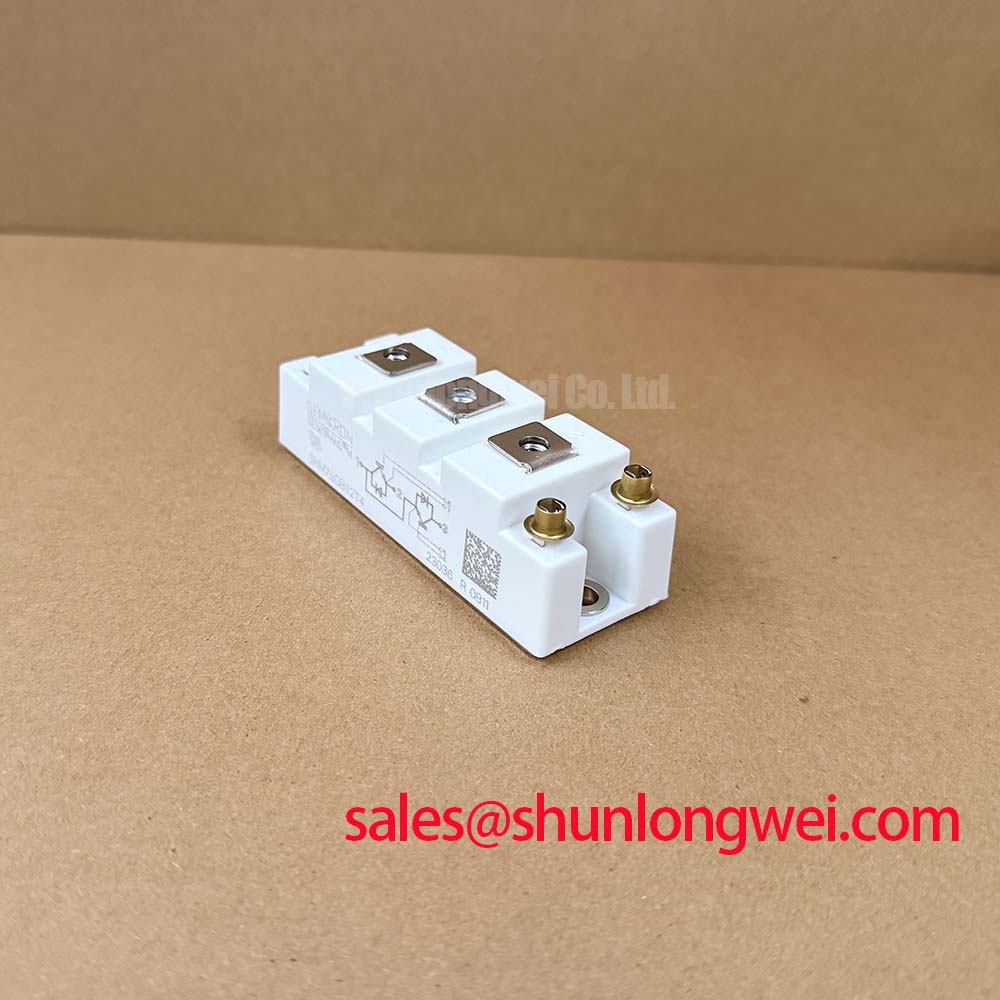
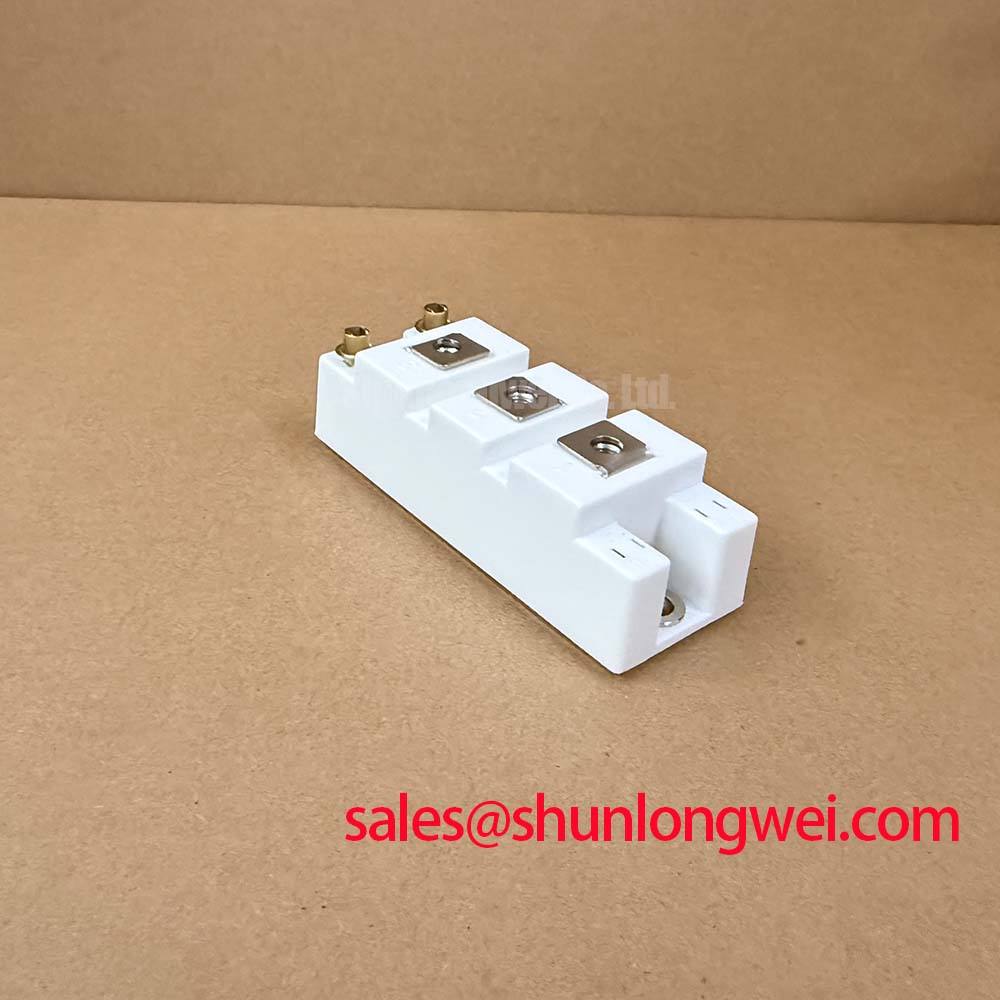
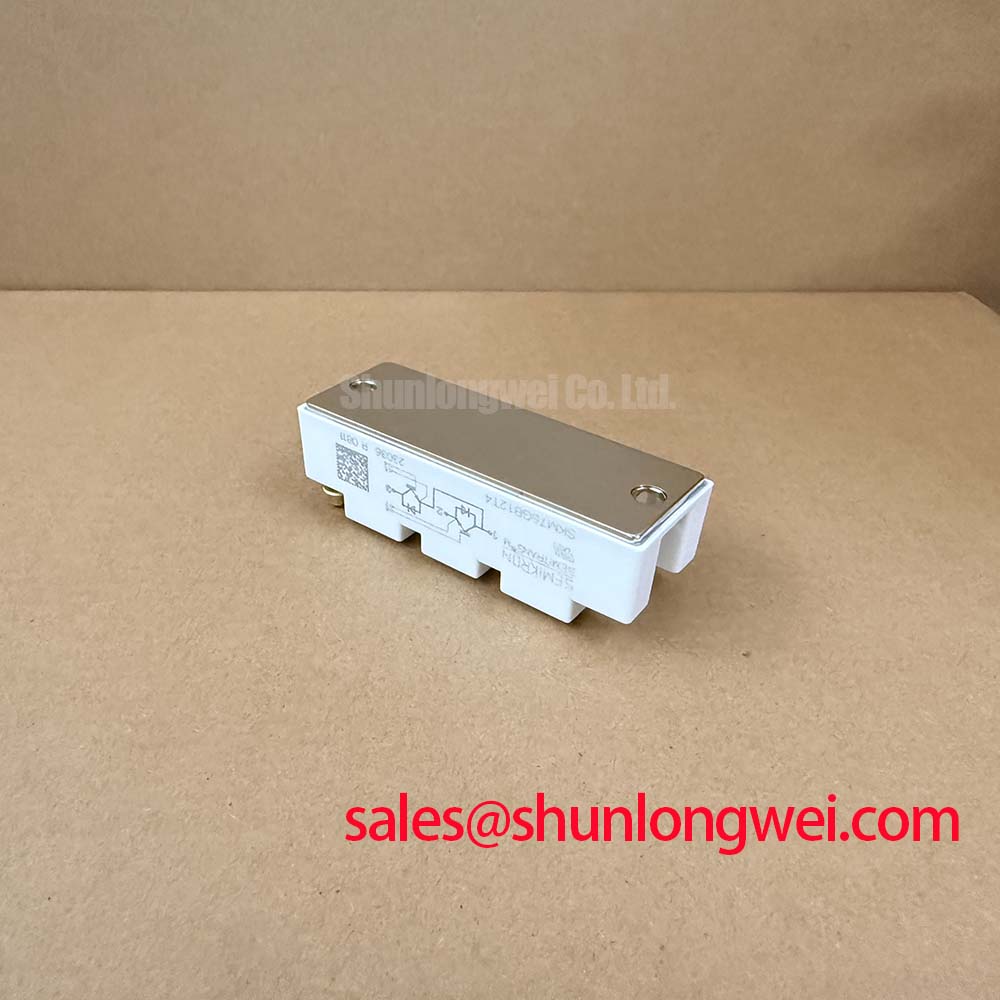
SKM75GB12T4 Semikron Dual IGBT Module
Overview of Semitrans 2 Power Modules
Optimizing Heat Transfer and Control in Mid-Power Inverters
Delivering low conduction losses and fast switching capabilities, this half-bridge module optimizes efficiency in space-constrained industrial drive designs. Key specifications include 1200V | 75A | Rth(j-c) 0.38 K/W. Key benefits include low saturation voltage minimizing conduction losses, and a Direct Bonded Copper baseplate enhancing thermal power cycling. The integrated gate resistor stabilizes switching transients, reducing electromagnetic interference (EMI) and simplifying external layouts. For mid-power AC inverters requiring switching frequencies up to 20kHz, this 1200V dual module represents the optimal balance of efficiency and thermal ruggedness.
Key Parameter Overview
Functionally Grouped Electrical and Thermal Specifications
The following parameters reflect the electrical limits and operating parameters derived from the official manufacturer documentation.
| Category | Specification Parameter | Symbol | Nominal / Maximum Value |
|---|---|---|---|
| Absolute Maximum Ratings | Collector-Emitter Voltage (Tj = 25°C) | VCES | 1200 V |
| Continuous Collector Current (TC = 80°C) | IC | 88 A | |
| Nominal Collector Current | ICnom | 75 A | |
| Isolation Voltage (AC, 1 min) | Visol | 4000 V | |
| Electrical Characteristics | Collector-Emitter Saturation Voltage (IC = 75A, Tj = 25°C) | VCE(sat) | 1.85 V (typ) / 2.10 V (max) |
| Gate-Emitter Threshold Voltage | VGE(th) | 5.8 V (typ) | |
| Internal Gate Resistance (Tj = 25°C) | RGint | 10 Ω | |
| Thermal Characteristics | Thermal Resistance (Junction to Case, per IGBT) | Rth(j-c) | 0.38 K/W |
| Thermal Resistance (Junction to Case, per Diode) | Rth(j-c) | 0.58 K/W |
Download the SKM75GB12T4 datasheet for detailed specifications and performance curves.
Application Scenarios & Value
Achieving Efficiency in Industrial Motor Drives and Power Conversion
In industrial systems, managing transient thermal loads is vital for preventing system outages. During motor startup or high-torque operations in a Variable Frequency Drive (VFD), startup currents can introduce high stress. The SKM75GB12T4 handles a nominal current of 75A and a peak collector current (ICRM) of 225A, ensuring reliable ride-through under motor startup surges.
This module is widely implemented in AC inverter drives, uninterruptible power supplies (UPS), and high-frequency servo drives. For systems requiring higher current handling, the related SKM100GB12T4 offers a nominal current of 100A, while the SKM200GB12T4 extends this performance to 200A.
Engineers evaluating these switching devices can consult our comprehensive analysis of IGBT modules to align their layout constraints. Proper heatsink coupling is necessary to mitigate thermal breakdown, as highlighted in our guide to IGBT thermal management.
Technical & Design Deep Dive
Analyzing Thermal Performance and Dynamic Switching Margins
Designing high-reliability inverter stages requires a granular understanding of the module's thermal constraints. The 4th-generation trench IGBT technology developed by Infineon is paired with Semikron CAL4 soft-switching diodes. This combination reduces both turn-on and turn-off losses, permitting switching frequencies up to 20 kHz.
What is the primary benefit of the integrated gate resistor? It stabilizes switching transients and simplifies layout design. How does the DBC baseplate improve reliability? It provides excellent thermal conductivity and electrical isolation.
Think of thermal resistance Rth(j-c) as the thermal bottleneck in a plumbing system. A lower value, such as 0.38 K/W, represents a wider pipe diameter, allowing heat to flow out of the silicon junction to the heatsink with minimal resistance. This parameter dictates the maximum power dissipation allowed before reaching the 175°C junction temperature limit.
Similarly, the integrated gate resistor of 10 Ω acts like a shock absorber on a car's suspension. It dampens electrical ringing and parasitic oscillations that occur during high-speed transitions, protecting the gate oxide from voltage spikes without requiring complex external dampening networks. Systems operating in harsh environments benefit from detailed diagnostic practices. Understanding these modes prevents catastrophic field failures, as detailed in our technical review on preventing and diagnosing key failure modes.
Frequently Asked Questions
Engineering Support and System Integration Inquiries
How does the temperature coefficient of VCE(sat) in the SKM75GB12T4 affect paralleled operations?
The module exhibits a positive temperature coefficient at high currents, rising from 1.85 V typical at 25°C to 2.28 V typical at 150°C. This characteristic naturally balances current distribution when modules are operated in parallel, avoiding localized thermal runaway.
What are the thermal benefits of the Direct Bonded Copper (DBC) baseplate in this module?
Direct Bonded Copper technology provides excellent electrical isolation rated at 4000V AC while maintaining low thermal resistance. This ensures rapid heat dissipation from the active IGBT chips to the heatsink, maximizing the module's power cycling capability.
Can the SKM75GB12T4 support switching frequencies above 15 kHz in electronic welding applications?
Yes, the 4th-generation fast trench technology and CAL4 diode are optimized for fast transient response. The module supports switching frequencies up to 20 kHz, making it suitable for compact welding power supplies and high-frequency inverters.
To secure technical support, verify lead times, or request detailed quotes for your production runs, contact our sales department. Our team provides fast, fact-based response times to support your component acquisition lifecycle.