
Content last revised on September 10, 2026
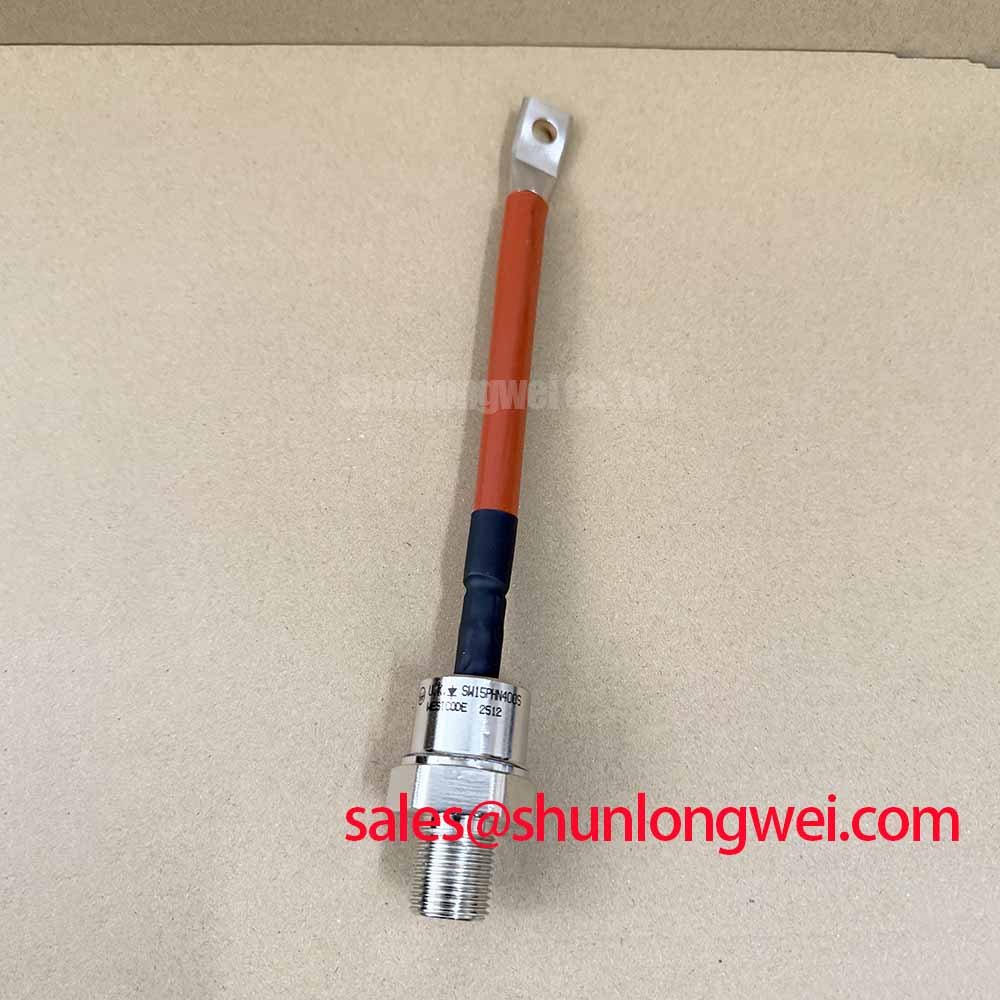
SW15PHN400S Westcode 1500V 400A Phase Control Thyristor Engineering Overview
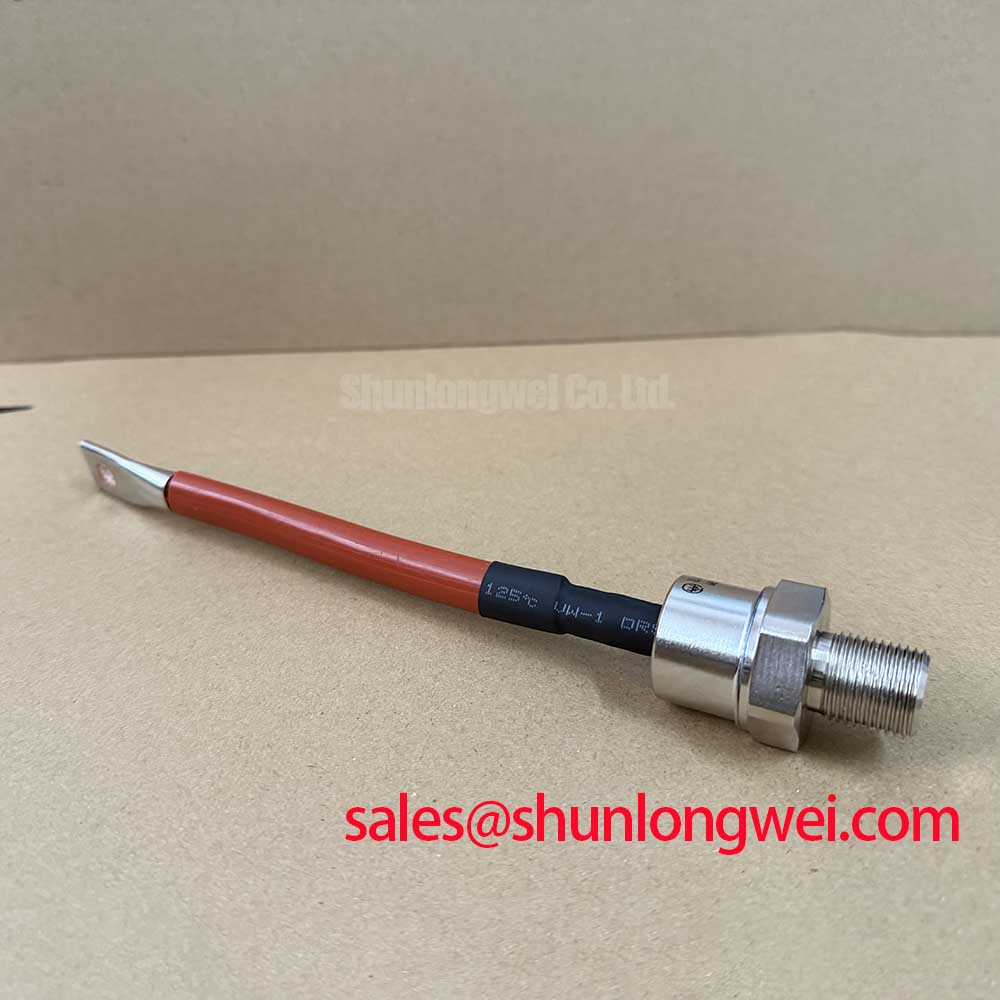
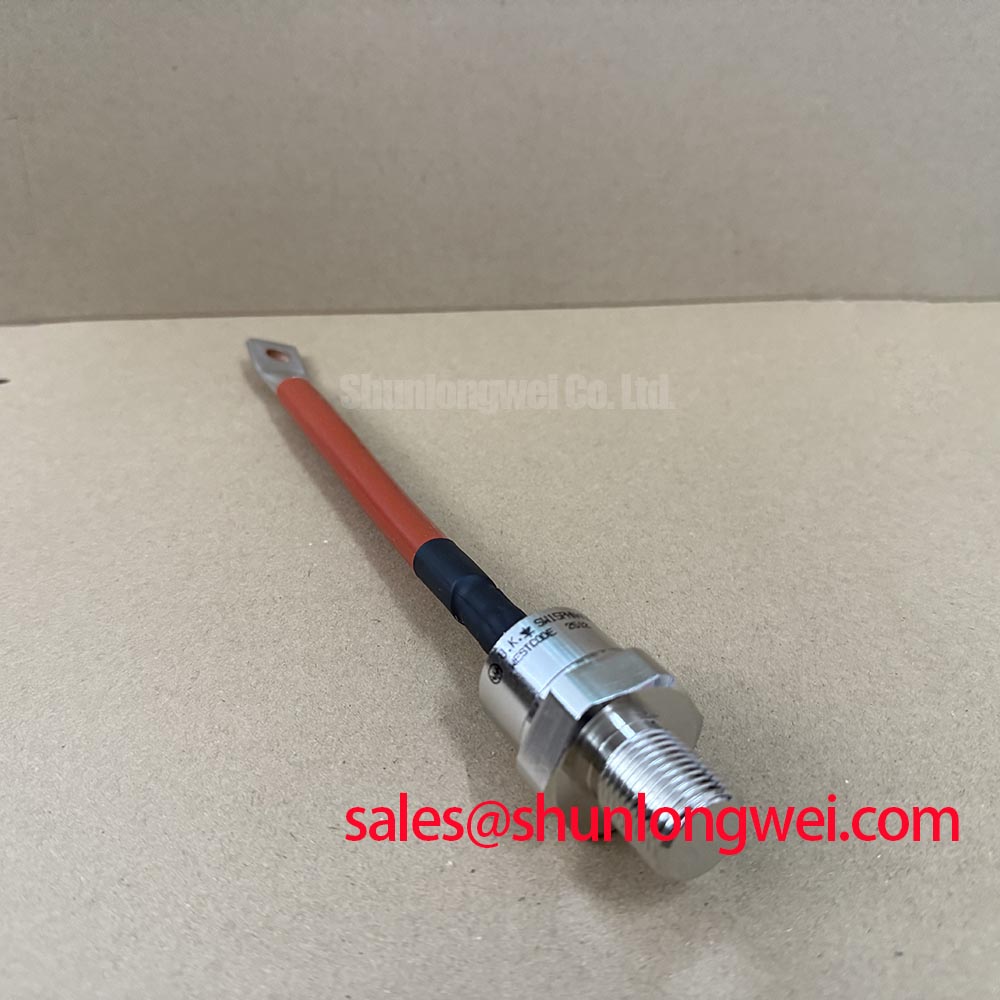
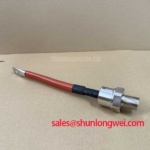
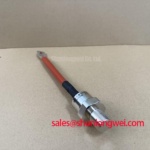
The SW15PHN400S, a high-performance Phase Control Thyristor from Westcode (an IXYS/Littelfuse brand), is designed for engineers requiring robust power switching and thermal stability in demanding industrial environments. This stud-type device offers a V_RRM of 1500V and an average on-state current I_T(AV) of 400A, making it a cornerstone for large-scale rectification and soft-starter applications. By utilizing advanced diffusion techniques and a rugged mechanical housing, it provides superior power handling while maintaining low conduction losses.
For industrial systems prioritizing long-term thermal margin and mechanical durability, the SW15PHN400S is an optimal choice for high-power phase-controlled rectification. What is the primary benefit of its stud-mount design? It ensures superior heat dissipation and mechanical stability in high-vibration industrial environments by establishing a direct, high-pressure thermal path to the heatsink.
Key Parameter Overview
Decoding the Specs for Enhanced Thermal Reliability
The following technical specifications represent the core operational boundaries of the SW15PHN400S. These values are critical for determining the cooling requirements and safety margins in 480V and 600V AC line applications.
| Parameter Description | Symbol | Typical Value |
|---|---|---|
| Repetitive Peak Reverse Voltage | V_RRM | 1500V |
| Average On-State Current (Tc = 85°C) | I_T(AV) | 400A |
| RMS On-State Current | I_T(RMS) | 628A |
| Peak One-Cycle Surge Current (50Hz) | I_TSM | 7000A |
| Maximum Operating Junction Temperature | T_jmax | 125°C |
| Thermal Resistance (Junction to Case) | R_thJC | 0.075 K/W |
| Mounting Torque | M | 25-30 Nm |
Application Scenarios & Value
Achieving System-Level Benefits in High-Power Rectification
Engineers often face the challenge of managing massive current surges and heat generation in constrained cabinets. The SW15PHN400S addresses this through its low R_thJC and high surge current capability (7000A). Consider the implementation of industrial DC drives: the thyristor’s ability to handle repetitive peak voltages of 1500V allows for significant headroom in phase-controlled bridge circuits, protecting against line transients that could otherwise trigger device failure.
- Heavy-Duty Motor Soft Starters: The device manages the high inrush currents typical of large induction motors, where the I²t rating is crucial for survival during the startup ramp.
- Industrial Welding Power Supplies: Provides reliable current control under high-frequency thermal cycling.
- Electrochemical Processing: Ideal for high-current plating or electrolysis systems requiring long-term continuous operation.
When designing systems for even higher current densities, engineers may evaluate the related SKM400GB12T4 for high-frequency IGBT-based switching, though the SW15PHN400S remains superior for lower-frequency SCR phase control due to its extreme ruggedness. For a broader framework on component selection, refer to our guide on power semiconductor selection.
Technical Deep Dive
A Closer Look at the Stud-Type Design for Long-Term Reliability
The SW15PHN400S utilizes a compression-bonded internal structure. Think of the stud-mount thyristor like a heavy-duty industrial bolt that also acts as a primary conductor of heat. In a standard soldered module, repetitive thermal cycling can cause "solder fatigue," where microscopic cracks form between the chip and the substrate. In contrast, the SW15PHN400S uses mechanical pressure to maintain electrical and thermal contact. This design choice dramatically increases the power cycling capability in environments where the load fluctuates frequently, such as in crane controls or traction applications.
The 1500V rating is specifically engineered to provide a safety factor of 2x or higher for standard 400V-600V AC lines. This is vital in uninterruptible power supplies (UPS) and VFD input stages where line-side transients are common. Understanding the physics behind these switches is essential; for more information, explore our technical resource on semiconductor structures.
FAQ
How does the mounting torque of 25-30 Nm affect the performance of the SW15PHN400S?
Proper mounting torque is critical for the SW15PHN400S as it dictates the contact pressure between the device base and the heatsink. If the torque is too low, the Thermal Resistance (R_thJC) increases, leading to overheating. If too high, the ceramic housing can crack. Maintaining the 25-30 Nm range ensures the optimized 0.075 K/W thermal path.
Is this thyristor suitable for high-frequency switching applications above 10 kHz?
No, as a phase control thyristor, the SW15PHN400S is optimized for grid frequencies (50/60Hz) and low-frequency switching. For applications requiring high-frequency PWM, engineers should consider the related FF400R12KE3 IGBT module which offers faster switching speeds.
What is the significance of the 7000A peak surge current (I_TSM) for circuit protection?
The 7000A rating defines the maximum non-repetitive surge current the device can handle for a 10ms half-sine wave. This allows engineers to coordinate fuse selection (typically using the I²t value) to ensure the fuse clears a fault before the thyristor junction reaches destructive temperatures.
In strategic power design, the SW15PHN400S represents a mature, high-reliability solution for phase control. By integrating this Westcode component, designers leverage decades of engineering excellence in high-power semiconductor packaging. For more details on maintaining industrial power stages, see our guide on testing power modules.