

Content last revised on September 10, 2026
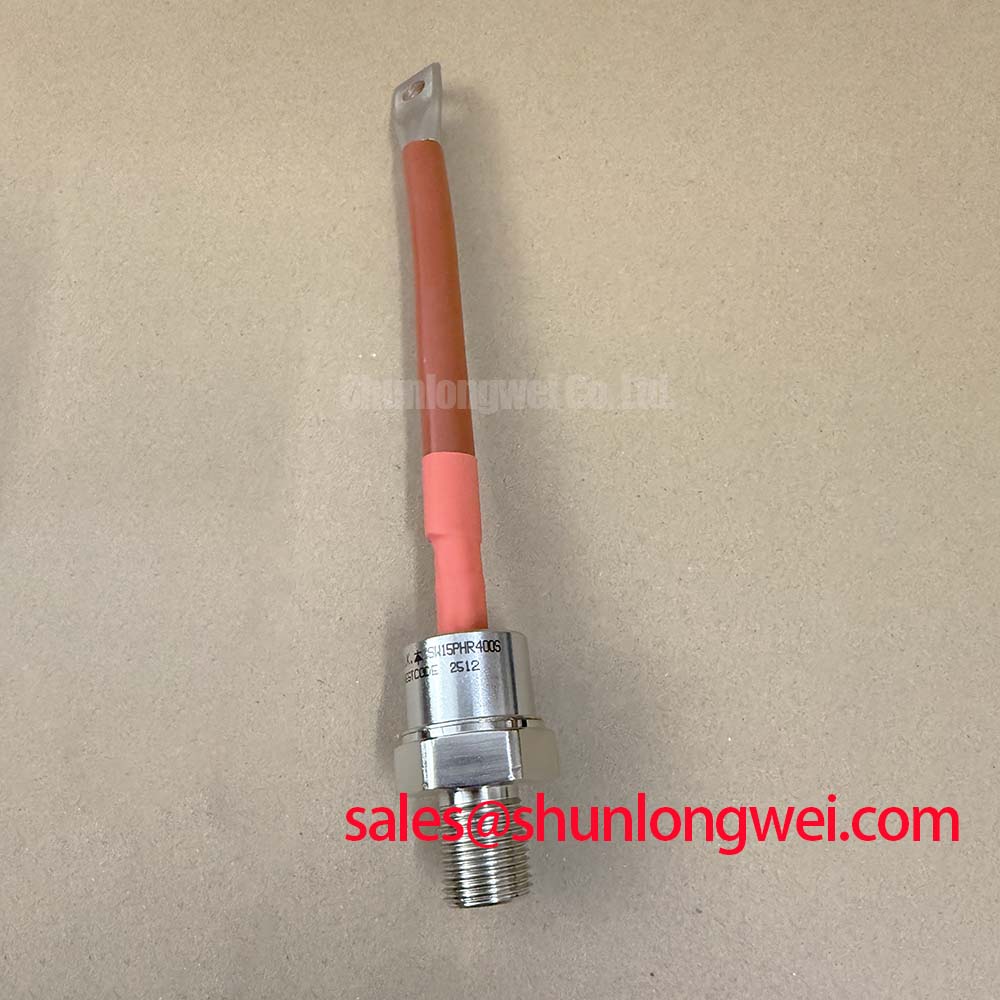
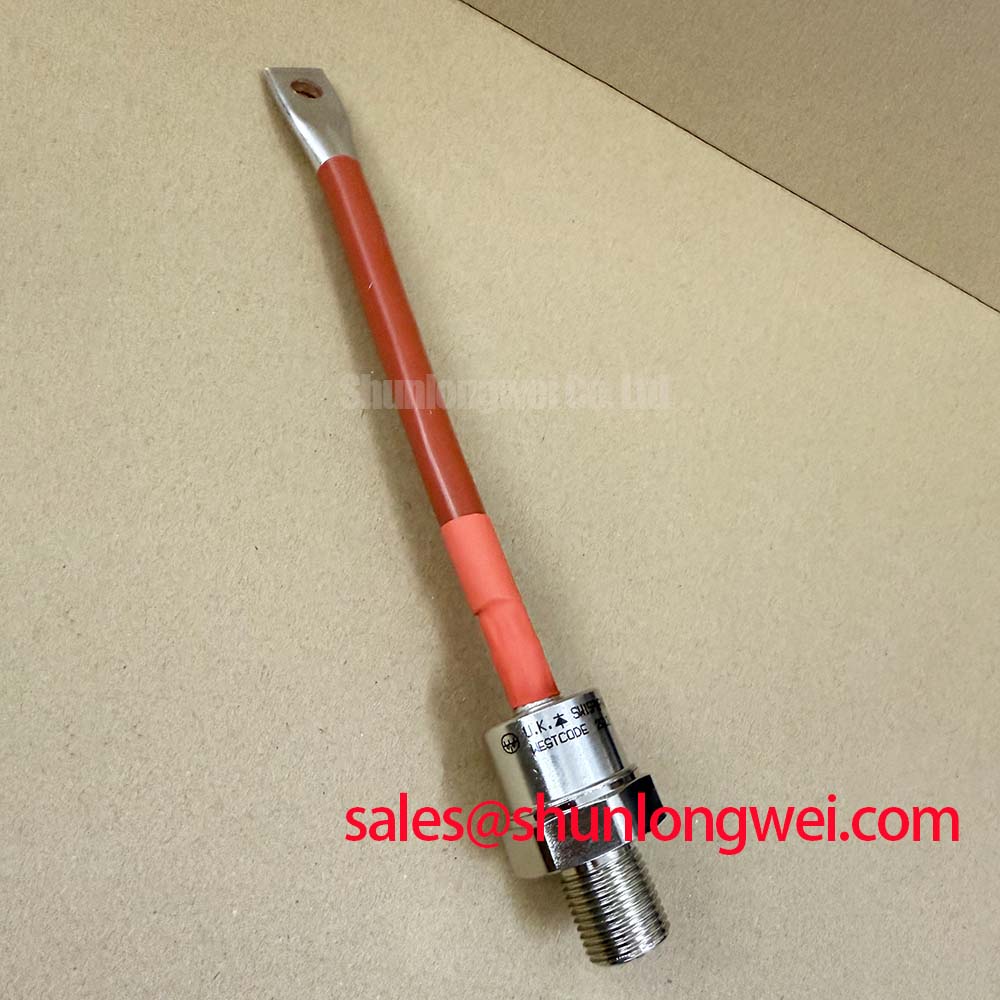
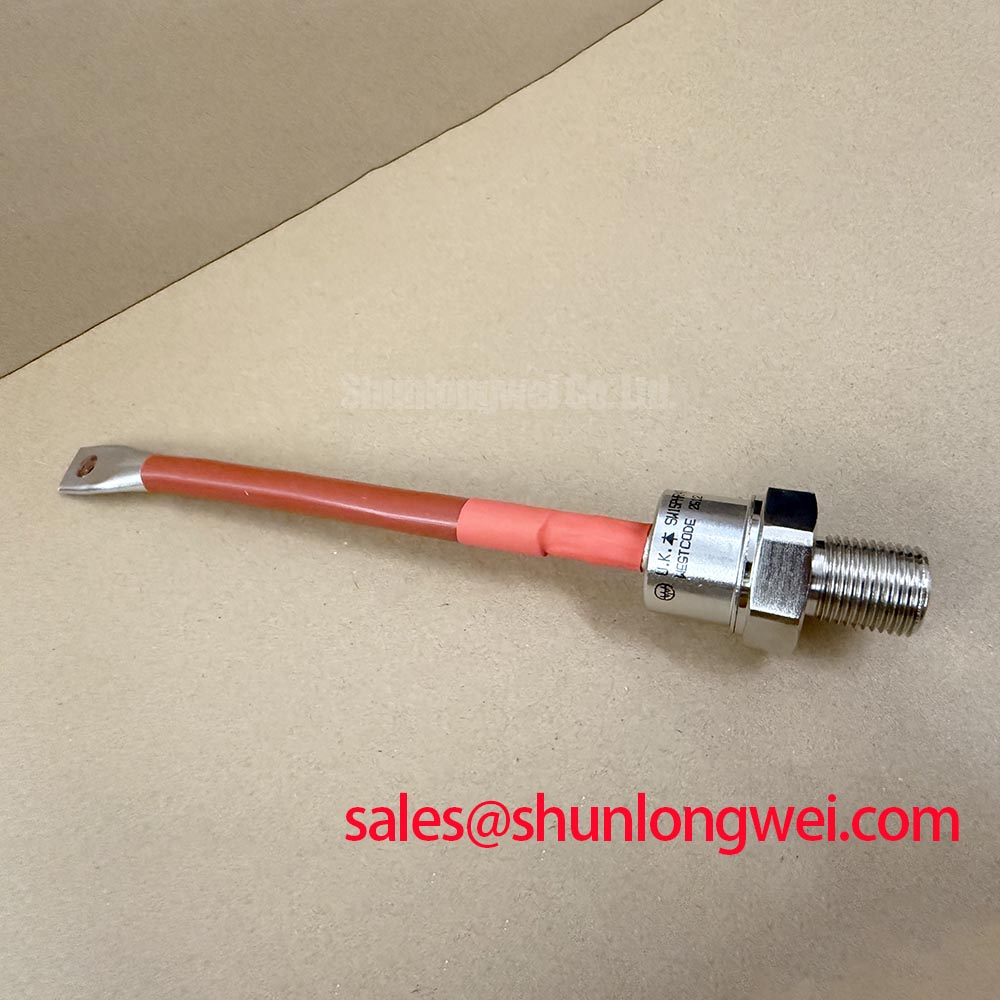
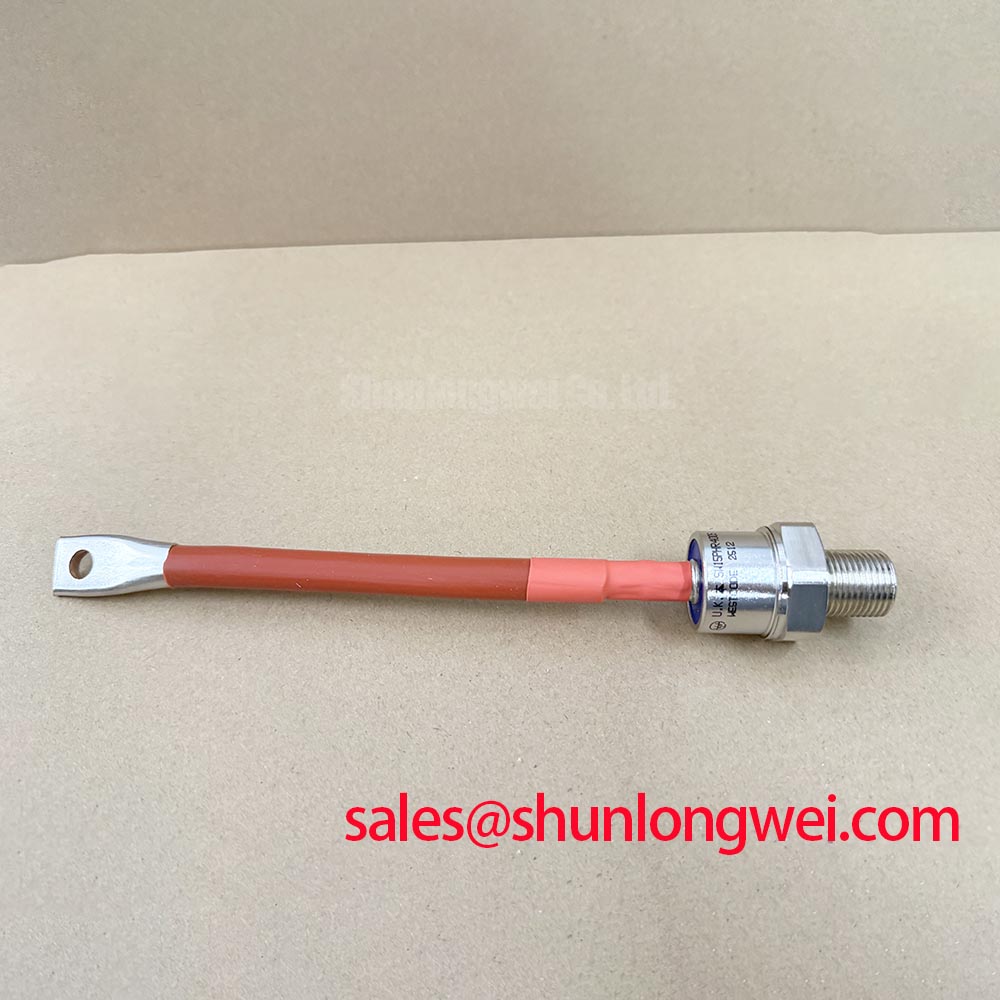
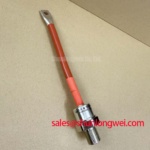
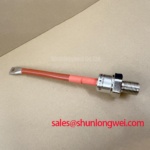
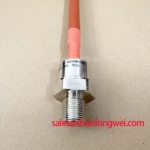
SW15PHR400S Westcode 1500V 400A Stud Phase Control Thyristor
The SW15PHR400S is a high-performance phase control thyristor (SCR) engineered by Westcode (IXYS/Littelfuse), designed to facilitate robust power switching in demanding industrial environments. Utilizing a resilient stud-mount package, this device excels in applications where mechanical stability and high surge current handling are non-negotiable for system uptime.
UVP: A rugged 400A stud-mount SCR designed for high-power rectification and soft-starter applications requiring extreme surge current handling and mechanical durability.
- Core Specs: 1500V Vdrm | 400A It(av) | 7400A Itsm.
- Key Benefits: Exceptional thermal conductivity through a pressure-contact stud interface and high immunity to voltage transients.
- The SW15PHR400S addresses the common engineering challenge of thermal fatigue in high-vibration industrial settings by providing a secure, bolted mechanical connection that serves as both an electrical terminal and a primary heat path.
For industrial battery chargers and soft starters prioritizing mechanical durability, this 400A stud thyristor offers the most resilient power control solution.
Key Parameter Overview
Decoding the Specs for Enhanced Thermal Reliability
The technical profile of the SW15PHR400S reflects its optimization for phase control applications. Engineers must pay close attention to the surge current ratings and thermal resistance to ensure the longevity of the power stack.
| Technical Specification | Value / Rating | Engineering Significance |
|---|---|---|
| Repetitive Peak Off-State Voltage (Vdrm) | 1500V | Provides a wide safety margin for 400V to 480V AC line applications. |
| Average On-State Current (Itav) | 400A | Supports heavy-duty rectification at case temperatures up to 85°C. |
| Peak Non-Repetitive Surge Current (Itsm) | 7400A | Critical for surviving inrush currents during large motor startups. |
| Maximum Gate Trigger Current (Igt) | 200mA | Ensures reliable firing across the full operating temperature range. |
| Thermal Resistance (Rthj-c) | 0.09 K/W | Low thermal impedance allows for compact heatsink designs. |
Application Scenarios & Value
Achieving System-Level Benefits in High-Power Conversion
In the realm of heavy-duty Industrial DC Drives, the SW15PHR400S is frequently employed in three-phase bridge configurations. Engineers often face the challenge of managing the massive inrush current during the initial magnetization of motors or transformers. With an Itsm rating of 7400A, this device acts as a robust safeguard, preventing catastrophic failure during transient overload conditions.
Beyond motor control, this thyristor is a cornerstone in high-current UPS systems and industrial battery charging stations. Its 1500V rating provides the necessary isolation and protection against line spikes commonly found in unstable power grids. While this model is ideal for 400A load requirements, for systems requiring lower current handling in a more integrated package, the SKKH106/16E offers an alternative module-based approach.
The transition to more energy-efficient systems often requires precise phase angle control. The SW15PHR400S provides the switching accuracy needed for PFC stages and soft-starter units, contributing to the overall reduction of total cost of ownership (TCO) through improved efficiency and reduced mechanical stress on downstream components.
Technical & Design Deep Dive
A Closer Look at the Stud-Mount Design for Long-Term Reliability
The mechanical architecture of the SW15PHR400S is as critical as its semiconductor junctions. The stud-mount housing is designed for direct mounting into a busbar or heatsink. To explain the engineering significance, think of the SW15PHR400S as a heavy-duty bolt that holds a bridge together; it does not just perform a function but serves as a primary structural element for heat transfer. Unlike solder-based modules, the pressure-contact technology inside this stud prevents the "solder fatigue" often seen in thermal cycling environments.
Furthermore, understanding the SOA (Safe Operating Area) is vital for high-reliability designs. The SW15PHR400S is optimized for low on-state conduction losses, which directly reduces the heat generated within the silicon wafer. When compared to modern IGBT modules, the thyristor remains superior in high-surge, low-frequency applications due to its simpler structure and higher current density capability. For engineers interested in a deeper comparison of these technologies, our guide on IGBT vs MOSFET vs BJT provides a comprehensive framework for selection.
Frequently Asked Questions
What is the primary benefit of the stud package for the SW15PHR400S?
The stud package offers exceptional mechanical stability and a direct-path thermal interface, making it ideal for high-vibration environments where module solder joints might fail over time.
How does the 7400A surge current rating impact my design safety factor?
A high Itsm of 7400A allows designers to minimize the size of protective fuses and snubber circuits, as the device itself can absorb significant transient energy without degradation.
Can the SW15PHR400S be used in 690V AC line applications?
While the 1500V rating provides some margin, 690V systems typically see peak voltages near 1000V. For these environments, a 1600V or 1800V device is often preferred to account for transient spikes, though 1500V may be acceptable with robust Snubber Circuit protection.
What is the critical importance of mounting torque for this device?
The mounting torque directly dictates the Thermal Resistance (Rthj-c). Insufficient torque results in an air gap that increases operating temperatures, while over-tightening can damage the internal silicon wafer. Always refer to the SW15PHR400S datasheet for the specified 27-33 Nm torque range.
As industrial systems evolve toward greater power density, the selection of robust components like the SW15PHR400S remains a strategic decision for engineering teams. Balancing raw power handling with thermal precision is the hallmark of a reliable high-current system design.