Content last revised on September 10, 2026
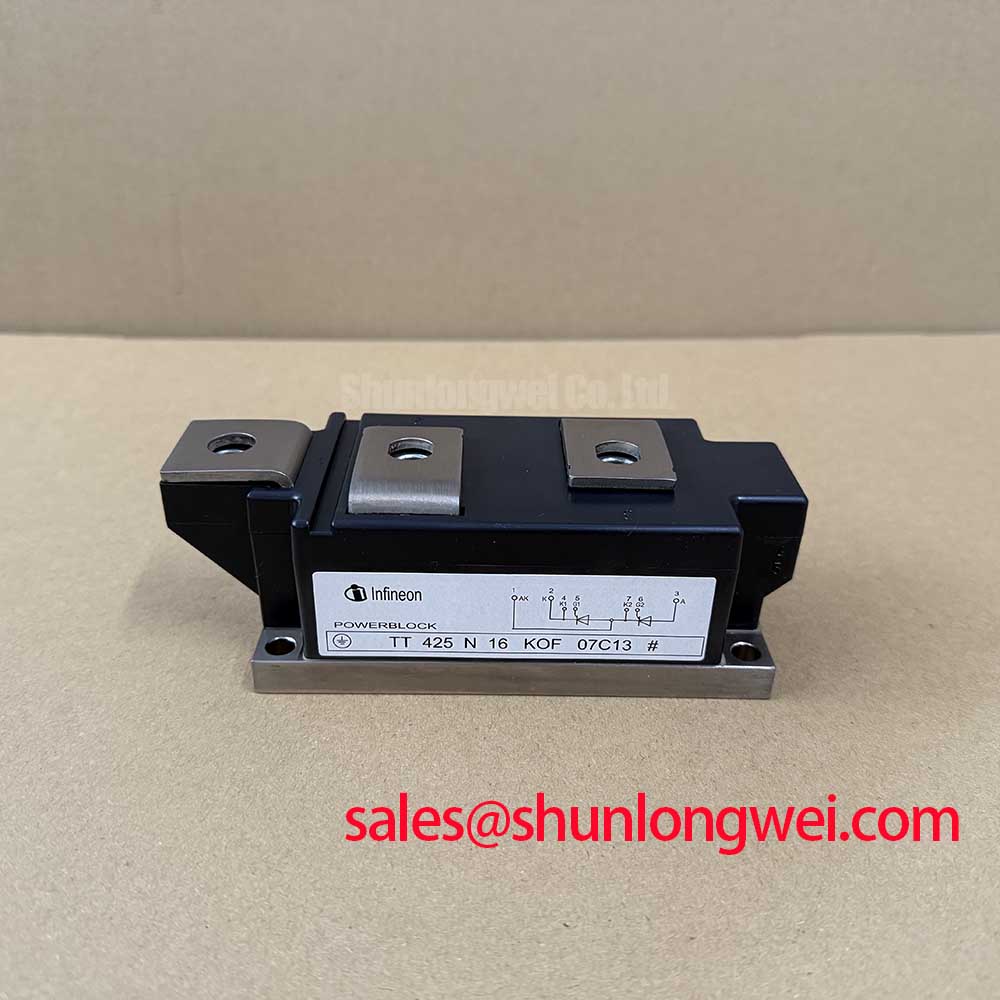
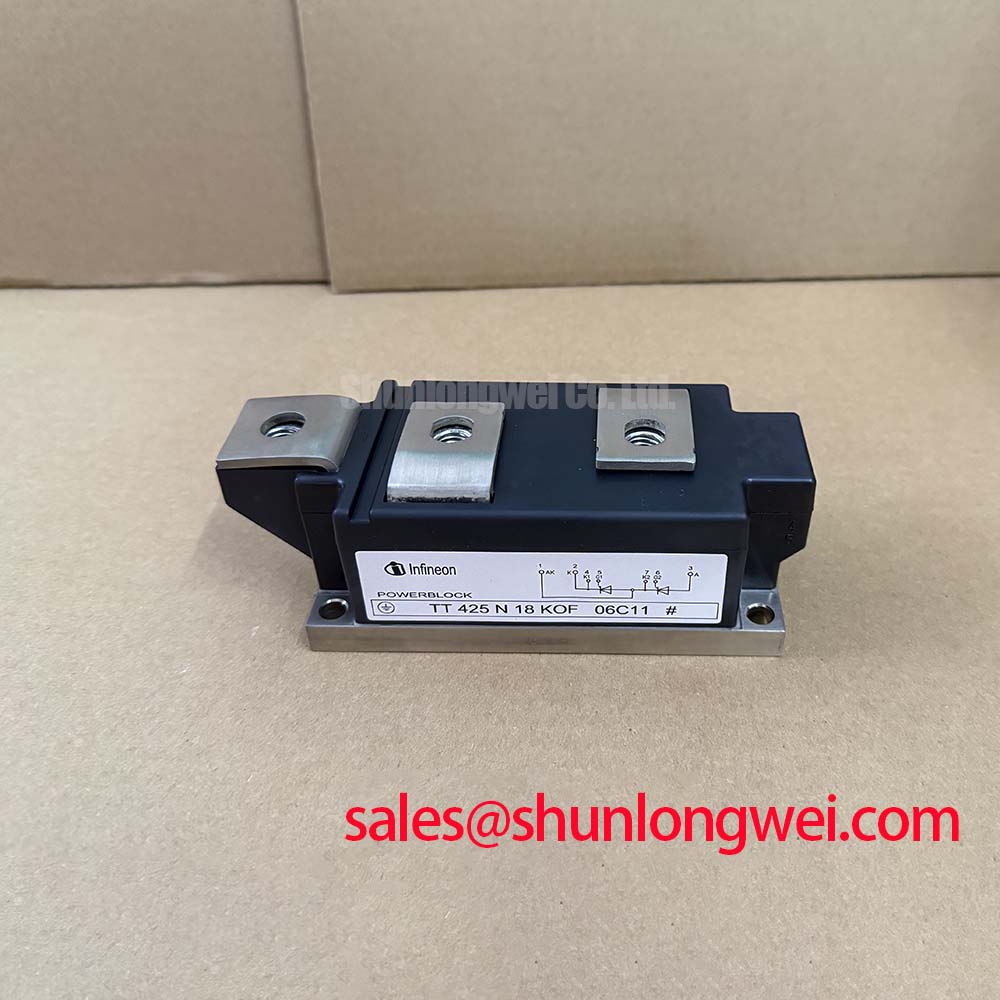
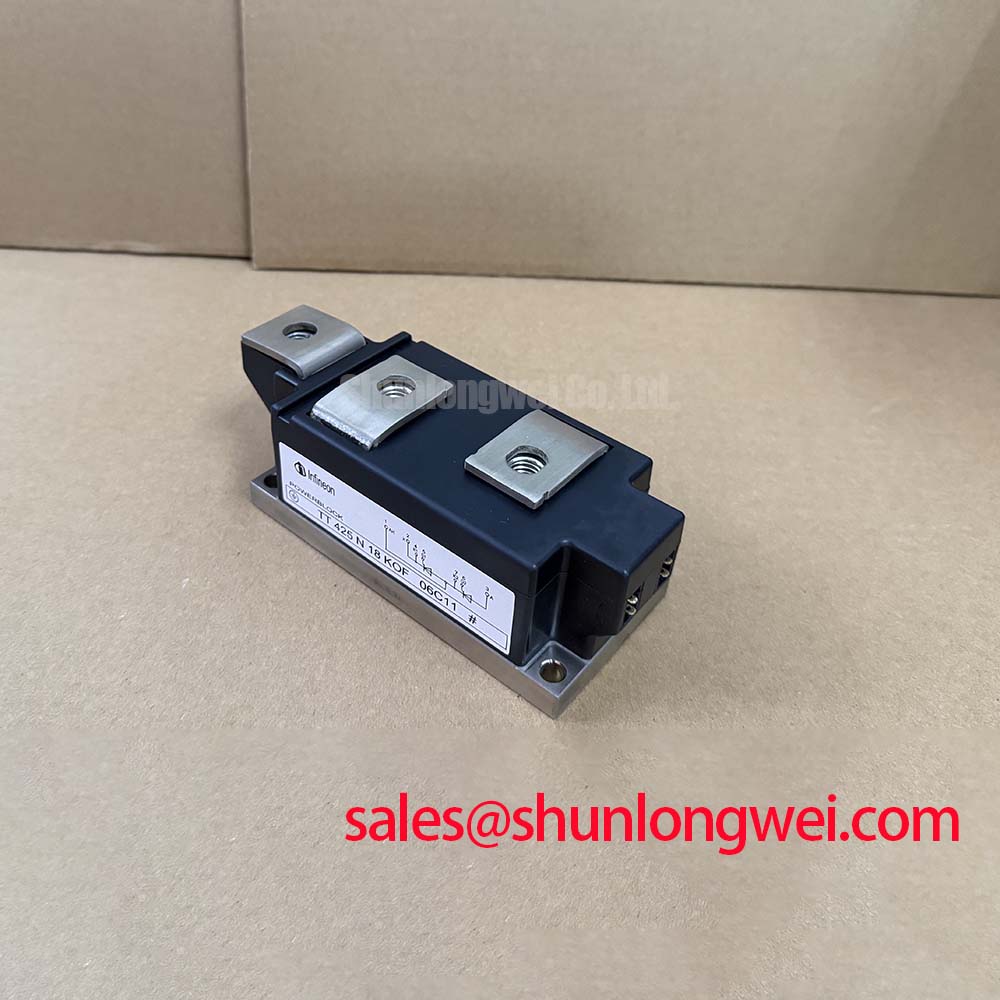
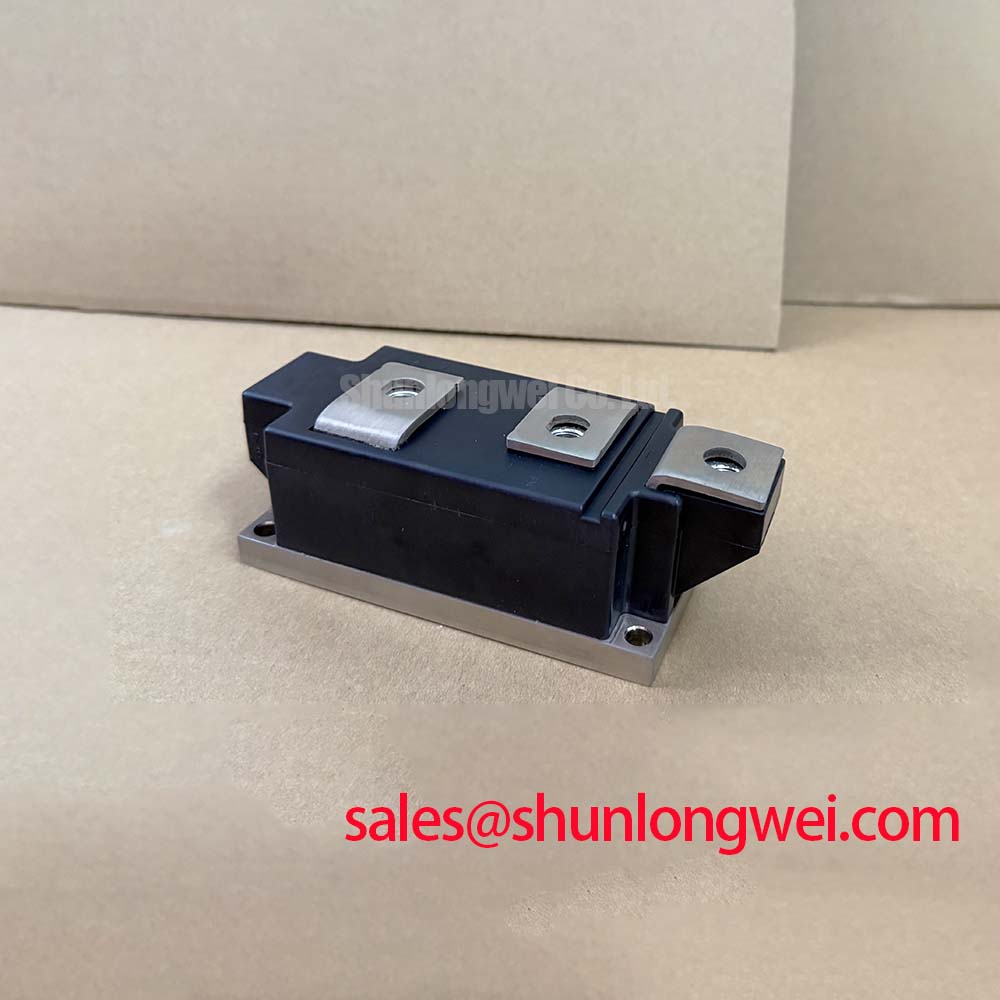
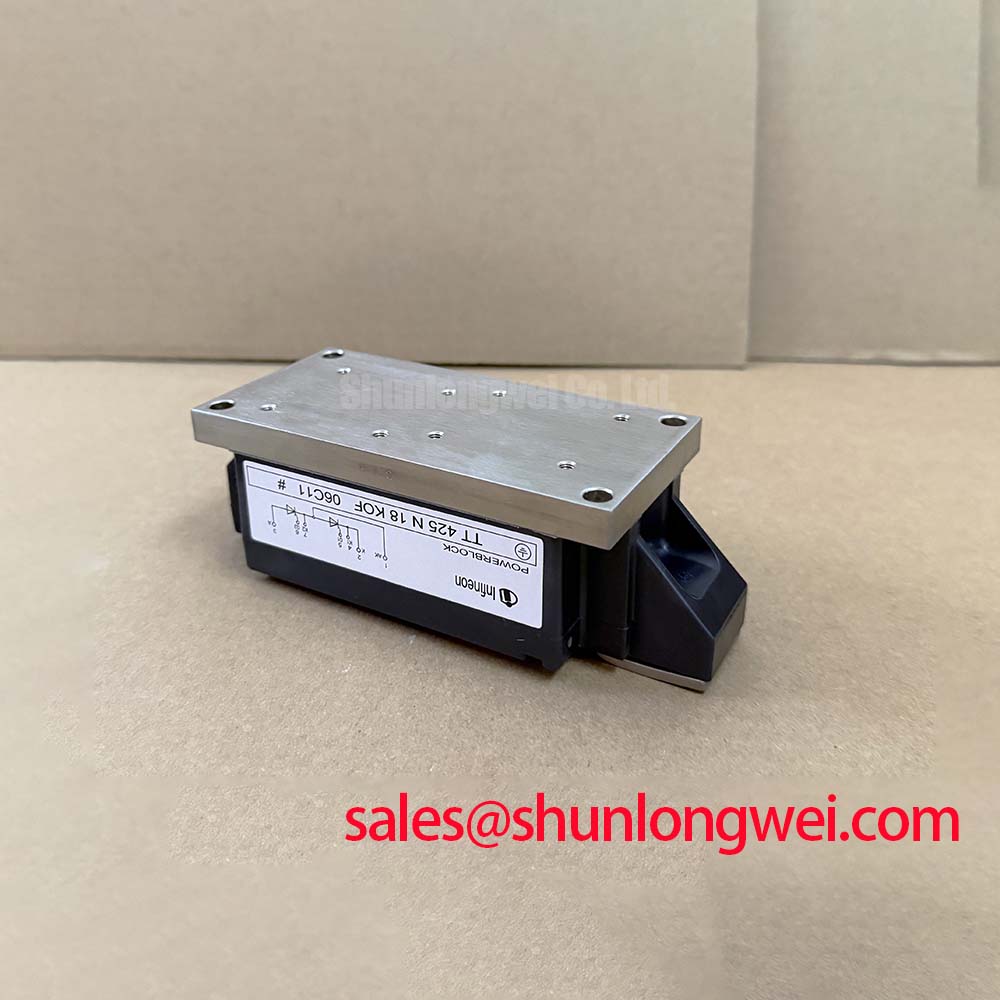
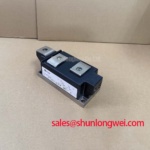
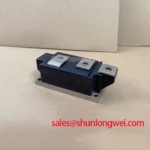
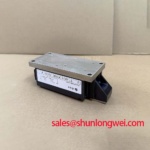
High-Power Rectification Excellence with the Infineon TT425N18KOF 1800V 425A Thyristor Module
The Infineon TT425N18KOF, a cornerstone of the Thyristor Module family, delivers high-surge reliability through pressure-contact technology designed for mission-critical power rectification and motor control. Featuring a robust 1800V repetitive peak off-state voltage and a 425A mean on-state current, this module is engineered to provide a significant safety margin in 690V industrial grid applications. For engineers prioritizing long-term thermal stability, the TT425N18KOF offers an impressive 0.078 K/W junction-to-case thermal resistance, ensuring consistent performance under cyclic loads. By utilizing pressure-contact technology instead of traditional solder bonding, it effectively eliminates the primary failure mode of solder fatigue in high-power environments. For 690V drives prioritizing thermal margin, this 1800V module is the optimal choice.
Key Parameter Overview
Decoding the Specs for Enhanced Thermal Reliability
| Technical Specification | Measured Value | Engineering Significance |
|---|---|---|
| Repetitive Peak Voltage (V_DRM/V_RRM) | 1800V | Provides superior overhead for 690V AC line transients. |
| Maximum Average On-State Current (I_TAVM) | 425A (at T_c = 85°C) | Supports high-density power conversion in compact cabinets. |
| Surge On-State Current (I_TSM) | 14500A (at 10ms, 25°C) | Critical for surviving downstream short circuits and startup surges. |
| Maximum Junction Temperature (T_vj max) | 125°C | Standard industrial rating for reliable continuous operation. |
| Thermal Resistance, Junction to Case (R_thJC) | 0.078 K/W | Enables efficient heat dissipation, reducing heatsink volume. |
Download the TT425N18KOF datasheet for detailed specifications and performance curves.
Application Scenarios & Value
Optimizing Heavy-Duty Industrial Power Stages
The TT425N18KOF is frequently deployed in Variable Frequency Drive (VFD) input stages and soft starters for large asynchronous motors. In a typical industrial conveyor system, motor startup currents can reach several times the rated operating current; the module's 14500A surge rating acts like a high-capacity spillway for an electrical dam, absorbing these massive energy spikes without degrading the semiconductor structure. This capability is essential for maintaining system uptime in UPS systems and static VAR compensators where sudden load shifts are common.
Engineers designing high-power rectifiers must balance voltage headroom against conduction losses. While the TT425N18KOF is ideal for 690V systems, for designs requiring slightly less voltage overhead but higher current density, the related TT500N16KOF06C11 offers a higher current rating at 1600V. Proper integration requires a deep understanding of the Safe Operating Area (SOA) to prevent latch-up during rapid $dv/dt$ events. For more on these principles, consult our guide on decoding power semiconductor datasheets.
Industry Insights & Strategic Advantage
Strategic Reliability through Pressure-Contact Engineering
In the transition toward Industrial 4.0, power density and "maintenance-free" operation have become non-negotiable requirements. The TT425N18KOF leverages Infineon pressure-contact technology, which differs fundamentally from solder-based modules. While solder bonds are susceptible to thermomechanical stress and eventual cracking over thousands of thermal cycles, the pressure-contact interface remains stable. Think of it as a heavy-duty mechanical clamp versus a glued joint; the former maintains its integrity under the constant "breathing" of the module during load changes.
Strategically, this module supports the global push for energy efficiency by minimizing conduction losses in the power path. Its low on-state voltage drop contributes directly to higher system-level efficiency in large-scale electrolytic processes and welding power supplies. Understanding these failure modes is vital for lifecycle planning; proactive reliability diagnosis can extend the service life of the entire power cabinet, reducing the Total Cost of Ownership (TCO) for end-users in harsh environments.
FAQ
How does the R_thJC of 0.078 K/W directly impact heatsink selection and overall system power density?
A lower R_thJC means that heat is moved more efficiently from the silicon junction to the module baseplate. This allows for the use of smaller heatsinks or less aggressive cooling (such as reduced fan speeds), which directly increases power density by allowing more components to be packed into a smaller enclosure while maintaining safe operating temperatures.
Is the 1800V rating necessary for standard 400V or 480V AC line applications?
While a 1200V or 1600V module might suffice for 400V, the 1800V rating of the TT425N18KOF provides a "robustness buffer" against high-energy transients often found in heavy industrial grids or systems using long cable runs that exhibit inductive kickback. It effectively prevents overvoltage failure during grid instability.
What is the primary benefit of its pressure-contact design?
Enhanced long-term reliability by eliminating solder fatigue under heavy thermal cycles. By removing the solder layer between the chip and the substrate, the module can withstand a much higher number of power cycles, making it ideal for applications with frequent load changes like crane drives or intermittent industrial heaters.
As industrial systems evolve toward higher voltages and more compact footprints, the selection of thyristor modules must pivot from simple current-handling capability to comprehensive thermal and surge resilience. The TT425N18KOF represents a mature, high-reliability solution for designers who cannot afford unplanned downtime in critical infrastructure. Balancing its high I^2t values with precision Gate Drive control ensures the power stage remains a robust link in the automation chain.