Content last revised on September 10, 2026
SX16H006-ZZA: A Robust 6.5-inch QVGA Display for Industrial HMIs
An Engineering-Focused Introduction
Key Specifications and Core Benefits
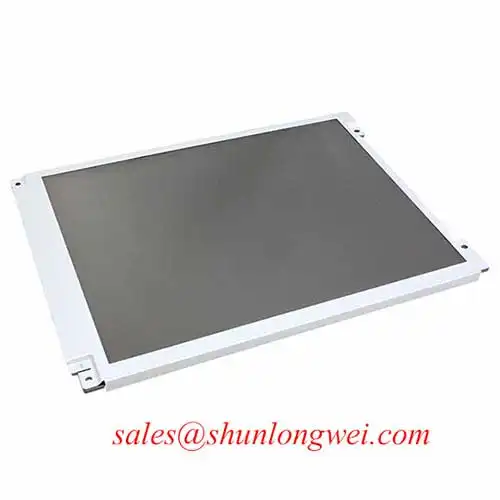
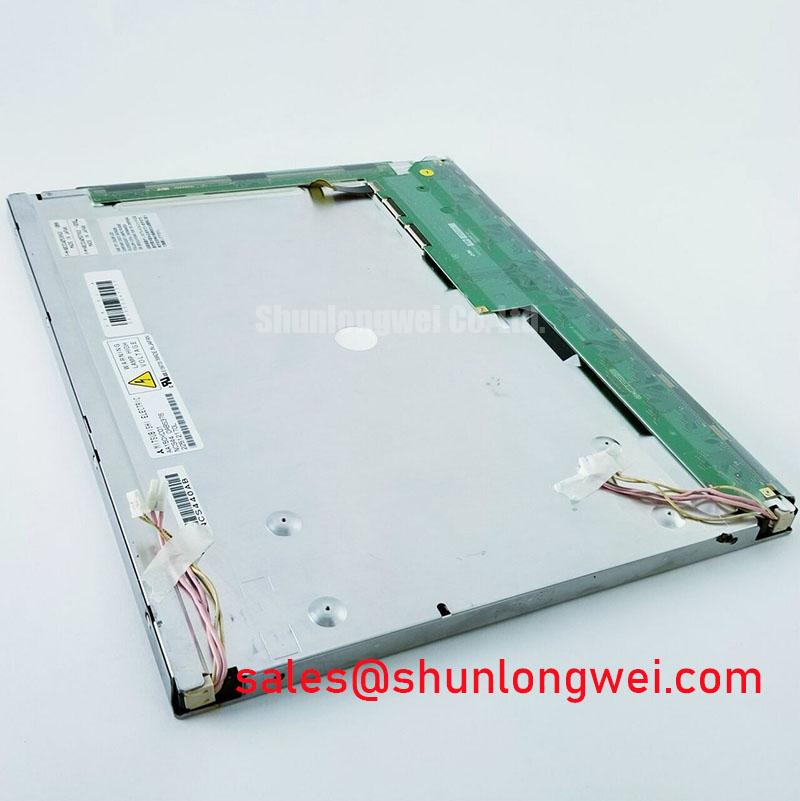
The Hitachi SX16H006-ZZA is a 6.5-inch QVGA display engineered for steadfast performance in demanding industrial environments. It delivers a proven, reliable Human-Machine Interface (HMI) solution built on mature technology. With core specifications of 6.5-inch Diagonal | 320x240 QVGA Resolution | -10°C to +60°C Operating Temperature, this display provides two essential engineering benefits: exceptional operational resilience and straightforward system integration. It addresses the critical need for a durable display in factory automation and control systems where extreme temperatures can compromise component longevity. With its wide operating temperature and standard CMOS interface, the SX16H006-ZZA is the best fit for upgrading or maintaining industrial control panels requiring proven QVGA display technology.
Application Scenarios & Value
Delivering Reliability in Factory Floor and Control System Environments
The primary value of the Hitachi SX16H006-ZZA lies in its suitability for industrial environments where stability and longevity are prioritized over cutting-edge specifications. Consider the challenge of designing a control panel for a metal stamping press or a legacy CNC machine. These settings often lack climate control, subjecting electronics to significant temperature swings throughout the day and across seasons.
What is the primary benefit of its wide temperature range? Enhanced system reliability without costly environmental controls. The display's ability to operate flawlessly from -10°C to +60°C ensures consistent readability and performance, directly addressing this challenge. An engineer can specify this display with confidence, knowing it eliminates a common failure point associated with commercial-grade screens. The 320x240 QVGA resolution is perfectly matched for displaying essential machine parameters, status updates, and simple control menus, providing clarity without overwhelming the system's graphical processing capabilities. This makes it an ideal component for integration with a Programmable Logic Controller (PLC) or embedded system. For applications requiring a similar physical footprint but higher brightness and a digital interface, the AA065VD01 presents an alternative design path.
Key Parameter Overview
Decoding the Specs for Industrial System Integration
The specifications of the SX16H006-ZZA are tailored for focused industrial applications. The parameters below highlight its role as a robust and integrable display solution.
| Feature | Specification | Engineering Implication |
|---|---|---|
| Display Size | 6.5 inches | Compact form factor suitable for control panels and portable test equipment. |
| Resolution | 320(RGB) x 240 (QVGA) | Provides clear, concise data visualization for essential parameters without requiring high-end graphics drivers. |
| Brightness | 200 cd/m² | Optimized for indoor and factory floor environments with controlled ambient lighting. |
| Operating Temperature | -10°C to +60°C | Ensures operational reliability in non-climate-controlled industrial settings. |
| Interface | CMOS (1 ch, 6-bit) | Facilitates straightforward integration with a wide range of microcontrollers and legacy systems. |
| Backlight Technology | CCFL | A mature and proven lighting solution with a predictable performance lifespan. |
Technical Deep Dive
Implications of a-Si TFT and CCFL Technology in Industrial Design
The Hitachi SX16H006-ZZA is built upon Amorphous Silicon (a-Si) TFT-LCD technology. For industrial applications, this choice signifies a commitment to proven reliability and manufacturing consistency. Unlike newer technologies that prioritize pixel density or response time for consumer media, a-Si TFT provides the stability and longevity required for systems with operational lifecycles measured in years, not months. Its performance is well-documented, allowing engineers to design with predictable outcomes.
A critical component of this display is its Cold Cathode Fluorescent Lamp (CCFL) backlight. While modern displays often use LEDs, the CCFL is a robust, mature technology. Its performance is analogous to an industrial-grade AC motor: it's not the newest or most efficient, but it is exceptionally reliable, well-understood, and its failure modes are predictable. This allows for proactive maintenance schedules in critical systems. The CCFL provides diffuse, even lighting and its required inverter is a standard, readily available component, simplifying both new designs and field service for existing equipment. This focus on proven technologies is a key reason why industrial displays differ from their consumer counterparts.
Frequently Asked Questions
Engineering and Integration Inquiries
How does the specified -10°C to +60°C operating temperature range impact system design for industrial enclosures?
This wide temperature range significantly simplifies thermal management. It allows engineers to design more compact, often fanless, enclosures for control panels, as the display does not require a tightly controlled environment. This reduces system cost, complexity, and potential points of failure like cooling fans.
What are the integration benefits of the 6-bit CMOS data interface?
The parallel CMOS interface is a direct, straightforward connection method that is well-supported by a vast number of microcontrollers and FPGAs. It avoids the need for specialized SerDes (Serializer/Deserializer) chipsets common with LVDS or MIPI interfaces, reducing BOM cost and simplifying PCB layout, making it ideal for cost-sensitive or legacy system upgrades.
Is the 80:1 contrast ratio sufficient for industrial HMI applications?
Yes, for its intended use. Industrial HMIs for machine control typically display high-contrast graphical elements like text, numbers, and status indicators rather than nuanced photographic images. The 80:1 ratio provides clear differentiation for these elements, ensuring at-a-glance readability for operators on a factory floor.
What is the typical lifespan of the CCFL backlight and what are the service implications?
CCFL backlights typically have a rated lifespan to half-brightness of 20,000 to 50,000 hours. This predictable degradation allows for scheduled maintenance and replacement of the backlight or inverter, a critical feature for maintaining uptime in 24/7 industrial operations. The backlight and inverter are often serviceable components.
Strategic Outlook for System Design
Leveraging Proven Technology for Long-Term Product Lifecycles
Incorporating the Hitachi SX16H006-ZZA into a system design is a strategic decision to prioritize long-term reliability and serviceability. In an industry moving towards rapid obsolescence, this display offers a stable platform, ensuring that equipment manufactured today can be supported and serviced for years to come. For OEM engineers designing systems for industrial automation, medical devices, or test and measurement, the SX16H006-ZZA provides a low-risk, high-reliability display solution that supports extended product lifecycles and minimizes total cost of ownership.